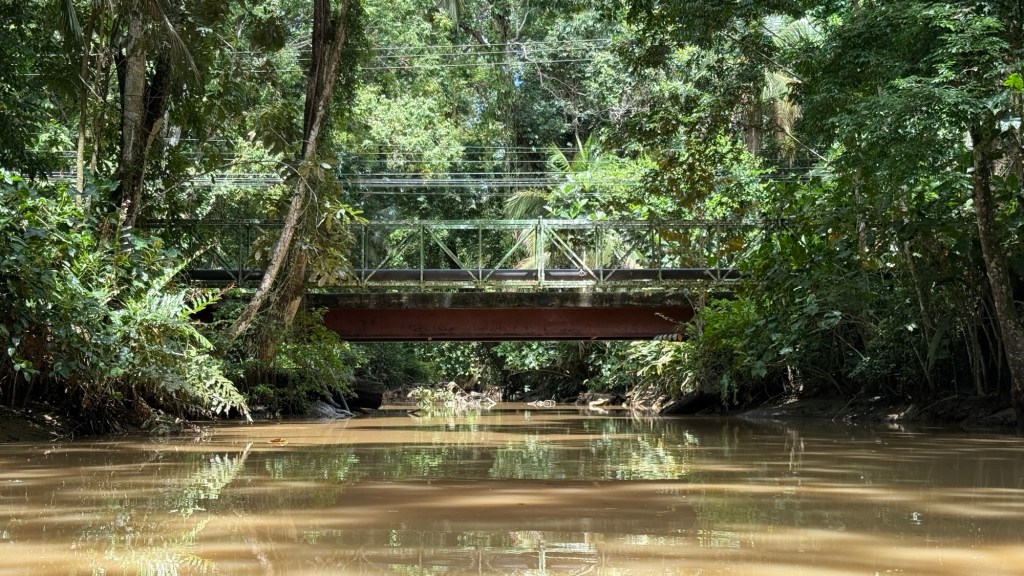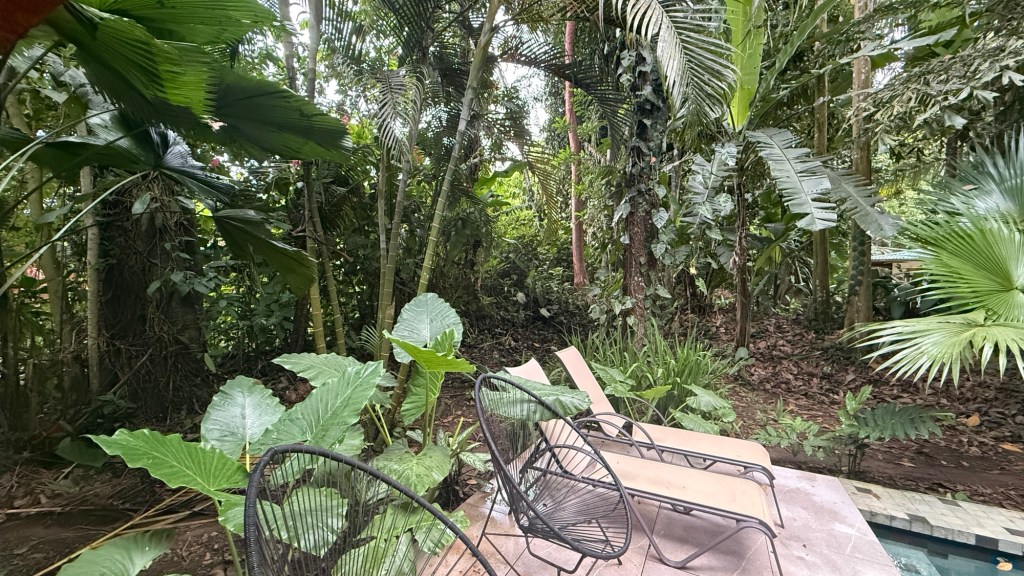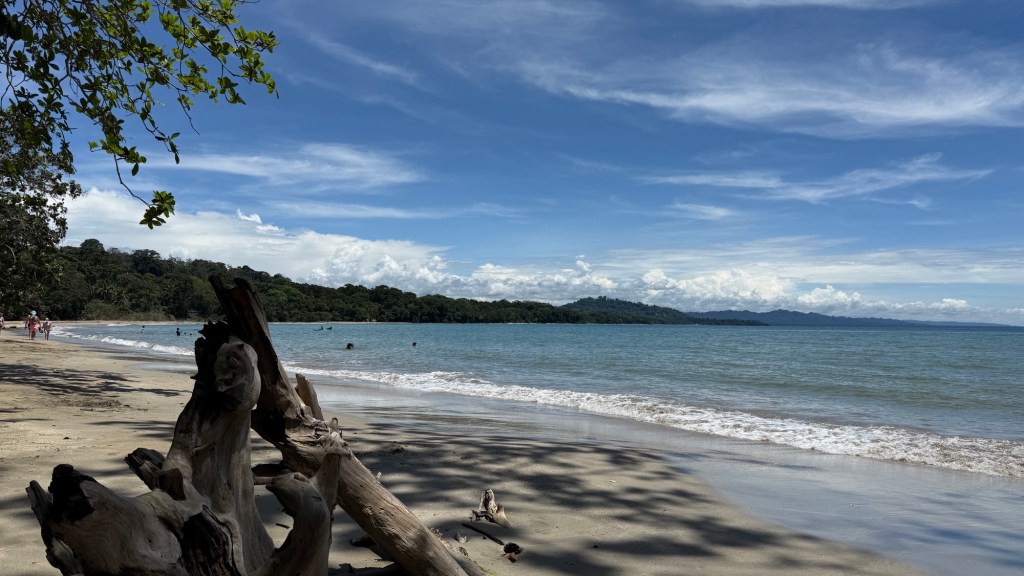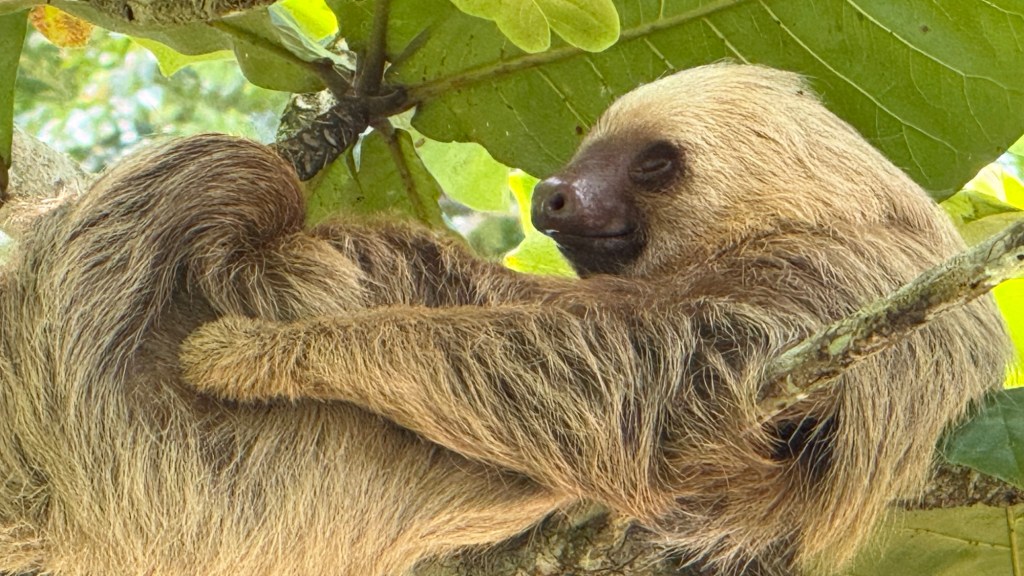
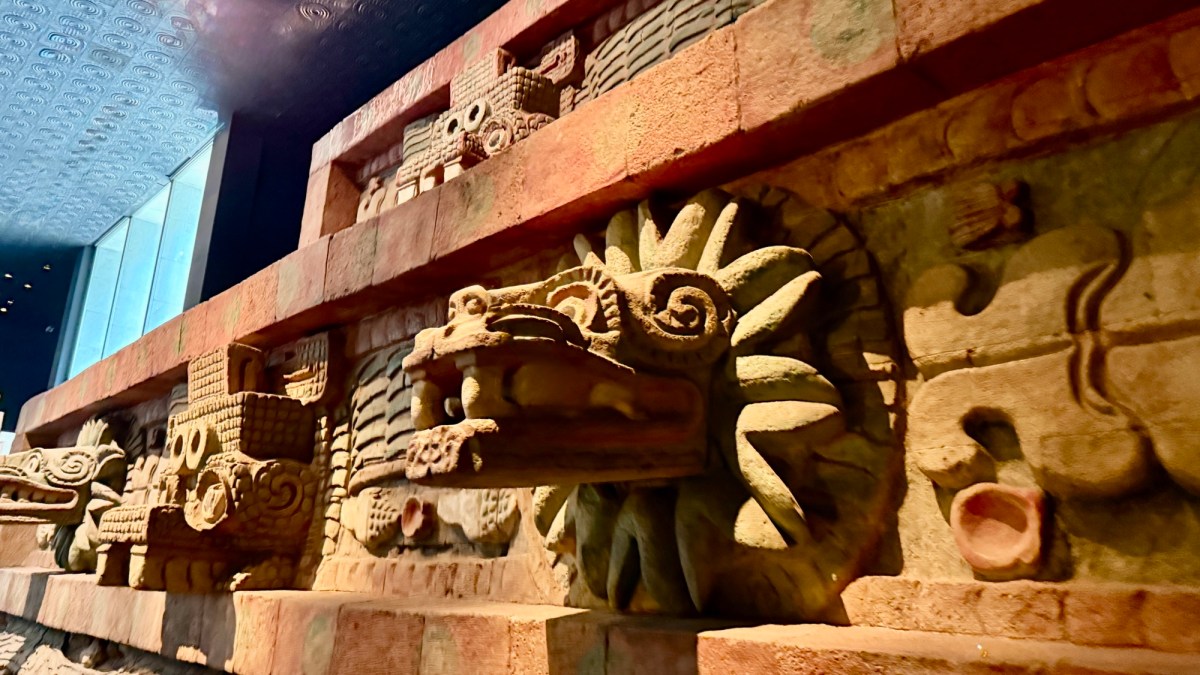
It’s been a little over a year since we made Costa Rica our full-time home, since we traded snow and seasons for the lushness of the Osa Peninsula and settled into our little piece of paradise in Uvita.
And living here—really living here, not just visiting—has brought a lot into focus about what it means to make a life in a foreign country.
Today, my heart is heavy.
There are days when paradise feels exactly like paradise. And then there are days when the cracks become impossible to ignore.
This morning, I opened my email to find an announcement from OsaInformacion about the opening of the new C-COT-type detention center being built here.
It literally made me sick.
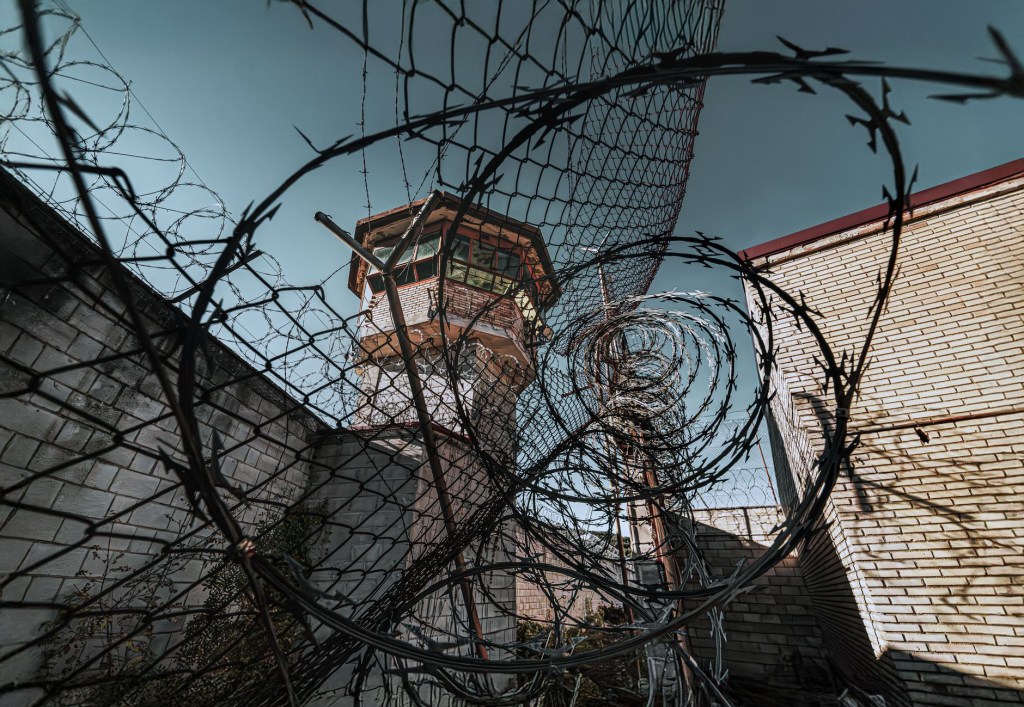
It’s no secret how I feel about the regime that has taken control of so many aspects of life in the United States. And now, watching even the ideas and policies of that regime begin to reach into the political landscape here in Costa Rica is frightening.
I can’t help but wonder:
Who will they round up? What will be next? When does it become about us? Will there be quotas? Will fear become a tool here, too? Will the lawlessness and division we’ve watched consume so much of the United States find its way here?
I know Costa Rica is its own country. I know its politics, its problems, and its history are uniquely Costa Rican.
But I also know how quickly things can change.
And then there are the things happening right in our own sleepy little canton.
Four random drive-by shootings in less than two weeks.
Bandits in the National Marine Park beating and robbing tourists.
And turtle eggs being poached right under our noses, even as the dedicated people from the turtle rescue walk the beaches twice a day trying desperately to protect them.
They save two or three nests, and someone comes along and steals another.
It is infuriating.
Because all around us is the Costa Rica we fell in love with.
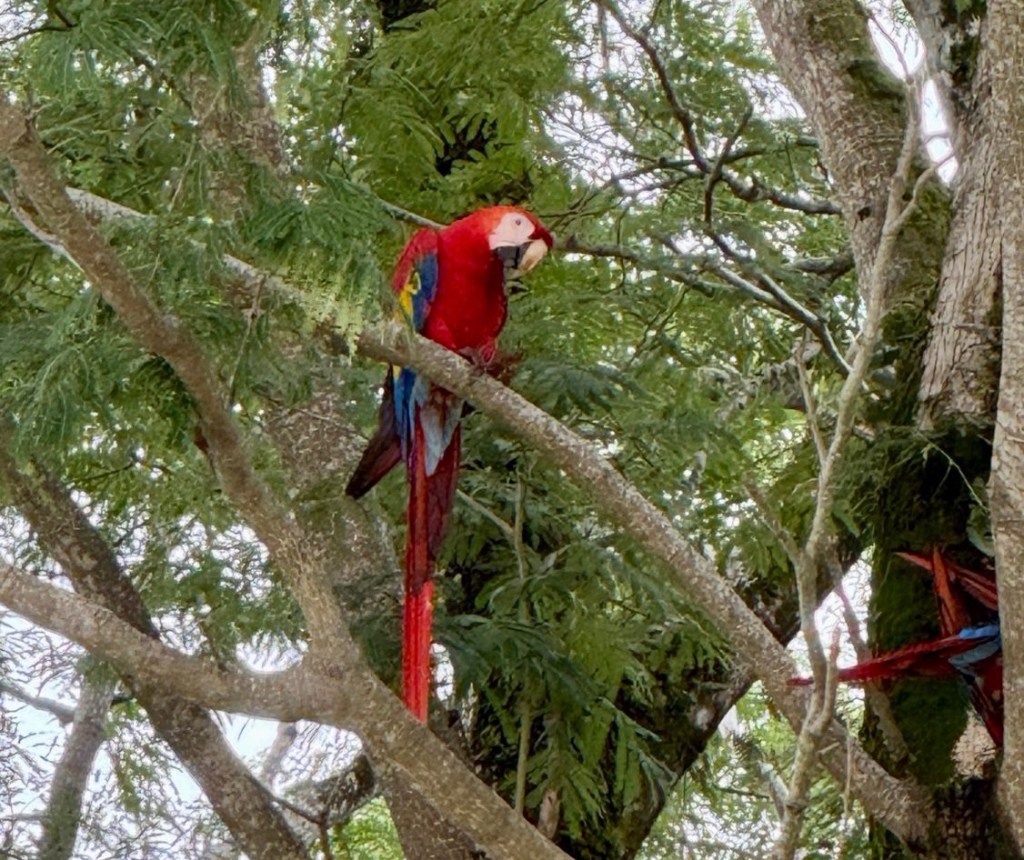
Bright-colored birds flashing through the trees.
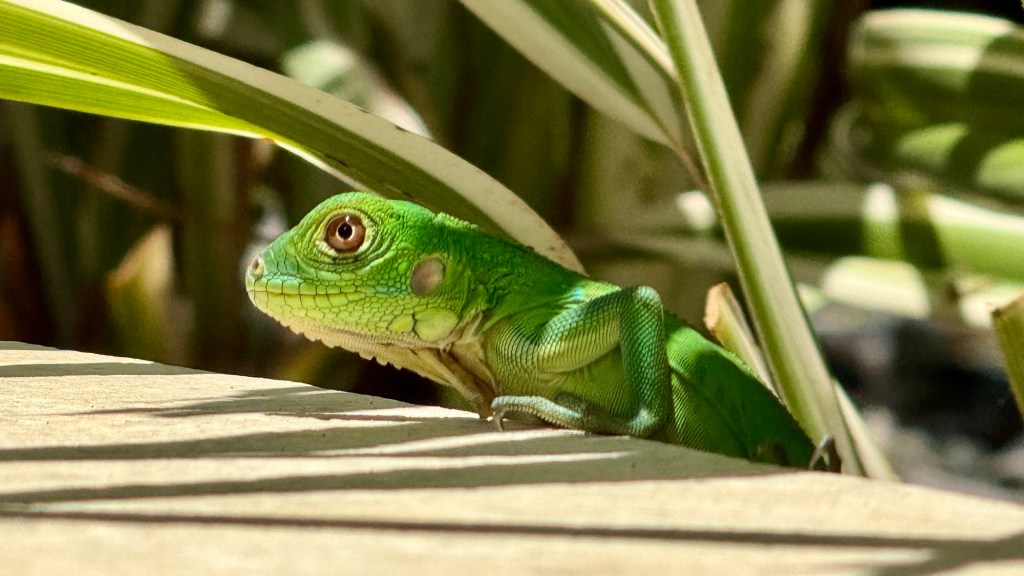
Huge iguanas sunning themselves.
Monkeys swinging through the canopy.
The ocean.
The mountains.
The rain.
The thunder and lightning rolling across the jungle.
Our little paradise still exists.
But then there is the human factor.
And sometimes, that’s the hardest part.
And honestly?
Today, even the humidity has gotten to me.
We really believed we would adapt to it. We thought our bodies would eventually acclimate, that eventually we would stop noticing the relentless dampness hanging in the air.
But after more than a year, we still find ourselves thinking twice about going outside. Thinking about whether an event is worth getting drenched in sweat for. Looking for shade. Looking for air conditioning. Looking for somewhere—anywhere—where your skin doesn’t feel perpetually wet.
There is no escaping it.
Of course, there are the mountains.
But the mountains come with their own shortcomings.
So today I’m just beside myself.
Not because I suddenly hate Costa Rica.
I don’t.
Not because the year here has been a failure.
It hasn’t.
Quite the opposite.
This year has taught us more than we could have learned from a dozen vacations. It has shown us what we truly need, what we can live without, what we value, and what we are unwilling to compromise.
And maybe that’s the lesson.
Life deals us a hand of cards.
Sometimes we look at that hand and decide we simply don’t want to play it.
And that is one of the beautiful freedoms of retirement.
We don’t have to stay somewhere because we have to.
We don’t have to convince ourselves that something is working when it isn’t.
We don’t have to spend the rest of our lives defending a decision simply because we once made it.
We can change our minds.
We can pack our bags.
We can go.
The wanderlust that has driven us for so many years is still alive and kicking. Maybe even more so now.
And somewhere along this journey, we’ve learned something else:
Stuff is exactly that. Stuff.
Our house is our home because we made it our home.
Just like our two vans were homes.
Just like our “home in the hill” in Bountiful was a home.
The walls don’t make the home.
The address doesn’t make the home.
We do.
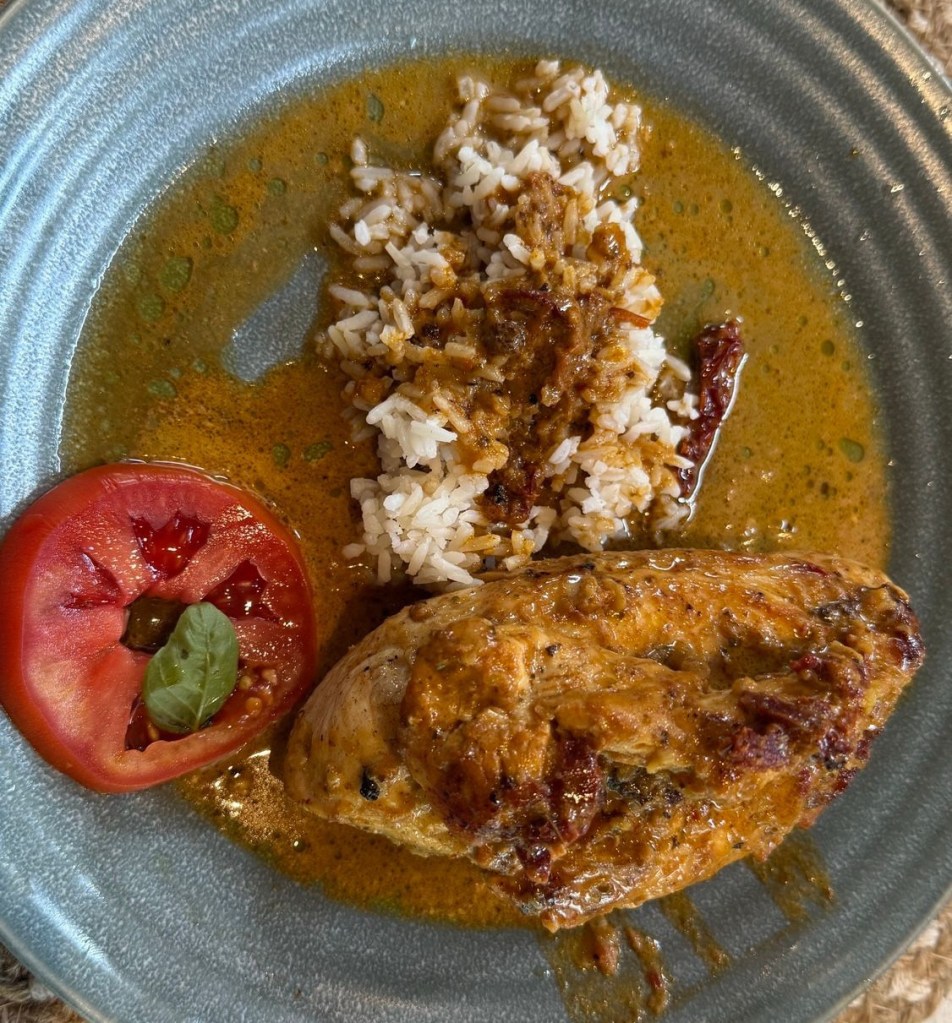
Our love, our memories, our laughter, our photographs, our ridiculous collections of things we’ve picked up along the way. The meals we cook. The music we play. The dogs underfoot. The stories we’ve accumulated.
That can be created anywhere.
So today, with a very heavy heart, I am beginning to pack up our little life.
Not because we failed.
Not because Costa Rica failed us.
But because sometimes you have to be honest enough to recognize when the life you’re living isn’t quite the life you want anymore.
And maybe that’s okay.
Maybe paradise isn’t a place.
Maybe it’s simply the place where the next chapter begins.
So here we go again.
Another chapter. Another road. Another adventure.
And somewhere out there, waiting for us, is the next place we’ll turn a building into a home.