It’s another early morning in Costa Rica, only this time on the Caribbean side.
We drove nearly ten hours over two days to get here, winding our way through the pouring rain and over Cerro de la Muerte—one of the many steep, mountainous roads that carve through the country’s interior. It’s a route notorious for mudslides, fallen trees, and deadly crashes. Massive eighteen-wheelers barrel around blind curves, often straddling the center line, leaving little room for oncoming traffic. It is, to put it mildly, a nail-biter.
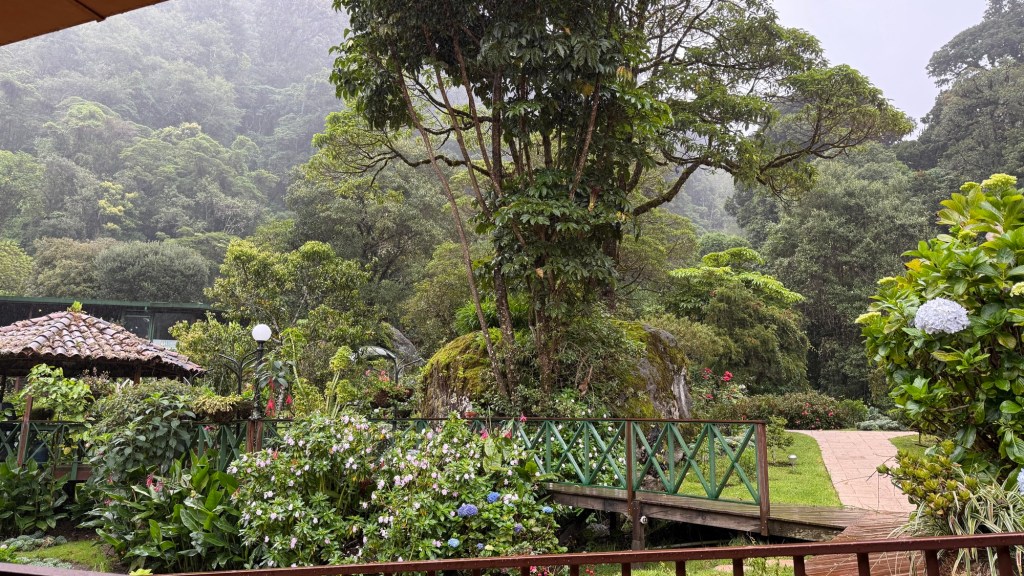
Still, we arrived safe and sound around four in the afternoon, just before darkness settled in.
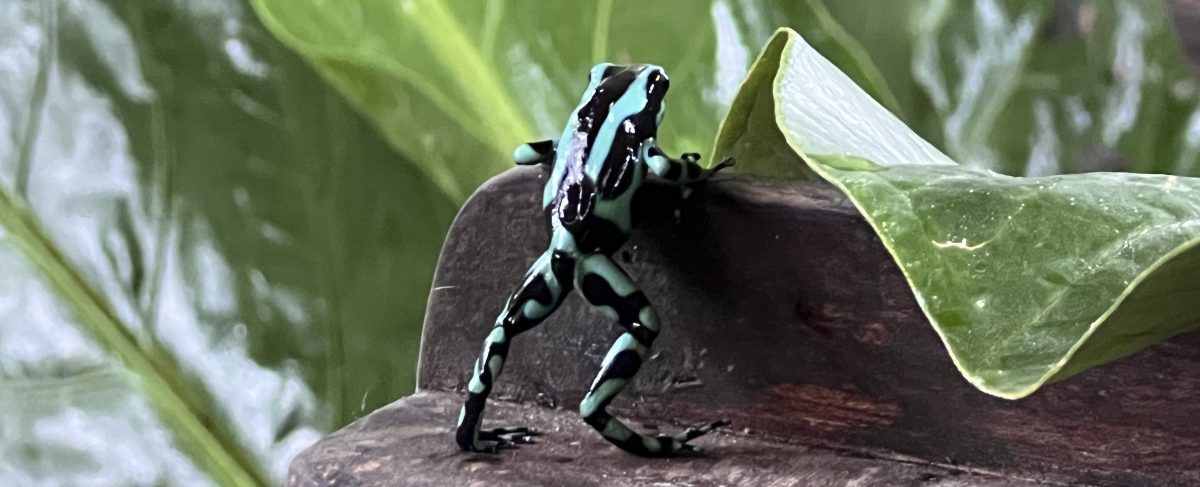
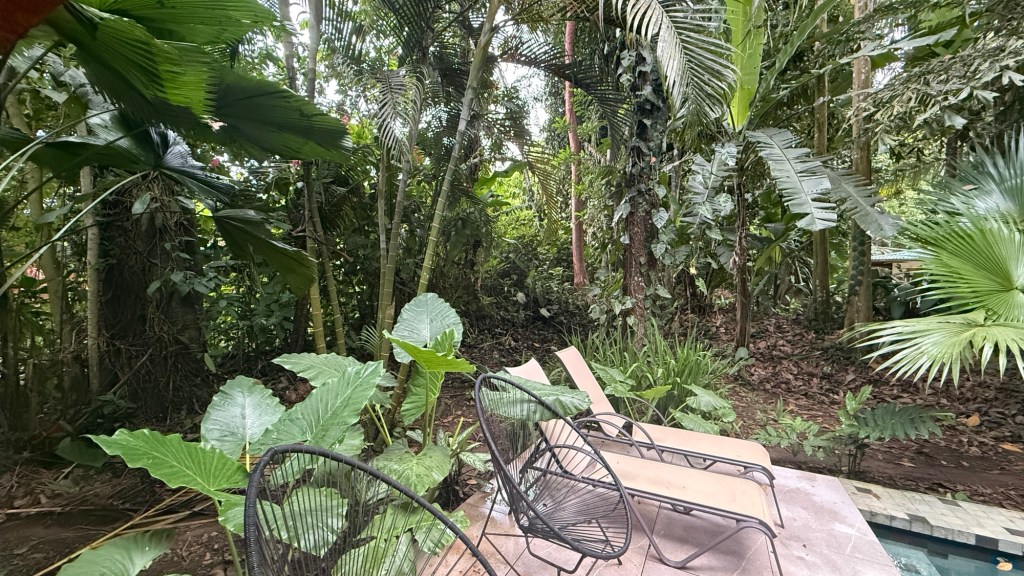
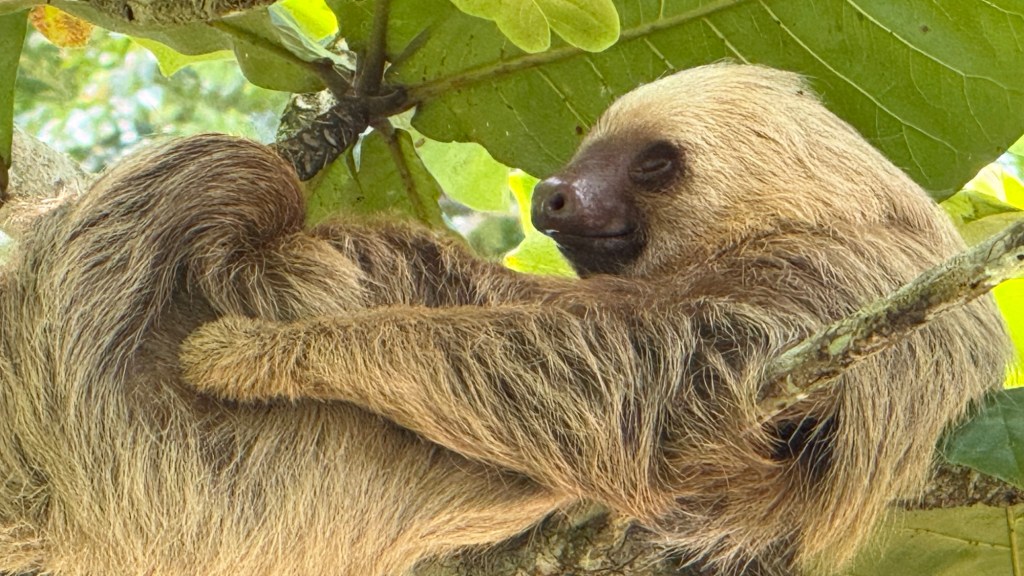
Over the last few days, we’ve been exploring Costa Rica’s southern Caribbean coastline. We kayaked along a swollen mangrove river teeming with life, drifting quietly beneath overhanging branches while birds called from the canopy above. After nearly a year of living here, we’ve begun to notice the things most tourists miss. We’ve trekked through rainforests, wandered coastal jungles, and learned that sometimes the greatest lessons come from simply sitting still. Even our own backyard has become a classroom, revealing new creatures and rhythms of life we once overlooked.
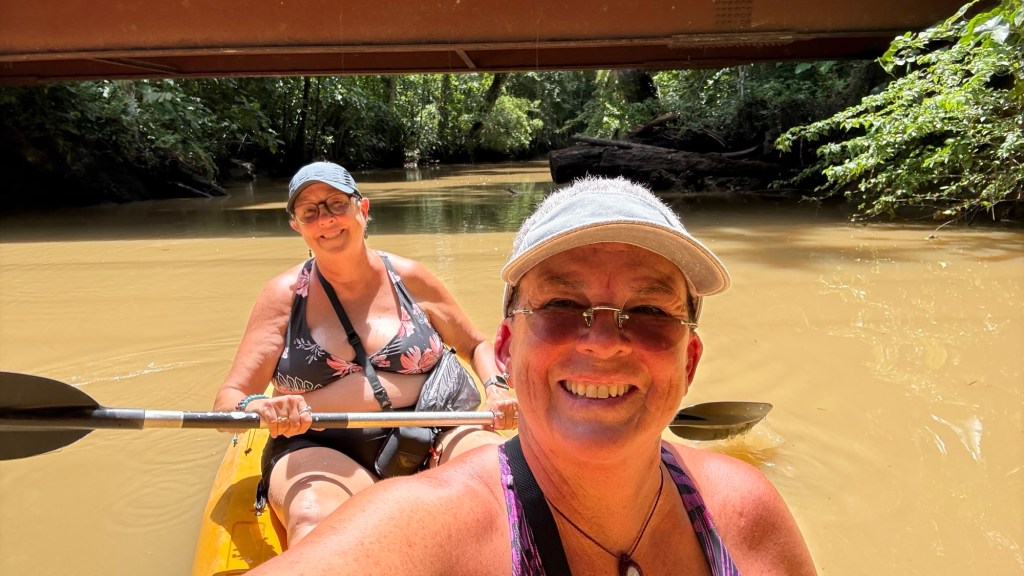
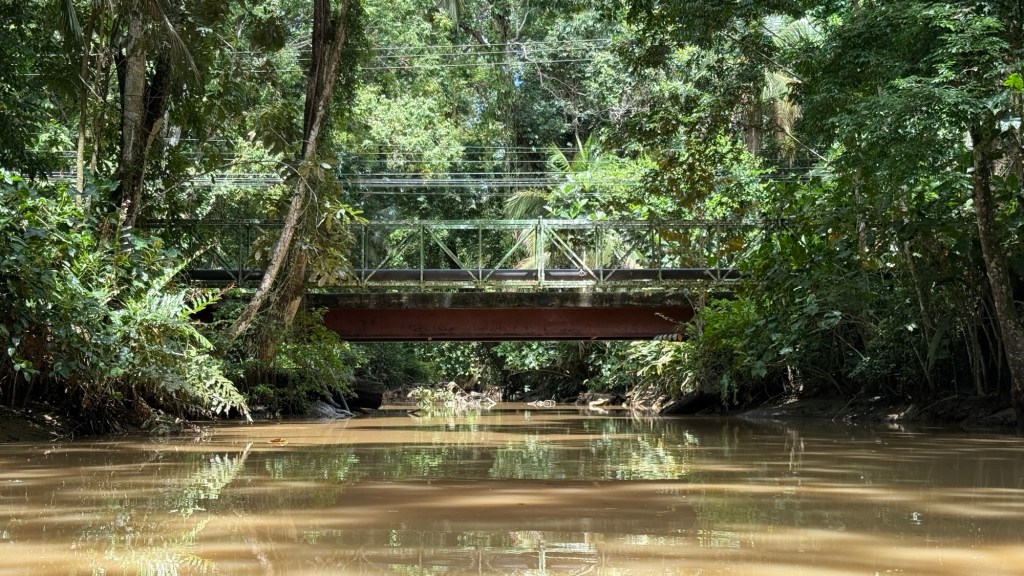
Our first night in the condo brought a torrential downpour so intense it sounded as though we had been transported beneath a roaring waterfall. Lying in bed, we were convinced we’d wake to find the first floor submerged beneath muddy floodwaters. But Costa Rica has a remarkable way of absorbing what the sky delivers. By dawn, the water had vanished, as if the earth itself had quietly sorted everything out while we slept.
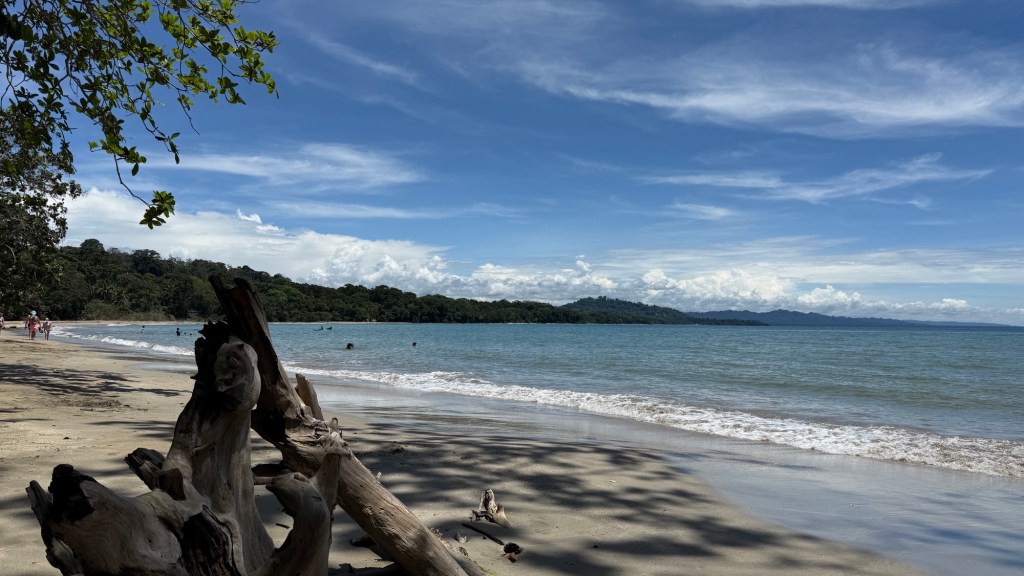
We’ve spent our days bobbing in the Caribbean Sea. The waves here are gentle, lazily lapping against the shore. The water is warm and welcoming, inviting you to linger a little longer. The beaches themselves are often just a narrow ribbon of sand pressed between the sea and the jungle, which tumbles right to the water’s edge. The guttural chorus of howler monkeys echoes through the trees while macaws and other tropical birds flash overhead in bursts of color and sound.
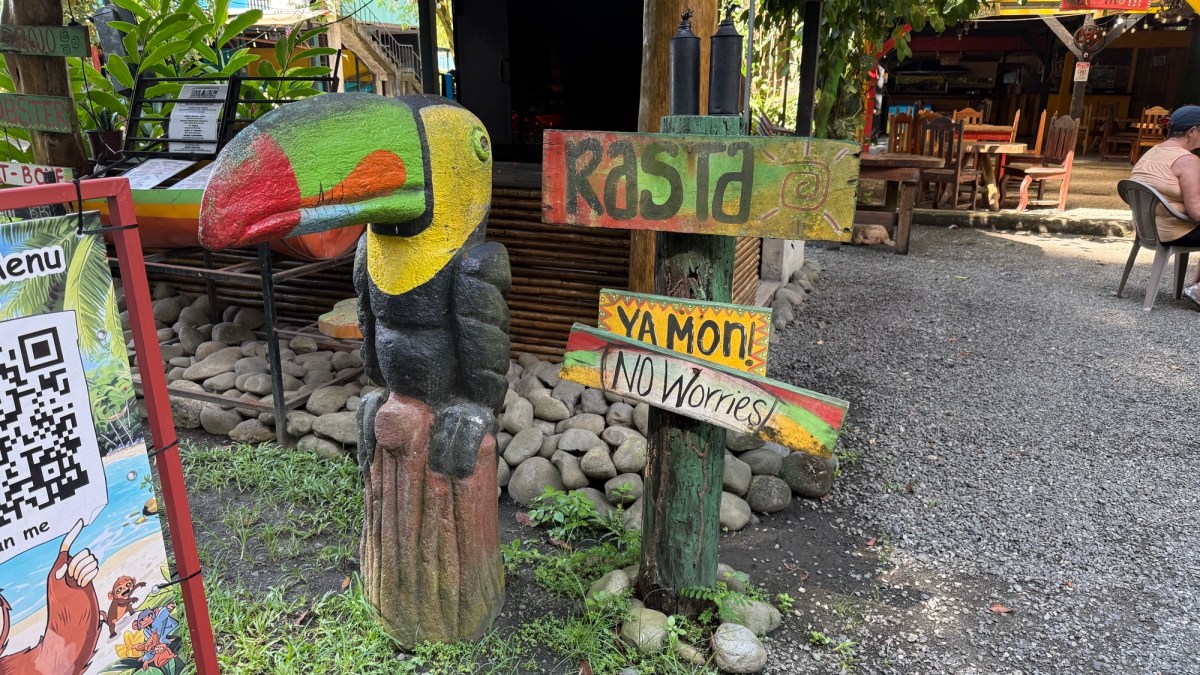
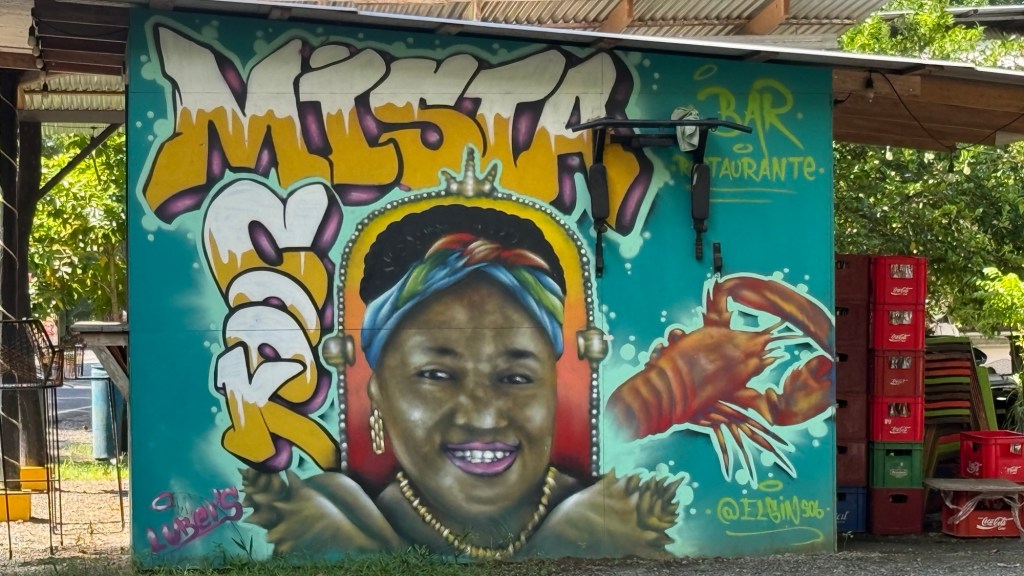
The Caribbean side of Costa Rica moves to a different rhythm. Influenced by Jamaican and Afro-Caribbean culture, the atmosphere here feels distinct from the rest of the country. Many homes are simple, single-story cement structures with glassless windows, loosely fitting doors, and corrugated tin roofs that magnify the seasonal rains. During a proper rainstorm, conversation becomes nearly impossible. You simply sit in companionable silence while the rain does all the talking.
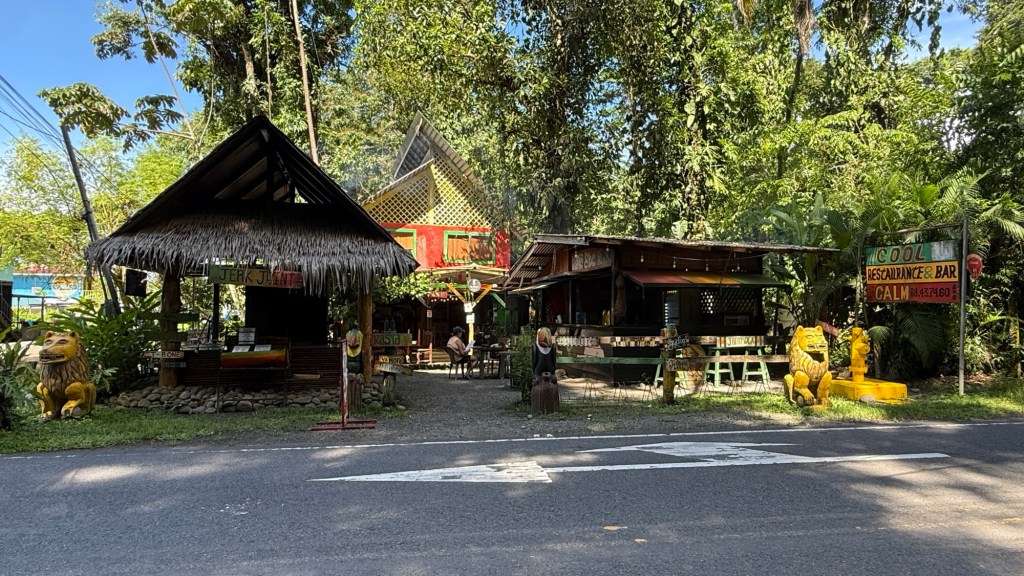
The people, too, embody a different kind of ease. They are warm, kind, and wonderfully laid-back. Here, pura vida takes on an even deeper meaning. It’s a greeting, a farewell, an expression of gratitude, and a wish for someone to enjoy the moment. Spoken with fervor and accompanied by a genuine smile, it feels less like a phrase and more like a way of being.
Today, a few friends are making the drive to join us, and tomorrow, a couple more will arrive. As I sit here listening to the morning awaken around me, I can’t help but think what a perfect place this is to gather—with good friends, warm seas, and the untamed beauty of Costa Rica’s Caribbean coast all around us.

