A fast paced life? Not for me

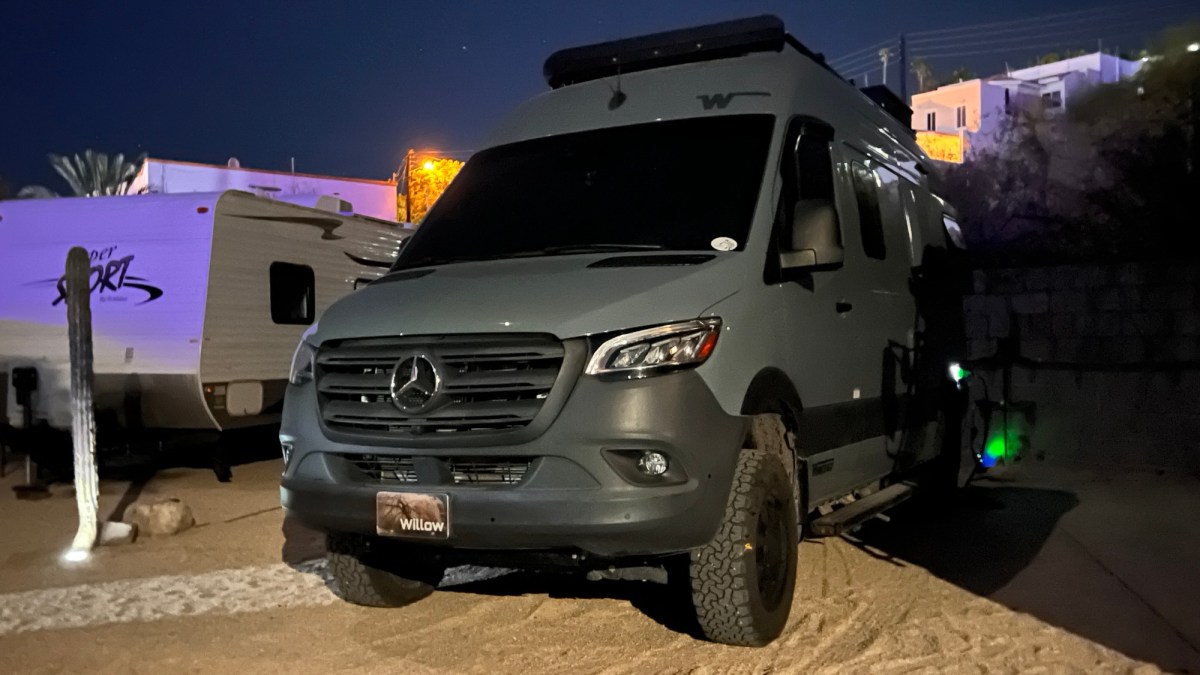
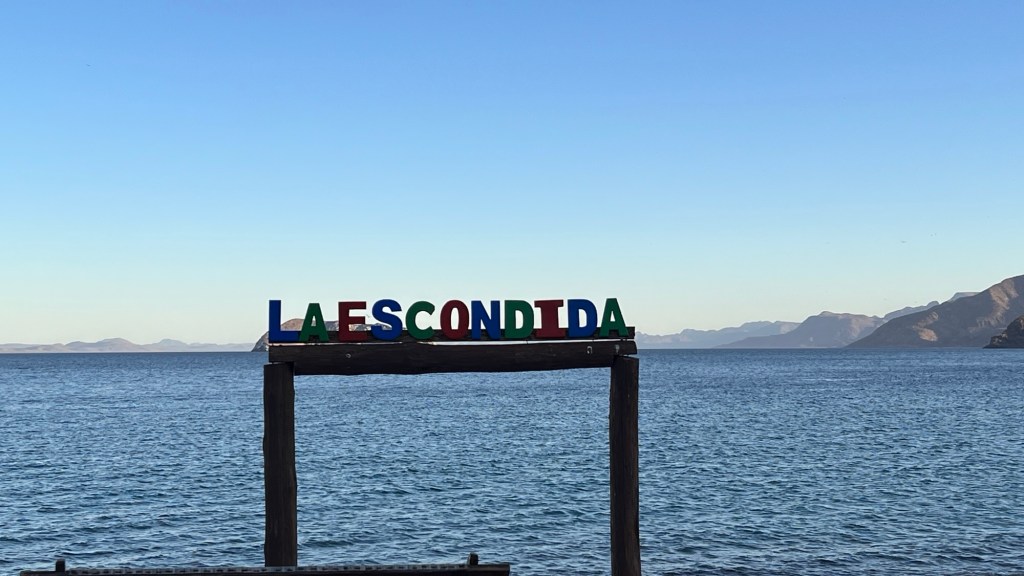
In the last 75 days, we’ve traveled the entire length of Baja Mexico exploring both the Pacific Coast and the East side of the Sea of Cortez to the South and East of Cabo San Lucas by Van. We also flew to the Yucatan Peninsula   to visit Tulum and the far southeast of mainland Mexico to explore Oaxaca. That’s almost 3500 miles. Every mile has been worth it. The culture, the people, the sights, sounds, art, architecture, history and food, all have played an integral part in the experience. A lifetime of memories packed into a measured amount of time. Amazing comes to mind. 

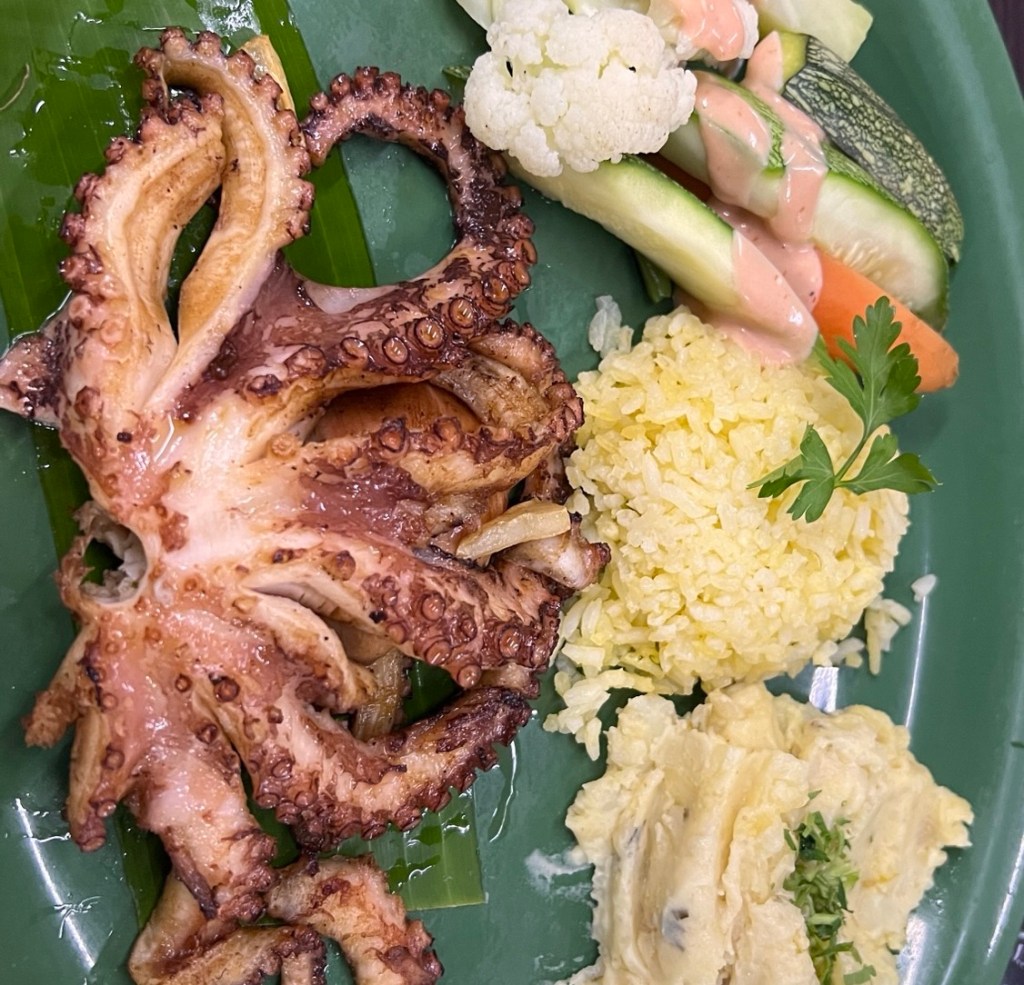
We have tasted new flavors, textures and savored the aroma of the local foods. Fresh, full of flavors I don’t think I’ve ever tasted before. A cacophony of zings and sweetness, fiery hot and creamy smooth, crunchy, chewy, stringy and saucy. I’ve tried things I couldn’t quite identify and the translation from the menu, just made you laugh. We’ve aimed our phones at so many menus, attempting to decipher the dishes. Often times the pictures spoke volumes, although the color has often times faded from the strong Mexican sun. Just sit back…giggle and breathe…it’s all part of the adventure. 

Walking around as much as we do in these cities, is also an experience. First rule, never step on a manhole cover or other covers in the sidewalk or the telephone and fiber cable boxes, water meter boxes and water tank fill boxes. Often these boxes no longer have intact lids, making for some perilous walking. Why should the sidewalks be any different than the roads? Crosswalks…well no, not really, more of a suggestion as are the 4 way stop signs on every block. It’s like a read my mind game. Which drivers are gonna stop and is it safe to cross? It’s kinda a cat and mouse game, no maybe more like chicken. The drivers are usually kind and if not in a hurry, will wave you on or flash the lights. As this happens the entire street full of cars at the intersection, blow off the stop signs and continue in a stream of metal, until…a driver inches his way out enough to stop the flow and take his turn. Impatient horns are a thing here too. Not the lay on the horn of the American culture, there is no road rage, just an impatient honk honk and a friendly acknowledgment from the other driver. 

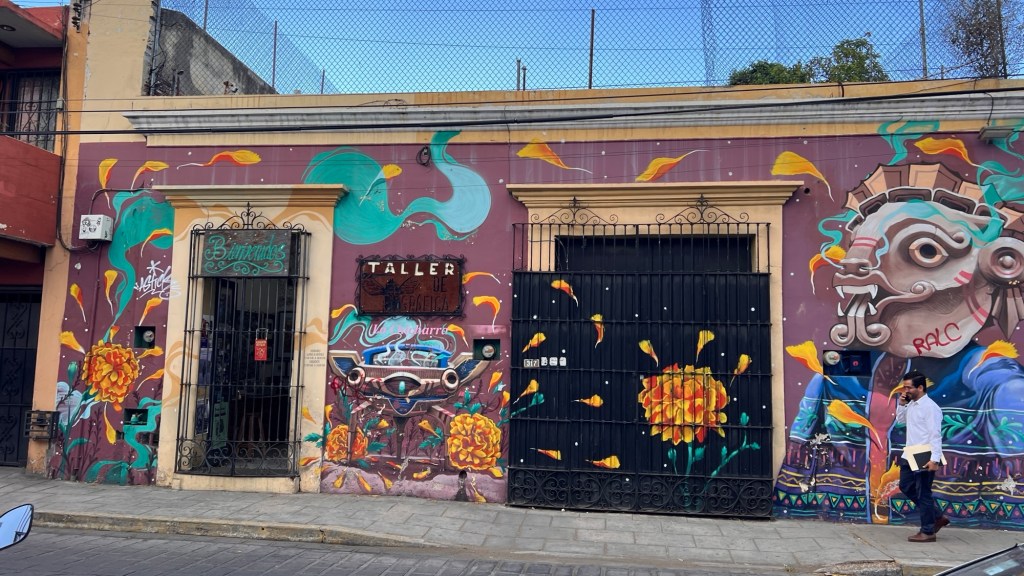
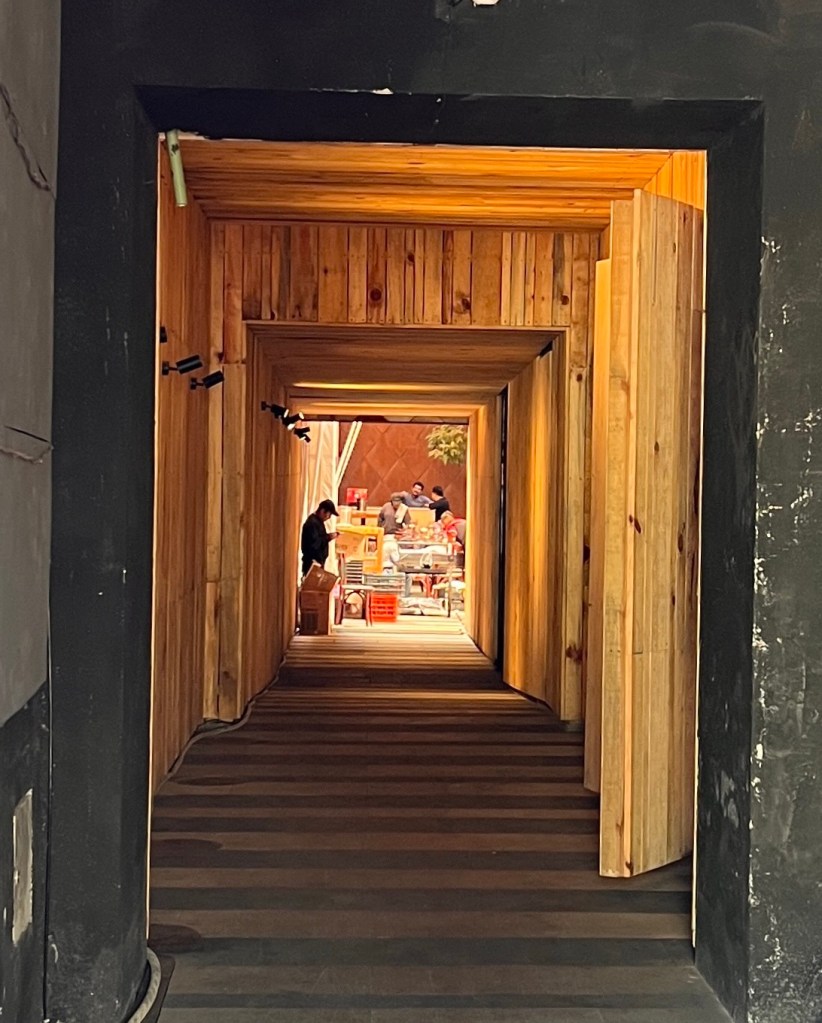
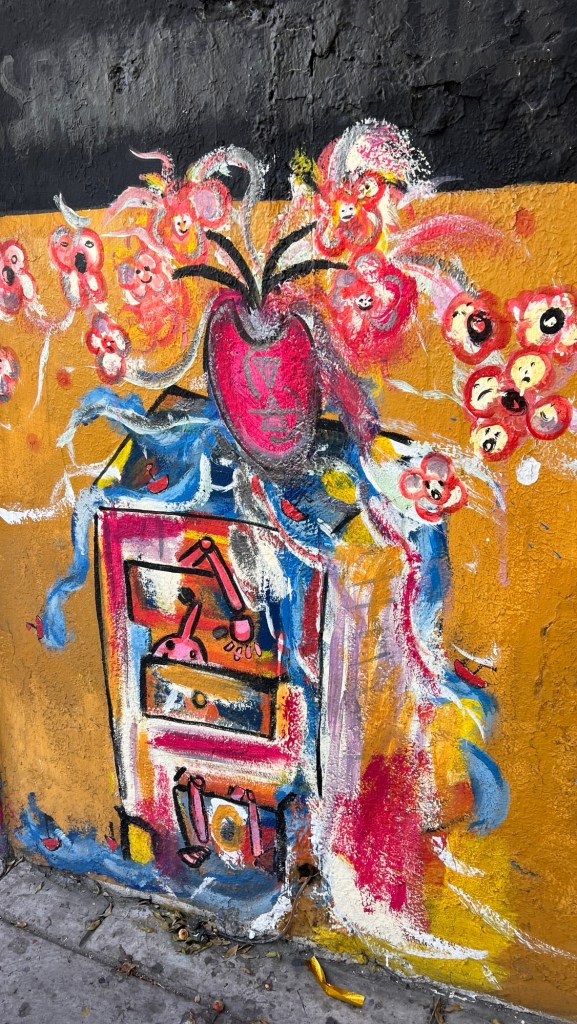
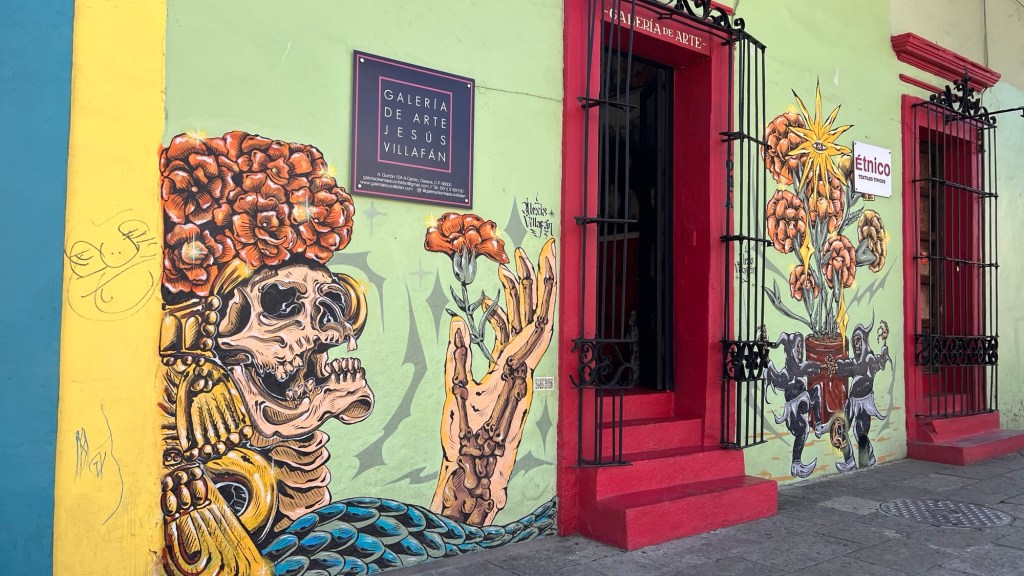
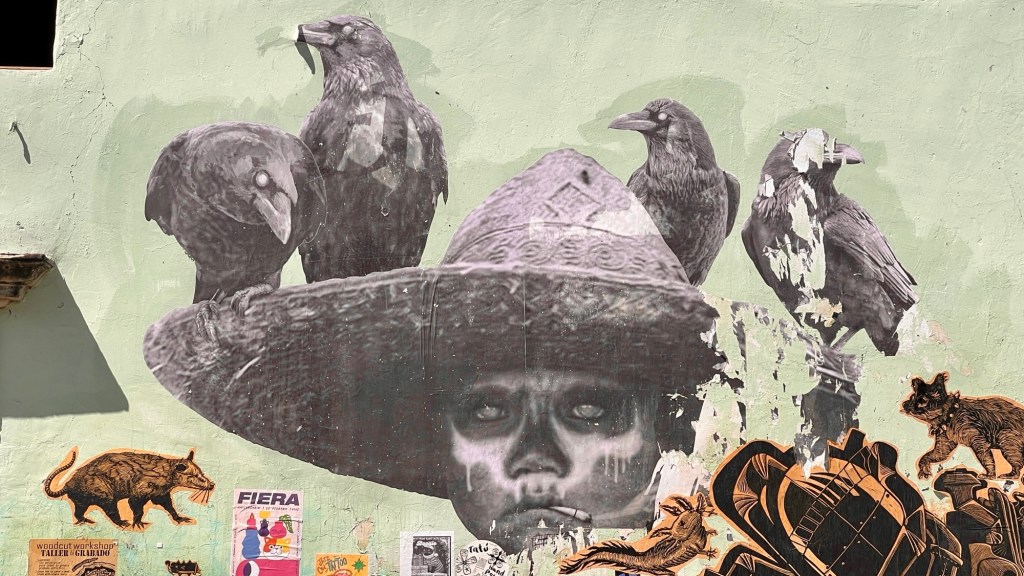
One could liken walking around in these small Mexican towns to Christmas. Behind every wall is a prize. Brightly colored rooms lit in soft lighting, families gathered around tables sharing a meal, artisan shops and galleries all hide behind these walls. Everyone surrounds their homes with tall walls, often imbedded broken glass or spikes line the tops, warding off any intruders. There are often elaborate gates and a gang of rescued street dogs warning you to not enter. The walls, as in Loreto and Oaxaca, are often embellished with creative designs, incredible artisan images of life, history, nature or cultural themes fill entire sides of buildings. Some tell stories of the hardships of life in Mexico, the kindness of the people, the industriousness of Mexico. Others are underwater worlds depicted in large murals. 

To be able to experience this and so much more requires us to slow down. To really take a look around. To watch our step and smell the air for what is on the menu. To really stop and admire the painting, carving, saying, design, posters and even the graffiti. There is no hurry, life is too short to not live it fully, here and now. We’re so lucky to have the leisure time we do and the means to travel…and the guts to step outside our comfort zone to try something new. 

Oaxaca: First Impressions

I don’t always know what it is that will catch my eye, tickle my nose with a new scent or ring out in my ears as I walk through this city. There is a rhythm to life in Oaxaca. 

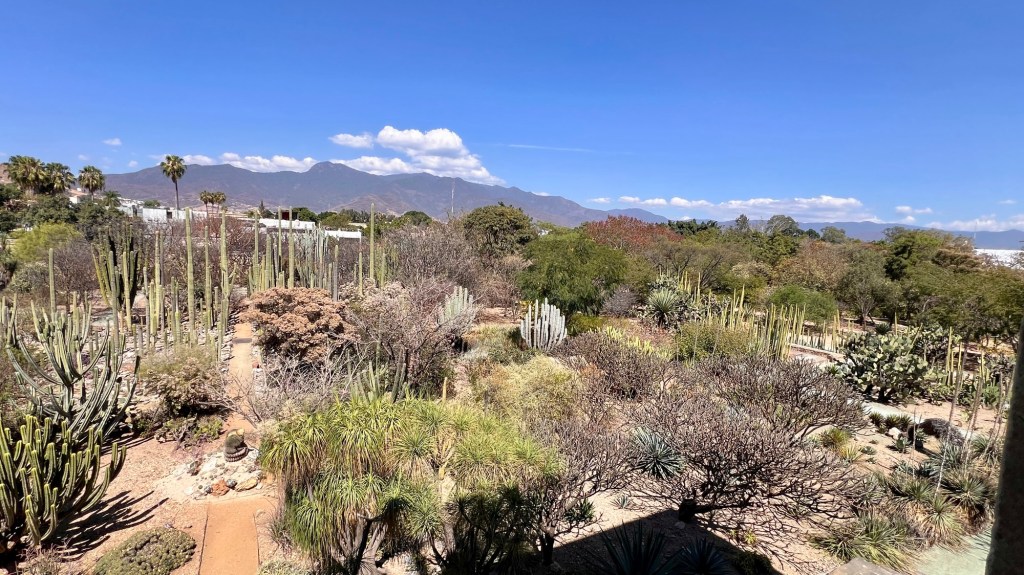
The air is fresh here, with the exception of the occasional stopped traffic and the fumes from the vehicles. The sky is a deep azure intensified by the altitude of just over 5,000 feet or about 1,500 meters. The city is surrounded by mountains that can only be viewed from a rooftop terrace as found in almost every building. The foliage is a tossup between tropical and desert yet the air feels hot and dry with the sun’s intensity making it feel even hotter. 

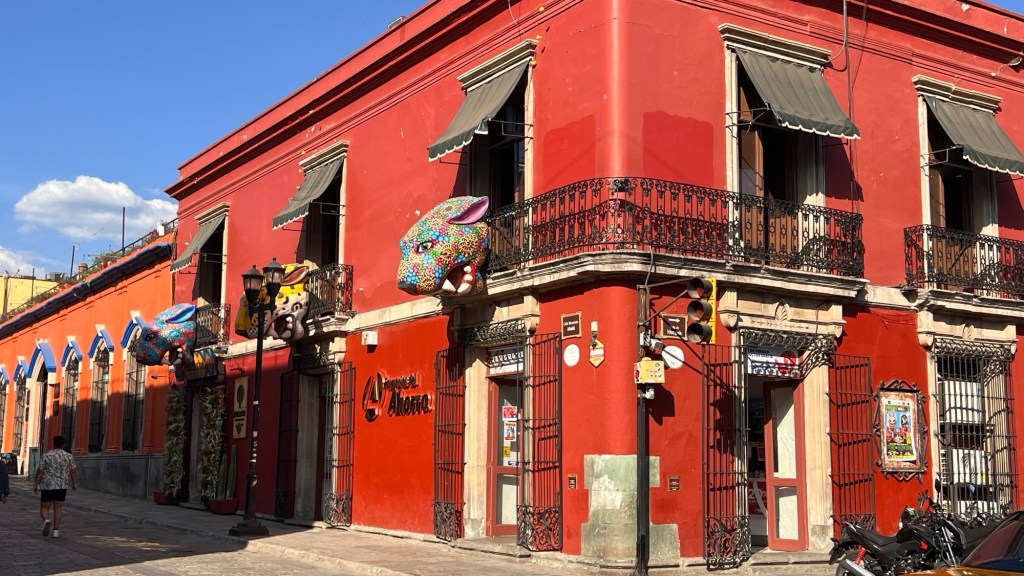
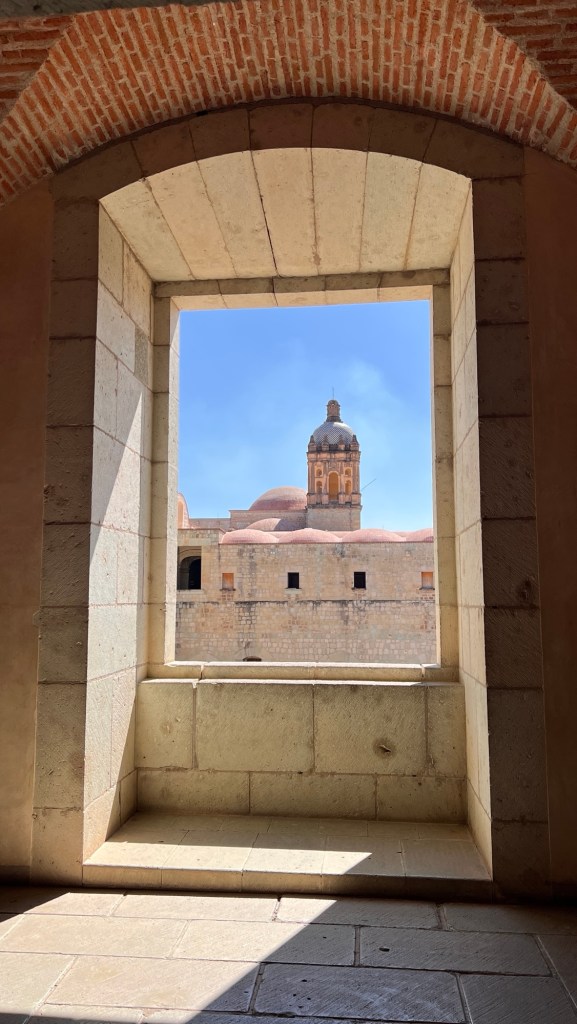
The rows and rows of solid walls with a doorway leading into the very heart of the building. The courtyard. Most of the city is Spanish colonial. With often times three generations living in one home, the configuration of these lovely, colorful buildings makes total sense. Each interior is different with only one common theme, the courtyard with rooms off to kitchens, bathrooms, offices, indoor gathering areas, and a rooftop terrace. The special touches added by generational influences, cultural appreciation, artisanal likes and tastes. Colors vary greatly but tend to lean more tropical, bright oranges, blues, yellow and greens. There are often bars on the windows to the outside which after a fashion becomes part of the architecture and less about crime. 

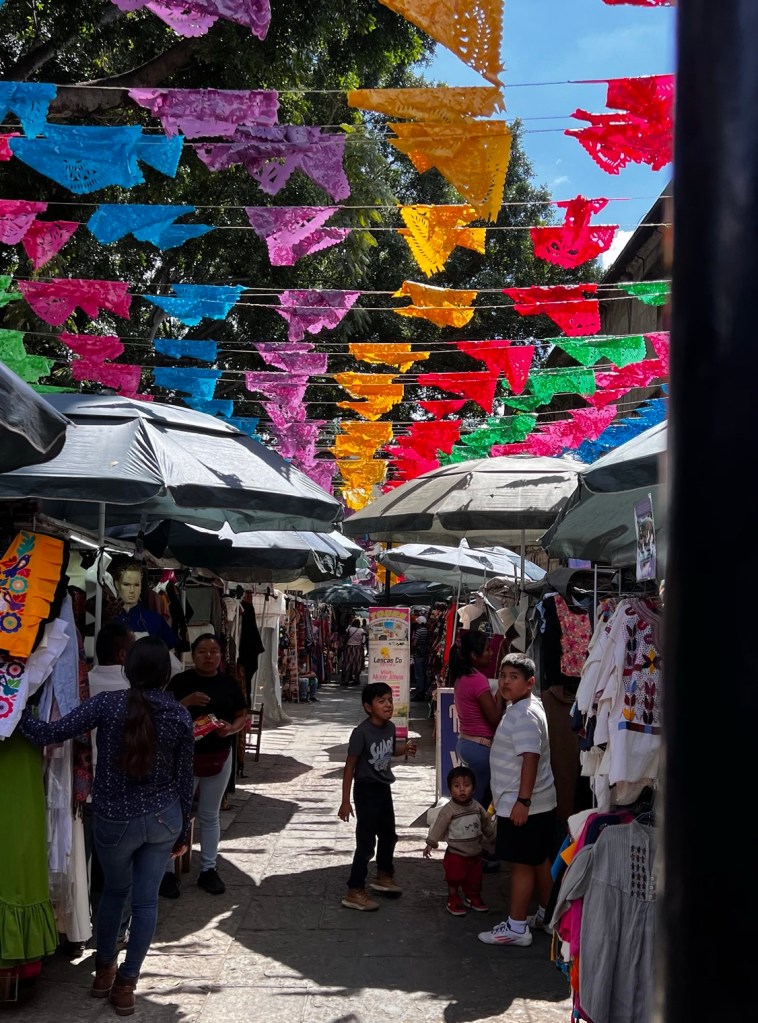
The streets are clean and tidy and mostly made of blocks of rock or cement, each hand laid and leveled. The pride of the people shines through in most all areas, though there is a free “artistic” expression found on most every wall. Someone’s personal stamp on the world, be it graffiti or actual pictorial design. Each says something about the trials, tribulations and triumphs of life here. To say “hey I’m here.” To convey a thought, political statement or just to advertise. 

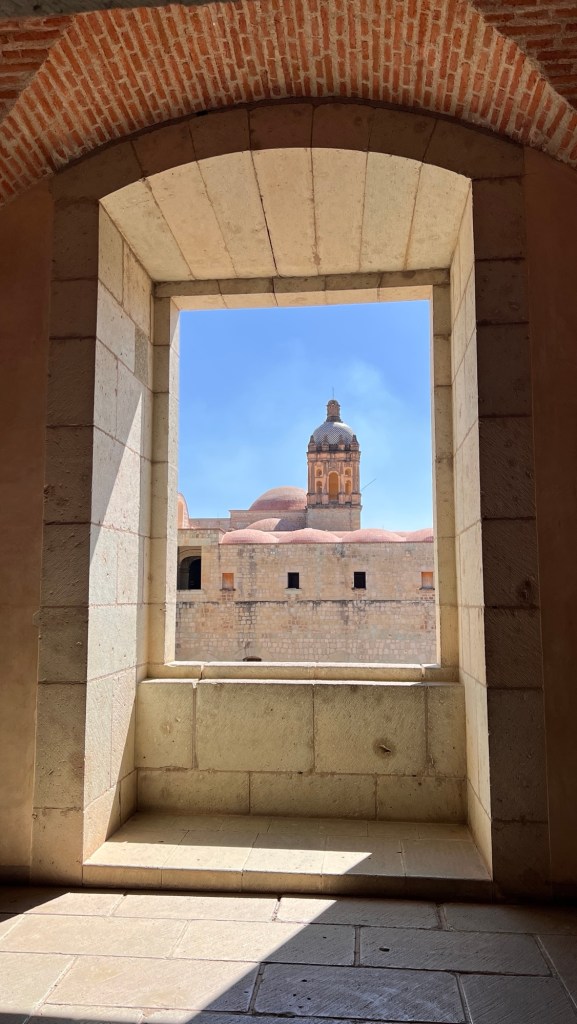
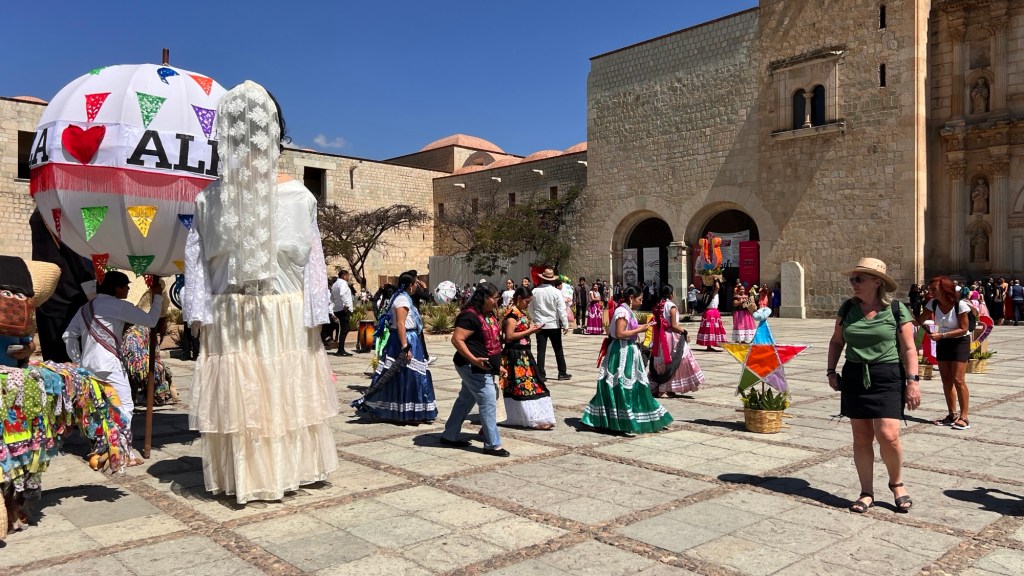
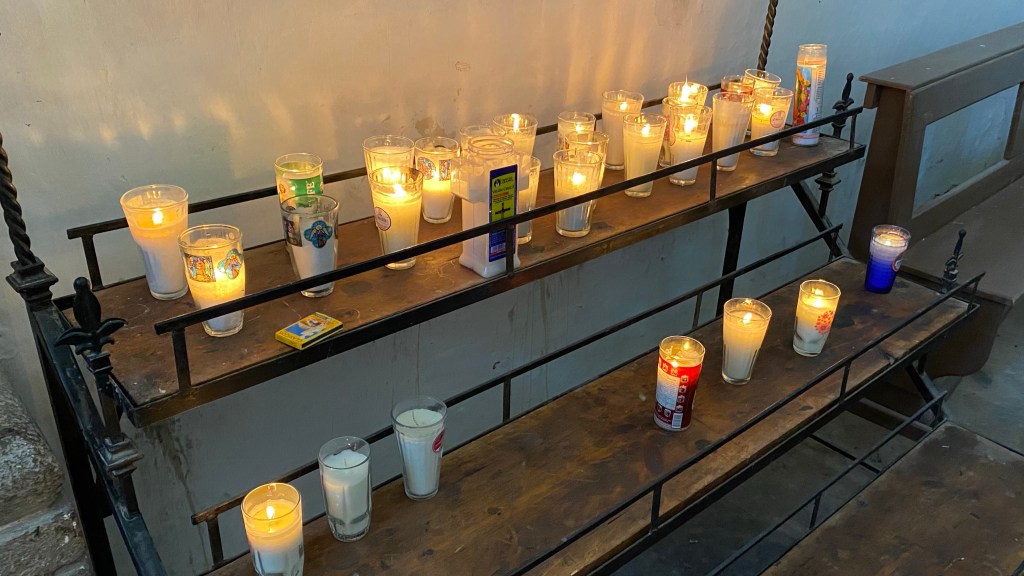
The Catholic Church is the center of each small neighborhood. There are over 25 churches and 125 parishes in Oaxaca Centro, the main being Templo de Santo Domingo. Every Saturday, weddings are performed at this enormous church. A precision sets up outside the church, consisting of papermache edifices of the bride and groom that twirl and sway while a marching band plays. Women and men in typical Mixtec and Zapotec costume of bright colors with embroidery depicting the cultural symbolism of their heritage. It is quite the fan fare and each wedding is held on the hour and the revelry commences as the newly weds exit the church. 

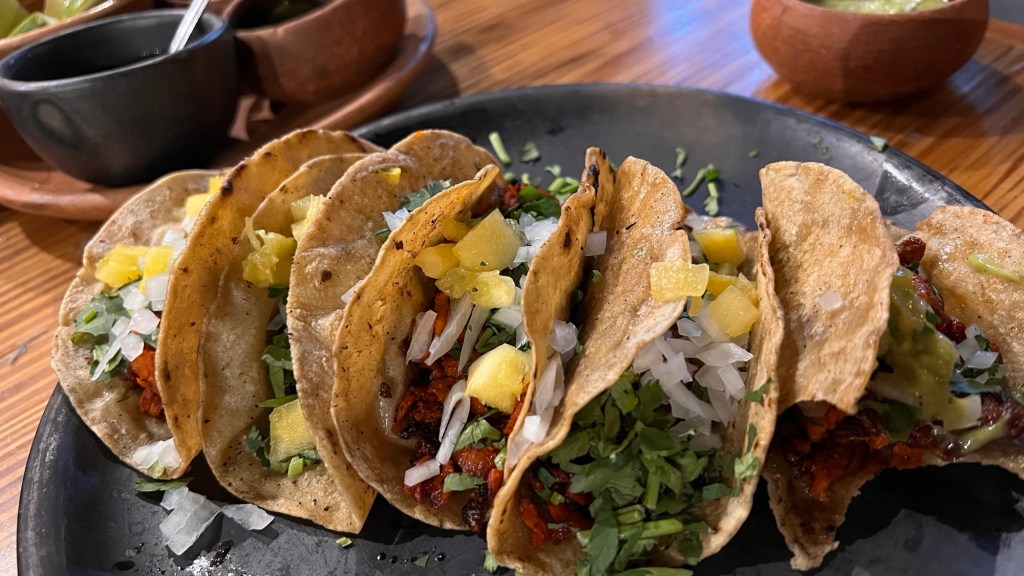
The food here is amazing. It is freshly made to order, be it a restaurant or street vendor. The smells waft on the breezes through the walled streets, making one’s mouth salivate. The ingredients are not always known to us but we are adventurous and step out of our comfort zone to try new things. Oaxaca is best known for two culinary items…Mole and Mezcal. There are so many variations of Mezcal that can be found in the place of whiskey or regular tequila in many drinks. Each Mole is also crafted by hand in an arduous process and it seems the variety of Moles are endless.

We’ve only begun to scratch the surface and we’ve got another week to experience Oaxaca. A foodie heaven and cultural center, with hundreds of maze like streets to explore. Best done on foot so not to miss anything hidden inside a doorway. 

Just Do It…

How do we do it? On the road for exactly 4 years and 8 months and 2 days…Life is too short to waste a moment. If you need to ask, well I’m so sorry for you. This last week/month has been a tremendous insight into so many things. Who really needs to discuss the elephant in the room?

With so many friends of ours that have moved from the US to live in other countries, it’s good to hear the insight from “boots on the ground”. Of course we’ve made a list of things we’d like to have, and those that are a must, where ever it is we decide to call home base. 

Can anyone ever really live the “perfect life”? 

We asked some and they will say that a “community” is important. We agree. We will say that temperature and climate as a whole impacts our decision greatly. Others claim the silence, cost of living, food, water, power…being off grid. Things, it seems we are conditioned to as “privileged” Americans. I think friends, location to things we like to do, access to water sports, and a small carbon footprint if possible, also are high on the list. Clean air and good health care are not something that can be denied. 

How do we proceed? Good question. Perhaps the real answer is that we will never be comfortable in any one place for too long. Perhaps a few months here and a few there. No real commitment and there in perhaps lies the real issue. Why commit? After all, we are wanderers, travelers. 

There are a few reasons to find a home base…one a place to feel grounded, your own. We have our place in TRNC, ready in Feb of 2027…but until then? Why do we feel a need to find one place? A place we “own”? A need to spend money? Some will say, if you’re comfortable in your own skin, there’s no need to find comfort from outside. Yes and no. It’s not that comfort we are looking for. 

The future is so uncertain. We will most likely agree to rent, long term, and leave when the urge comes. We are not getting any younger and eventually will need a “home”. Somewhere they don’t throw away their old people. A place to travel from. 

A place that targets health and well-being over treating dis-ease. A kind and stable government. 

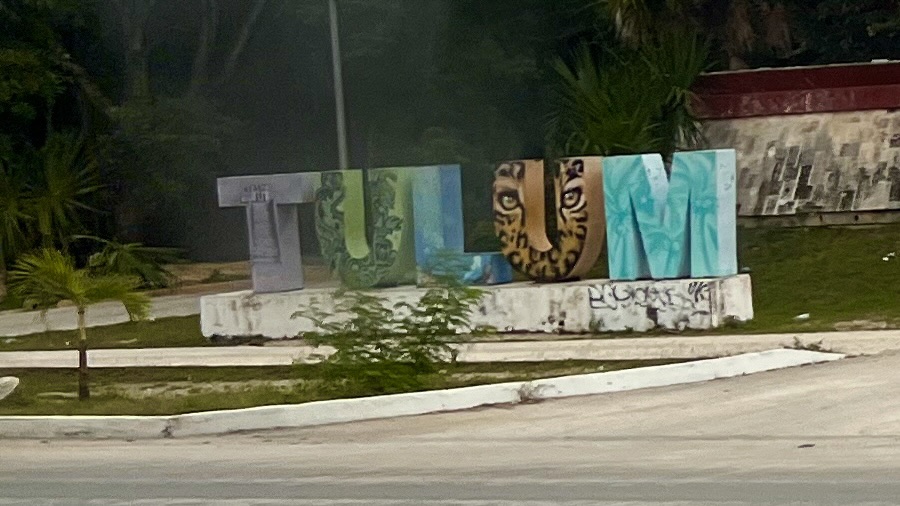
We are wrapping up a week in Tulum, where we ventured out to see if we could find a place to call home base. Once again, the homes were lovely, one we both were ready to buy. The next day we went out again to look and we stood in the jungle for about half an hour and we both began to feel ill from over heating. We took it as a sign that this is not someplace we could enjoy for long. Oh well…on to Oaxaca for 2 weeks of fun!!

The Roads of Baja

There is a strong draw, felt by a number of nomads, to explore the wild spaces rarely visited by “tourists”. One reason is the lack of transportation capable of handling the washed out, wash board dirt roads found in these areas. Another, the urge to stay in the familiar, attached to cell phones, TV and the comforts of the brick and mortar of a home. When we tell some of our journeys, they all gasp and wonder where we ever got the need to wander.

There is a pull to the desert that has enveloped Chris and I. A need for open spaces, a dry climate and room to roam freely, sometimes without seeing another soul for days. The chance meetings often turn into deep conversations and a fire side chat recounting trials and tribulations of life on the road. We share our stories, sometimes harrowing and unbelievable. Perhaps it’s a draw to face death at every turn, or perhaps the thrill of adventure and to push the envelope beyond the comfort level of the normal human. This takes us to today, four and a half years of being free and able to travel at will, one with our surroundings.

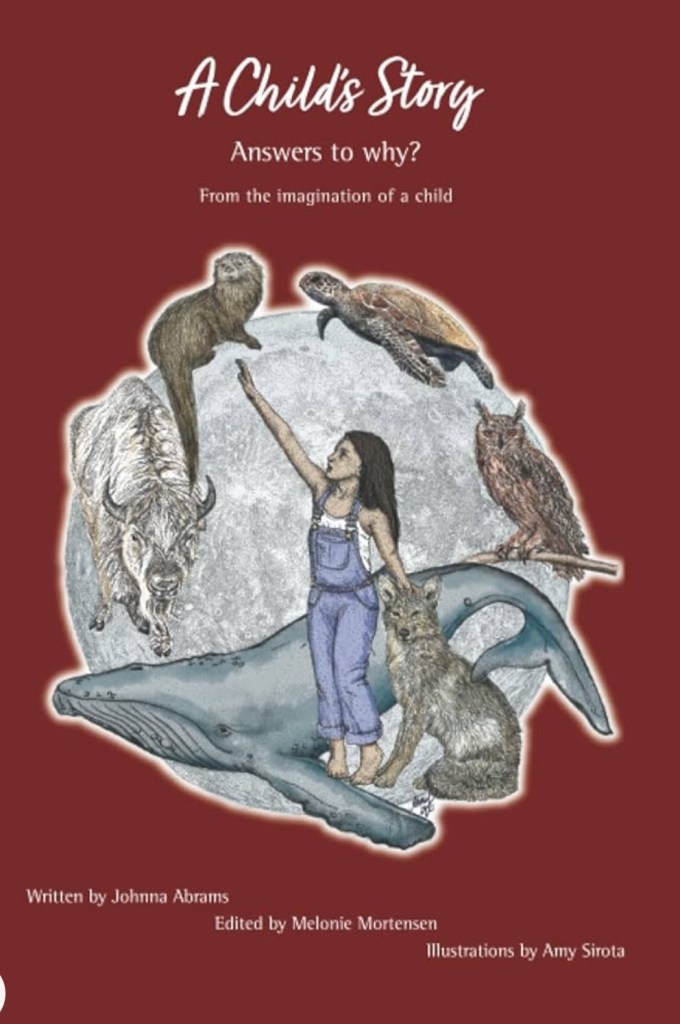
In February of 2021, we hooked up with a caravan of three, Chris and I and two other gals, and crossed the border into Baja Mexico, for the first time. There’s a call we lean towards and freely give into, that paves the way for our wander lust. Baja seemed like the great western frontier that we needed to explore and conquer. Armed with only our cell phones and a good translation app, Garmin GPS, and a competent van, we set out to explore a country unknown to us; a 1,000 mile journey full of new flora and fauna, animals and sea life. I found it so inspiring that I wrote a book while traveling through Baja for 3 months. Fast forward to January 2025 and here we are again.

https://www.amazon.com/Childs-Story-Answers-Why/dp/B09PHHCGWX?dplnkId=38cdaa69-0263-42c6-afe6-a62c7c7e4057&nodl=1

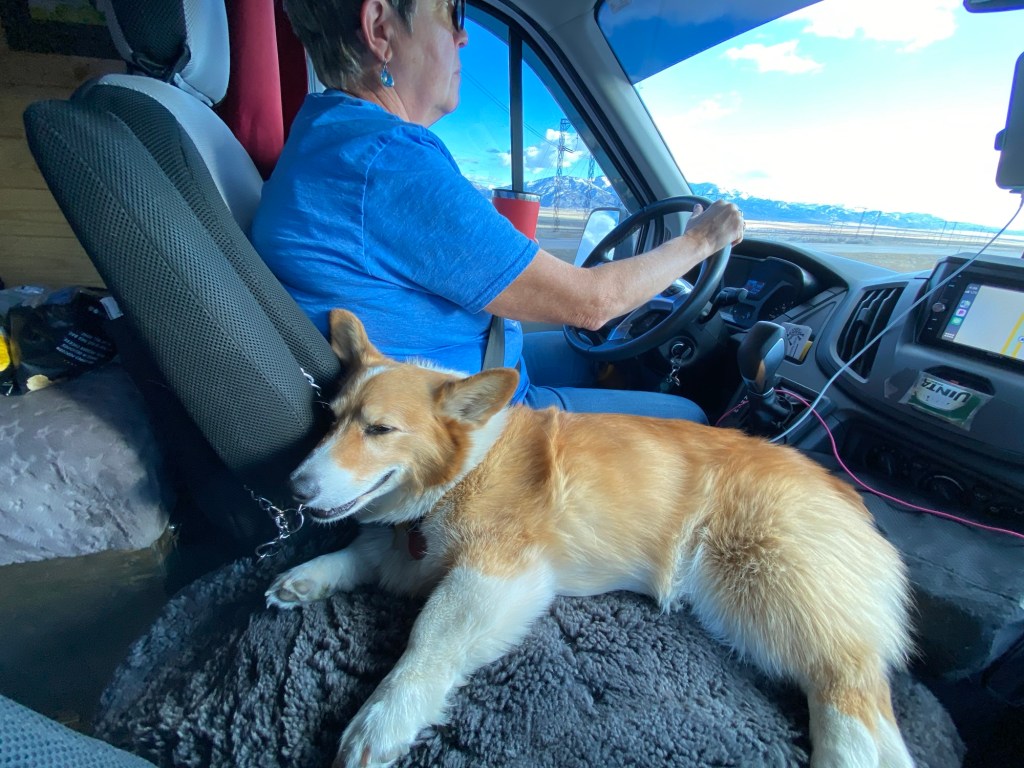
It’s been a tough 2 years emotionally. After loosing our corgi Gandaulf, we sold our first van and all the toys we had accumulated during our travels and set out to travel around the world. Seven months traveling around Europe and another four months in SE Asia, Indonesia, and Malaysia, then back to the States where we purchased another van to complete the Canada/Alaska trip we missed out on during our two and a half years living on the road.

Alaska and western Canada is another frontier of sorts. Not like the desert but just as grand and open. The roads in each very similar; pot holed and delaminated. The punishing washboard roads in dire need of repair, are enough to put any van build or truck to the test. there would be whole days of traveling 3-400 miles and never cross another vehicle. We were never sure if the paved sections of the roads were better than the dirt roads, both held their own dangers. The grandeur of the Alaskan and Yukon outbacks are hard to match, even in the deserts of the south western USA. Still, the desire to revisit Baja California, Mexico and the desert was strong.

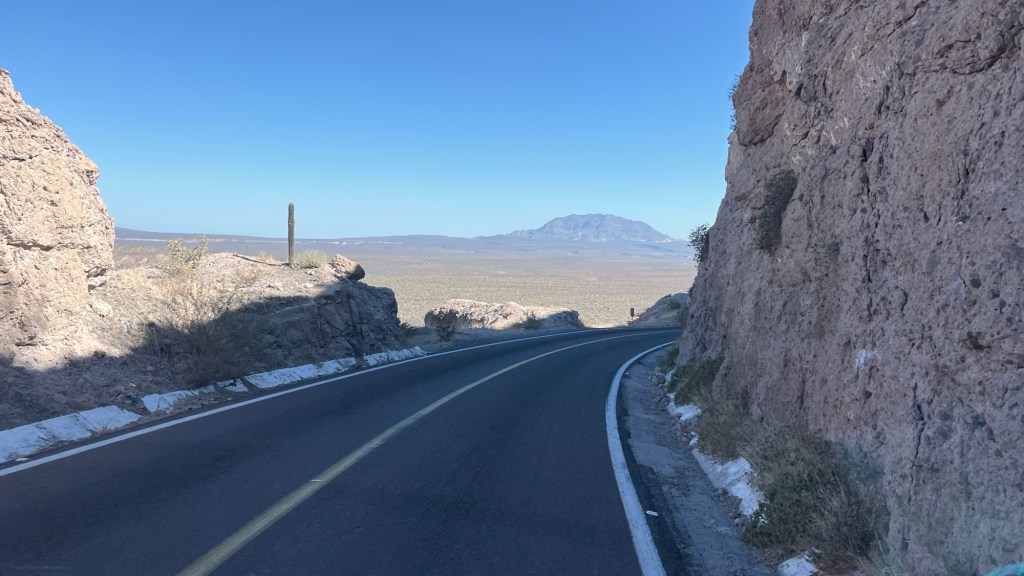
Today, January 6, 2025, I’m writing you while enjoying coffee and the warm sun of La Paz, Baja California Sur, surrounded by fellow travelers. We’ve traveled 1350km so far, with another 300km to go. The roads to this point have been narrow two lane highways, with little to no safety lane and often no shoulders. There are times when we must come to a complete stop to walk the van through deep potholes and slow to a crawl when passing trucks come barreling around blind corners. There are constant signs of accidents, both with roadside crosses and mangled guardrails, straightened out or completely ripped from the supports and trailing off into deep ravens as if pointing to the site of a wayward vehicle leaving the road and plummeting to its end. Often times, there will be stretches of road that have carcasses of dead cows, horses or the unidentifiable remains of some unfortunate animal, usually struck at night by a speedy semi, as they come to the flat roads to sleep. It’s a constant reminder that it only takes a second of misfortune to end a life.

So our nomadic wandering continues with so much more to see and experience. We may be absent but we are always present where ever we find ourselves. Living in the moment, sometimes with no set direction but forward. Always savoring the newness of each destination and rolling with whatever may come our way.

Baja Holiday

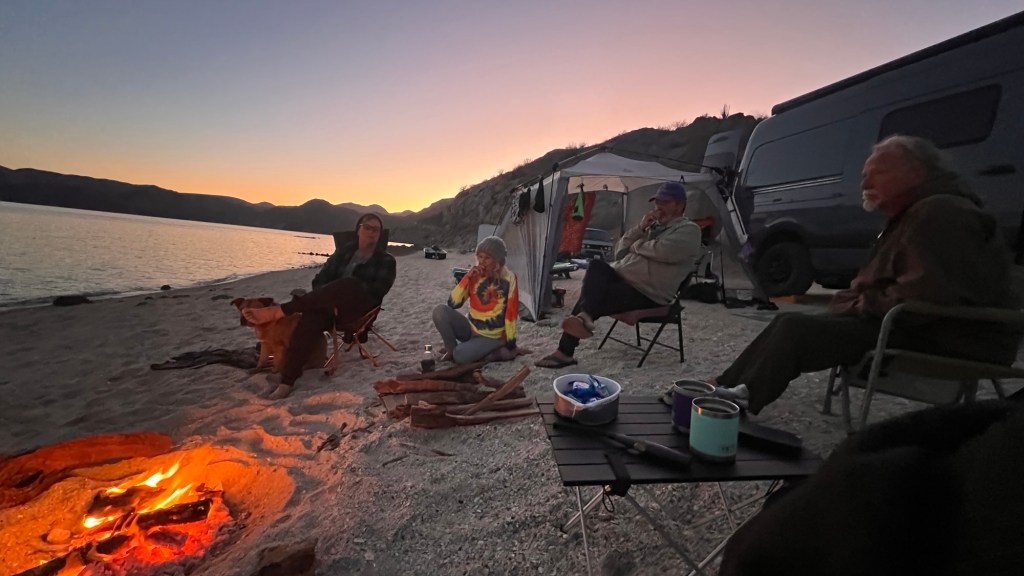
I’ve been sitting on this lovely mesquite wood since I pulled in a day before Chris could join me. I caught an awful cold which continued to infect my lungs and finally today, I feel human again. It’s been a long month. I brought out my axe and picked the wood I thought I could split and had at it. I managed to take 7 of the 10 pieces of gnarled mesquite wood and cut it down for smaller wood and kindling. Invited new friends, and had a night of  hearing the new version of campfire stories. 

We all are from different places and times, some old some a little younger. Some have physical property, land with or without a dwelling, and some have what we’ve arrived at this beach in. No matter, we are all a family unlike that you find. A community of like minded individuals, that, for whatever reason, have the need to wander. 

For some it’s a place that is not too pleasant in winter months, some who drive south into Baja as an escape from the gloom and cold winters. For Others, just an escape from some demons chasing them, known or not. For us it’s a chance to take a camping vacation on the beach, where we can stop and unload and finally sit still for more than a day. 

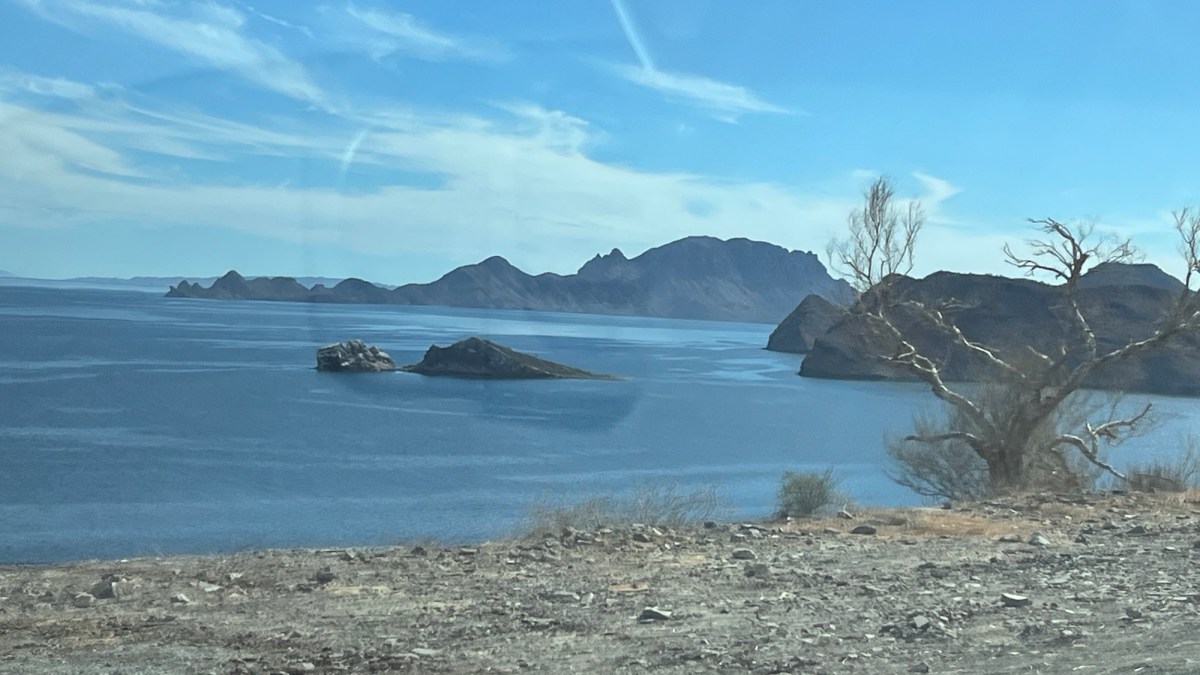
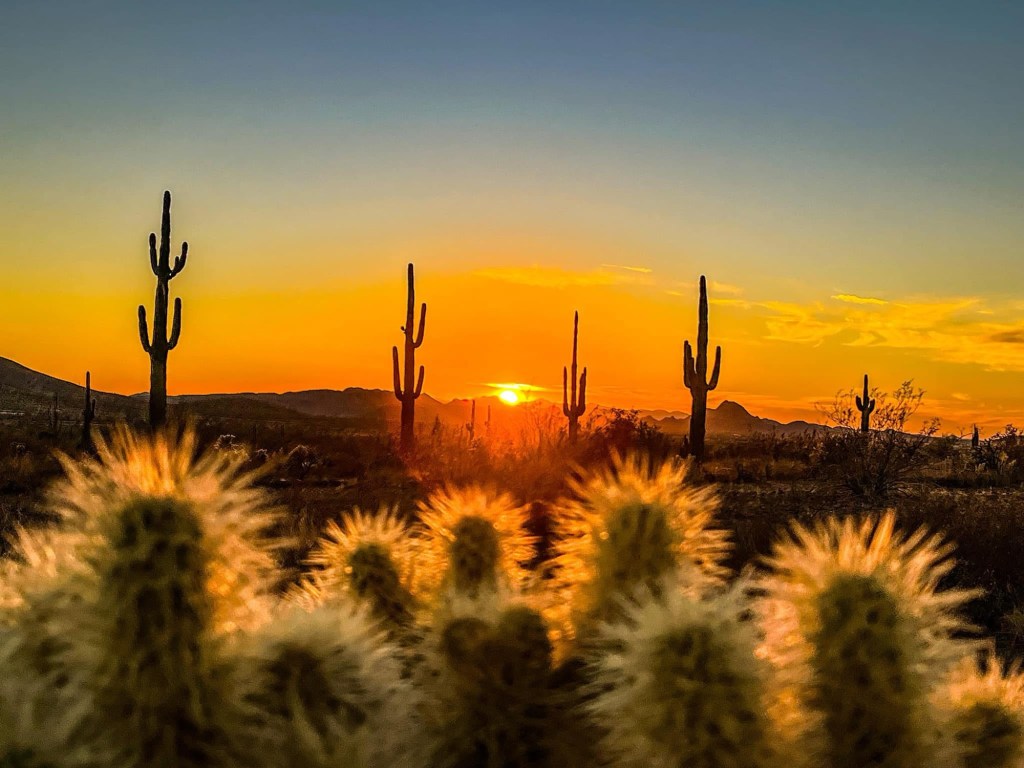
Baja Sur is like the old western movies you see. Gauchos riding amongst the cactus and mesquite, Palo Verde and Palo Blanco trees dotting gnarled rocky desert landscape. Tall pilars of crumbling hills and buttes stacked on the ground like the fins in a dragons back. Hot arid air burns the skin and in the city is often full of Mexican polkas and meriotche.

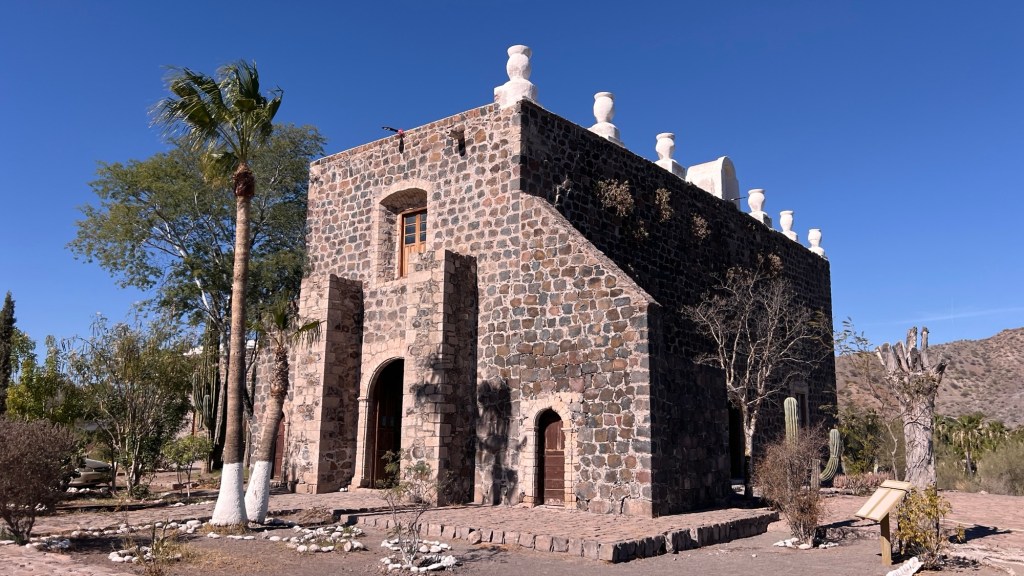
We’ve moved to Loreto, about 2 hours further down the coast, to visit our long time friends who live here now. They live in the Historic Centro of Loreto, a maze of streets that eventually lead to the main Malecon. Bahia Loreto fronts the Malecon and is often a churning white capped sea. There are many gringos mingled with the local Mexicans living in the historic district. Loreto is more like an oasis than the desert. The Centro is centered around one of the 3 missions in this area. A mix of shops and cafes line the Centro. Coffee shops and artists round out the collection. Arched trees provide shade and beauty.

Time to stop and live outside the van for a week or so. 

Sun Glitter…a day at the beach

Well, we’ve made it down into Baja California Sur, Mexico. The journey down took the best part of a week. There are numerous military check points along the way, mostly just curious federales except coming into San Ignacio, those guys are jerks.

The driving was a bit hairy after we connected with the main highway Route 1. The road is plenty wide enough for our van and a semi…as long as everyone stays in their own lanes. The last trip up and over the mountains and into Santa Rosalía was the last of the dangerous stretches of windy mountain passes for a while. We were told there’s an accident almost everyday.

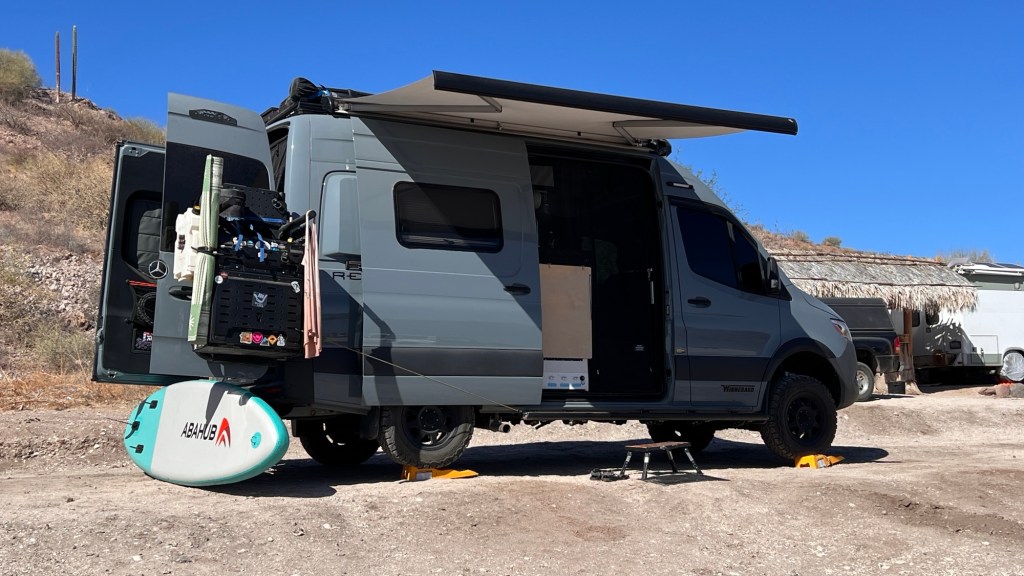
Our push to get to Mulege and Bahia Concepcion paid off in spades until Chris came down with the same cold I was battling and we opted to get a hotel room in Posada Concepcion to get some rest and take some long hot showers to try and get on top of our sickness. After a day I pushed on to the beach to set up camp, Chris stayed behind for one more day.  

View from the hotel room

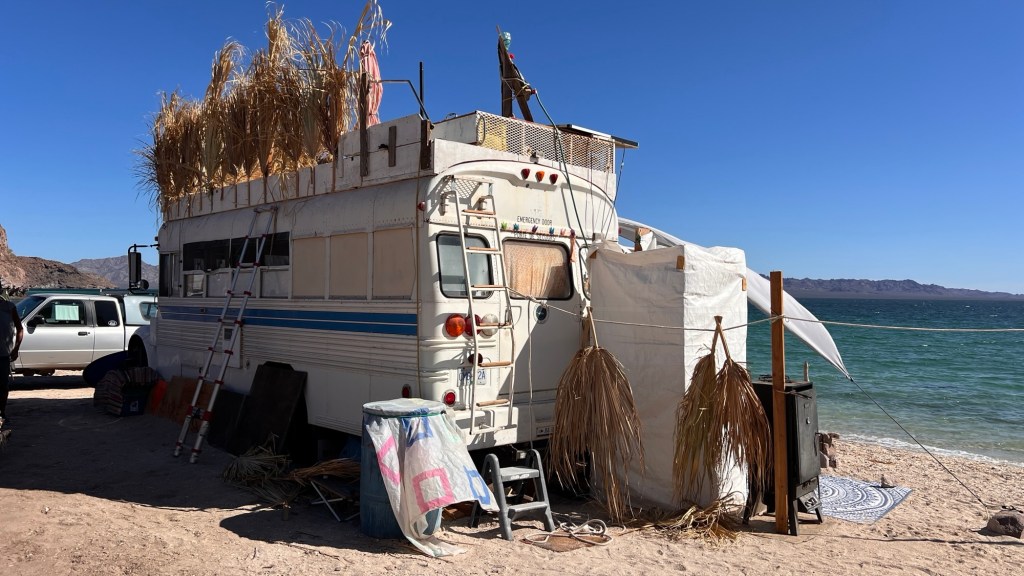
A nice camp spot was saved for me by Frank and Linda, right on the beach only 20’ from the high tide line. The beach is made up of broken shells that have been pulverized into course sand. There are starfish, pelicans, seagulls and turns, dolphins playing in the bay and dozens of paddle boards and kayaks skimming the water as far as one can see. The gentle lapping of the water along the beach lulls me into a trancelike state until the seagulls cry snaps me back. 

Our camp

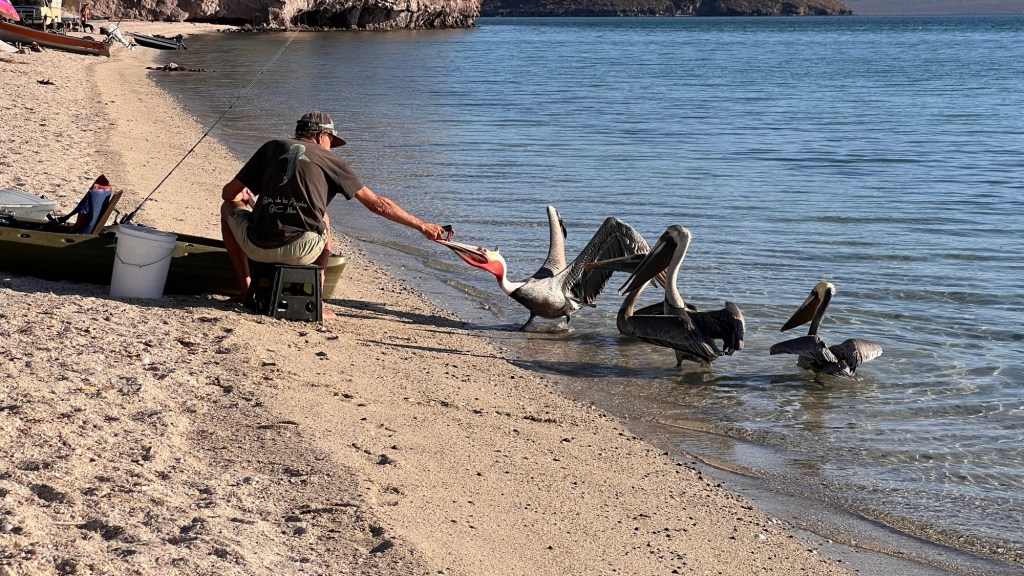
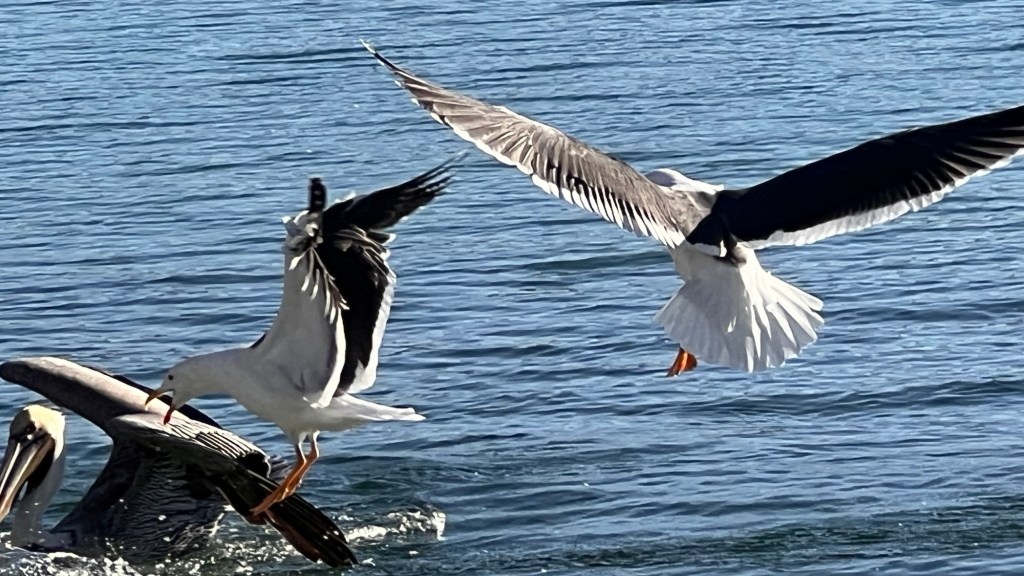
Every morning, several beach dwellers take out kayaks and fish. Upon returning, they clean and fillet the fish they caught. This daily ritual has attracted 5 large brown pelicans and 2 seagulls. The fisherman feeds the pelicans and the seagulls scream at them, sometimes pestering them enough they get a small morsel. Lazy birds. 

Everyday a gentle breeze picks up in the early afternoon, turning the glassy waters of the bay, into small wave trains that lap at the shore and make for some fun paddle boarding. There’s little trails leading up into the hills that surround the beach, a larger area with a dozen or more palapas, outhouses with smelly pit toilets, we use our own and take the cassette once every 3 days and dump it in one. 

Colorful Bay of Concepcion
Bay of Glassy water
Sun sparkles

On any sunny day, the bay turns aqua green with deep blues and turquoise. Dancing in the water are sun sparkles, glitter from the sun. If you squint your eyes those sparkles become sun drops splashing into the bay. I squint and watch these little jewels of light as they dance on the top of the water. Another day another sand dollar. 

some fun travel photos

Rapid Changes

Today I woke up to 41 degrees in the van…who knows what it is outside. With everything we need in our little capsule of steel and rubber, there’s no big rush to go outside and find out. 

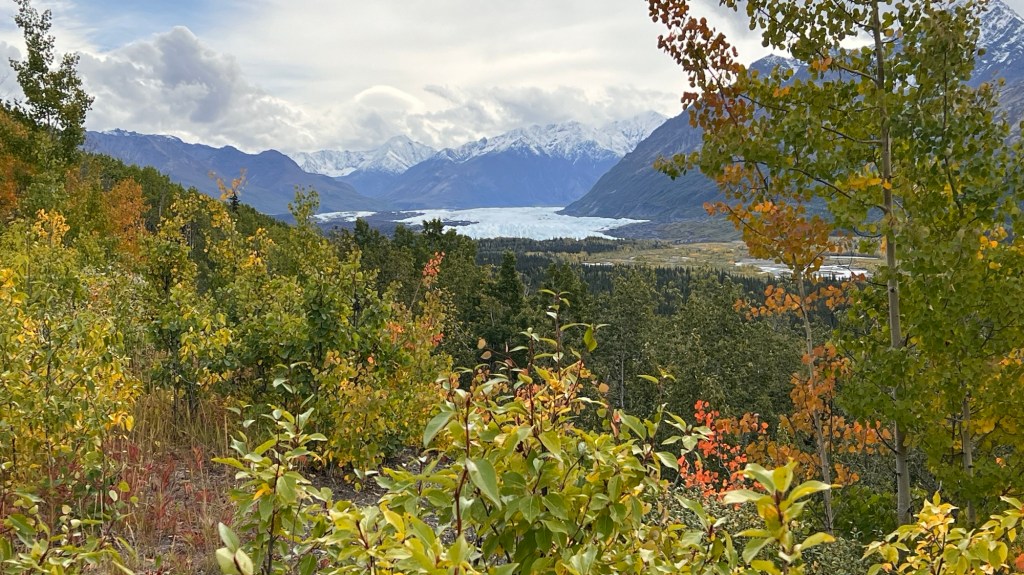
The sun is making its way into the sky, creeping slowly from behind the snow capped peeks, but has yet to shine on the opposing peeks across the river valley. 

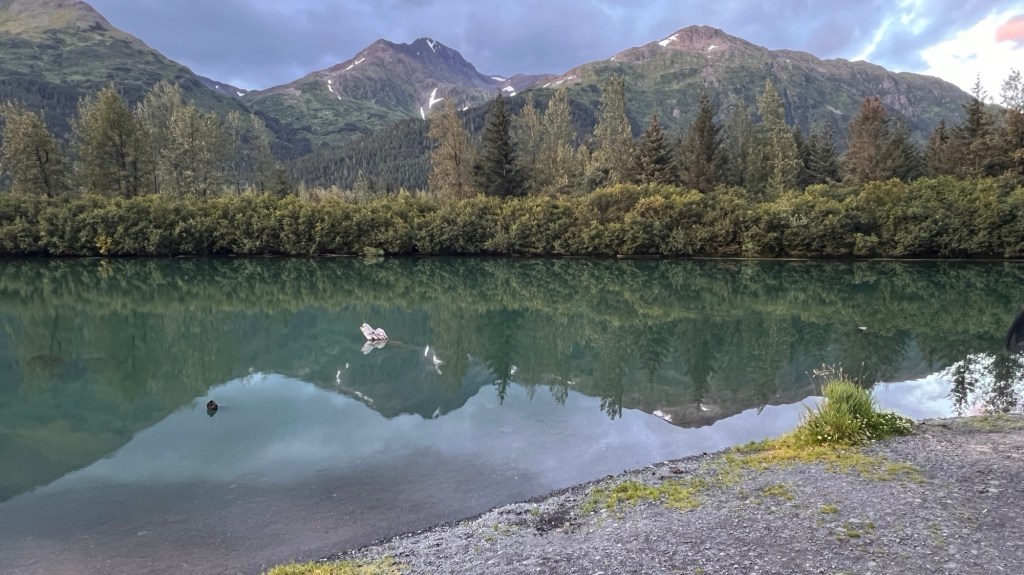
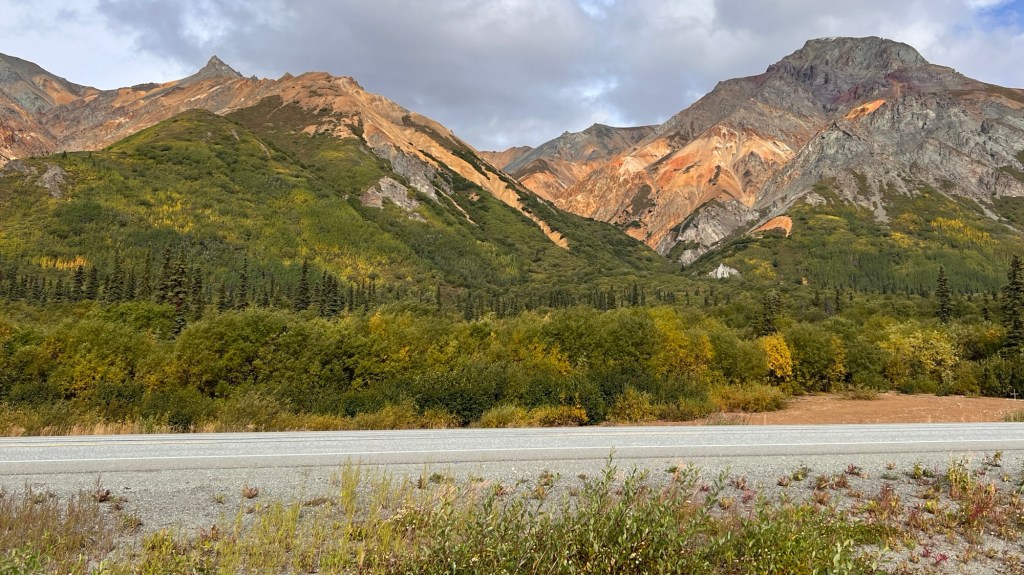
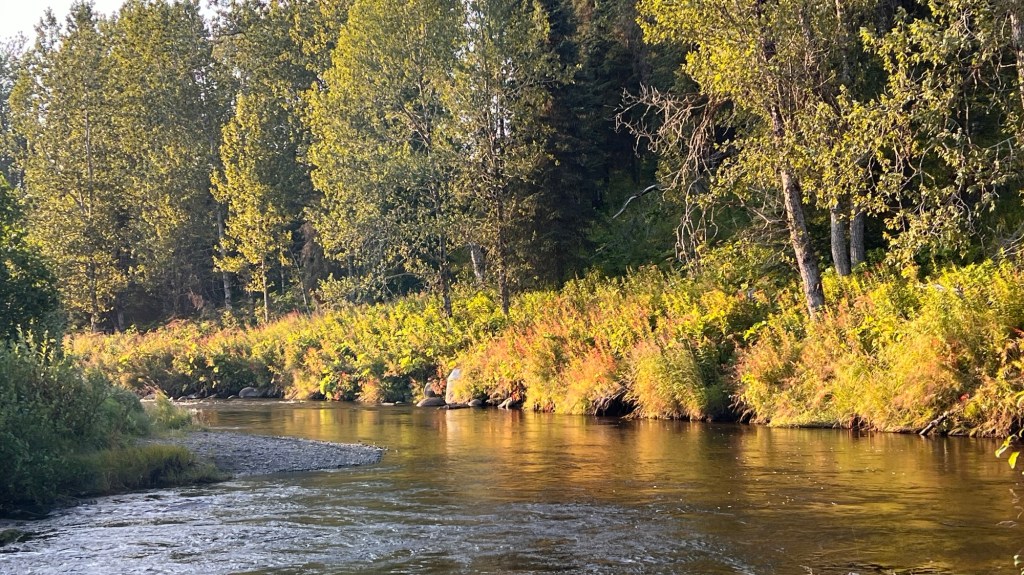
Our camp last night was right beside the Matanuska River, surrounded by Alders, sporting their new yellow fall colors, Drayas, also in showy white tops, and Fireweed that has lost its towers of red flowers and turned to tangled white silky seedpods. The mountains surrounding this valley are topped with snow from the thunder storms 2 nights ago, accenting the harsh, craggy peeks. 

Yesterday, we drove up from Ninilchik to the Russian River Ferry crossing and joined the throngs of fisher people hoping to catch a nice coho salmon, or at least hook into one of the giant red sockeye on the Kenai River. These fish are huge! As your standing in the water, these fish are lined up, heading upstream. Every now and then, one will breech the surface slowly or jump out of the river all together. With your concentration on your line and indicator, this is quite alarming at first, but soon becomes the norm and you settle in to the rhythm of casting. 

It’s time to begin our month long procession east then south, out of Alaska, into Canada, and finally, the lower 48. Time to say good-bye to the wildness of this beautiful land, where it is easy to forget your worries, clear your mind, and refresh your inner most being. To the fresh, crisp, cool air, the bears, moose, squirrels, seagulls ravens and bald eagles, all etched firmly into my mind, a sorrowful good-bye. A fond farewell to the mountains and glaciers, turquoise rivers and milky white glacial streams and waterfalls, thousands of lakes and fiords. To leave behind the thousands of miles of pot-holed, wavy, and frost heaved roads of dirt and tar. 

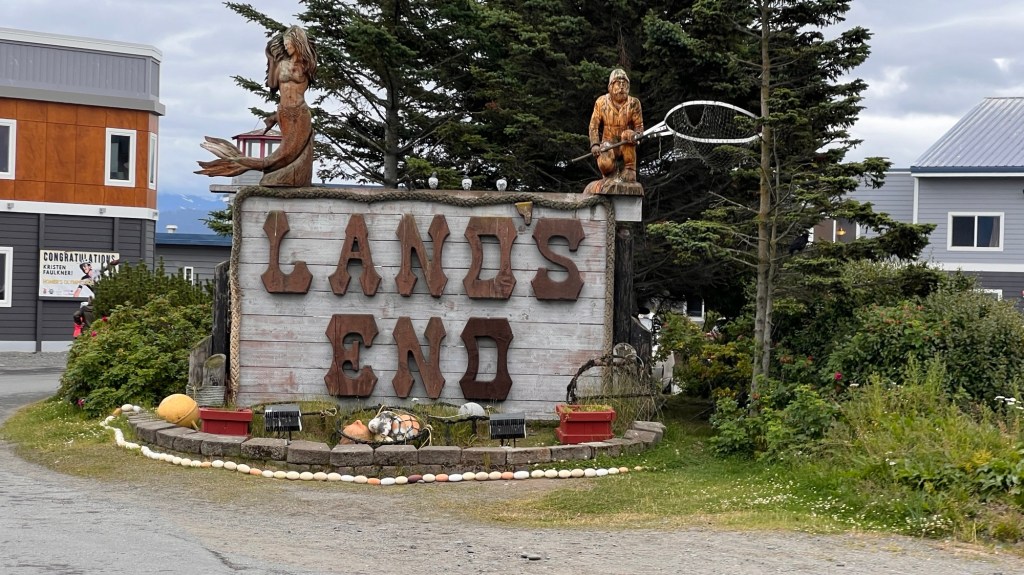
Although the journey has not ended just yet…we’ve traveled almost 6,000 miles since Salt Lake City. We’ve driven on almost every road in Alaska, been from the Continental divide (Antigun Pass) to Lands End (Homer). We’ve traveled by ferry along the Inside Passage between Juneau, Skagway and Haines. Took a wild ride down the Tatshinini and Alsek Rivers, played with icebergs and bergy-bits. We’ve had our share of bear encounters, some too close for comfort. I’d say it’s been a wild and encompassing ride for sure with still more to come. 

Crossing borders

It’s been 12 days since we left Salt Lake City. Twelve days of constant driving, sleeping, hiking and driving some more. Yesterday, we crossed from Canada into Alaska. The grandeur of the views before us just kept getting more and more grand as we pushed through the rolling hills, and back to the Great Northern Rocky Mountains.
White Pass was a long mountainous pass with switchbacks and craggy glacier choked peaks jutting up from the valleys…with rivers flowing out of these behemoths in cascading waterfalls. Scattered snow melt lakes dotted the landscape, each with its own color of blue, green or milky white. The subalpine trees sprung up from rocky out crops and random high spots, stunted by the harsh winter months and many feet of snow. Small creatures darted from tree to tree, outcropping to outcropping. Birds flitted from tree to tree, with some doing crazy mid-air acrobatics, chasing insects we can’t see.
We exited the ALCAN Highway in Tagish, connecting with the Klondike Highway for our last push into Skagway, Alaska. The history along this stretch of road dates way back to the late 1800s when the gold rush took over this part of Canada and Alaska. The Tlingit people trapped this harsh land for survival. The Russians came to harvest what they could from the gold rich mountain streams and lakes and to buy pelts from the Tlingit people.

In 1942, the Alaska Highway was being completed which brought more and more people into the small villages and allowed for stores, saloons and hotels to spring up creating a booming mercantile market that allowed for easy sale of pelts and goods needed for gold mining. All this collapsed as the gold dried up. The roads to the villages still remained so the Tlingit continued to occupy the infrastructure that remained and created a lucrative trading business of beaver, lynx, bobcat and other large game animal hides. They supplied gas to westward travelers in their fancy new cars, a place to sleep and eat. Some of these towns, such as Dyea, have streets and street name signs, but the buildings have long since returned to the earth. Only trees, pictures on posts, and a boreal forest stand where the buildings once did. It is left to the imagination once again.

We chose to stay in the historic district/town of Dyea last night and tonight. Our camp sits on a tidal river. We learned that there are 22 different species of mosquito in Alaska, and I think we encountered half of them. A strong breeze did keep the rest of them away. We were entertained by a couple of bald eagles hunting on the tidal flats. We were not so amused by the little chipmunks that thought it would be fun to get up under the hood and strip some felt insulation off an intake for the fresh air by digging it off fuzzy piece by fuzzy piece. We decided to tape the shit out of it to prevent any more marauding.

Skagway

Today we packed up, went into town, and got showers at the Skagway Rec Center…much needed. You can pay $10 and stand under all the hot water you want! They even provide towels…bonus. Now all clean and wearing clean clothes, we are going to “paint the town” of Skagway.

Stone Mountain, Summit Lake, BC, Canada

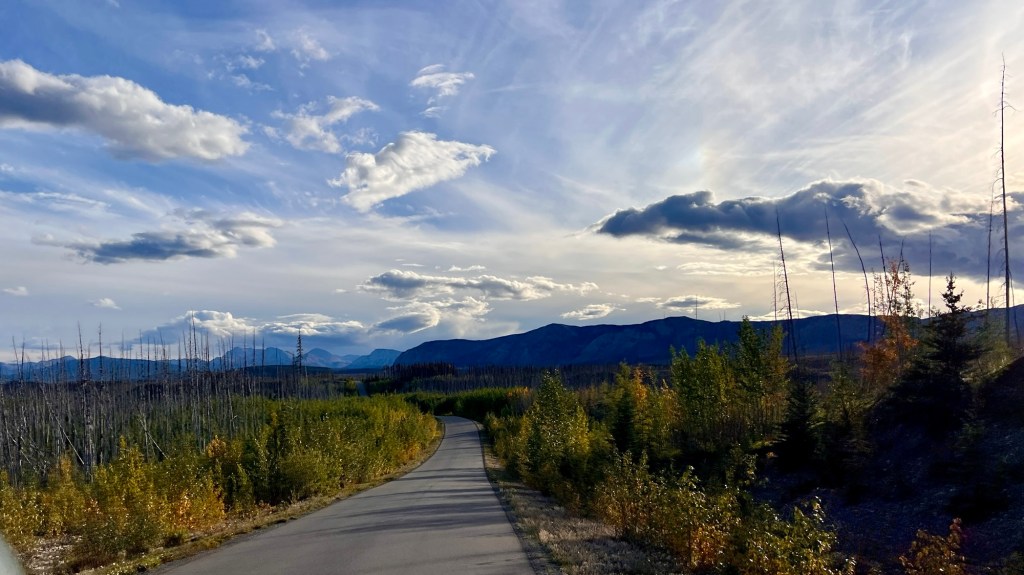
We’ve got under 500 miles to go before our turnoff to Skagway. Today’s been a long slog across rolling hills and thickly forested landscape. The rain came down heavy almost from the time we hit the road. The burn scars became more and more prevalent as we came up to Fort Nelson, which is where you finally turn WNW towards Alaska.

It is incredible how straight roads can be. The roads are just tar strips atop a berm built up to aide in run off. These ribbons of black go for miles on end, or perhaps more fitting, kilometers on end, cut through a huge swath of trees. This is by design I’m guessing, to avoid vehicle big game accidents. I’ve heard a story of a guy who watched an elk and calf bolt out of the thick forest and straight across the road in front of him. He didn’t see the bear chasing them until he slammed in his brakes to avoid a deadly collision with it.

There are mystery roads all over. Dirt roads that just veer off into the thick vegetation. No signage and no squiggly line on the gps. Sometimes you can see a river or a lake as you blast by, but other times they just go into the darkness.

Provençal parks in Canada, are like our state parks in the USA. They are dotted all over the map with no real rhyme or reason. Tonight we are at about 4200 feet/1280m. We just got back into the northern Rockies. The horizon changed radically from rolling hills to steep passes and snow capped jagged mountains. We picked a place called Stone Mountain Provençal Park and Summit Lake Campground. Had the weather cooperated, we could’ve blown up our pack rafts and paddled around for hours exploring the coves and shoreline. Perhaps in the morning, the sun will grace us with its shining face and we can start the day off with a paddle.