Transitioning: A place to call home

When one transitions from van life back to living behind the four walls of a house, believe it or not, it takes quite a bit of adjusting. One might say there’s a bit of separation anxiety or grief. Why do I say that? Perhaps it’s something that can only be understood by someone who has experienced living for more than a month in a custom van. Allow me to explain.

We first moved into “SleepyTurtle”, our self-built Ford Transit, in June of 2020. We transitioned from aprox. 6,000 sq ft to about 40. Now that in itself was actually easier than you’d think. See, living in a van opens up your “home” to all the outdoors. Don’t like the scenery…move. Don’t like the weather… drive to a new location. Your overhead boils down to fuel, both propane and petrol, camp spots, water (in some countries), food, insurance (health/car and travel), repairs and maintenance of your rig and of course connectivity, be it cellphone, internet/WiFi, or satellite radio. Simple. 

Living in a van allows you freedom. 

Living in a van allows you solitude.

Living in a van allows you to connect with nature and like-minded people. Simple people. 

Living in a van there’s no agenda aside from what direction you’ll head, where will you spend Winter this year, Summer? 

Living in a van makes you conscientious of trash production, water and power usage. 

Nature becomes your front and back yards. Wether beach, mountain, lake or desert, it can all be yours for as long as you choose. Fancy another country for a few months, years? Go for it! You’re mobile!

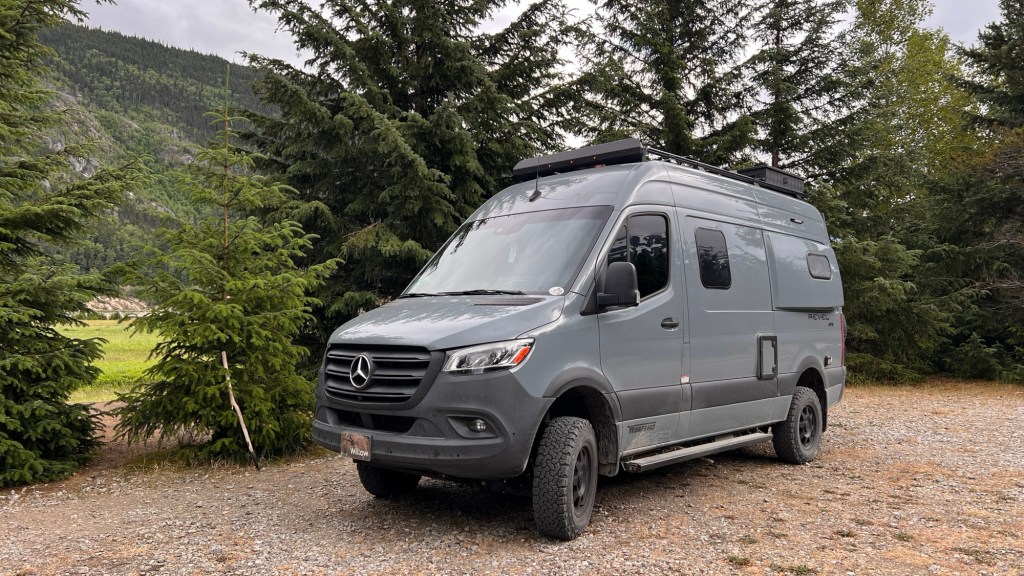
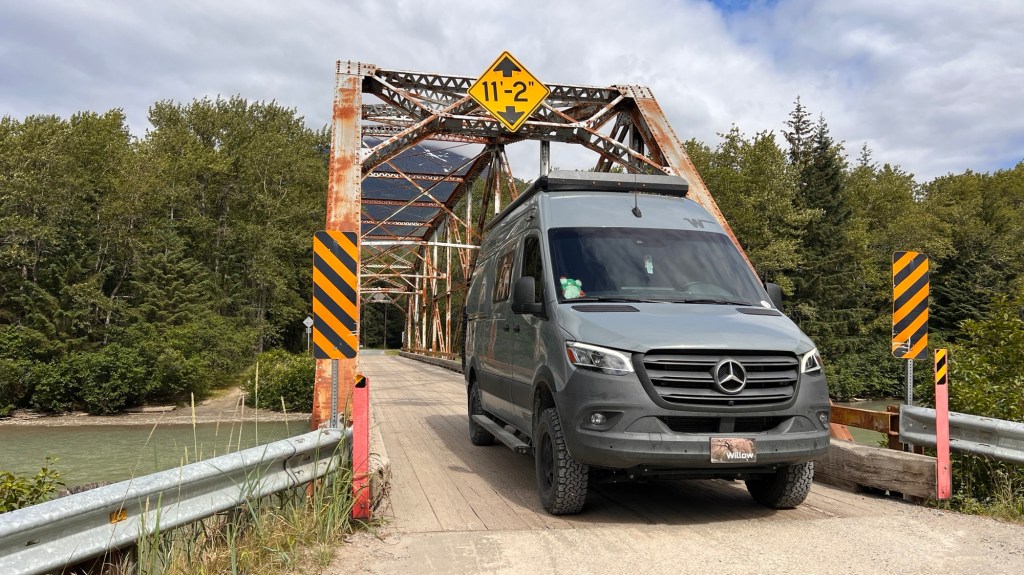
In the last five years, we’ve owned and lived in 2 different vans. Each served a purpose geared to the trip ahead. “Willow” was built and enhanced for a trek to the Arctic Circle, Alaska, BC and Alberta Canada and finally South Dakota and all the way to the tip of Baja California Sur, Mexico. Willow performed like a champ and is now retired and will be put up for sale soon. We’ve now moved onto Costa Rica where we are AirBnBing it for the next while. 

So, back to transitioning. We now reside back inside. I remember the first night back in a walled building. I lie awake listening to the hum of the electricity, the sound of water and flushing toilets. The hiss of central AC and heating units. I missed the silence. 

There are the “comforts of home”, TV, WiFi (no longer isolated to brick and mortar), running water, a big fridge and ice cubes, climate control, clean hot showers, a plug on every wall, and beside every table and chair with an unlimited source of power. The price tag for such niceties is pricey and often requires a job or takes a big chunk out of the monthly budget, and takes a chunk of your freedom away. But every now and then, you feel the need to “nest”, meaning to settle down in one place for an extended period of time, or as Chris puts it, “a place to put your stuff…” of which we have little material things left. 

I’m currently sitting in my air conditioned room, looking outside. It looks beautiful but I am in a city. There’s no seeking silence out there only in here, with the hum of the mini-split, running water and TV. The transition is tough. The freedom of the road or a “place to put our stuff” and call home? Not all exploration can be done in a van I guess. A new chapter has begun for the chicas. 

The Roads of Baja

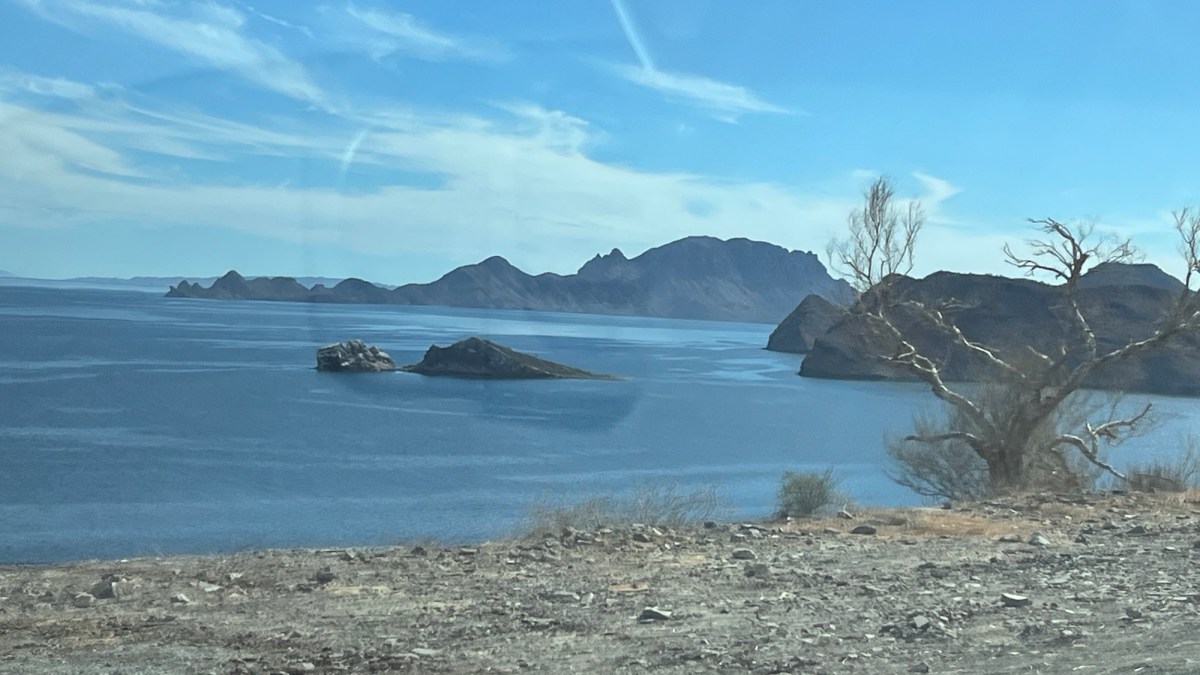
There is a strong draw, felt by a number of nomads, to explore the wild spaces rarely visited by “tourists”. One reason is the lack of transportation capable of handling the washed out, wash board dirt roads found in these areas. Another, the urge to stay in the familiar, attached to cell phones, TV and the comforts of the brick and mortar of a home. When we tell some of our journeys, they all gasp and wonder where we ever got the need to wander.
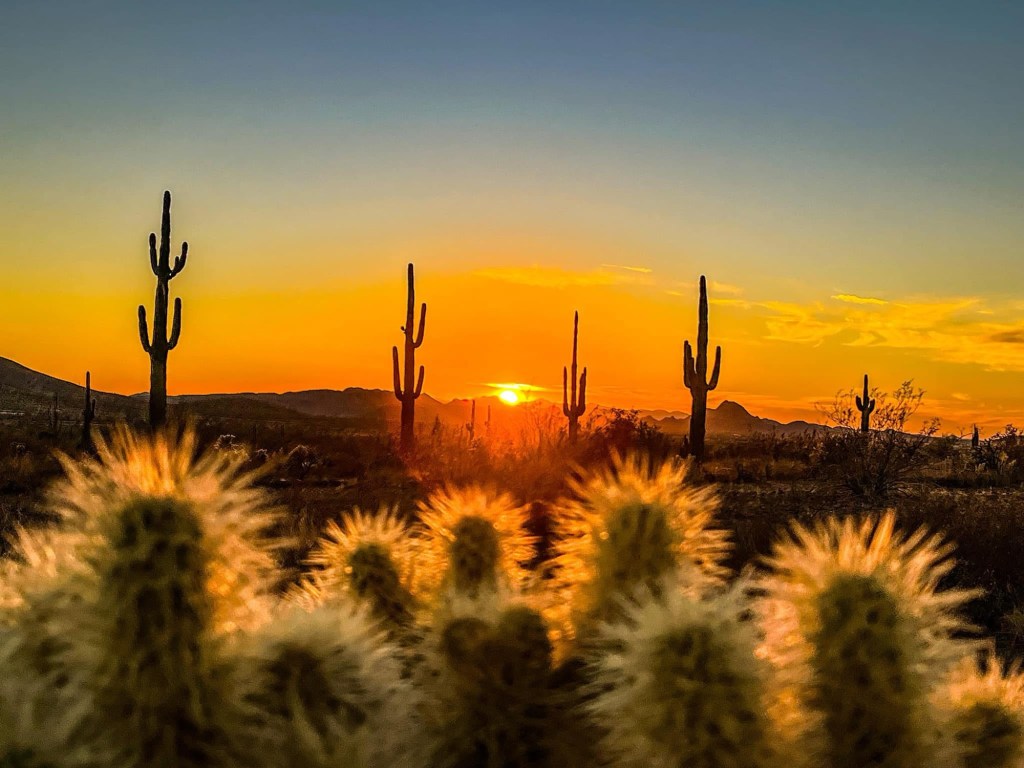
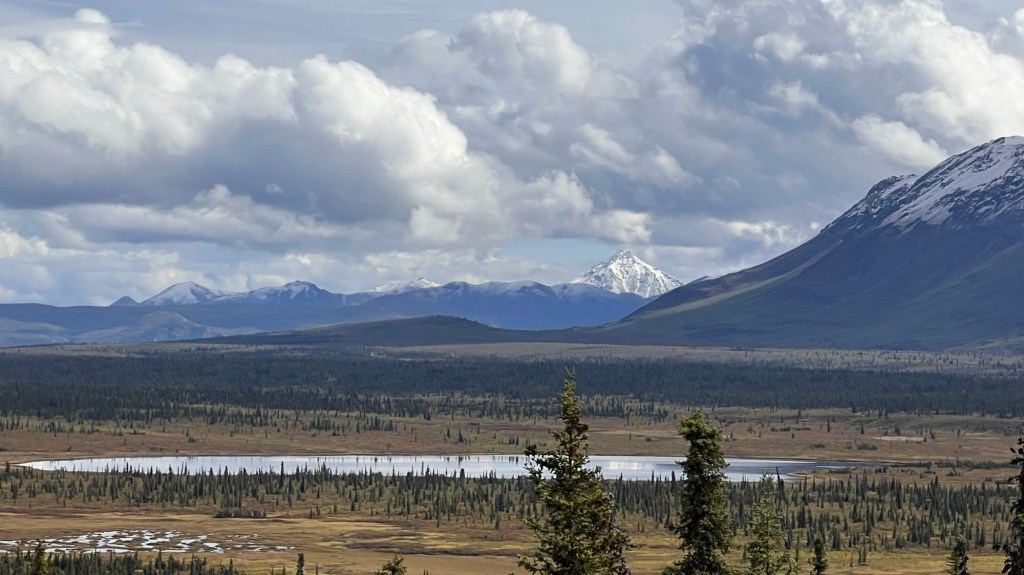
There is a pull to the desert that has enveloped Chris and I. A need for open spaces, a dry climate and room to roam freely, sometimes without seeing another soul for days. The chance meetings often turn into deep conversations and a fire side chat recounting trials and tribulations of life on the road. We share our stories, sometimes harrowing and unbelievable. Perhaps it’s a draw to face death at every turn, or perhaps the thrill of adventure and to push the envelope beyond the comfort level of the normal human. This takes us to today, four and a half years of being free and able to travel at will, one with our surroundings.
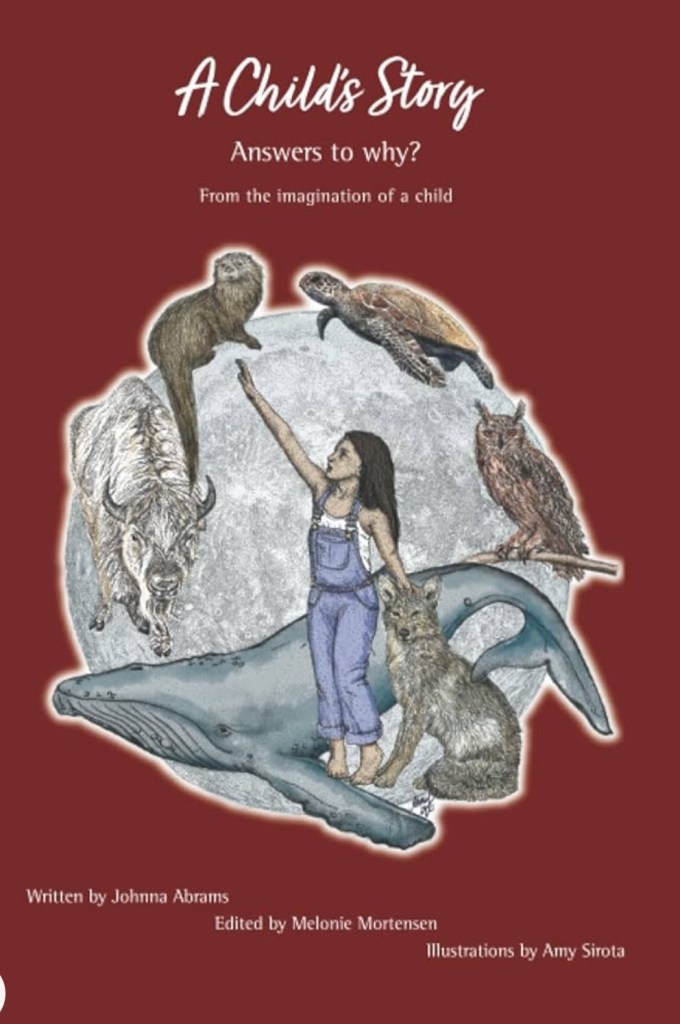
In February of 2021, we hooked up with a caravan of three, Chris and I and two other gals, and crossed the border into Baja Mexico, for the first time. There’s a call we lean towards and freely give into, that paves the way for our wander lust. Baja seemed like the great western frontier that we needed to explore and conquer. Armed with only our cell phones and a good translation app, Garmin GPS, and a competent van, we set out to explore a country unknown to us; a 1,000 mile journey full of new flora and fauna, animals and sea life. I found it so inspiring that I wrote a book while traveling through Baja for 3 months. Fast forward to January 2025 and here we are again.

https://www.amazon.com/Childs-Story-Answers-Why/dp/B09PHHCGWX?dplnkId=38cdaa69-0263-42c6-afe6-a62c7c7e4057&nodl=1

It’s been a tough 2 years emotionally. After loosing our corgi Gandaulf, we sold our first van and all the toys we had accumulated during our travels and set out to travel around the world. Seven months traveling around Europe and another four months in SE Asia, Indonesia, and Malaysia, then back to the States where we purchased another van to complete the Canada/Alaska trip we missed out on during our two and a half years living on the road.

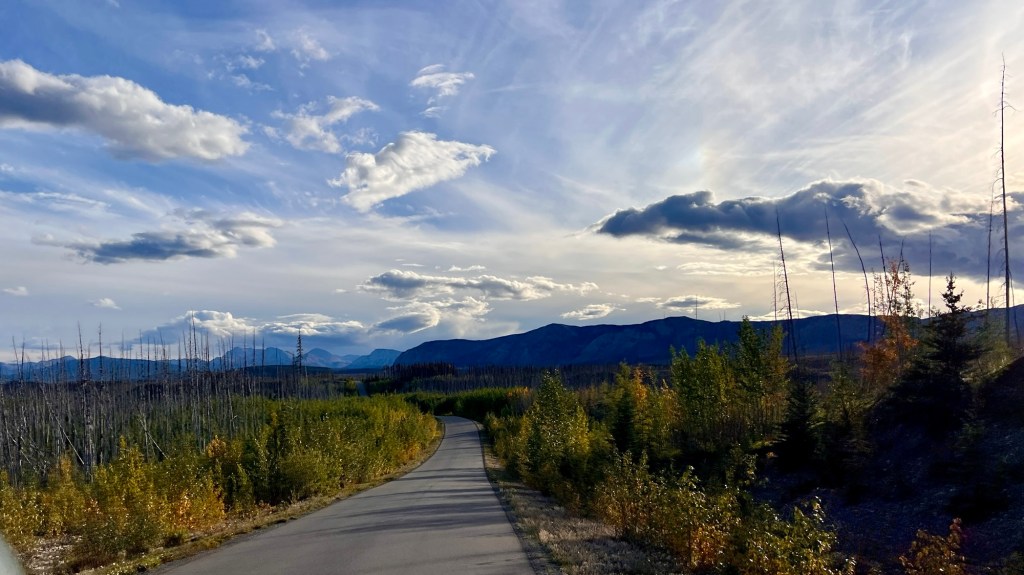
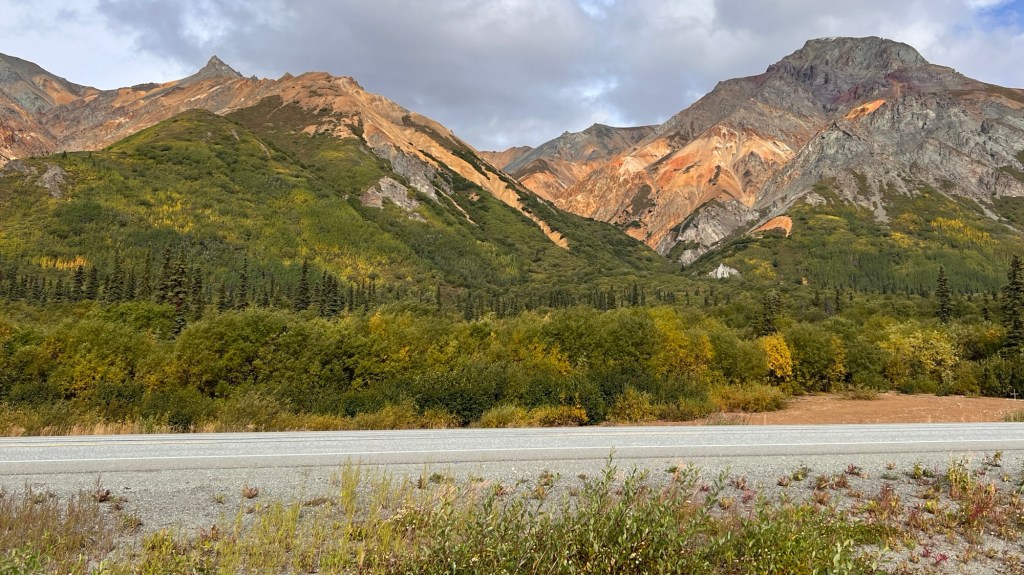
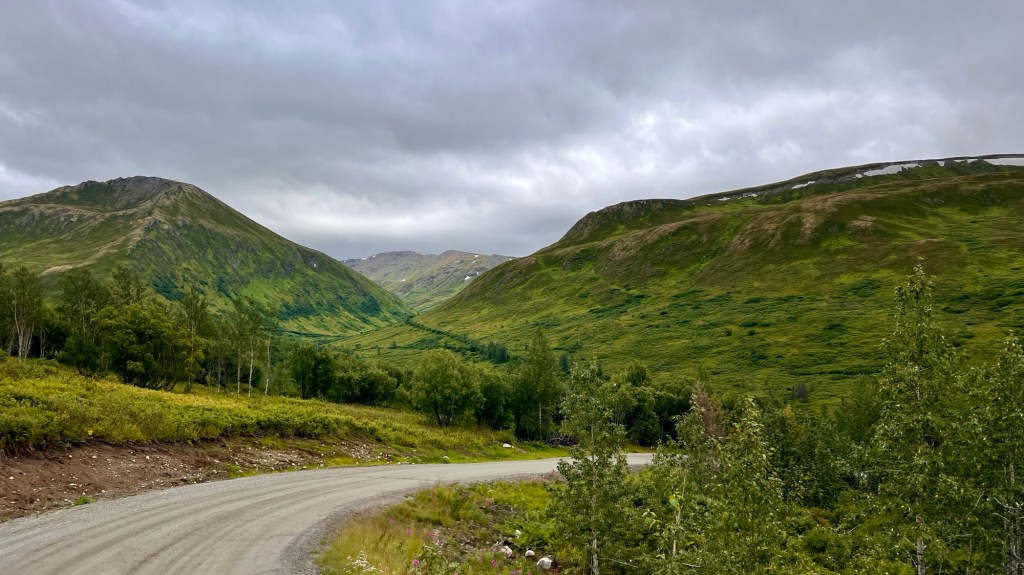
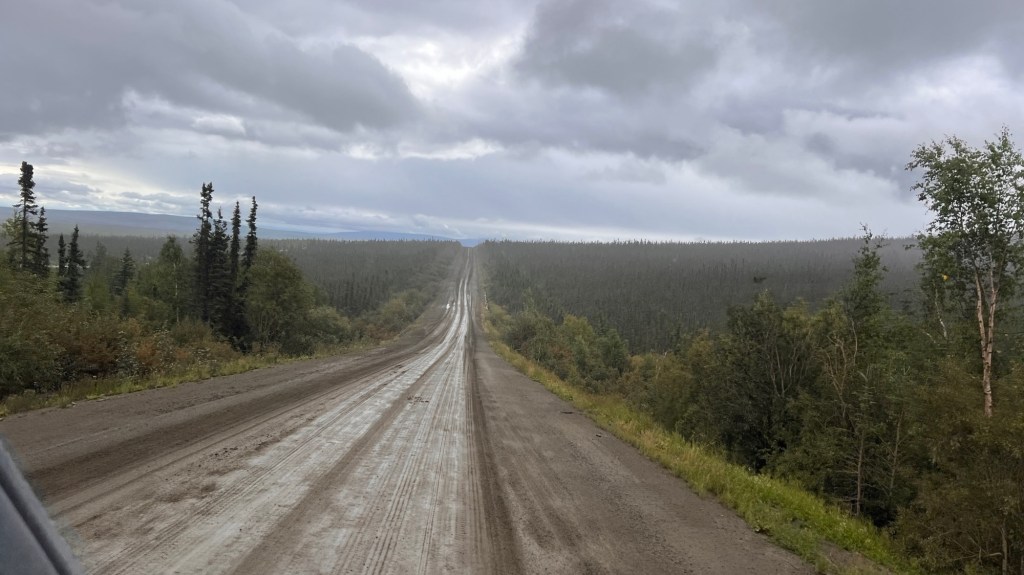
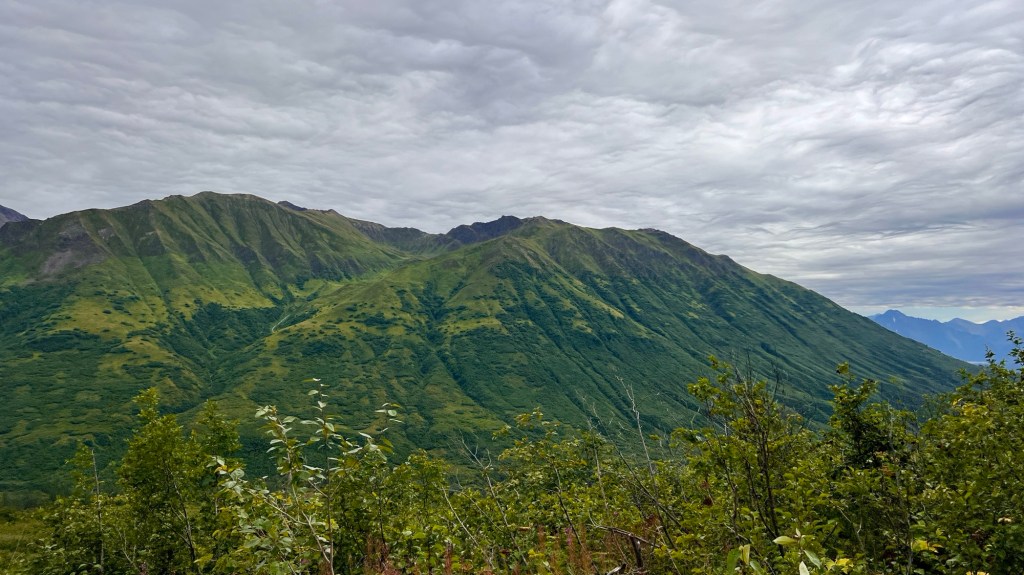
Alaska and western Canada is another frontier of sorts. Not like the desert but just as grand and open. The roads in each very similar; pot holed and delaminated. The punishing washboard roads in dire need of repair, are enough to put any van build or truck to the test. there would be whole days of traveling 3-400 miles and never cross another vehicle. We were never sure if the paved sections of the roads were better than the dirt roads, both held their own dangers. The grandeur of the Alaskan and Yukon outbacks are hard to match, even in the deserts of the south western USA. Still, the desire to revisit Baja California, Mexico and the desert was strong.

Today, January 6, 2025, I’m writing you while enjoying coffee and the warm sun of La Paz, Baja California Sur, surrounded by fellow travelers. We’ve traveled 1350km so far, with another 300km to go. The roads to this point have been narrow two lane highways, with little to no safety lane and often no shoulders. There are times when we must come to a complete stop to walk the van through deep potholes and slow to a crawl when passing trucks come barreling around blind corners. There are constant signs of accidents, both with roadside crosses and mangled guardrails, straightened out or completely ripped from the supports and trailing off into deep ravens as if pointing to the site of a wayward vehicle leaving the road and plummeting to its end. Often times, there will be stretches of road that have carcasses of dead cows, horses or the unidentifiable remains of some unfortunate animal, usually struck at night by a speedy semi, as they come to the flat roads to sleep. It’s a constant reminder that it only takes a second of misfortune to end a life.

So our nomadic wandering continues with so much more to see and experience. We may be absent but we are always present where ever we find ourselves. Living in the moment, sometimes with no set direction but forward. Always savoring the newness of each destination and rolling with whatever may come our way.

Universal Being

As we drive down the long, 

lonely, thin road…

My gaze transfixed on the horizon.

Eyes gazing at all before me

The golds of the aspen 

The blood orange of alder

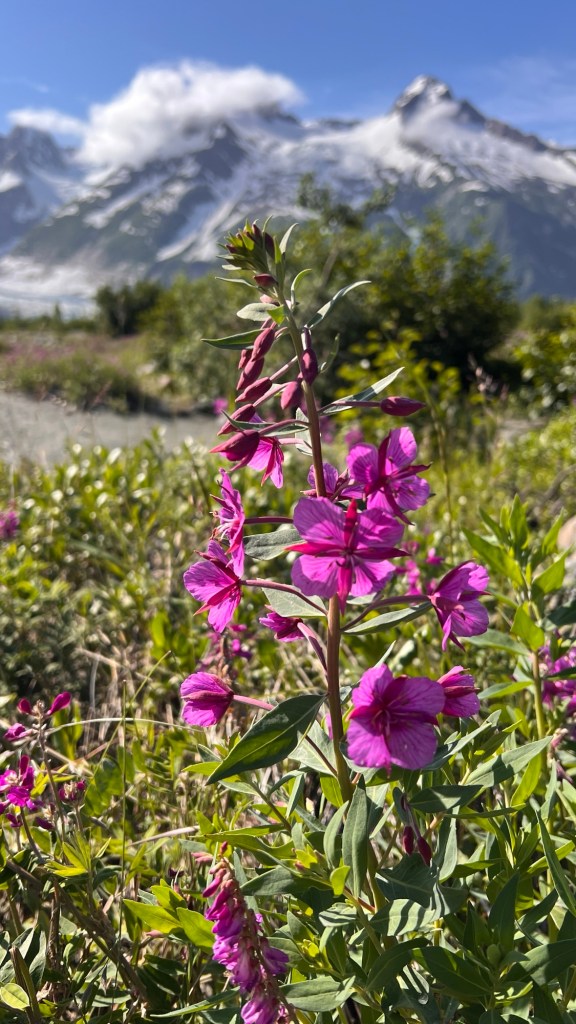
The reds of the fireweed 

Accented against the tall green conifers

Making a patchwork quilt of the mountain sides.

The beauty is palpable

My heart leaps with joy

My mind solidly fixed in the emptiness of this vast land

The turquoise and aqua green braids of water

Glacier milk

Green rivers  

Cool clear streams

Shimmering lakes

The pulsing life blood…water.

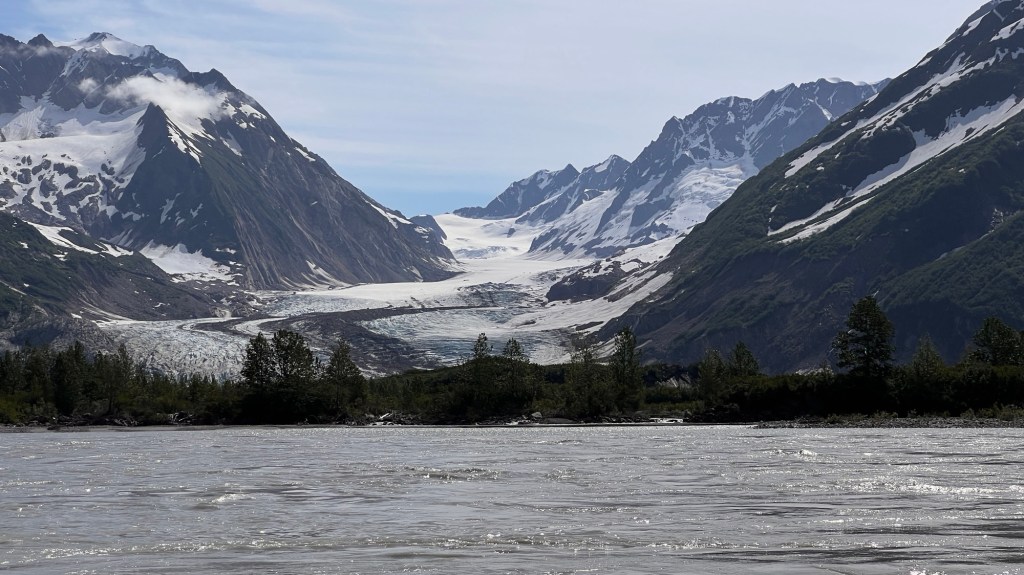
The glaciers hold still and fast to the craggy folds

Slowly receding back into the hollow canyons.

The icy blue fingers relenquishing their grip.

Water cascading down

Wisps of white showers

Pooling and spilling over the deep crevasses cut into solid stone.

The roar deafening. 

A cahcaufony of sounds

The shrill chatters of the squirrel

Titter of the titmouse

Squawk of grey jays

Call of the raven

Piercing cry of the eagle

Whisper of the wind 

Rush of the stream.

The sun… 

streaming down from the most stunning blue sky.

Warming

Inviting

Soothing

Clouds hanging free

Heavy black

Wispy white

Outlined in gold and chartreuse as the sun exits and night slips in behind.

Hews of purple 

blue and green 

paint the sky

A vast inky black sky 

awash with stars 

Galaxies

Nebulas

Planets

Endlessness.

I drift off to sleep

Part of this natural world

Part of the intricacy of life

Rapid Changes

Today I woke up to 41 degrees in the van…who knows what it is outside. With everything we need in our little capsule of steel and rubber, there’s no big rush to go outside and find out. 

The sun is making its way into the sky, creeping slowly from behind the snow capped peeks, but has yet to shine on the opposing peeks across the river valley. 

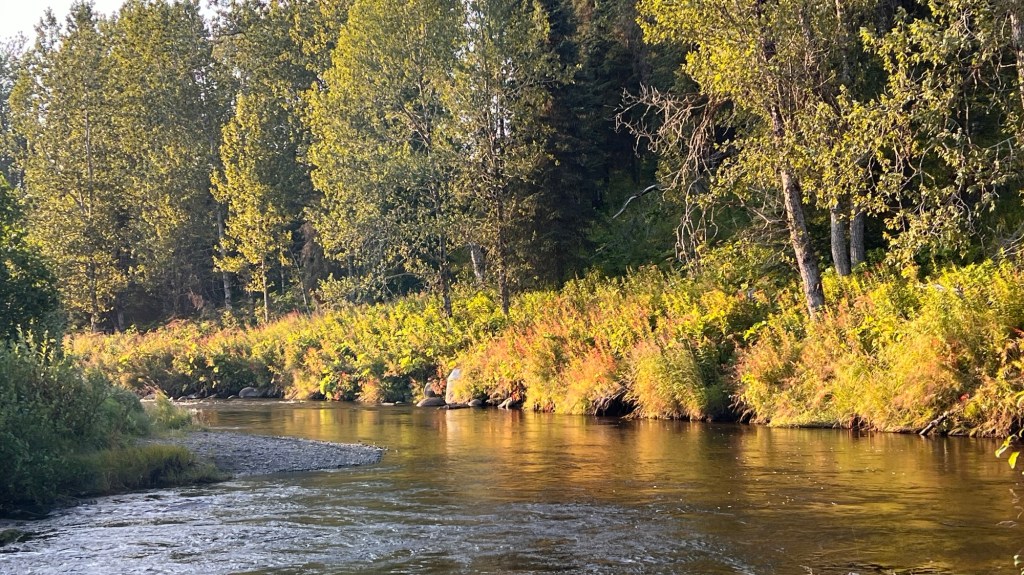
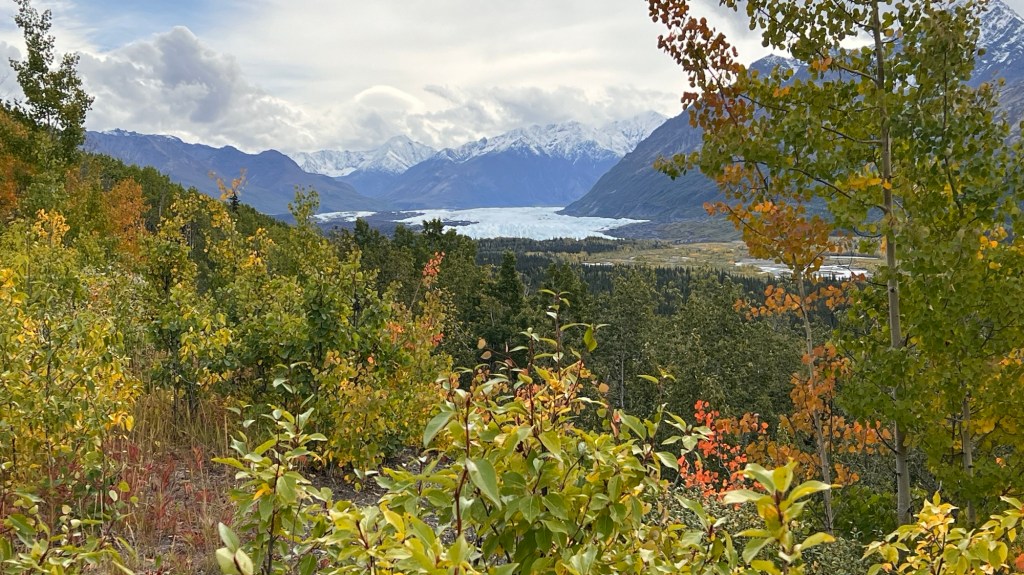
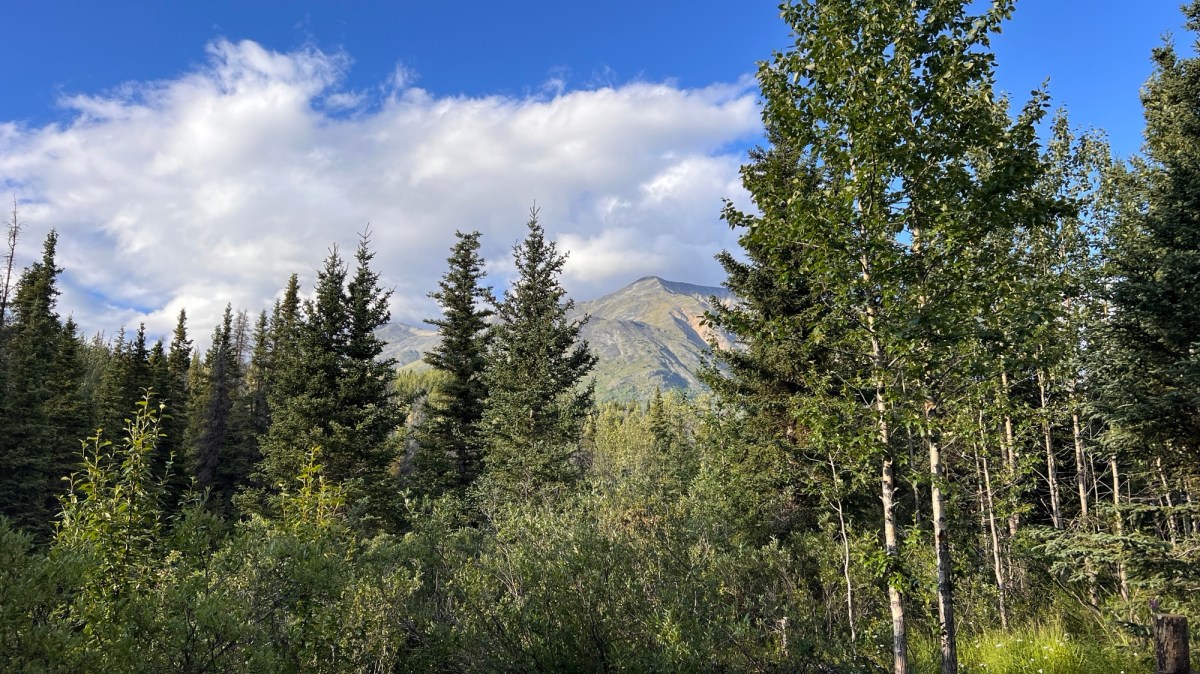
Our camp last night was right beside the Matanuska River, surrounded by Alders, sporting their new yellow fall colors, Drayas, also in showy white tops, and Fireweed that has lost its towers of red flowers and turned to tangled white silky seedpods. The mountains surrounding this valley are topped with snow from the thunder storms 2 nights ago, accenting the harsh, craggy peeks. 

Yesterday, we drove up from Ninilchik to the Russian River Ferry crossing and joined the throngs of fisher people hoping to catch a nice coho salmon, or at least hook into one of the giant red sockeye on the Kenai River. These fish are huge! As your standing in the water, these fish are lined up, heading upstream. Every now and then, one will breech the surface slowly or jump out of the river all together. With your concentration on your line and indicator, this is quite alarming at first, but soon becomes the norm and you settle in to the rhythm of casting. 

It’s time to begin our month long procession east then south, out of Alaska, into Canada, and finally, the lower 48. Time to say good-bye to the wildness of this beautiful land, where it is easy to forget your worries, clear your mind, and refresh your inner most being. To the fresh, crisp, cool air, the bears, moose, squirrels, seagulls ravens and bald eagles, all etched firmly into my mind, a sorrowful good-bye. A fond farewell to the mountains and glaciers, turquoise rivers and milky white glacial streams and waterfalls, thousands of lakes and fiords. To leave behind the thousands of miles of pot-holed, wavy, and frost heaved roads of dirt and tar. 

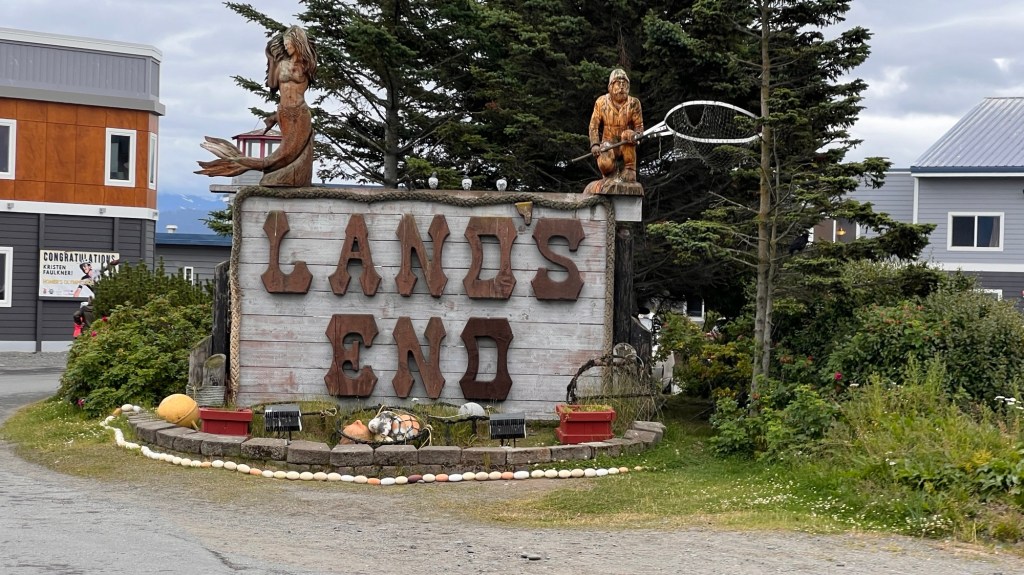
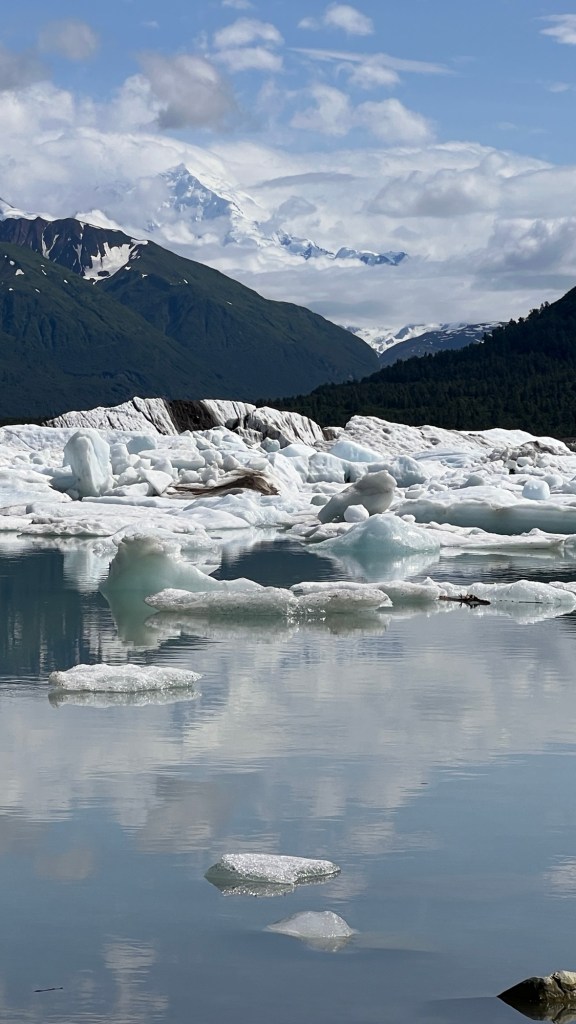
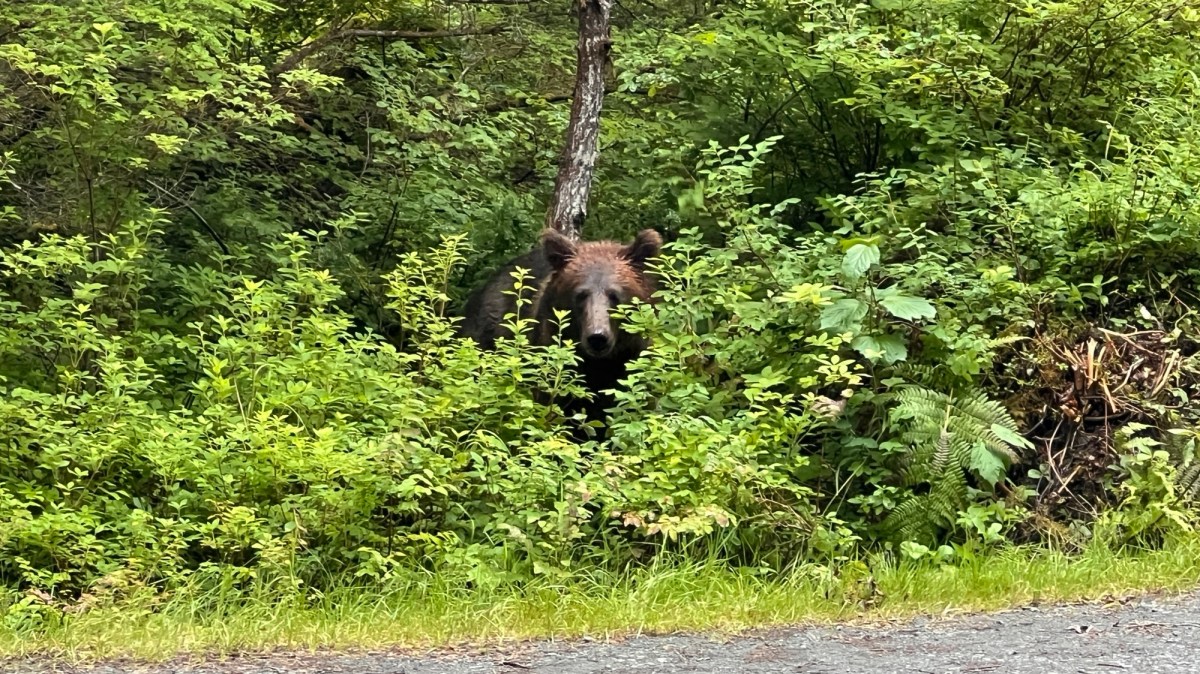
Although the journey has not ended just yet…we’ve traveled almost 6,000 miles since Salt Lake City. We’ve driven on almost every road in Alaska, been from the Continental divide (Antigun Pass) to Lands End (Homer). We’ve traveled by ferry along the Inside Passage between Juneau, Skagway and Haines. Took a wild ride down the Tatshinini and Alsek Rivers, played with icebergs and bergy-bits. We’ve had our share of bear encounters, some too close for comfort. I’d say it’s been a wild and encompassing ride for sure with still more to come. 

The Wilds of The Alaska Frontier

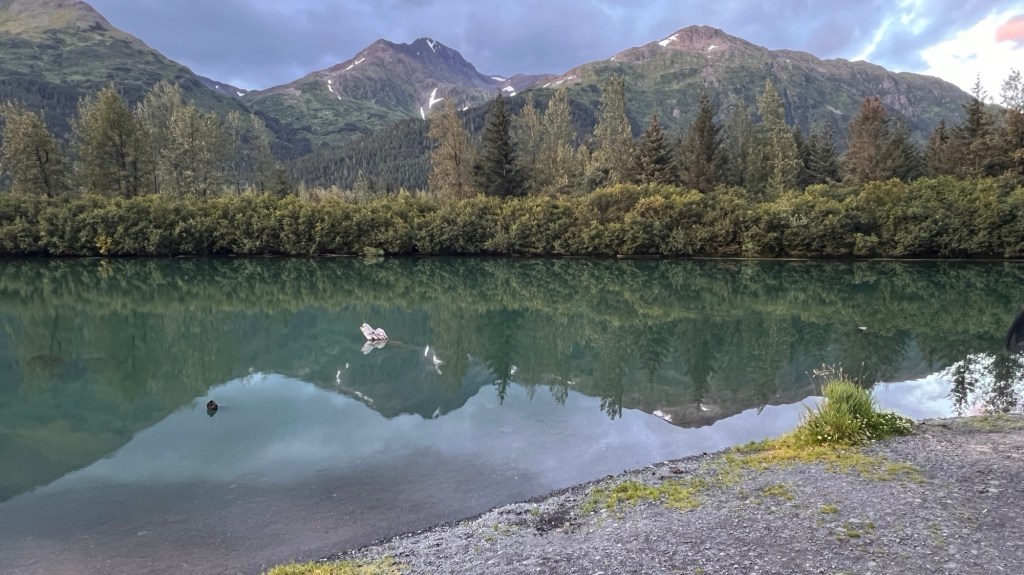
The clouds, like ghostly apparitions, glide across the mountain tops, getting stuck in the rocky crevasses and at mid-mountain, the tops of black spruce groves. White gashes of the snow fields and silent glaciers, creep across the mountain passes, carving deep scars into the ancient Arctic tundra. The tree stands dot the sides of the hill in a spattering of greens, yellows and reds, as the fall closes in. A hint of chill hangs heavy in the air tonight. It’s gonna be a cold one, clear skies and a light breeze from the NW. The lake stands still as glass, reflecting the grandeur of the surrounding alders, willow and poplars. All is silent and eerily still.  

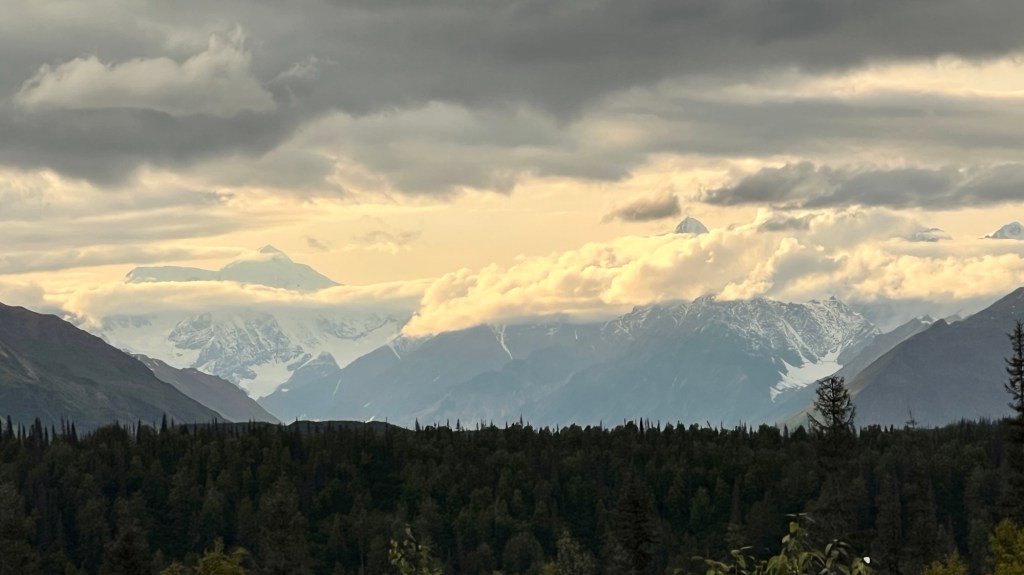
It’s been a week of travel from the Antigun Pass of the Dalton Highway above the Arctic Circle. We took a side trip to Chena Hotsprings for my birthday, before heading south down the Parks Highway. Denali, or more correctly, Mount McKinley, was playing peek-a-boo with those of us that hunkered down for the night in the makeshift view point parking lot campground for a night of boon-docking. The sun is starting to actually go down now at a more reasonable hour. The long days of the mid-nite sun, have gone for the summer, and the march towards the winter darkness has begun. 

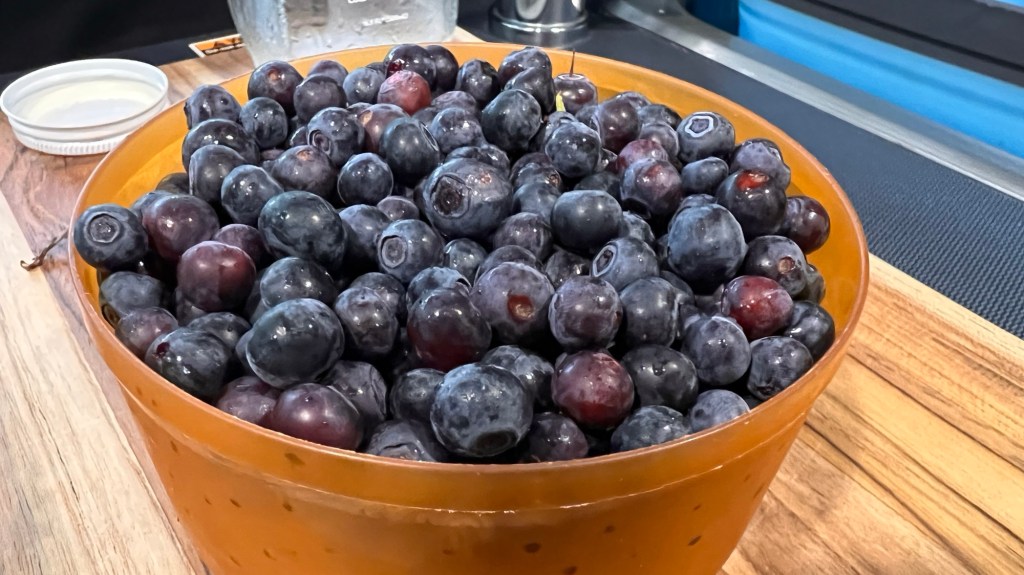
The weather has been, well typical Alaskan. In any given week, at least two days will have sun, two will be cloudy and three will be wet. The wet days are usually drizzly and overcast, which both ignites the colors and makes for flat lighting, muting the contrasts. Good trade. Sometimes these are prime wildlife spotting days, since a lot of the visiting humans hunker down and stay dry. Bears, both black and brown, love to forage for the blueberries and raspberries that are covering the hills and road sides. Moose are a rare sighting in any weather, so the fact that we saw one was almost a miracle. The fish don’t much care if it’s raining, bright in sunshine and clouds, we caught our fair share of the Arctic Grayling. Porcupines waddle across vast empty ribbons of highway minding their own business. Ground squirrels and prairie dogs scamper about the puddles and dig in the soft black soil. It’s a struggle for survival that we have had the good fortune to observe while here. 

The salmon run has begun in most of the streams and rivers. These mighty titans of the fish world, fight with every ounce of life they have left to make sure the population survives. Their bleached bodies, still sporting the deep red color of the end of life, struggling upstream in shallow creeks and streams or their corpses lie rotting on the sides of these rivers and streams, providing nutrients and sustenance for opportunistic predators and scavengers like the raven and gulls. Even the majestic eagle makes a showing at this feast. In the way of the salmon’s final goal…stands humans and the grizzly bear. Both worthy foes. 

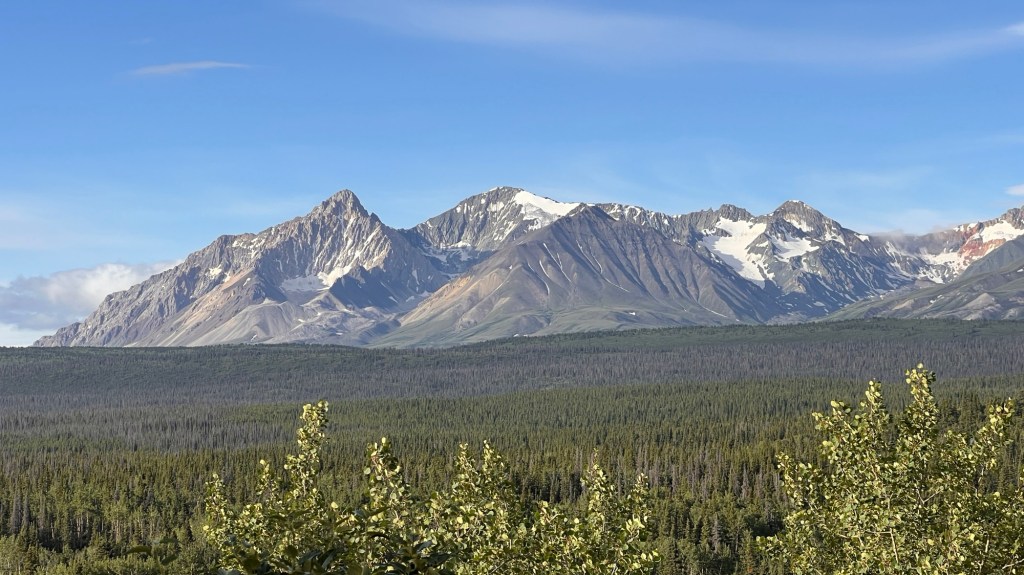
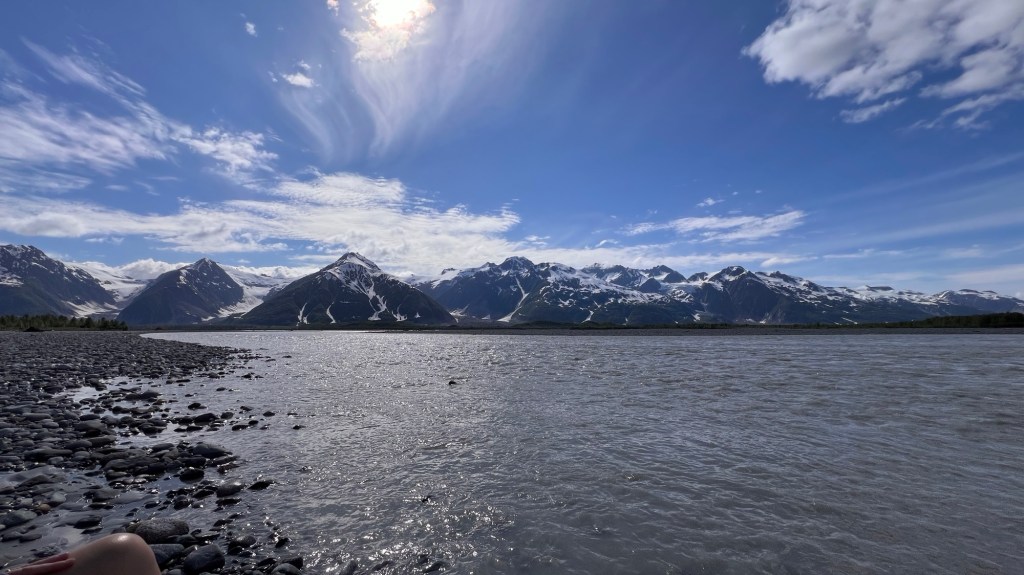
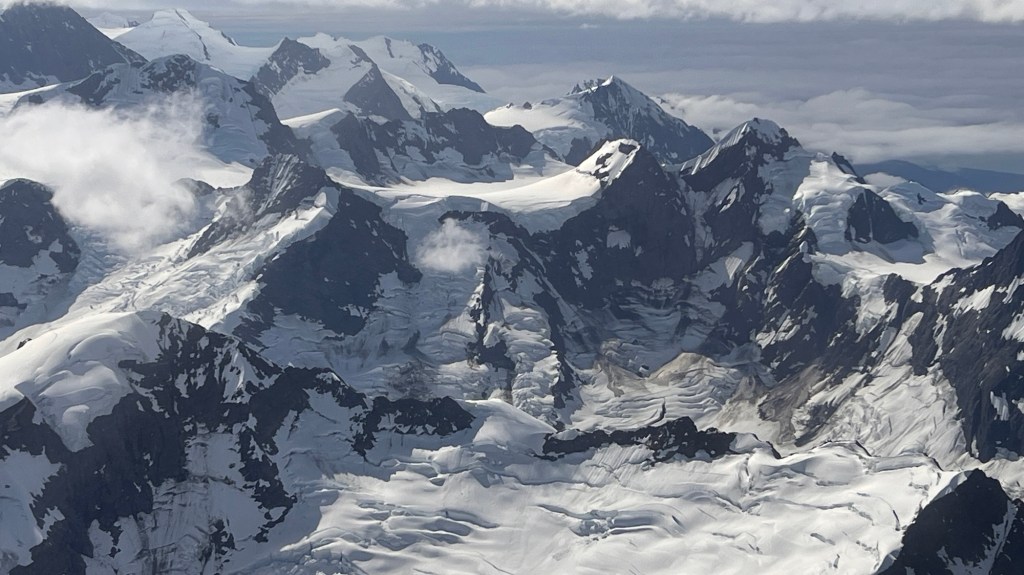
We’ve seen the landscape change. Not just the beginning of autumn’s colorful show, but the craggy mountains, smooth rolling hills, flat Arctic tundra and massive lakes and rivers, glaciers and gigantic snow fields. We’ve floated down a river, through an iceberg choked lake and seen temperate maritime weather. We’ve flown over 12,000 feet in a seaplane through the snow laden Fairweather Mountain peaks. We’ve seen thick subarctic boreal forest and sparse arctic tundras, vast inlets, bays and fiords. The wildness is everywhere. 

Bug Nets and Bug Spray

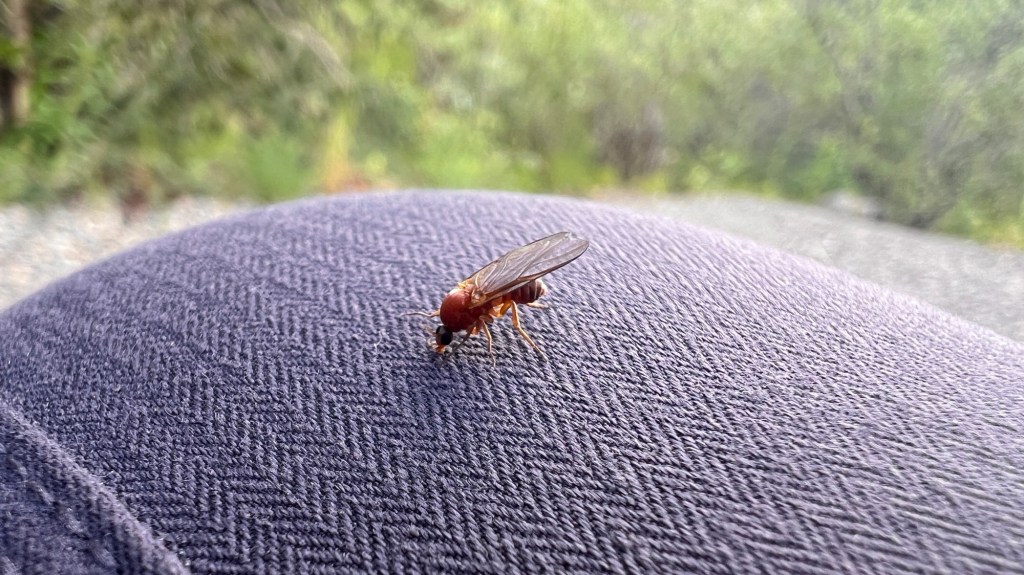
It’s one thing everyone knows about Alaska, there are mosquitoes and all sorts of things that want to suck your blood. I’m here to tell you it can go either way…one day swarmed, the next not a single mozie. There are 22 different types of mosquitoes in this region of the world. These vicious little bugs come in all shapes and sizes and if we add in little black and brown biting flies, well the game is on!

It goes like this…you find a camp spot, look out or just go for a hike, you step out into one of the three climate zones here…wet and sprinkles, dry and overcast, or sun shine and warm, within a minute the dinner bell has rung, humans are on the menu. Within 5 minutes you feel like you are crawling with bugs as these little and not so little insects begin to swarm in dizzying numbers, attacking any exposed skin. The largest mosquitoes don’t bother to find skin. Their little saws-all proboscis can scissor its way through a couple layers.

Soon the constant buzzing and slapping and scratching becomes maddening. Out comes the bug spray, at least a 100 DEET as nothing else even phases these little buggers. You feel slightly more invincible. Crack open a beer and settle in to enjoy the beautiful vistas. Suddenly, like an advancing army, another swarm envelopes you. You stand up, looking like a broken windmill, slapping and swatting at unseen foes. Now you run inside, making sure you were not followed by any marauding insect, and search high and low for the ultimate of all weapons in your bug arsenal…the dreaded head net.
Now, you’re prepared to vanquish your foe, or at least hide from their relentless pursuit of your tasty life blood. After an afternoon of respite from the incidious torment, it’s time for dinner. Hmm…head net or no head net…that is the question. The big plate of freshly prepared food looks delicious…so you slowly remove the net from your head and begin enjoying your food…until…floomp…you inhale a bug. Then one lands in your drink, another has taken to trying to molest your juicy steak with its proboscis. You feel your blood pressure rising and wish for rain. Ahhh…welcome to Alaska.

A Myriad of Emotions

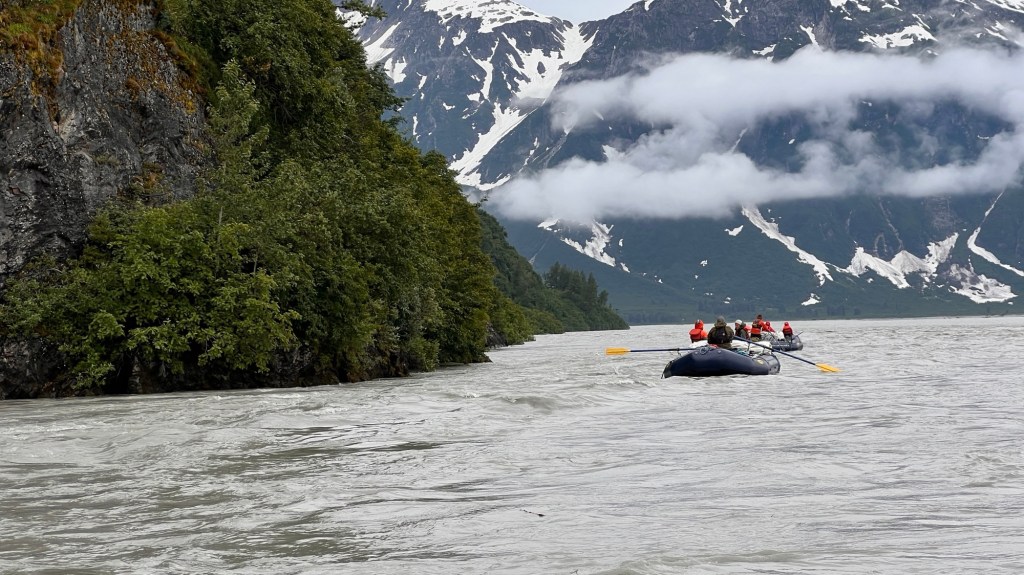
We’ve just returned from an amazing Canada/Alaska River trip down the Tatshashini and Alsek Rivers, down into Alsek Lake and take out at Dry Bay. The whole trip took 13 days plus travel time of another 13 days to Haines, Alaska.

Although the river trip was not on our bucket list, traveling around western Canada and Alaska was. The river trip became the catalyst for this new chapter in our adventure.

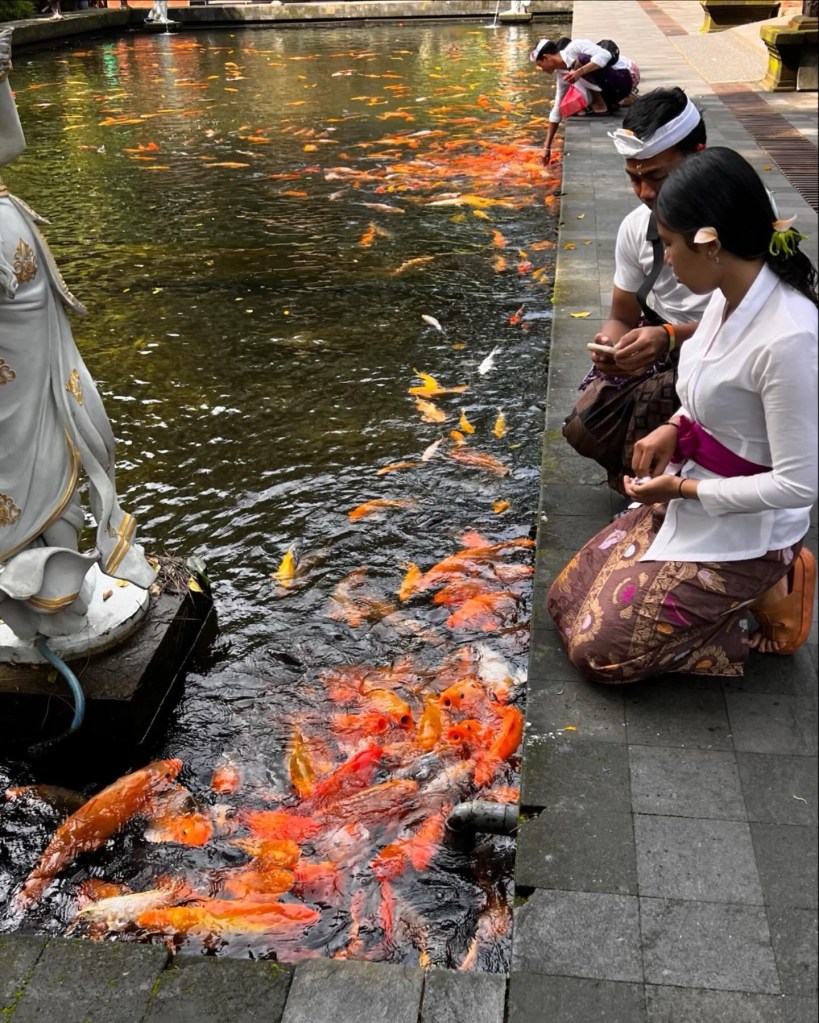
As we sat in Bali, melting from the oppressive humidity, we realized our travel in the blazing sun, and blazing kindness of its people, needed to come to an end. We had covered much of SE Asia in a 4 month period: countries like Singapore, Thailand, Vietnam, Laos, Cambodia, Korea, Indonesia, and Malaysia. It was an other-worldly experience, and touched both of us deeply…but our bodies were screaming for a break from the heat.

We found ourselves thinking of very cold places, Antarctica, Iceland, Alaska, Patagonia. Big dreams of cooler temps, zero humidity, even some of our old haunts just didn’t excite us. When Chris saw the Facebook post from Bio-Bio River Expeditions, for a trip down the beautiful Tatshashini/Alsek Rivers. Pictures of rafts floating around stunning blue icebergs grabbed both of us by our sweaty hands and led us down the rabbit hole. This was it!

So we set off on planning to see if we could make this happen. We picked up a Sprinter Revel Van, outfitted it for the arduous trip, bought the necessary clothing and secured a seat for us on the trip.

The drama began with seeing the expensive nature of this undertaking. We bought the van because renting a van or RV was exorbitant. Then came my tummy health issue, then the breakdown of the van as we set out. We made it to Skagway, caught the ferry to Haines and settled in a few days before the trip and one more hiccup, Chris broke her tooth and needed an emergency appointment with the only dentist in town. All that was now water under the bridge, no pun intended, as we suited up in supplied dry suits and met our group.

The next morning was glorious, sun shinning, smiles all around. An amazing feeling of joy and a bit of trepidation hit me as we stood on the river bank, red dry tops, blue dry pants and insulated black and brown mud boots, red life jackets cinched up tight. Within an hour or so, we came to our first splashy wave trains, one finding its way into my dry suit, chilling me and reminding me to hold on.

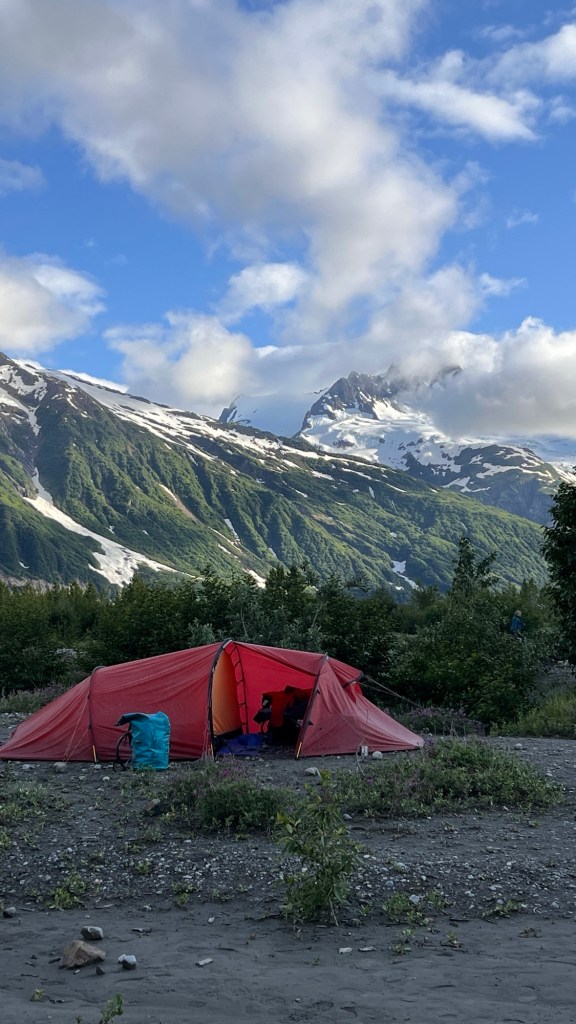
Camp was always beautiful and we scrabbled to find a level, clear area for our tents. After a few days, the tents became a pain in the ass! They were short and squatty, making entering and exiting very difficult without crawling on hands and knees across wet, rocky ground. The sleeping bags were warm and cozy…bonus!

There is just so much running through my mind when I think of the days on the river itself. Once in a while we were asked to paddle, sometimes to help propel the rafts, other times just to stave off the cold chills of the cold rain and biting winds blowing downstream. We all looked like a blue rubber basket of Easter eggs, as we curled up in tight balls to conserve heat. Some days presented with sun and a promise of grand vistas and windless travel. These days would take your breath away as around each river bend, new wonders appeared. It was somewhat difficult to figure out how to layer under the dry suits, but no matter when we left shore, dressed like small children going out to make snowmen, we soon were adding or removing layers…from hot to cold and back to hot if you were lucky, but little in between.

Camp life was usually pleasant, except when the mosquitoes would swarm. The weekend before we arrived at Purple Haze camp, there had been 6” of rain in a 24 hour period, probably why we had wind and rain further upstream. This rain awakened the veracious insects. Black flies and mosquitos topped the ticket. These tiny, or not so tiny in the case of some mosquitoes, will drive you mad! We were lucky that only a few camps seemed to be utterly infested with the biting menaces, and happy they were only one night stays. Everyone adorned head-nets and deet was the preferred perfume of the evenings meal. Dessert was passed on as we all ran for the shelter of our squatty little tents and played the game of smash the rouge mosquito that found its way into the tent, it only takes one of these little bastards to drive you batty.

Alaska has its beauty and also is a harsh environment. It is not for the faint of heart. True Alaskan wilderness is not forgiving and should be entered with caution and care. On the last day, we found out that our pilot had gone missing with 2 others the day before. Due to the search, no plane was coming to get us. These were seasoned veterans of this Alaska wilderness and its small communities that depended on their services. Tragedy and grief is not an emotion I thought I’d experience on this trip.

I can’t tell you if I was ready for the myriad of emotions I went through but in the end…it was an experience of a lifetime and one that will be remembered. Alaska is wild, natural, stunningly beautiful, incredibly demanding and deadly.

A Tragedy

We are flying at 12000’ above the ice choked mountain tops of Glacier Bay, Alaska. Whenever the clouds part, we all crane our necks looking for a small airplane. The search continues today for the missing pilot and we have become part of the search, as anyone flying today.

We found out the rest of the story today from our taxi driver, Jax. She explained how loved and revered these 3 people were, an integral part of the community here in SE Alaska. Samuel, or Sam, was a seasoned pilot that loved the community and flying. Tanya and Hans, also in the missing plane, were also stand up members of the community. Hans provided air transportation to rafting companies, anglers, hunters and commuting people to other bigger cities around SE Alaska.

According to our taxi driver, the three had just attended a wedding in Haines and were on their way back to Yukatat when the plane went missing off radar around the Fairweather Range, a location of vast mountains and glaciers, rugged and beautiful.

Sam used to play Uncle Sam in Haines’ 4th of July parade. Hans and Tanya had been together forever and were integral members of this small tight knit community. The admiration and sadness, coming through Jax’s voice as she recanted memories. The entire atmosphere of Juneau, Haines, Yukatat and Dry Bay, has grown solemn as the search was called off due to bad weather. Planes have been grounded as a fog and rain blanket the coastal area again.

This weekend is the county fair in Haines. I’m sure that the revelry will be quelled by the loss of these three.

Rain and more rain

We woke up this morning to rain…not just a few pesky sprinkles like yesterday…but a steady down-pour. From the looks of it, it’s been raining all night. Forecast: 90% chance of rain all day. I say let it get it all wrung out of its system now before we hit the river.

We went to a local restaurant last night, the only one open in all of Haines. We sat up to the bar, since no tables were available. The waitress/bartender was running around waiting tables and tending bar. For almost 3 hours we watched her skillfully doing her job, not missing a beat. It took near 30 minutes or more to take our order and another hour plus for the food to come out. Back to small town speed.

A couple came in and settled in next to me. First, Henry, a First Nation member, then his girl friend, Carol, a white, small statured woman. They had so much advice for us, from what was good to eat, see, hikes, and so forth. They knew of the trip we were going on and told us it was a great trip. Apparently the company gives away a free trip to locals once a year. They also mentioned that the town hadn’t had any good rainfall in some time…wish granted…it’s raining.

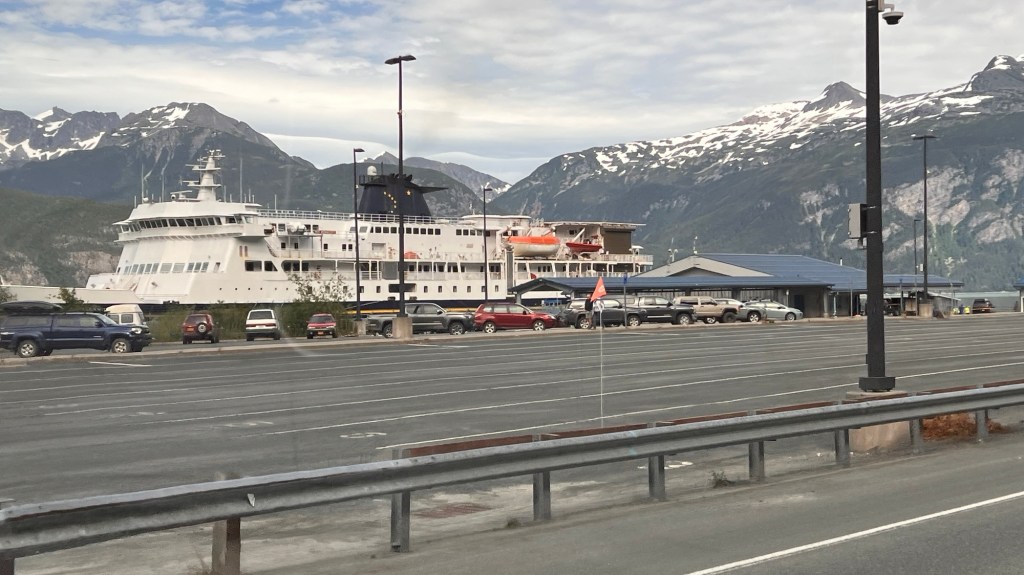
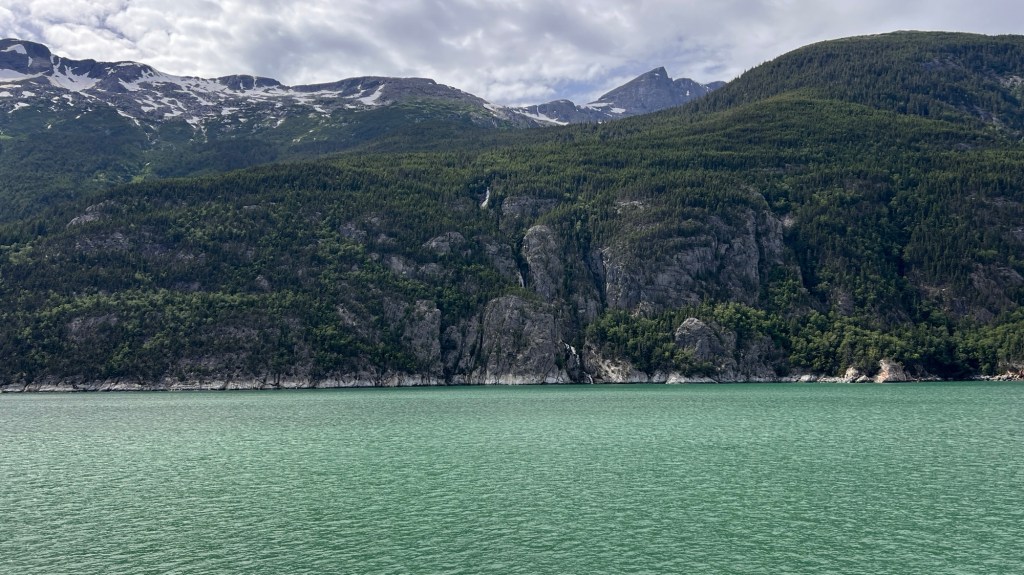
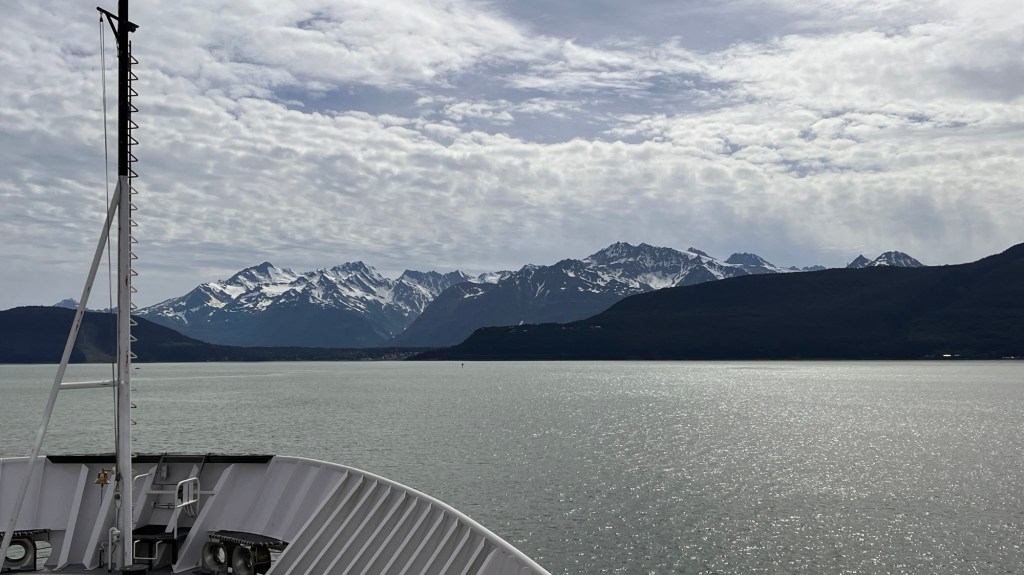
Our journey to Haines took us on a ferry on the inside passage from Skagway to Haines. It took the best part of 3-4 hours for the loading, sailing and unloading in Haines. The trip was amazing. The views were more of the same…mountains climbing up out of the sea and scraping the sky. Some were draped in clouds spilling over the tops like a huge pillowy blanket. Most had veins of white snow outlined in groves of hemlock, birch and spruce.

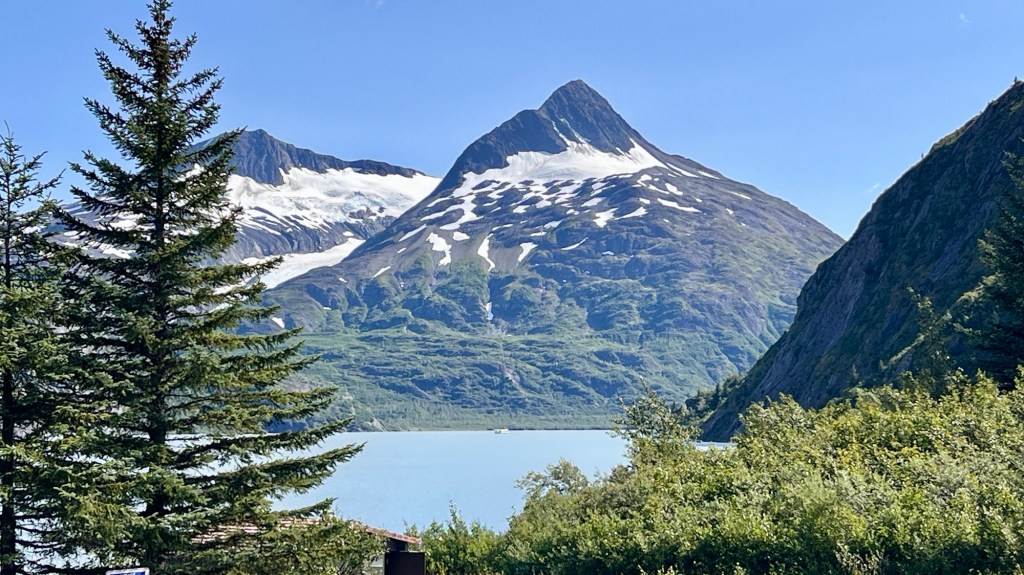
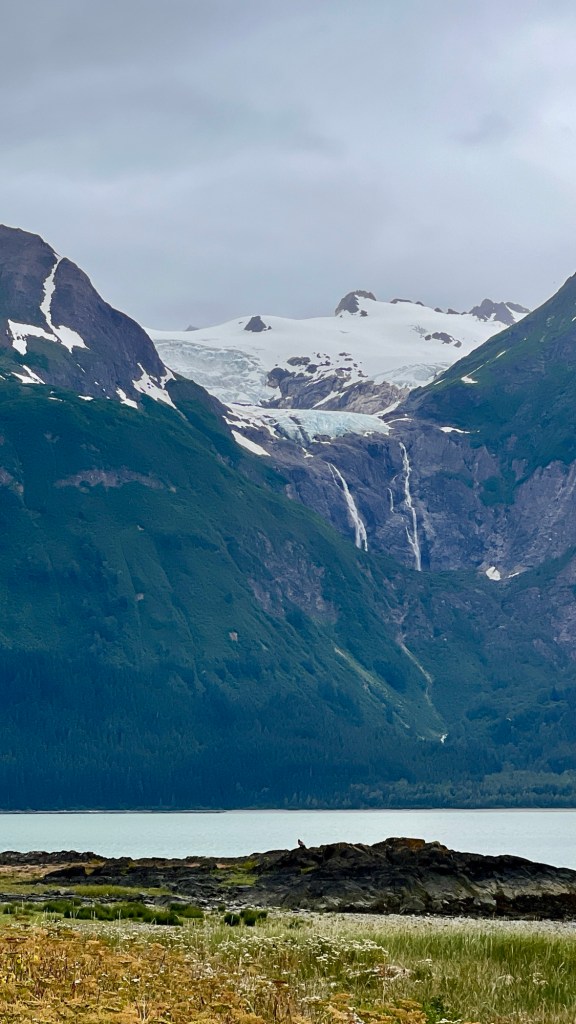
As we approached Haines, a gigantic blue and white glacier appeared in a huge valley atop a mountain. The glacier looked miles thick from sea level and took on the typical pale blue of the glaciers. At the toe formed 2 huge waterfalls cascading down the mountain face and bursting into thin air as it plummeted over the edge. To the left was a river glacier. It curved around from a canyon inside the mountain and spilled into the bay. Just an amazing sight to behold.

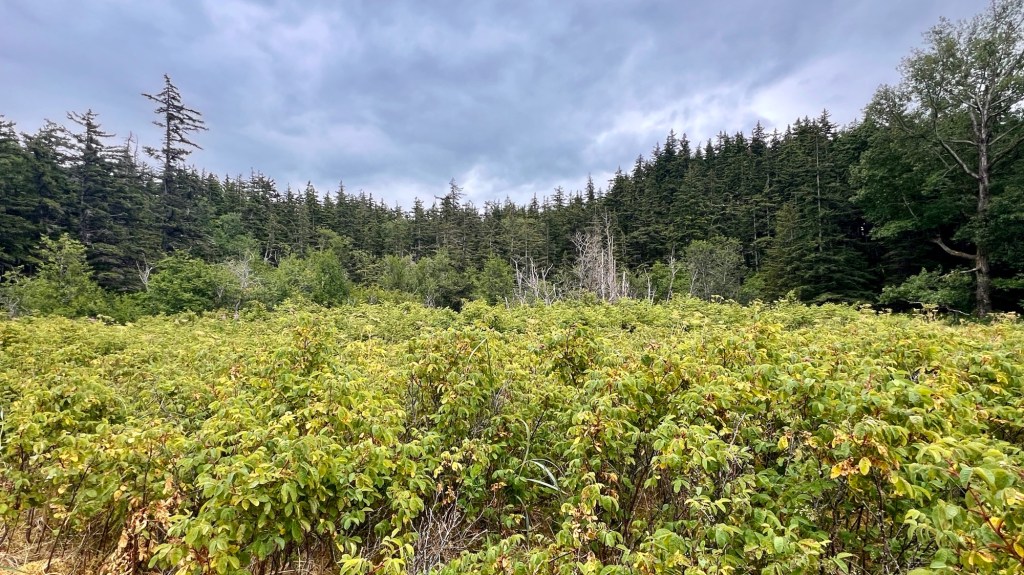
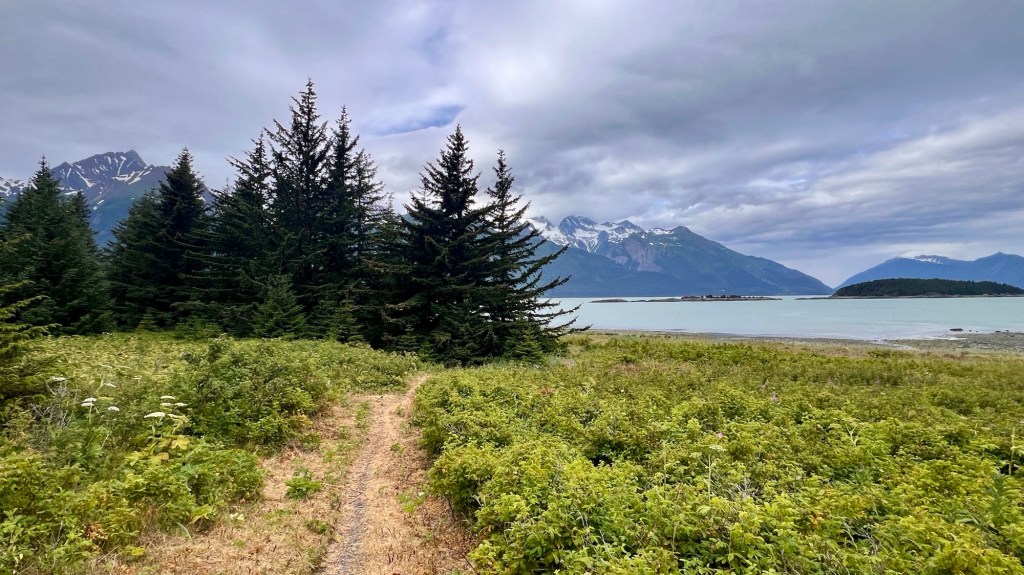
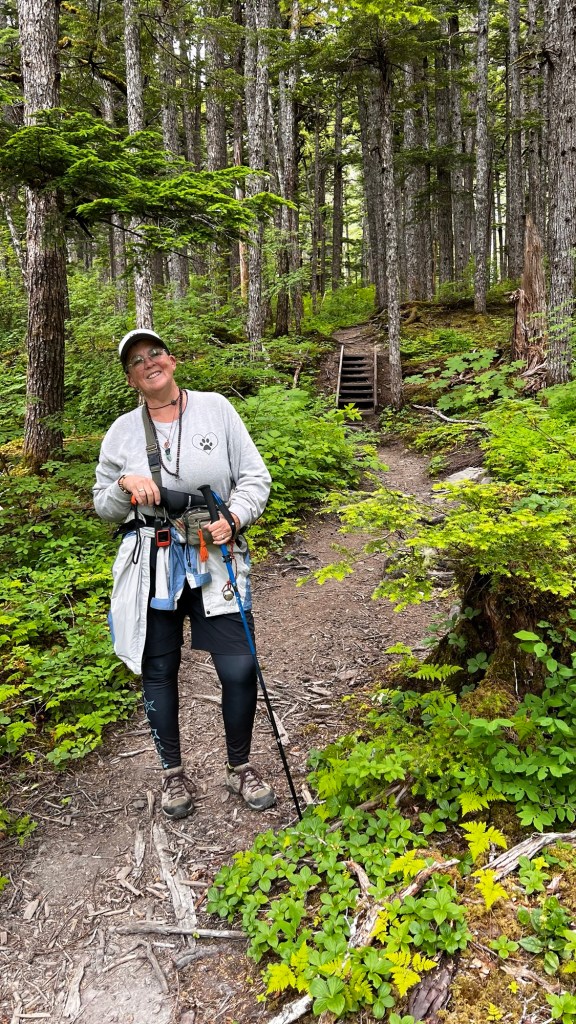
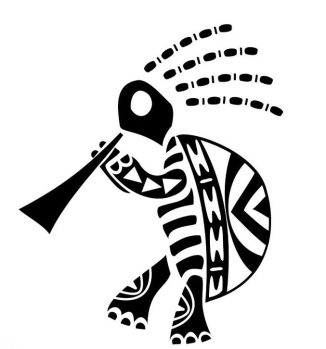
We took a hike out to a point where we could see the bay and for miles up and down the fiords. We hiked through the most beautiful coastal rainforest. Thick hemlocks, spruce and birch trees stood along with thick thickets of devils club towering above our heads. We carried a machete, bear spray and bear bells to ward off any predators we might encounter. Maybe a bit of over kill but we also played the Carlos Naki native flute station down loaded on my phone, to warn anything we are coming. A little bear prevention goes a long way. The hike was beautiful and the final destination just took our breaths away.

A big animal den

Crossing borders

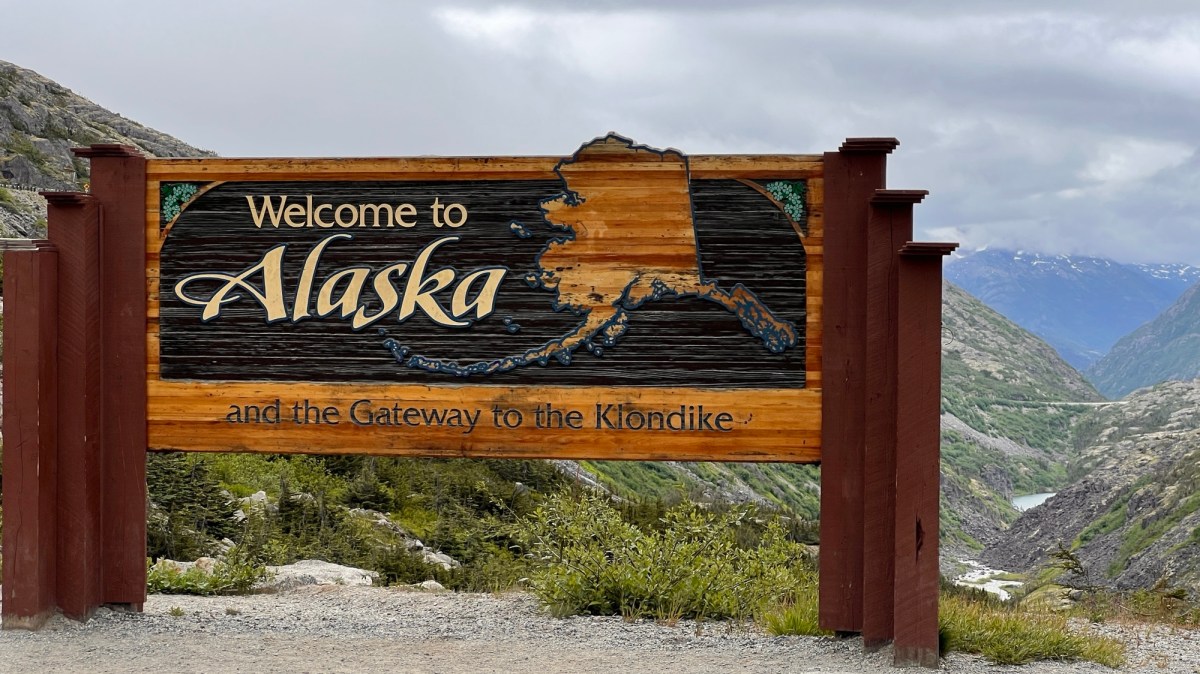
It’s been 12 days since we left Salt Lake City. Twelve days of constant driving, sleeping, hiking and driving some more. Yesterday, we crossed from Canada into Alaska. The grandeur of the views before us just kept getting more and more grand as we pushed through the rolling hills, and back to the Great Northern Rocky Mountains.

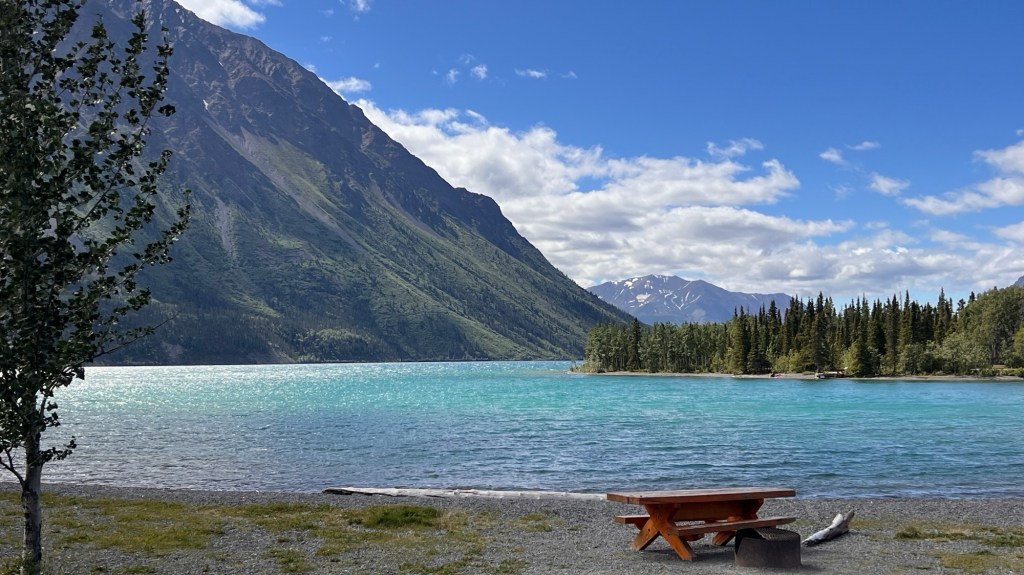
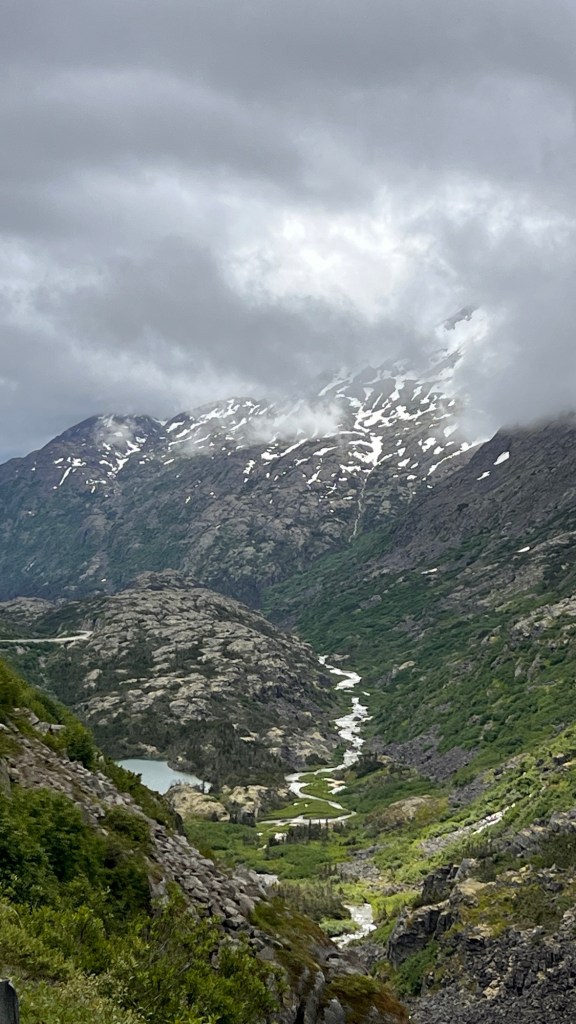
White Pass was a long mountainous pass with switchbacks and craggy glacier choked peaks jutting up from the valleys…with rivers flowing out of these behemoths in cascading waterfalls. Scattered snow melt lakes dotted the landscape, each with its own color of blue, green or milky white. The subalpine trees sprung up from rocky out crops and random high spots, stunted by the harsh winter months and many feet of snow. Small creatures darted from tree to tree, outcropping to outcropping. Birds flitted from tree to tree, with some doing crazy mid-air acrobatics, chasing insects we can’t see.

We exited the ALCAN Highway in Tagish, connecting with the Klondike Highway for our last push into Skagway, Alaska. The history along this stretch of road dates way back to the late 1800s when the gold rush took over this part of Canada and Alaska. The Tlingit people trapped this harsh land for survival. The Russians came to harvest what they could from the gold rich mountain streams and lakes and to buy pelts from the Tlingit people.

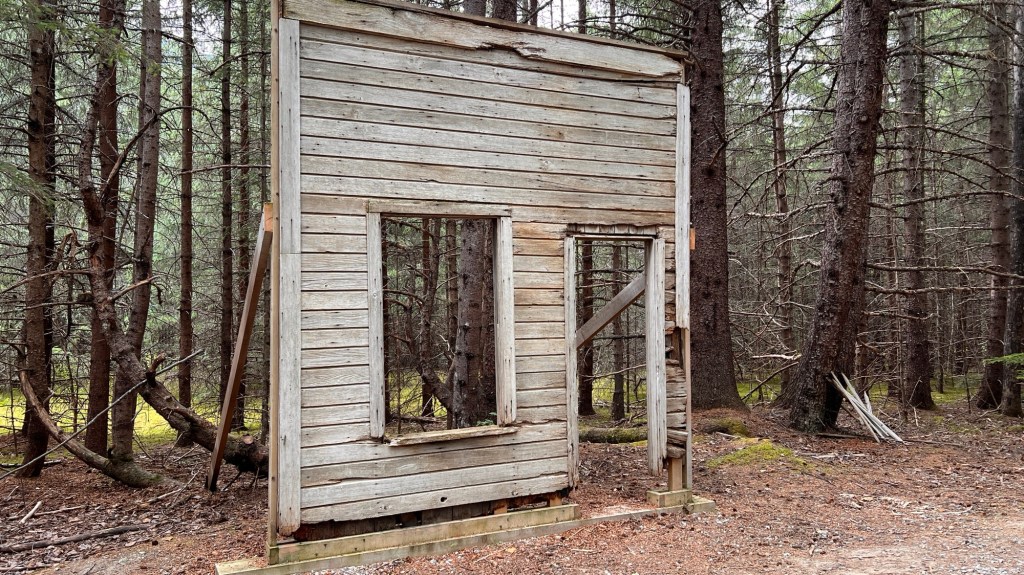
In 1942, the Alaska Highway was being completed which brought more and more people into the small villages and allowed for stores, saloons and hotels to spring up creating a booming mercantile market that allowed for easy sale of pelts and goods needed for gold mining. All this collapsed as the gold dried up. The roads to the villages still remained so the Tlingit continued to occupy the infrastructure that remained and created a lucrative trading business of beaver, lynx, bobcat and other large game animal hides. They supplied gas to westward travelers in their fancy new cars, a place to sleep and eat. Some of these towns, such as Dyea, have streets and street name signs, but the buildings have long since returned to the earth. Only trees, pictures on posts, and a boreal forest stand where the buildings once did. It is left to the imagination once again.

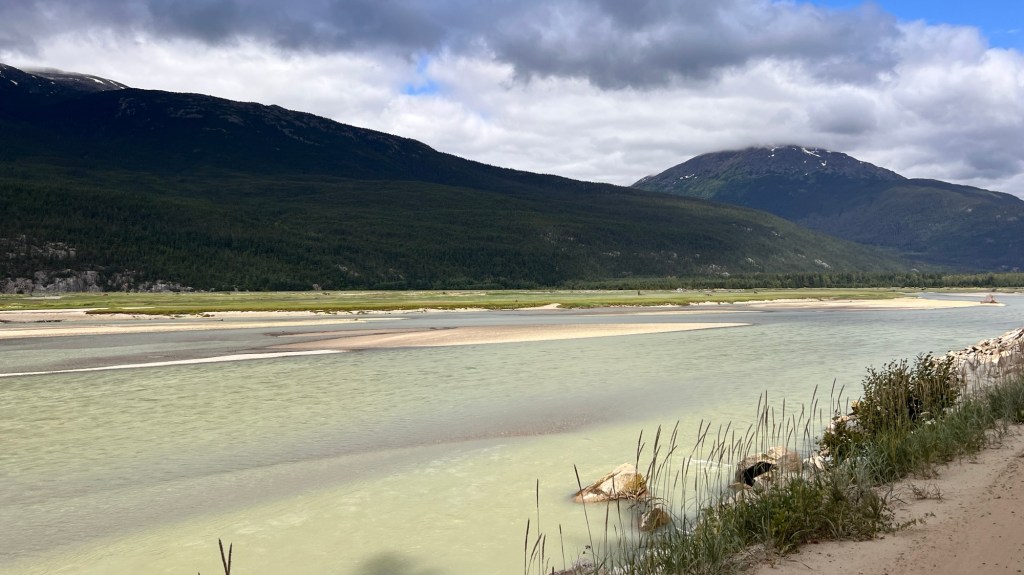
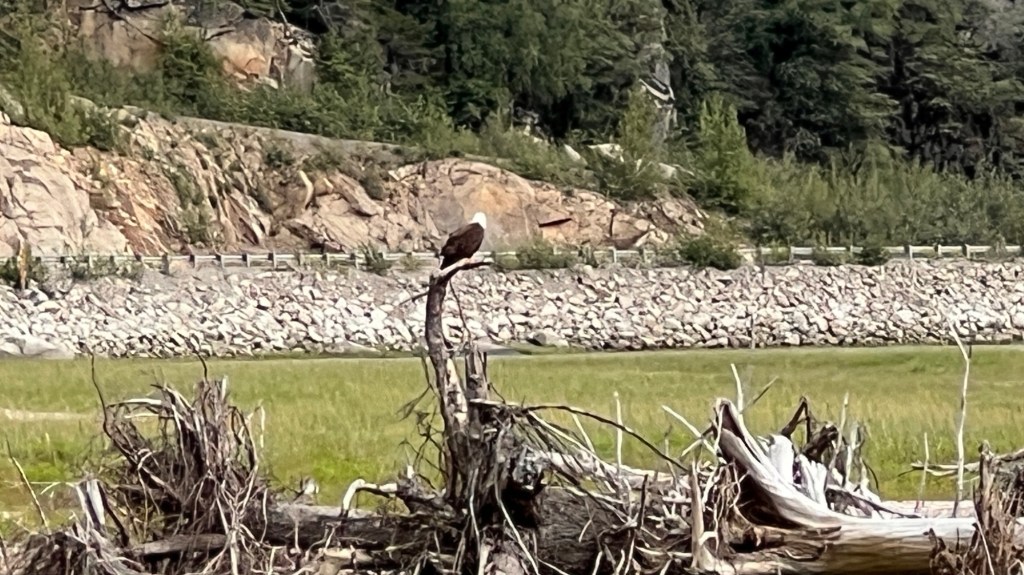
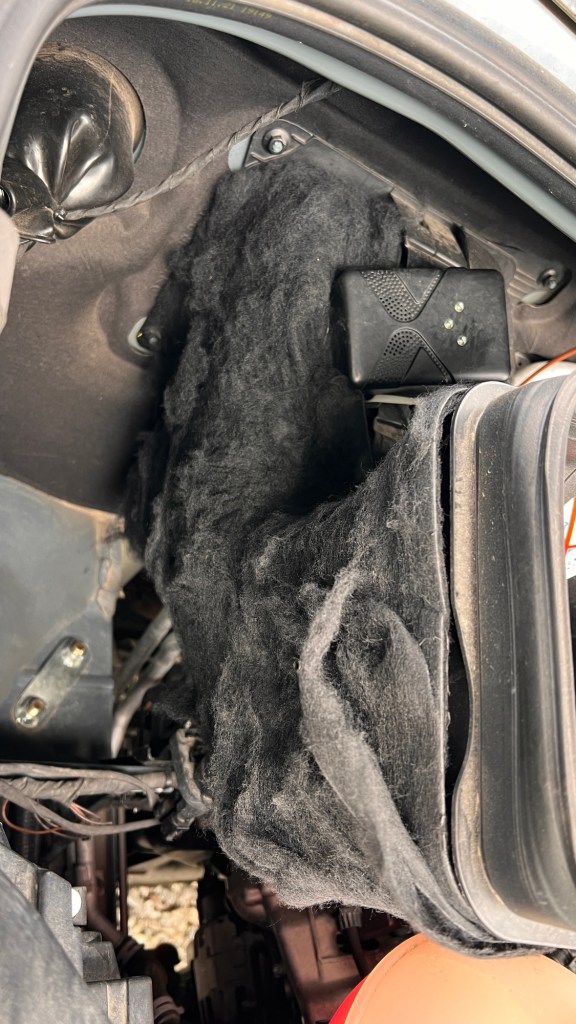
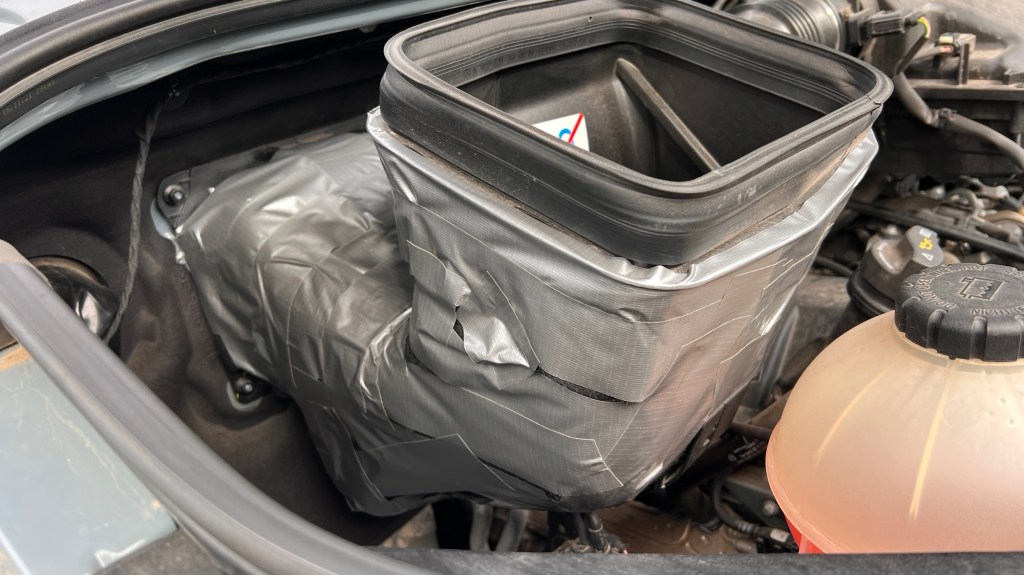
We chose to stay in the historic district/town of Dyea last night and tonight. Our camp sits on a tidal river. We learned that there are 22 different species of mosquito in Alaska, and I think we encountered half of them. A strong breeze did keep the rest of them away. We were entertained by a couple of bald eagles hunting on the tidal flats. We were not so amused by the little chipmunks that thought it would be fun to get up under the hood and strip some felt insulation off an intake for the fresh air by digging it off fuzzy piece by fuzzy piece. We decided to tape the shit out of it to prevent any more marauding.

Skagway

Today we packed up, went into town, and got showers at the Skagway Rec Center…much needed. You can pay $10 and stand under all the hot water you want! They even provide towels…bonus. Now all clean and wearing clean clothes, we are going to “paint the town” of Skagway.