Is the Grass Really Greener?

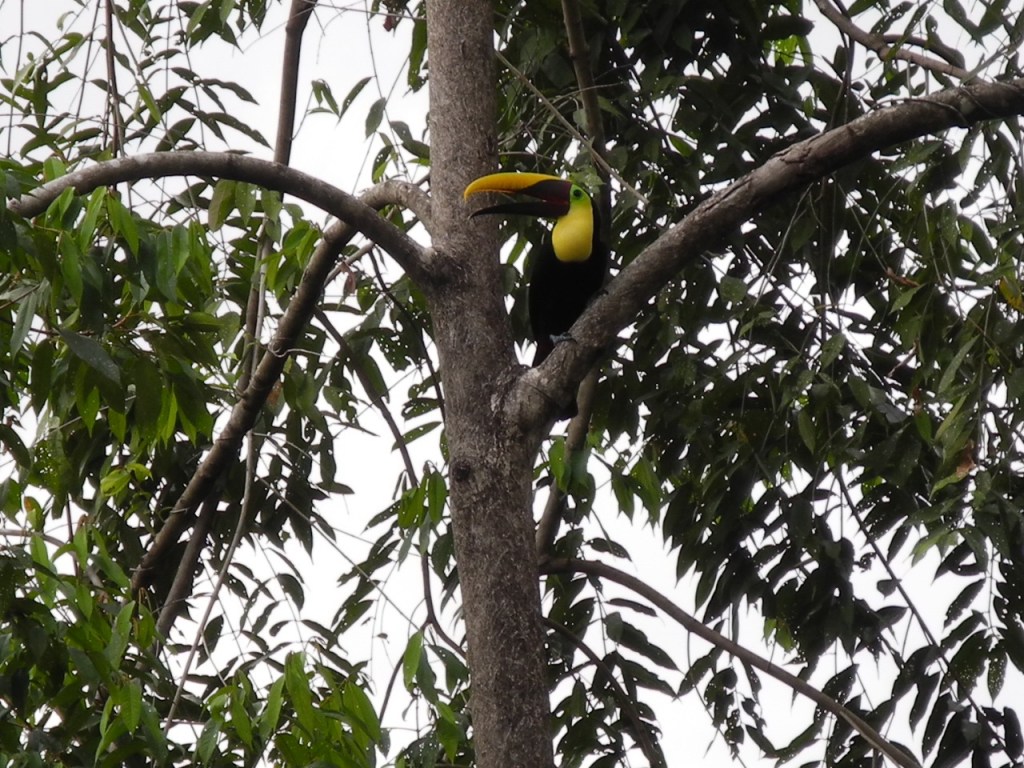
It’s an absolutely stunning morning. A week before Christmas. The sun has risen above the mountains, drying out any hint of dampness left behind by the night’s rain. A slight breeze kisses my cheek, inviting me to awaken to the promise of this day. The soulful cry of the toucans drifts through the cool air, igniting joy in my heart and bringing a smile to my face. The day’s activities have already begun.

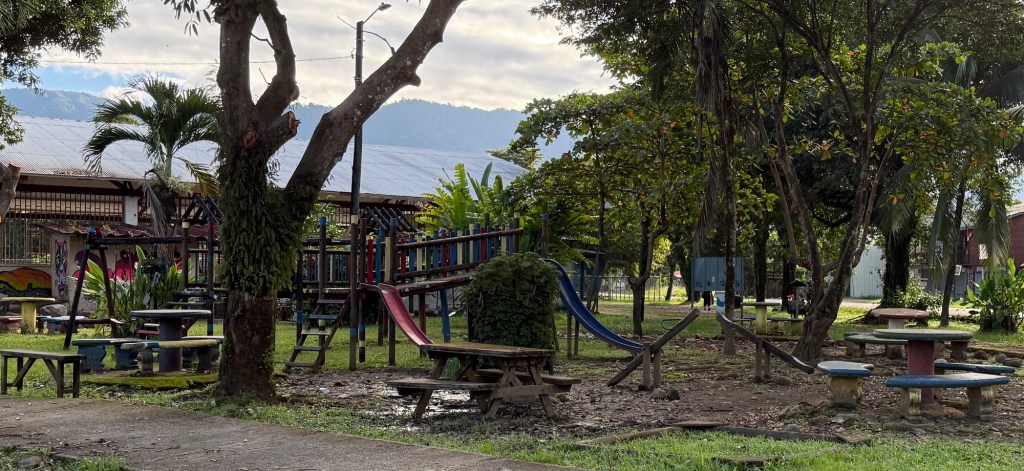
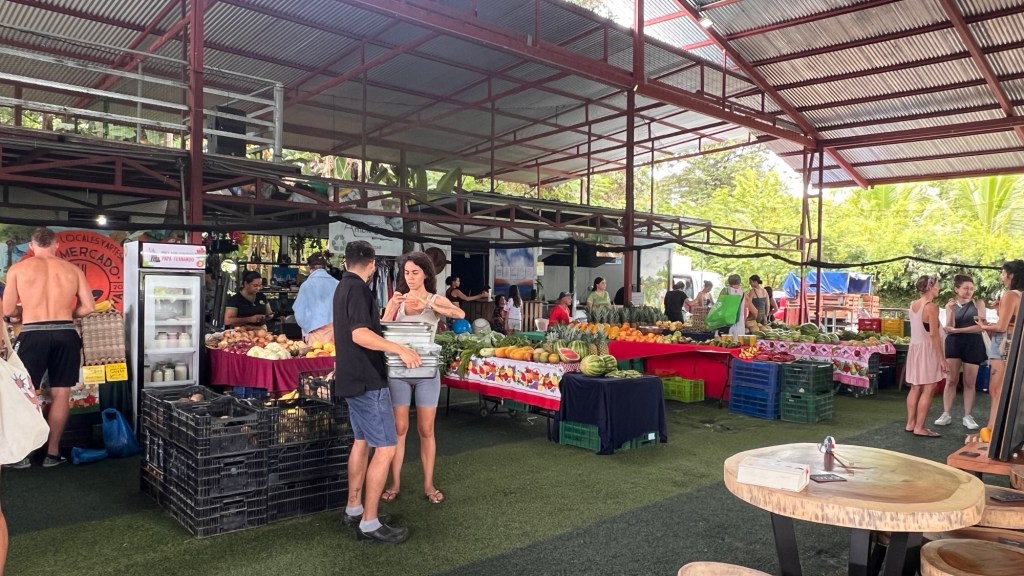
It’s been three months since we moved to Costa Rica. Every day brings something new – some good, some not so good – but everything offers a chance to learn. We are slowly settling in, and time slips away so easily here. Some days I sit quietly on the back patio, simply taking it all in. Other days are a flurry of activity – from Tai Chi and volunteering, to ferias and multiple shopping stops to gather what’s needed to prepare wonderful meals. And of course, there are beach days. It’s amazing how much time there is once you’ve stopped. Stopped working. Stopped traveling. Stopped worrying.
We move through phases of bliss and phases of WTF are we doing here?! 

This is a country of mixed messages. There are moments of total chill – when everything flows effortlessly, without a hitch. And then there are the moments marked by a lack of urgency or commitment to show up on time…if at all. The Tico people are wonderful; there is simply no rush. You can plan your entire day and watch as not one thing unfolds as expected. By day’s end, you may realize you’ve waited and waited, yet nothing has gotten done. It’s frustrating – mostly when we compare life here to life in the States. Every choice carries consequences, both good and bad. This choice was ours.

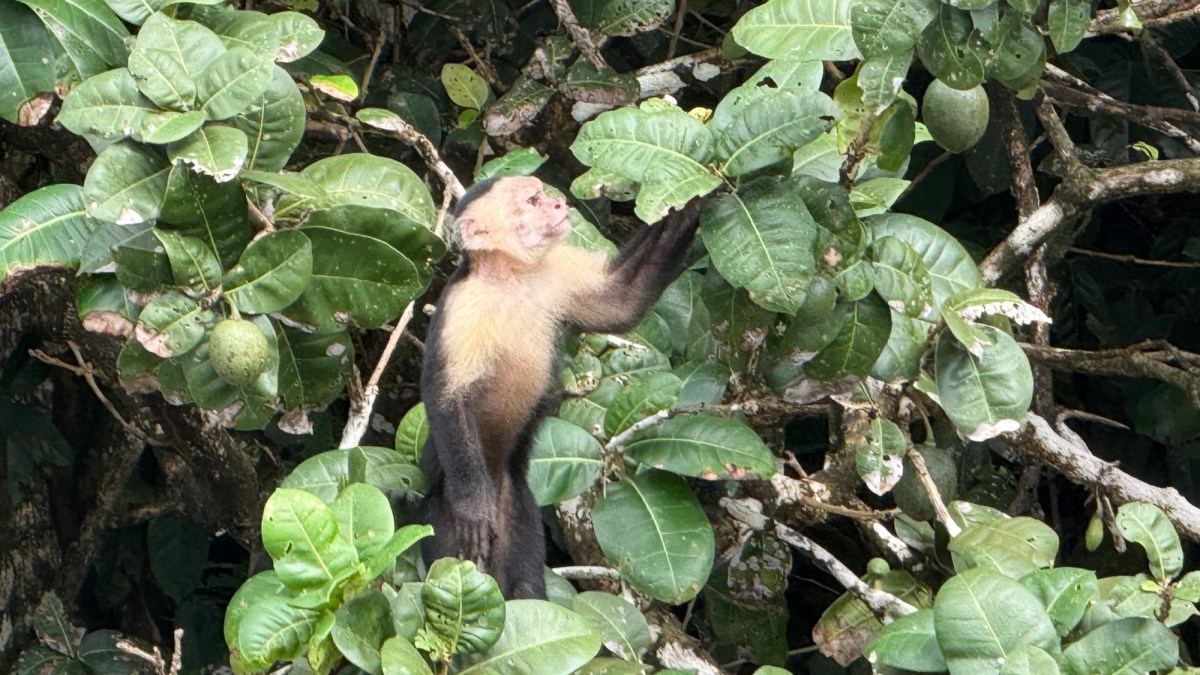
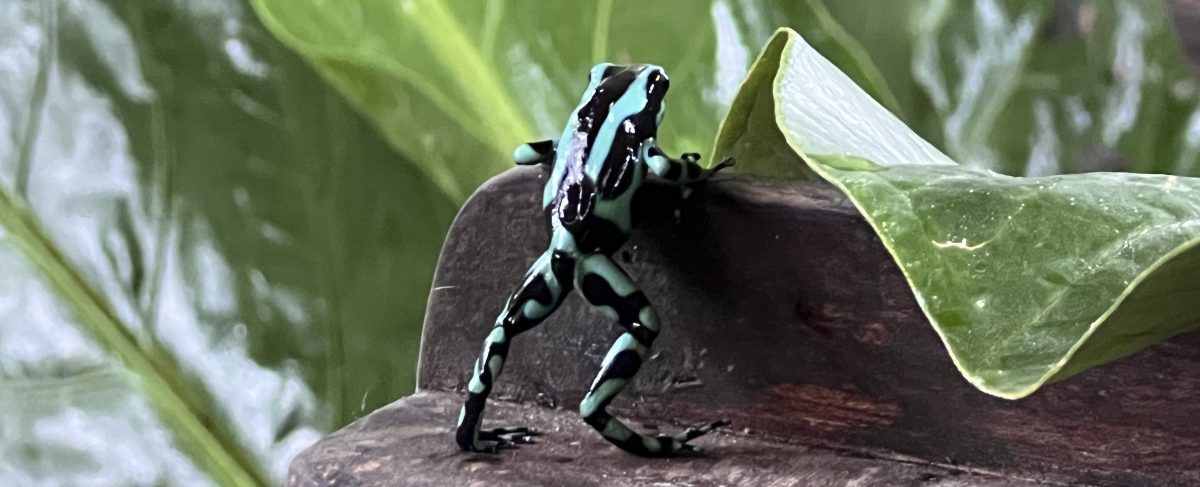
Then there are the funnies. It’s a bright, sunny day and the power blinks on and off several times within a couple of hours. It’s pouring rain – the power blinks again. This week there’s a leak in this water main line or that one, so sorry, the water will be off for a few hours – not for lack of water, mind you, there’s plenty of that. Huge green Iguanas choose our back deck for make-out sessions, then cool off in the pool afterward. Tiny spiders float endlessly from thing to thing, leaving us to walk through their strands face-first. Each morning I dust every piece of outdoor furniture, trying to stay ahead of yesterday’s web trails. Geckos poop all over everything leaving little mouse poos with white dots looking like an explanation point – guess they are making a statement. And of course, there’s the ongoing adventure of asking and answering in Spanish. 

The list goes on.

It’s the dry season now.

We shall see how green the grass stays.

Rain and Rejuvenation

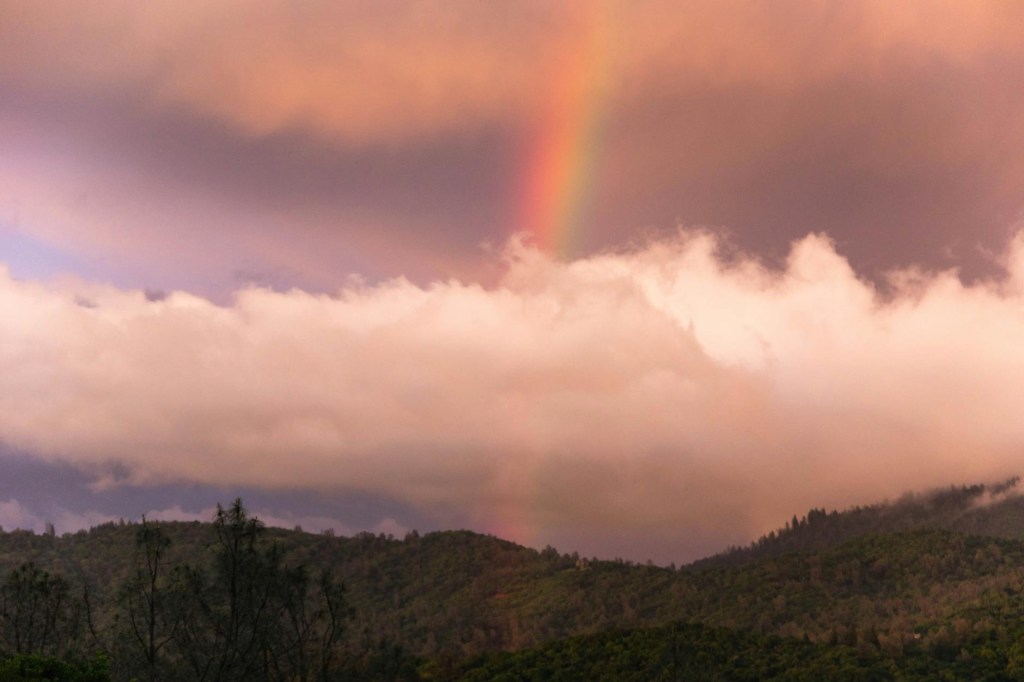
I’m sitting here on my patio watching the rain come down—again. We’ve had a ton of rain since Hurricane Melissa first appeared as a blip in the Caribbean. It must be true that October is the rainiest month in Costa Rica. We’ve had over twenty inches of rain this week, and more is falling.

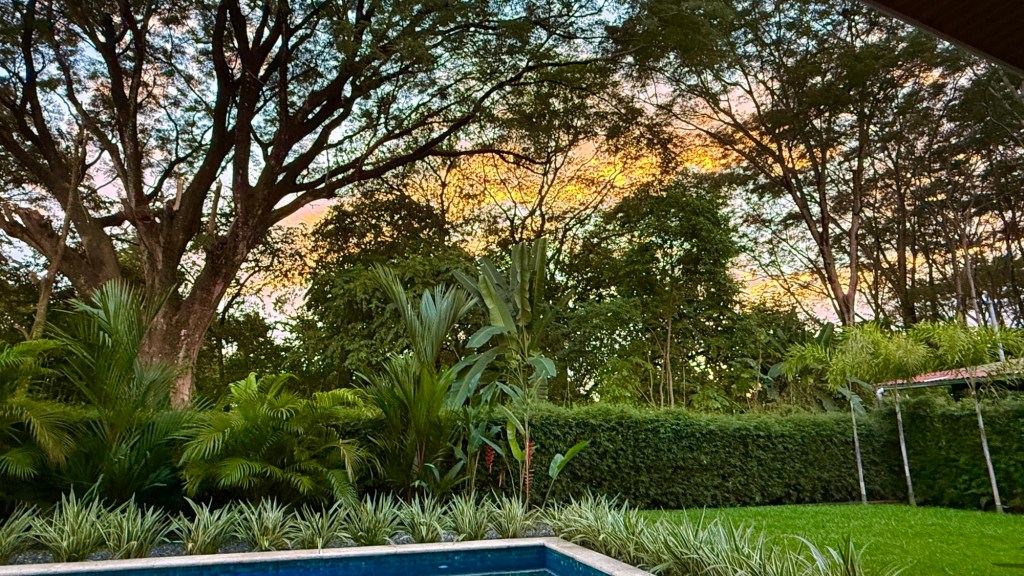
And let me tell you—it knows how to rain here. It’s never just a “passing shower.” Back in Utah, we’d call these “gully washers.” For example, our pool’s water level usually sits about six inches below the lip, but last night, after just two hours of rain, it reached the overflow drain. For the next four hours, the drain couldn’t keep up, so I had to pull the cover off to let the water escape before it spilled over. Our pool is about eighteen feet long and twelve feet wide. I’m no mathematician, but that’s a lot of water.

Why did I mention Melissa?

Part of learning to live in a new country is learning its weather. We don’t have regular TV here, so most of our information and alerts come through WhatsApp. I saw a question recently posed to a local meteorologist: “If the hurricane is in the Caribbean, why is the Pacific coast getting high tide surges and flooding—while it’s sunny on the Caribbean side?”

Here’s where it gets a little nerdy. A hurricane is a living, breathing, seething wonder of nature. It pulls energy from all around it—even thousands of miles away. Just off the Pacific coast of Central America sits the Intertropical Convergence Zone (ITCZ), which holds an immense amount of humidity—a marine layer of warm, moist air. The hurricane literally pulls that ITCZ over the nearby countries, where it becomes supercharged by local weather patterns. The result? Torrential rain that can last all day.

During a “normal” rain, you can feel the humidity rising. The air gets heavy and oppressive. It’s no wonder everything here grows so fast, so big, and so green.
This week, we’ve also begun a new path toward better health—a change in diet, shifting old habits, and replacing them with more holistic practices. We’ve started giving back to our small community by volunteering and joining in the local energy and vibe. We’ve taken up Tai Chi, sound healing, and slow forms of yoga and breathing.

Today, I attended a “Morning Melt: Cacao and Devotional Singing Ceremony” at a local shop here in Uvita. There’s always some class or workshop on wellness, spirituality, or healing happening here. It’s about getting well—not just treating symptoms.

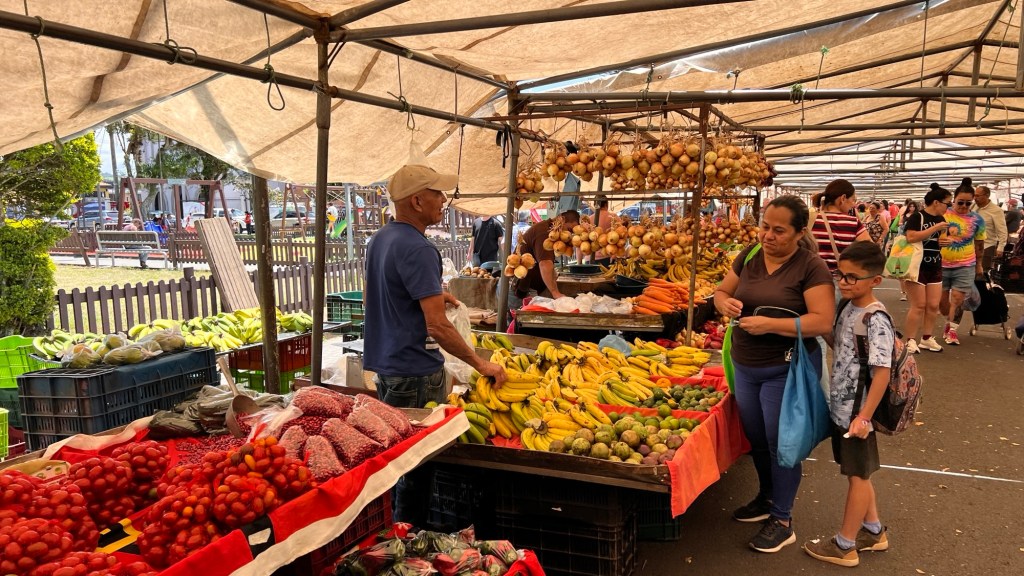
We eat fresh produce from the farmers market, grass-fed meats, and organic everything. We know where our food comes from—nothing is trucked in from far away. If it’s in season, we get it fresh. It all adds up to our main reason for moving here.

Here, in Costa Rica, we just might become young and spry again.

Oaxaca: First Impressions

I don’t always know what it is that will catch my eye, tickle my nose with a new scent or ring out in my ears as I walk through this city. There is a rhythm to life in Oaxaca. 

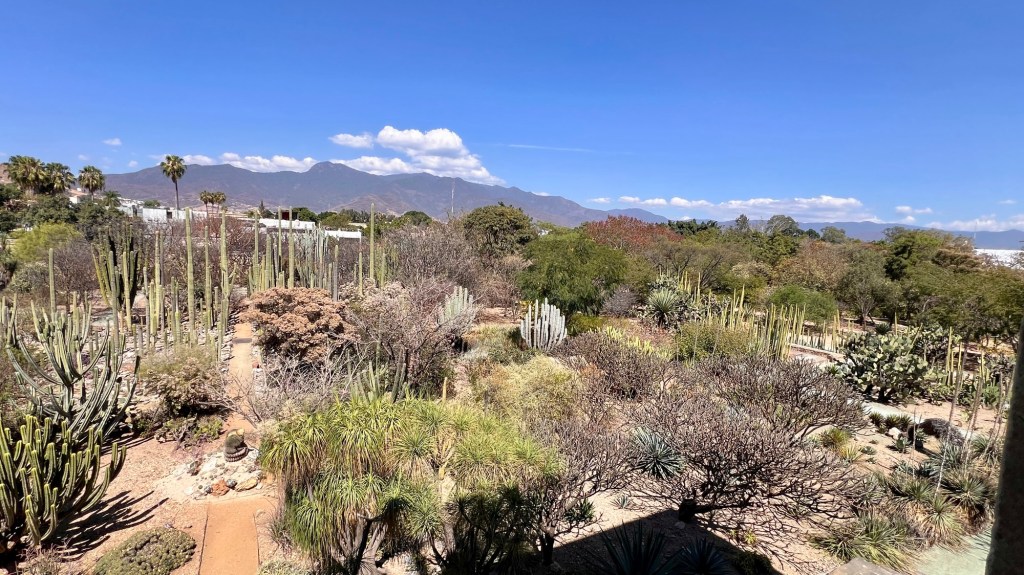
The air is fresh here, with the exception of the occasional stopped traffic and the fumes from the vehicles. The sky is a deep azure intensified by the altitude of just over 5,000 feet or about 1,500 meters. The city is surrounded by mountains that can only be viewed from a rooftop terrace as found in almost every building. The foliage is a tossup between tropical and desert yet the air feels hot and dry with the sun’s intensity making it feel even hotter. 

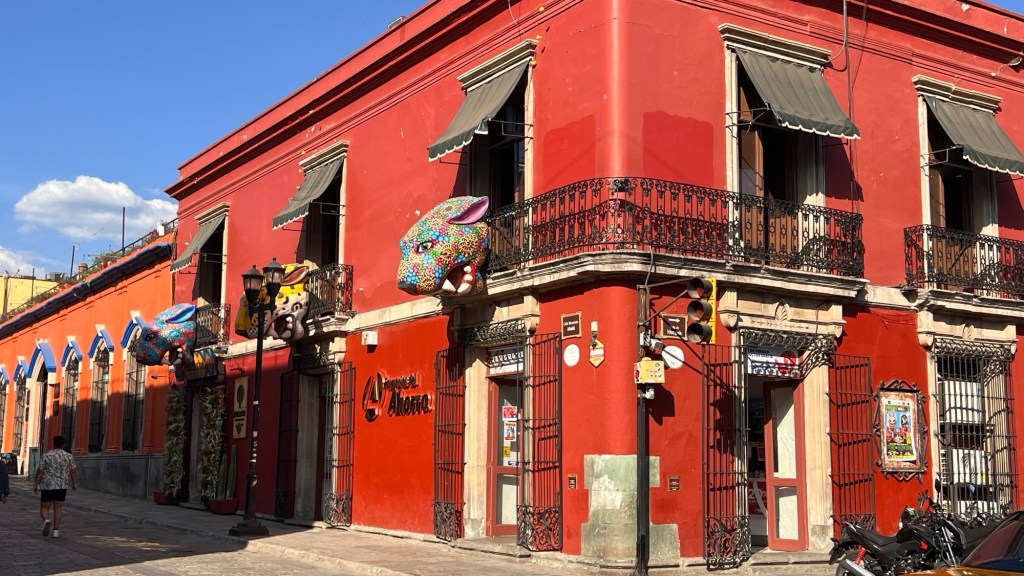
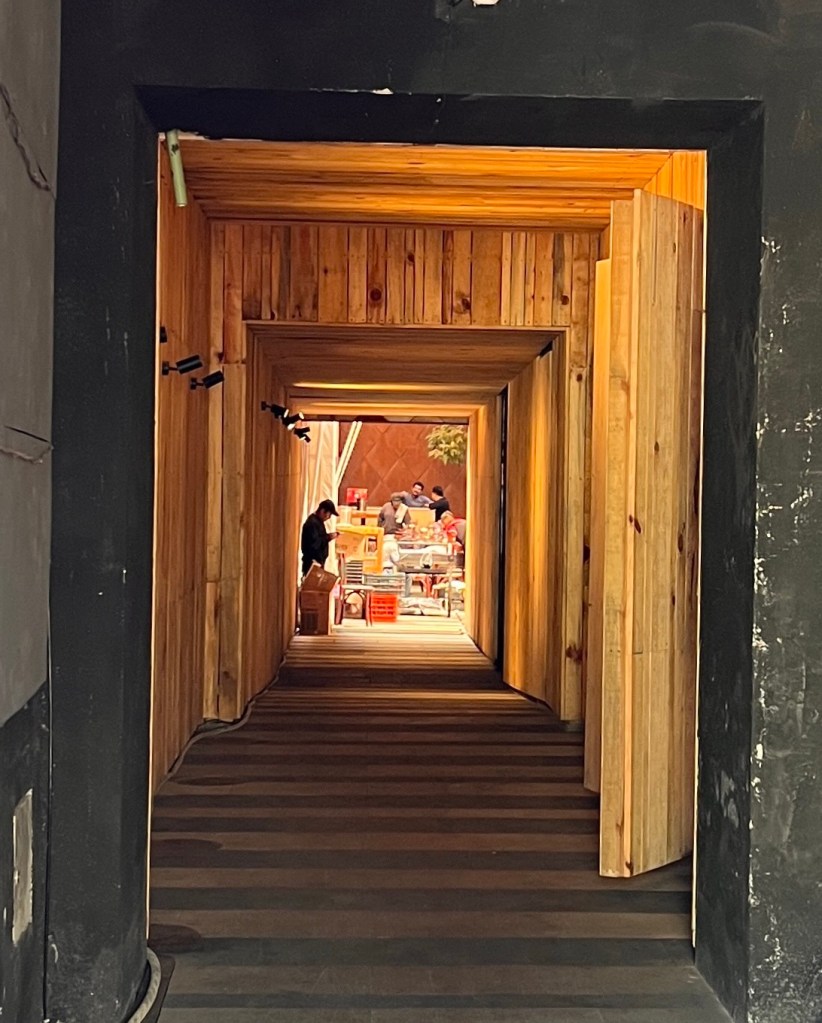
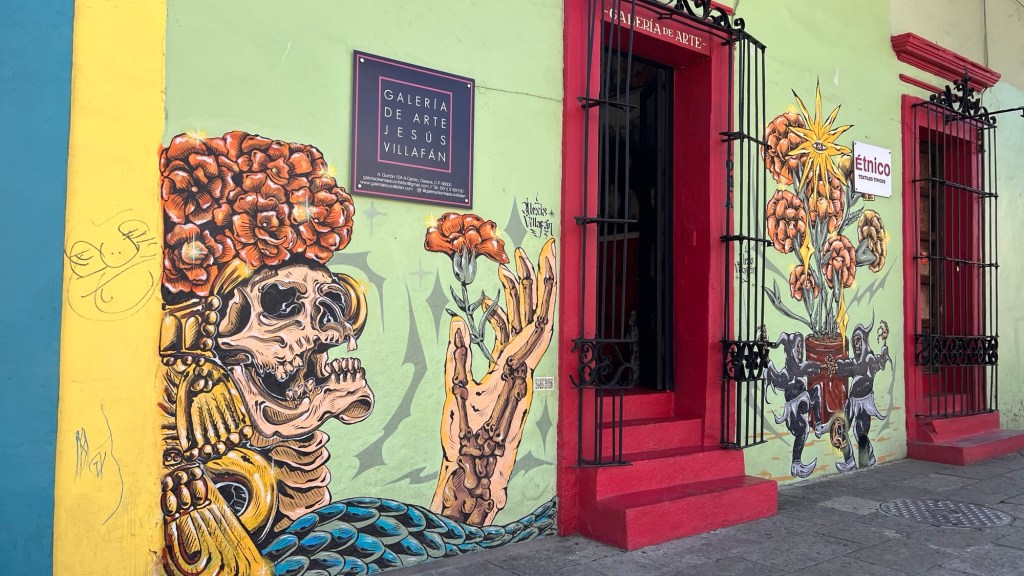
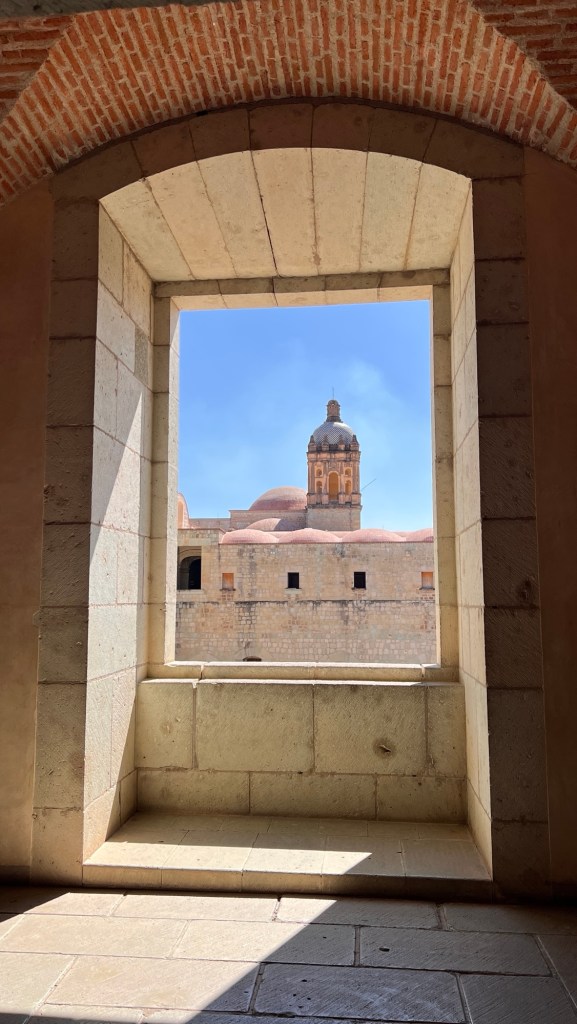
The rows and rows of solid walls with a doorway leading into the very heart of the building. The courtyard. Most of the city is Spanish colonial. With often times three generations living in one home, the configuration of these lovely, colorful buildings makes total sense. Each interior is different with only one common theme, the courtyard with rooms off to kitchens, bathrooms, offices, indoor gathering areas, and a rooftop terrace. The special touches added by generational influences, cultural appreciation, artisanal likes and tastes. Colors vary greatly but tend to lean more tropical, bright oranges, blues, yellow and greens. There are often bars on the windows to the outside which after a fashion becomes part of the architecture and less about crime. 

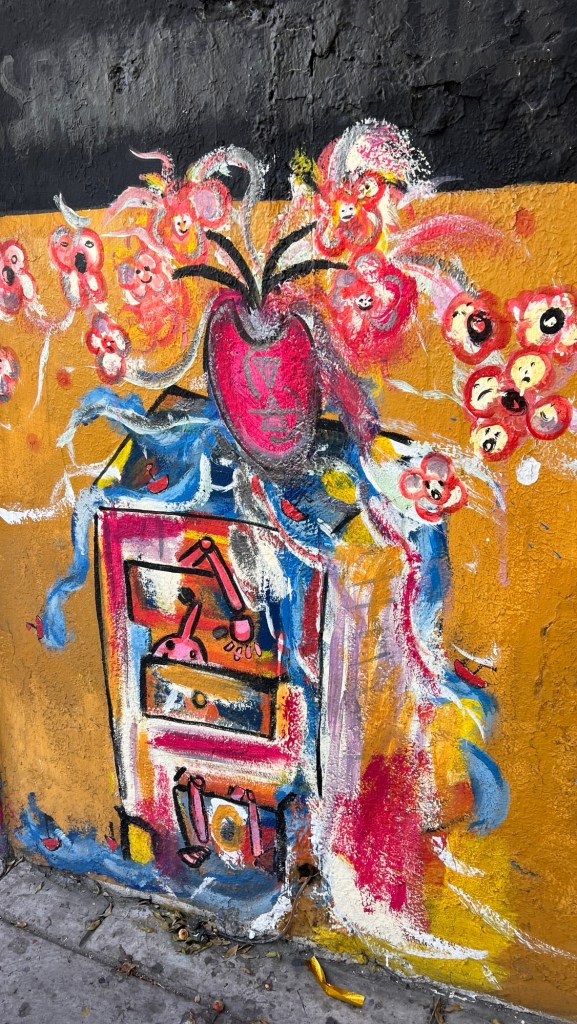
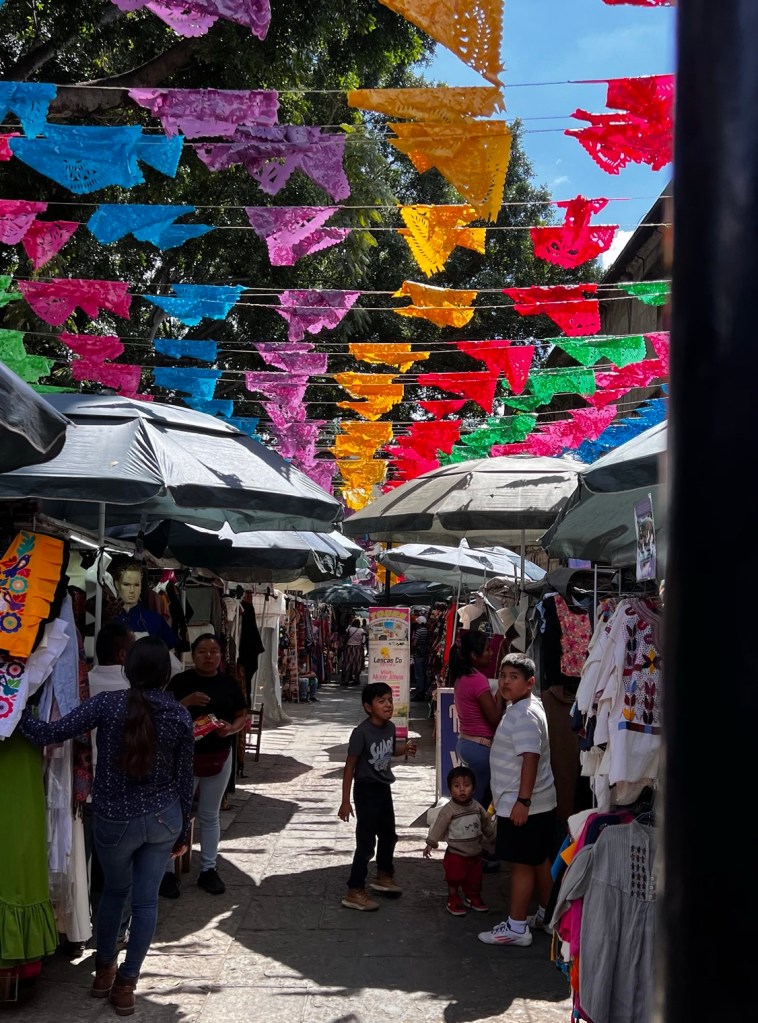
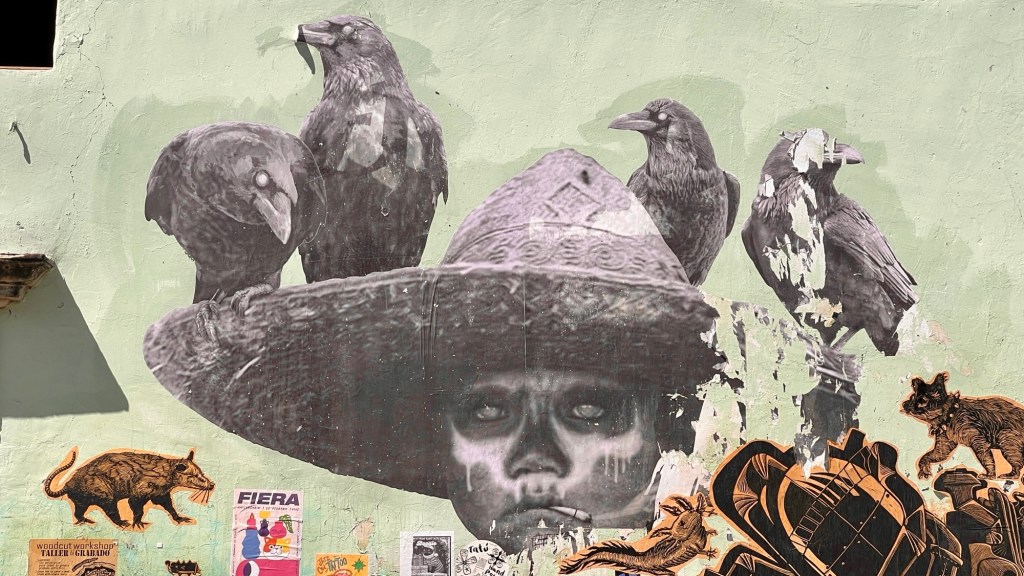
The streets are clean and tidy and mostly made of blocks of rock or cement, each hand laid and leveled. The pride of the people shines through in most all areas, though there is a free “artistic” expression found on most every wall. Someone’s personal stamp on the world, be it graffiti or actual pictorial design. Each says something about the trials, tribulations and triumphs of life here. To say “hey I’m here.” To convey a thought, political statement or just to advertise. 

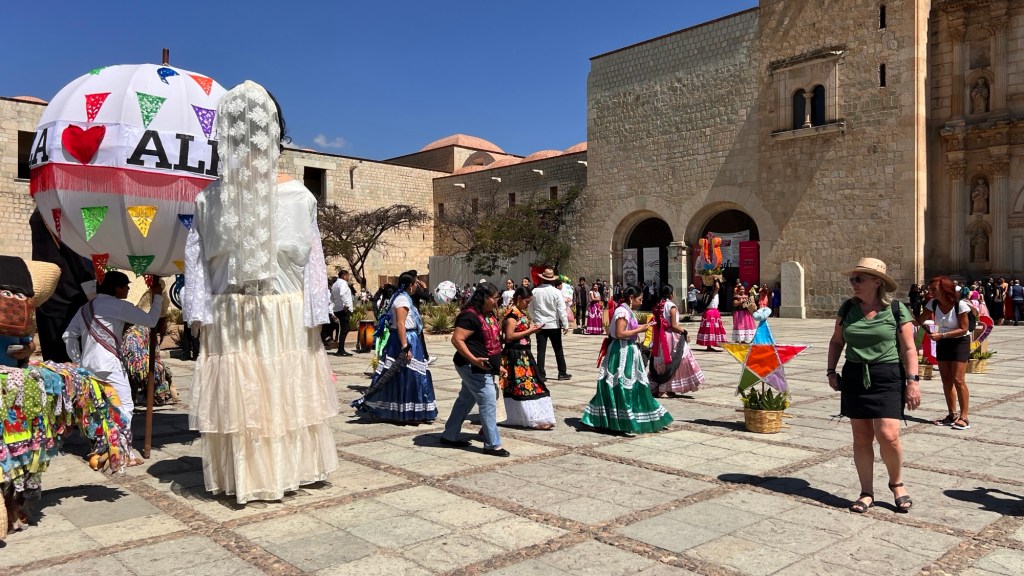
The Catholic Church is the center of each small neighborhood. There are over 25 churches and 125 parishes in Oaxaca Centro, the main being Templo de Santo Domingo. Every Saturday, weddings are performed at this enormous church. A precision sets up outside the church, consisting of papermache edifices of the bride and groom that twirl and sway while a marching band plays. Women and men in typical Mixtec and Zapotec costume of bright colors with embroidery depicting the cultural symbolism of their heritage. It is quite the fan fare and each wedding is held on the hour and the revelry commences as the newly weds exit the church. 

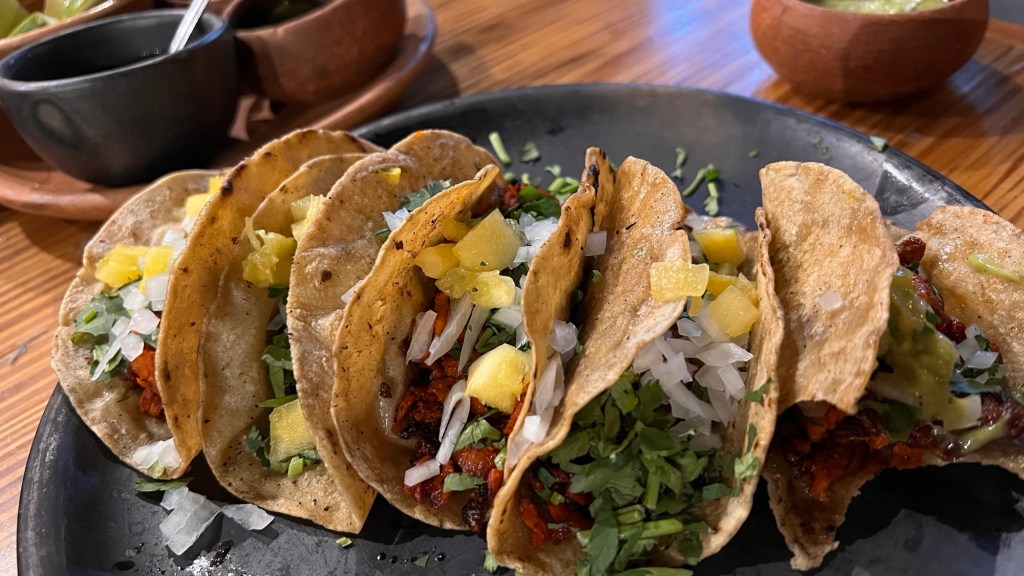
The food here is amazing. It is freshly made to order, be it a restaurant or street vendor. The smells waft on the breezes through the walled streets, making one’s mouth salivate. The ingredients are not always known to us but we are adventurous and step out of our comfort zone to try new things. Oaxaca is best known for two culinary items…Mole and Mezcal. There are so many variations of Mezcal that can be found in the place of whiskey or regular tequila in many drinks. Each Mole is also crafted by hand in an arduous process and it seems the variety of Moles are endless.

We’ve only begun to scratch the surface and we’ve got another week to experience Oaxaca. A foodie heaven and cultural center, with hundreds of maze like streets to explore. Best done on foot so not to miss anything hidden inside a doorway.