Gratitude


The weather is beginning to cool down quite a bit now. The leaves are beginning to change colors. The tourists are starting to disappear. The days are growing shorter. It’s now fall in Montenegro. Our time here is drawing to a close.

We have really covered a good portion of this beautiful country, from the Adriatic sea to the lakes and rivers in the Dinaric Alps. We spent days walking around the Kotor and Budva Old City Walls, toured around the Bay of Kotor, hiked up and around Sveti Stefan, relaxed on Red Beach in Bar, fished for days on the Tara in Mokjavic, and finally explored the National Park Durmitor in Zabljak. Each of these places has its own secret charm, history, and culture. Each has its own attraction for us.


I find it funny to think that I can’t understand a word of what most people are saying. Most people speak Serbian. None of their words remotely resemble English and the farther north we went the less people spoke any English including grocery stores, or pharmacies.

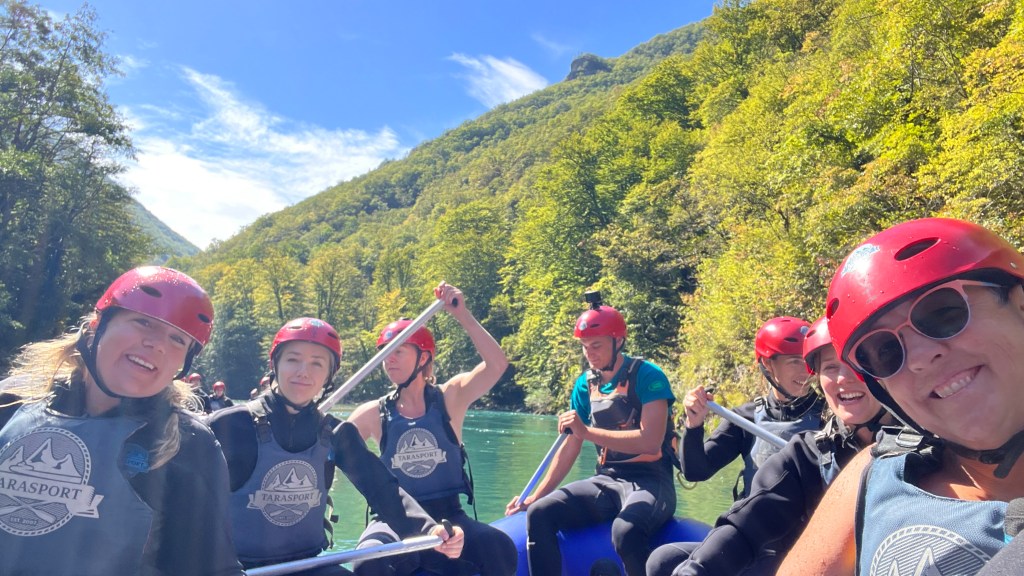
A couple days ago, we went on a white water rafting trip on the Tara River with 11 women from the Netherlands. They all could speak English but they were more comfortable speaking to each other in Dutch. We could pick up on many things they were saying. They were laughing and telling stories but we couldn’t engage with them. Laughing is universal though, so we laughed along with them.
Our cleaning lady, here at the apartment, comes in everyday and has a whole conversation with us in Serbian, full of expression and totally genuine feelings, but we can’t understand a word. Google translate is our best friend.

In all its beauty though, there are a few things that really upset me. Number one is the inability to get away from cigarette smoke. It’s hard to enjoy a meal when someone is sitting at the table next to you and lights up without a second thought. The apartment we have rented here in Zabljak has a strict no smoking policy that is not being enforced. We have moved to three different apartments before we found one that had not been smoked in. Sad.

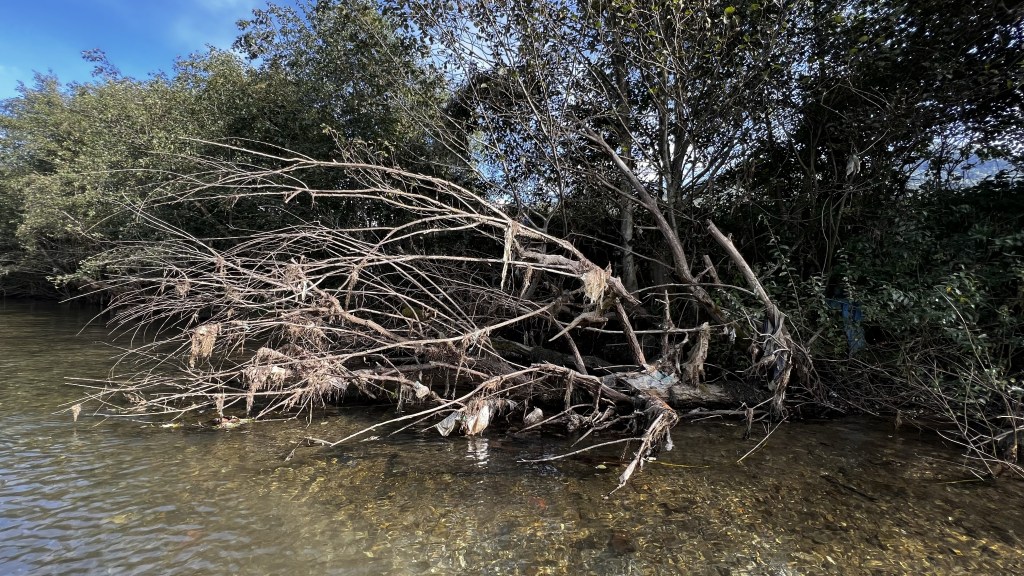
Secondly, Montenegro has a trash problem. Some towns are better than others. Zabljak was relatively clean but Mokjavic, for an example, had piles of garbage along the sides of the roads and at every fishing pull out. The rivers were so polluted with garbage it was hard to enjoy fishing them. It’s as if no one really cares. We mentioned it to our guide and he tried to blame tourists. Also sad.

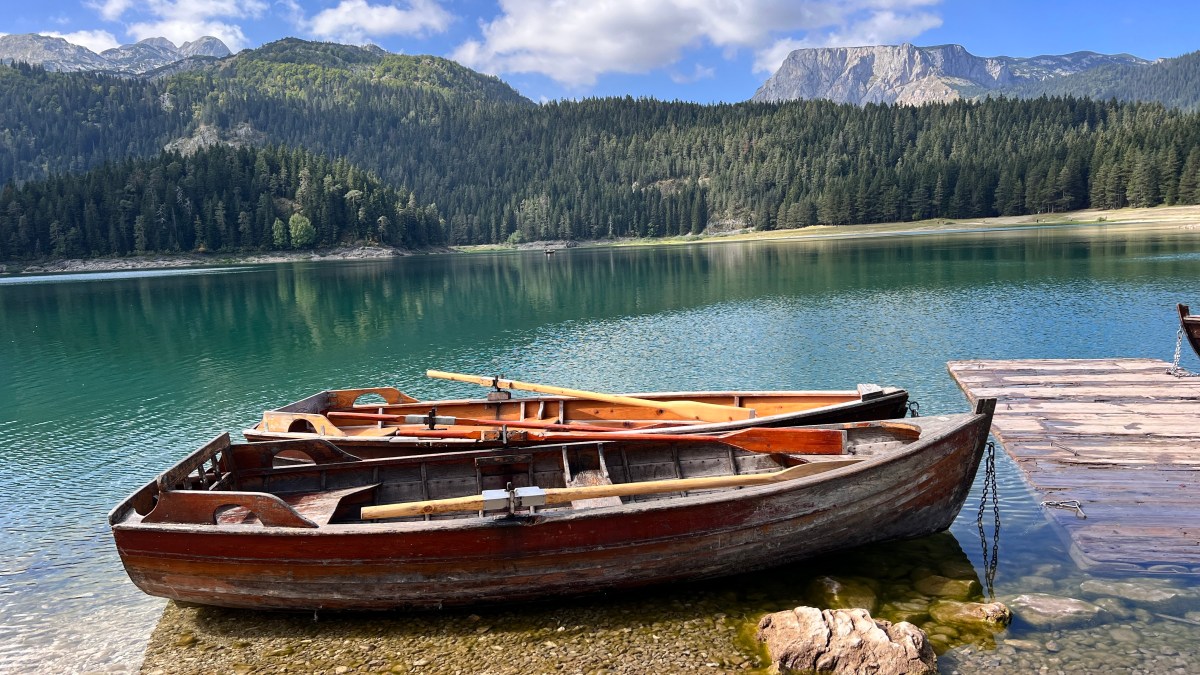
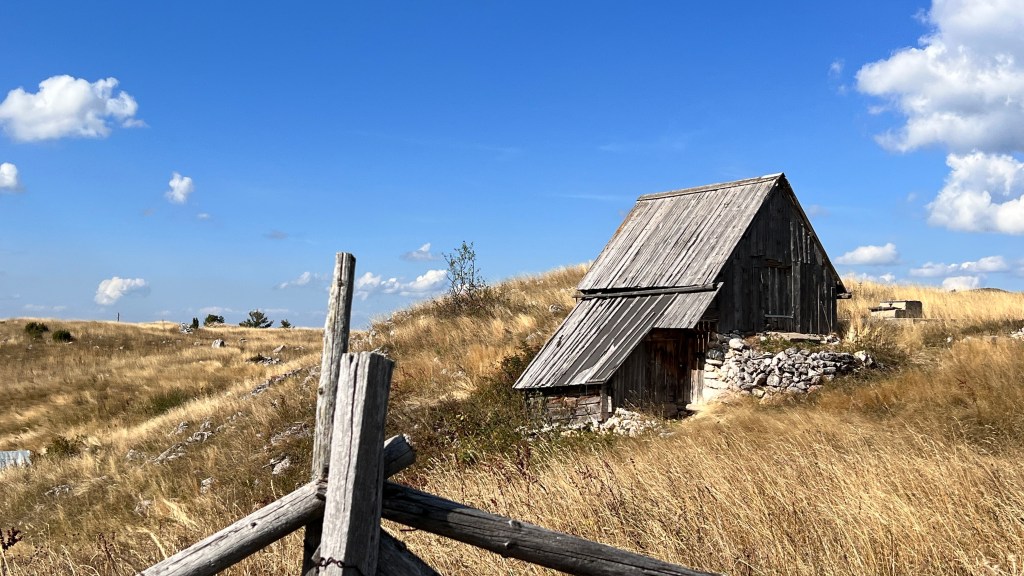
We are in Zabljak now, the city with the highest elevation in Montenegro. It is surrounded by a National Park called Durmitor, one of five in the country. The stunning vistas are to die for. Not only does it have fifteen glorious mountains, there is a plethora of alpine lakes and one of the last endemic forests in Europe with 122 species of trees in all, some exist nowhere else on earth. Some are in excess of 400 years old and reach a height of 150 feet.


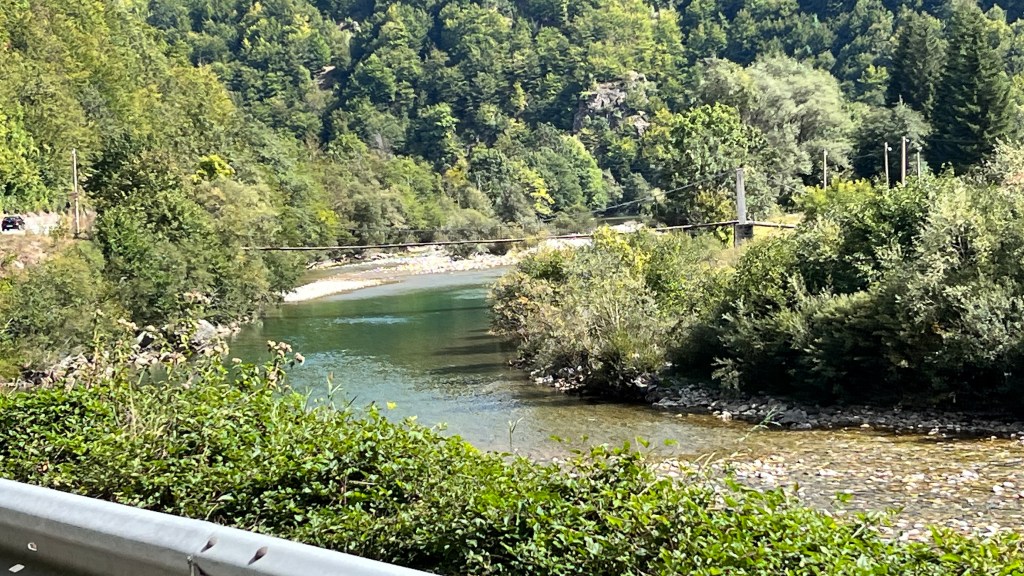
The Tara Canyon is the deepest and longest in Europe and second deepest in the world at 1300m deep. The Tara River is currently free flowing with no dams in its 78km path spanning from Mokjavic across to Zabljak, and along the border of Montenegro and Bosnia & Herzegovina. The water is a beautiful turquoise blue and only 7-10 degrees celsius.


For the most part, life is pretty simple here. People are set in their cultural ways. The years of war show on the faces of the elders and a new hope shows in the younger generation. In some areas, it’s hand to mouth, growing their own food and keeping chickens, cows and goats. The houses are pretty simple and lack the lavashes of other European countries. It is set to enter into the EU in 2025 and then the infrastructure will be vastly improved when the tourists flock in to experience the vast amount of outdoor opportunities Montenegro has to offer.

I am sitting on Red Beach as I have been doing everyday for this last week. Some days the sea laps calmly at the pebble beach, other days it has full on breakers causing the rocky beach to tumble into the sea as the wave recedes. The rolling sound of rocks in water has been a favorite of mine since moving to Utah 30+ years ago although rolling rocks in water are from rivers in Utah.
I look out over the expanse of calm blue water, shimmering in the sun like diamonds in a jewelers light. Heads bob up and down with a few diehard swimmers covering the shoreline as far as you can see. There’s no sand castles to be built on this beach, better for piling rock cairns or separating the colors for more artistic endeavors. Daredevils climb the limestone rocks several meters from shore and do cannon balls to the delight of their friends. Sunbathers lie half naked on the pebbles or spend a few euros for a sun bed and are waited on by the cute bar tender, John, who slinks across rocky surface like a sure footed lizard, balancing his tray full of drinks. The air is thick with the smell of the salty, ion filled breezes, wafting off the sea. For today, this is my home.


We have spent the last 2 1/2 weeks on the shore. Each town has its colored pebble beaches, a few sandier beaches spread around, but more the exception than the rule. The water is warm and refreshing and clear as glass. Small colored fish swim in the depths and appear to be only a few inches from the surface, but in fact, are 3-4 meters down. The water itself is incredible salty, allowing you to literally sit in the water, head above and hands and feet quietly floating. I’ve been told by locals that this sea has healing minerals and some declare they are now cured of their aches and pains just from swimming. All I know is it has been good for relaxation, afternoon naps and loosening up achy backs from sleeping on poor mattresses. There’s a lulling found in the gentle lapping sound of the waves.


Seashore towns are perched on the rocky shorelines like a perfect game of dominos, each with its share of hundreds of ancient stone stairways going straight up from the nearest switchback cut out for streets.


Tomorrow we pack up our stuff once more to migrate deeper into Montenegro and the “black mountains” as its name translates. There are a total of 5 National Parks in Montenegro and we will hit at least 3 while we are here. The mountains are 1500-2000 meters high and rise abruptly from the seashores. Montenegro is not devoid of seasons. The leaves are beginning to show colors of red, gold and yellow. The mountains are not exempt from a good snow fall come late fall and winter. There are ski resorts and outside activities such as hunting, fishing, and tons of snow sports. The towns fall into a sort of slumber after being drunk with tourists all summer. The sun hangs low in the sky, the pace slows, the heat dissipates, the sea grows cold, and the nights grow long. Wood is collected to heat the homes in the mountains and the sea-shore dwellers, make necessary repairs and ready their homes for the next surge of visitors come Spring.
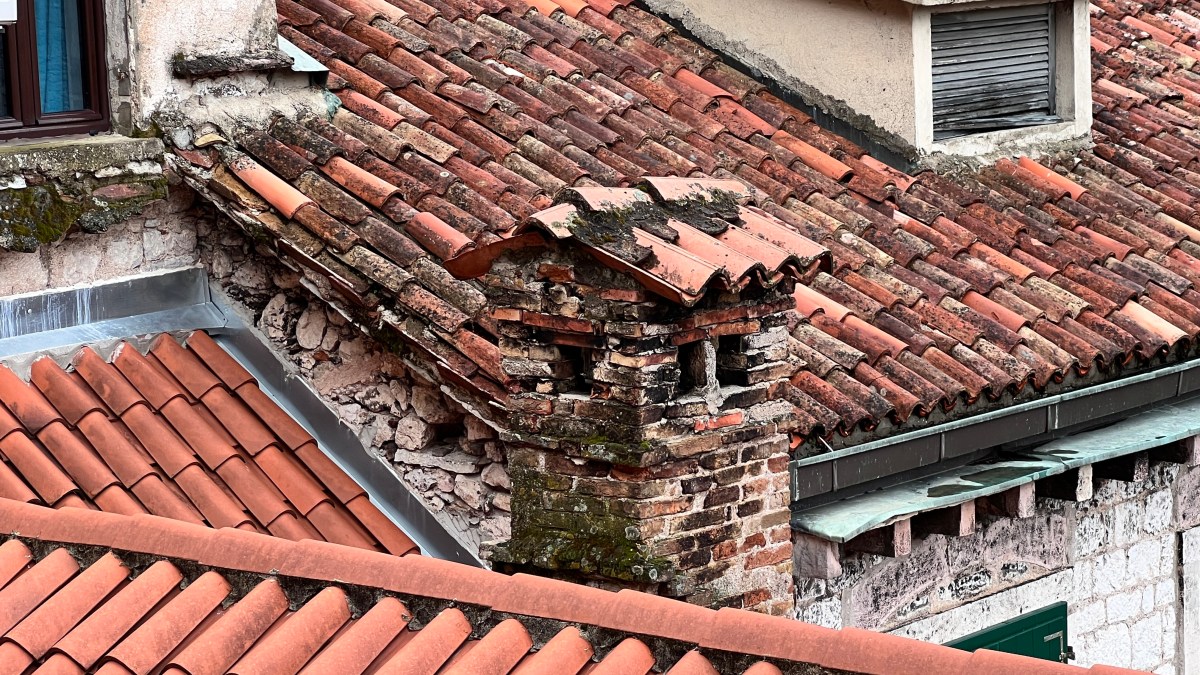
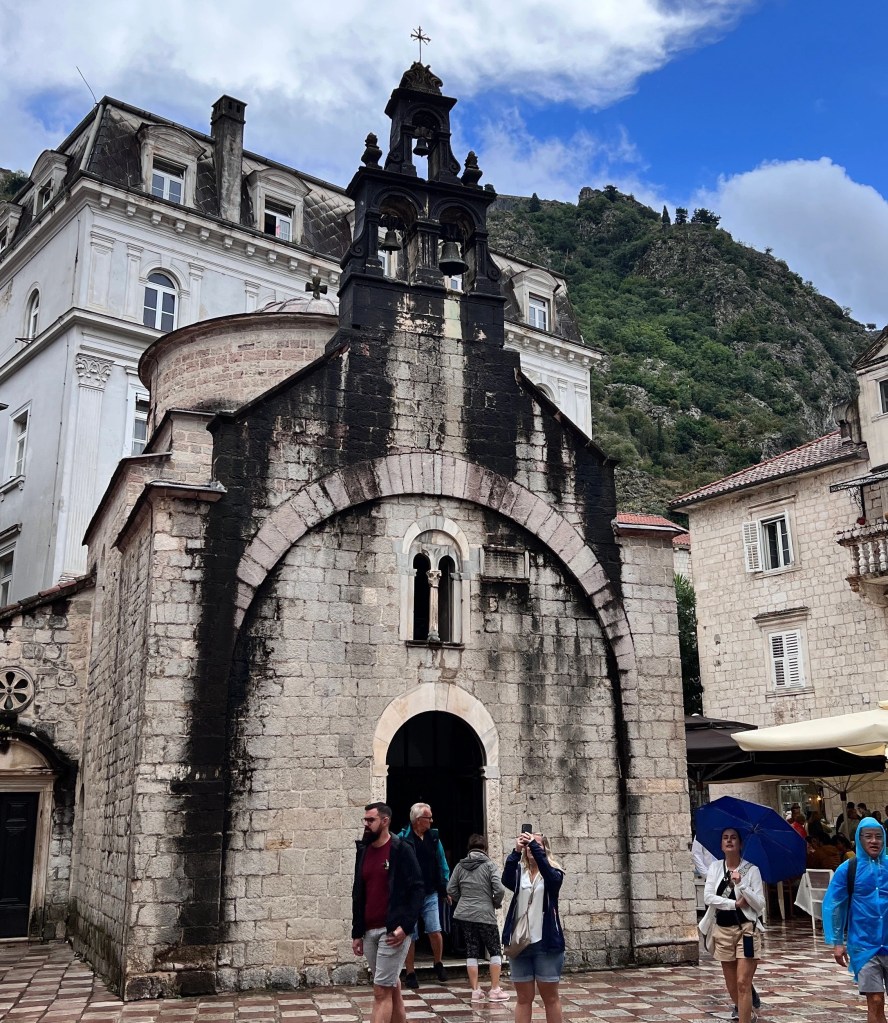
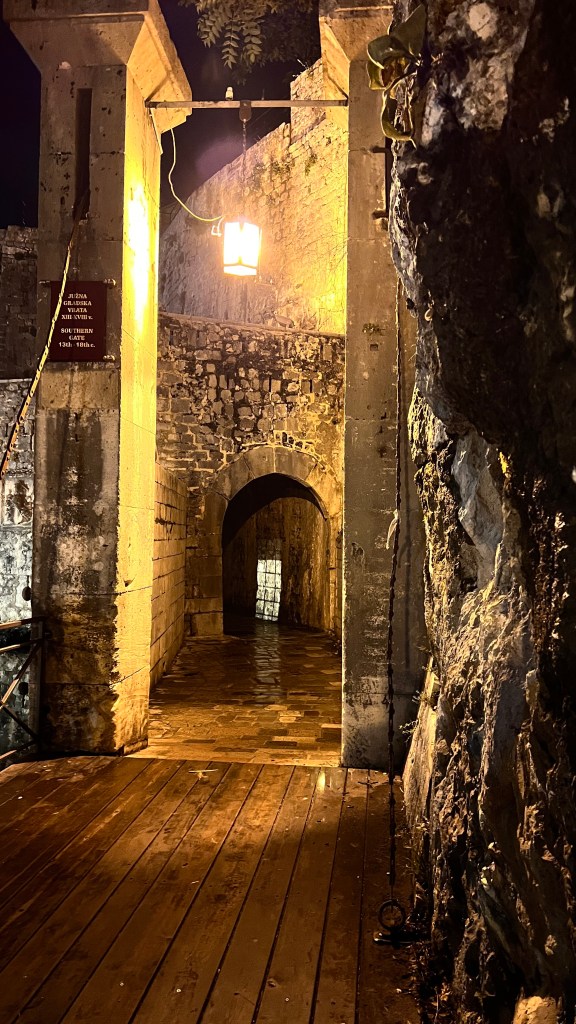
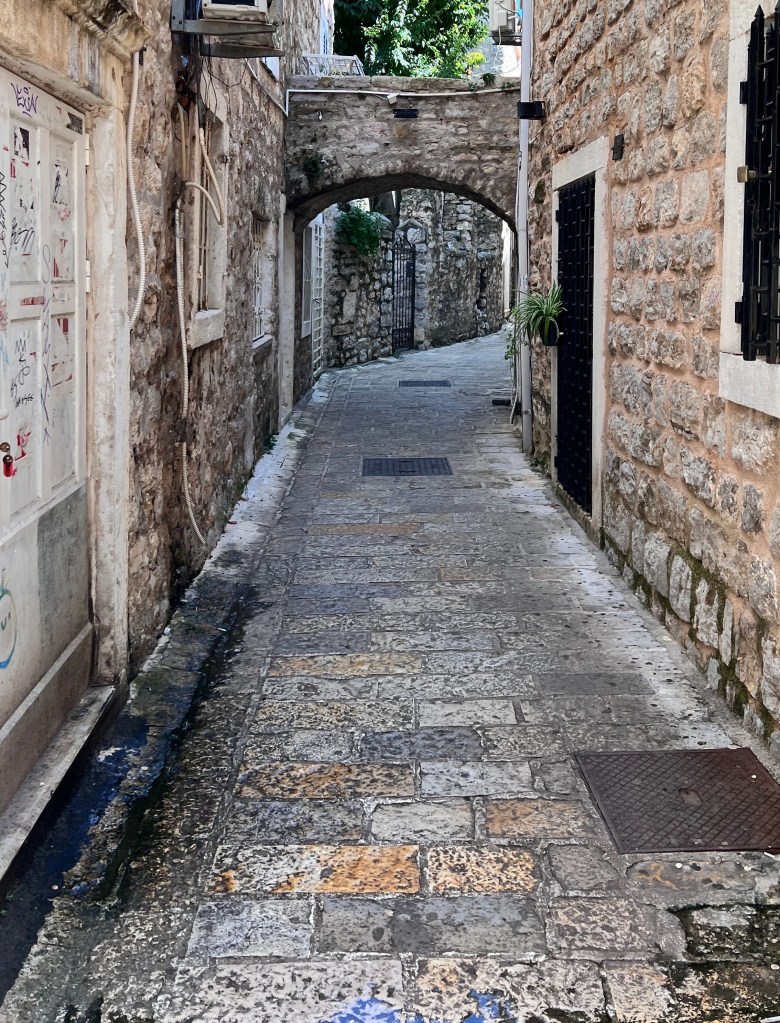
We just left Kotor Old City for Budva Old City, Montenegro. It’s like stepping way back in time. Being from the United States, my mind is blown and mesmerized as I walk inside the stone walls and tiny alleyways. There are mazes of a stone, rising up to steep narrow halls and well worn steps climbing up and up to unseen passageways. There are layers upon layers of historic old buildings


Both of these cities were built as fortresses as far back as 600 BC. Romans, Illyrians, Byzantiums, Italians, Hungarians, French, Austrians, Russians, Germans, Kings and Queens all laid claim to these Adriatic cities at one time or another. They have survived fires, wars, plagues and earthquakes. Kotor was know by many names through the centuries as was Budva. The Serbian Dynasty played a hand in making Kotor a port city linking it to the west. The Nazis took over from 1941-1944 during WWII.


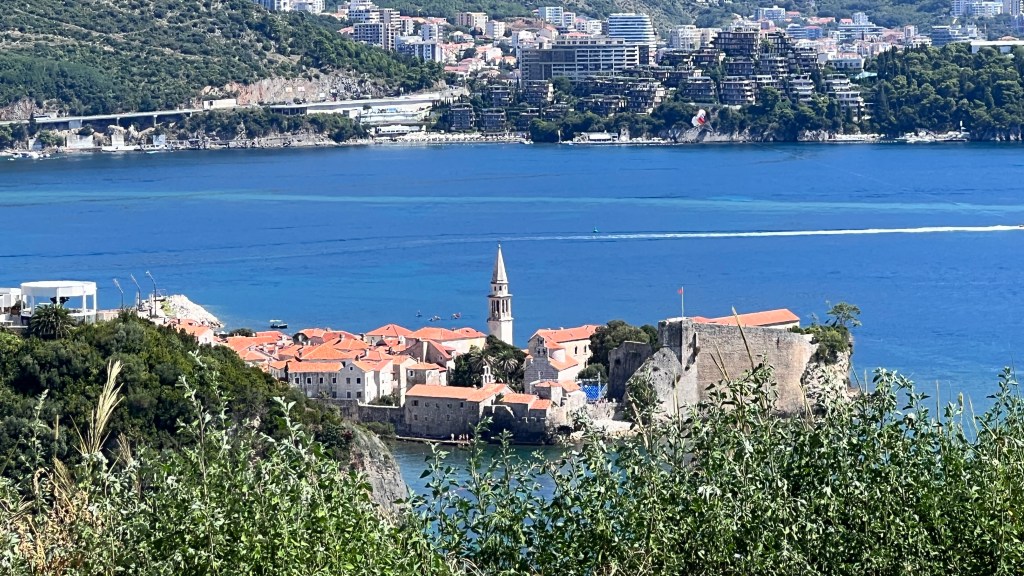
Budva was founded by the Greek King and Queen of Thebe in the 5th century BC, King Kadmo and Queen Harmonia. Sharing much of the same historical occupations, wars and catastrophic earthquakes as Kotor, it remains a city steeped in rich history and pride.
In the 2nd century BC the Romans ruled until the fall of the Empire. The city fought occupation of all the same ruling countries as Kotor. As a well developed sea port, commodities of olives and grapes, made it a city worth occupying. It’s history is steeped in rich myth and folklore which the generations have kept alive.


Both Kotor and Budva were decimated most recently by a magnitude 7 earthquake in 1979. Over a thousand buildings and structures were damaged and 100,000 inhabitants were displaced. UNESCO stepped in and over the next 4 years both cities were restored to their historical original dispositions.

We would encourage anyone looking to immerse themselves in an ancient city, culture and the ghosts of the past, to visit and stay inside the walls of these two Adriatic Sea-towns. To wander through and get lost in the labyrinth of passageways during the day and then to encounter the city nights as well. To listen to the peal of the church bells, to adore the many beloved street cats, to climb the old worn stairs to the upper cities and hidden doorways leading to fascinating bars, restaurants and guesthouses. You can just feel the energy.


It’s sometimes hard to slow down and take time to organize my thoughts. We have now been on the road for almost 4 months, not including our 2 years of vanlife. We have visited Ireland, Scotland, Portugal mainland from Sintra to the Algarve Coast, Madeira Island, San Miguel Island in the Azores, Germany, Austria and Spain. We are currently on our way to wrap up our Schengen EU Visa in Dubrovnik, Croatia. From there moving down into Montenegro for at least a month, which used to be Yugoslavia until 1991. From there who knows where?

It sometimes feels like we’ve been gone for so long, and at times I want it to just stop and go “home”, but where is that? My heart is filled with gladness, my mind filled with curiosity. There is just so much of the world to explore. I must admit, at times, we have to pass up some countries we’d love to explore due to many different reasons, both political and uneasy feelings about traveling there as two women. We are playing it on the side of caution when if we were younger, we might throw that same caution to the wind.
Does that mean that we are older and wiser? Life is more precious? Probably…


In the last 2 years, we have been taught a lesson in the value of living life as if it were your last day on earth. I tear up just thinking of family members lost too soon and those that lived out their lives to the fullest and just came to the end of life’s road, including my grandmother and our faithful corgi, Gandaulf. It is part of our motivation to do all we can while we are healthy and able to.


Another motivating force is the all encompassing world of climate change. Since we’ve been retired and living in the world as nomads, living with and off the land around us, we have seen the changes first hand. Coastal flooding, unbearable heat and harsh winters. Storms off the charts. It seems that every year we are breaking records of all types, rain, heat, hurricanes, snowfall, wild fires, ocean temps rising, and drought, to name a few. Perhaps it is the way the earth is trying to wipe us off like a festering tick sucking the life blood out of her? It is everywhere and my heart is saddened to think it may be too late to reverse. Perhaps it is just the way it is going to be and we all will pay dearly in the end. In the meantime, here we are off on another adventure to see all we can before it is gone. We are doing all we can to reduce our carbon footprint, but we are just a minuscule part.


Let me start by saying that Austria was never on our radar until one night, sitting in a Fado Bar in Portugal, I asked the couple adjacent to us where they were from. They couldn’t stop talking about their homeland Austria, with its beauty and diversity. Well, that got the ball rolling.

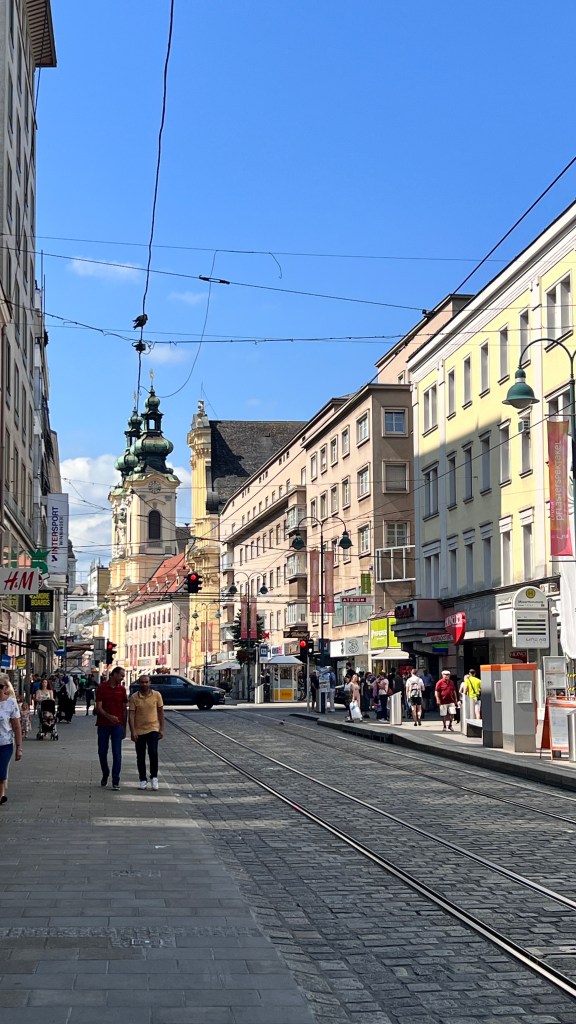
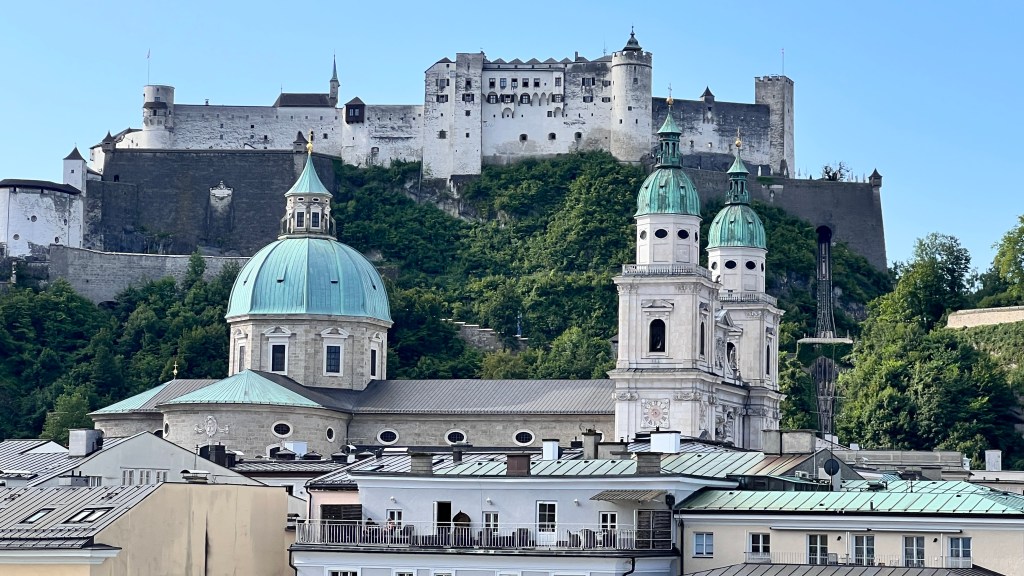
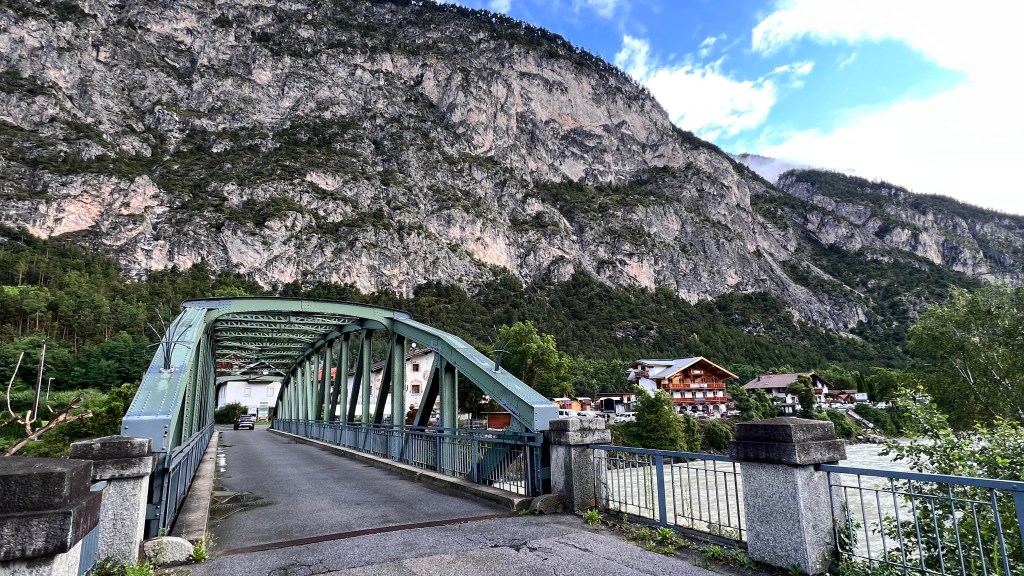
We arrived in Austria two weeks ago during which time we’ve ridden bikes along the Danube River, slept on a riverboat that followed, walked all over Vienna, Salzburg, and Innsbruck, and paddled down the glacier-fed Inn River on a white water rafting trip in Haiming.


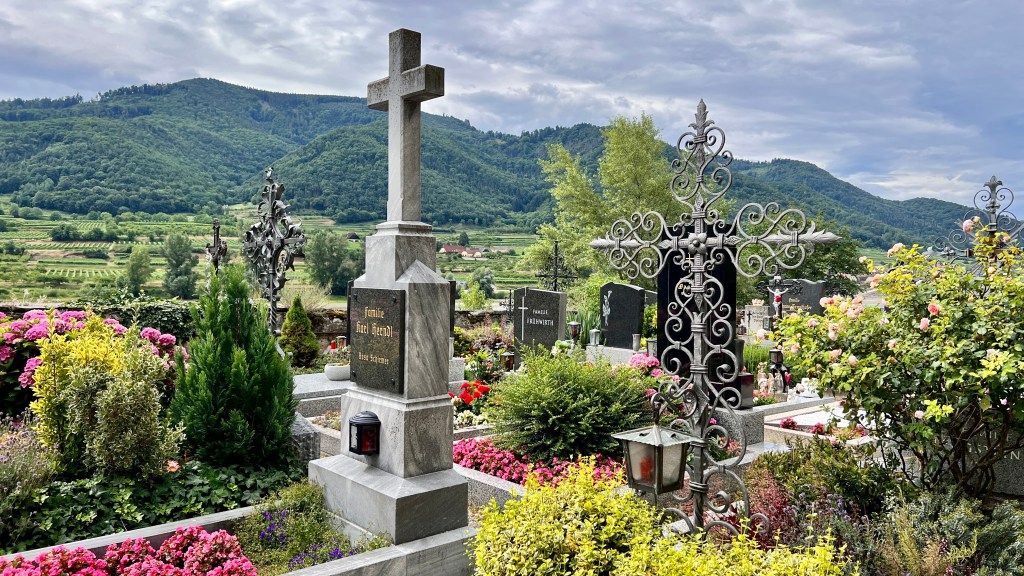
Our eyes have seen soaring, snow capped mountains of the Tyrollean Alps, the wide river Danube, tamed by lochs and diversion dams, hundreds of castles, monasteries, waterfalls and bridges that span great gorges. We’ve walked the cobbled stone streets of cities that date back to Roman times with fortresses built on high plateaus. We’ve heard the chorus of church bells that echo through the canyons and valleys. All have brought joy to our hearts.


Austria is a cultural melting pot as well. A place that holds the horrors of wars and the pride of triumph over aggression. Many homes perched high on the mountain sides have hand carved wooden facades. Statues skillfully carved and fountains honoring royalty, scholars and musicians, are skillfully etched in stone and bronze. Roman gods and goddesses and mythical beings tower over us mere mortals as we walk by. Story after story of uprise and defeat are engrained in the lives of the souls that live there. The hard working people and the pride each holds in their heart to be Austrian. The wonderful smiles and cheerful hellos make even the loneliest traveler feel at home.


An indelible set if memories have been etched into my mind and captured in our photographs. It’s definitely worth the visit.


Today we left Portugal, just a little over a month since we first landed in Lisbon on June 6th. I really feel like we just skipped across the surface of this beautiful country. We enjoyed the culture in each of the places we hit. Here’s a list: Lisbon, Sintra, Madeira Island, São Miguel Island Açores, Carvoeiro, and Faro. I really can’t say I have a favorite since each place held its own beauty.


I have enjoyed the history in each area. From medieval castles in the fog to sun drenched beaches and walled cities. A proud people with a very long history. The architecture speaks to the conquers and conquests. The constant fight for freedoms that each and every soul cherishes today. Generations upon generations holding tight to their own history and lineage, some thriving and some still scratching by, but proud and kind at the very core.


Each island we visited, we wound our way through the tiny streets and alleyways of the small towns, getting lost in the brightly colored row homes, stacked like a precarious game of dominos, doors open and the aroma of home cooked foods wafting into these small spaces. The murals and graffiti splashed on the side of the buildings, telling the story of some soul, screaming to the world, we are here…we are alive! The hidden swimming holes, waterfalls and volcanic grottoes, gems of wonder for the explorer. The incredible greens of the natural forests, sprinkled with brightly colored flowers lining the roads and lonely pathways winding through the great calderas, exploding into the minds eye. The lazy, un-rushed pace of the locals creating a sleepy, content atmosphere for the traveler of these islands.


Back on the mainland are the remains of wars, epitaphs to great warriors, conquers and the down trodden. Cafes spilling out into the streets and back alleyways creating a gathering of locals and travelers alike, an escape from the heat of the day. The smell of pastries and fresh brewed coffee hanging on the fresh morning air invites passers-by to sit and indulge. The carefully patterned cobbled stones beneath your feet placed stone by stone generations ago. Cobbled streets, never meant for a gas powered vehicle, now feel the weight of cars trying to pass safely through these tiny spaces. Cars parked on the sidewalks and roads now built right up to front doors…evolutionary progress.


It was in one of these cities, Vale do Lobo, that I took the brave step to correct my back issue which was throwing a very dark cloud over all this beauty, making it hard to envelope and enjoy all that our journey gave us. A procedure that relieved me of pain I’d been living with for years. Amongst the ancient must also be a place for the progressive and new. A heart felt thanks for the guidance and surgical prowess of the Algarve Pain Centre and the caring doctors, all named Miguel, that are trend setting medical procedures. The new must find a place with the traditions of old to continue a cultural growth and inspire its youth.


The beauty of the Algarve coast deserves a mention. Another example of the march of time, the limestone holding the world’s history in the fossilized remains of the ancient seabeds, cut away by the fury of Mother Nature herself. Water dissolves rock, wind, and water, carving caverns and designs, no mans hand is capable of. The waves and salt air eroding mans attempt to tame these cliffs and caves. The cliffs, caves and fishermen’s guarded walkways cut into the stones, are now all wonders of color and unfathomed artistic designs of the wind and the waves. Mother Natures pallet.
Portugal, we will someday return to your wonders and continue our explorations to see what more you have to give.
Our time in São Miguel was educational and full of new sights and sounds. It is a volcanic island, considered still active. There are 3 main calderas, the largest and most active is Furnas, last eruption 1650. Inside it’s caldera is several lakes of blue, green and orange. There is a section of bubbling hot mud pots and fumaroles and a small gyser. There is the most amazing castle on Lagoa Verde. It is intricate in design and has made itself part of the surroundings with the various lichen, mosses and plants, growing on the outside of its delicately carved spires.


The town of Furnas is geared around tourists visiting for hiking, bird watching, kayaking and of course soaking in one of the two thermal hot spring pools. most of the restaurants serve a meat stew baked in the volcanic ovens built into the ground. In Furnace again and to the Terra Nostra Parque. I was in heaven. A guy from Boston came to the island and created the most wonderful display of plants and trees from around the globe and they thrive in the humidity and rainfall. There are trees here that at one point were thought extinct and others that are true dinosaurs.


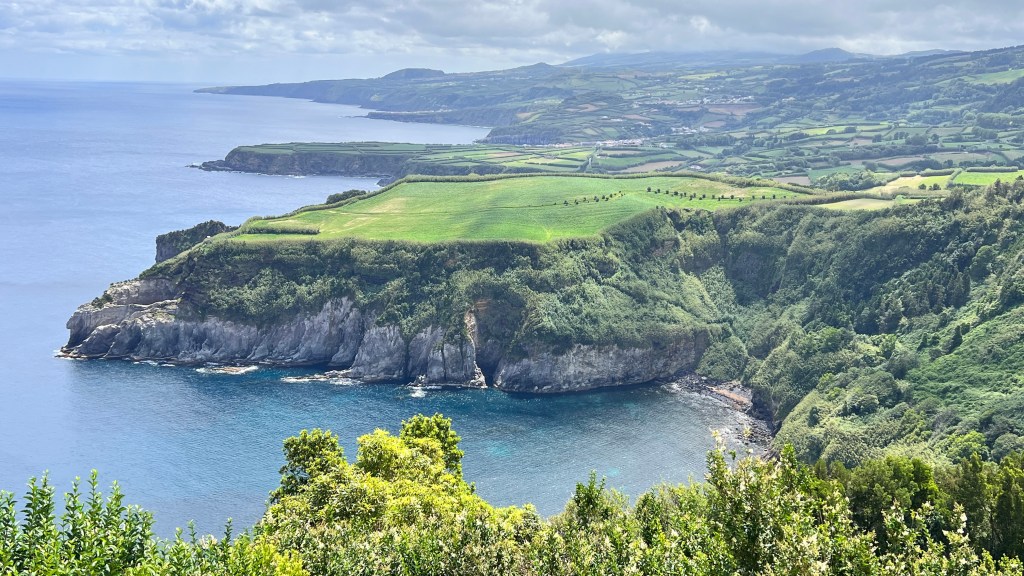
The soaring calderas are heavily draped in clouds and fog most afternoons, adding an eeriness to their already opposing height. They sweep up from the ocean in massive lava cliffs, battered by time and the elements for 300 thousand years, just a hiccup in geological time. They flatten out into a lush green plateau covered in verdant green pastures and farms. Dotted amongst them are the ancient cinder cones, some now also covered in lush green. From the flats the volcanoes shoot literally straight up with deep grottos and gouges cut out by the rain and intermittent lava flows. The flora and fauna is just as amazing. Every color you can imagine is represented here in bloom, insect, lizard, rock or foliage.


There was so much to explore on this small island, from grottos to wall lined streets, beautiful hidden beaches, hikes that when rated as easy, included a 350m rise and fall, some got you lost is thick natural forests and other lead along cliff sides and up into the caldera lakes. There are mirador spots (view points) all along the roads and picnic areas where families can gather and cook up meals. On one Sunday, a feast for St John was being celebrated in one of these little picnic parks. We were looking for the northern most point of São Miguel when Siri lead down a skinny dirt road surrounded by 10’ lava rock walls. We bottomed out several times before we found a pull out and walked the rest of the way. We were not let down. The views were incredible, the best on the island so far. There were basalt tower crystals of octagonal shape, not found in this condition anywhere else on the island. It was simply breath-taking. We walked back to our car and drove back up to the “town” and stopped to eat lunch. A small house stood on the corner that looked like a small cafe, so I wondered in asking if I could buy a couple beers, in my best Portuguese. A small woman sold me 2 out of her fridge (€2) and gave us a bowl of spicey fava beans and we blew kisses to a young girl and traded thumbs up. Another gal came around with a bottle of wine and 2 paper cups and poured us some wine. It’s always fun and scary at the same time to mingle with the locals on this level.


All in all it was a memorable experience and the diversity of flora and fauna, landscapes and brightly colored towns were like out of a fairytale. The work of Mother Nature and the care given by the inhabitants was a carefully orchestrated balance we were glad to experience and become immersed in.
Madeira Island is a lovely, lush green island that sits about 500 miles east of Portugal mainland. Volcanic in it’s development, the island has rich soil for growing. It is also mountainous and rich with thermally heated ocean pools on the coast, mostly concentrated in Porto Moniz and Seixal. Don’t be fooled by the “thermally heated” part, these pools are actually cool at 20-22 degrees Celsius (68-70 Fahrenheit) and quite refreshing on a hot day. Porto Moniz is definitely geared around tourism, the shops and restaurants close early as the tour buses leave and the place becomes a ghost town.


We stayed in a lovely, modern guesthouse in between the commercially run “swimming pools” and the natural “free” pools. We were within walking distance of many restaurants, most serving ice cream, pizza, and the local fare.
The last night we found a “local” restaurant serving meat on a skewer, or shish-cá-bobs at home, using Rodízio Grill style long metal spits grilled over an open flame served hanging from a stand for us to pull off as we wished. They also served the “catch of the day”, local breads and octopus based foods, including an octopus sandwich.


One thing we became well aware of while in Porto Moniz and then other eating establishments, sadly there is a locals price and a tourist price and the song and dance the waiters give for why your meal is more than the price in the menu is quite elaborate, ranging from VAT taxes to oh I made a mistake. They often will send out a coligue to accept your payment hoping you don’t notice. Our largest error was around $15 off at a restaurant we found a bit out of the city square. We haggled and still ended up $10 too high. Café Atlântico was the name of this restaurant. Also be aware that they will put bread and some sort of a sauce or perhaps just garlic bread with cheese on your table, much like chips-n-salsa at a Mexican restaurant, but then will charge you if you eat it.


After several days in Porto Moniz, and driving around to the small villages above the sea cliffs, we drove back through the tunnels to Câmara de Lobos, a sleepy fishing town where everything is also straight up from the sea port. There is a system of steep stairs and “alleyways” to ascend and descend. This town is hundreds of years old and not built for automobile travel. They are making changes and building infrastructure to accommodate busses and trucks, but if you choose to rent a car…make it a really really small one. If you stay up on the hill, chances are you will encounter a small “street” which has two way traffic and is barely big enough for one often with the mirrors having to be folded in.


In town it was fun to see how the sea side villagers are taking plastic, tin and aluminum “trash”, and turning it onto colorful and imaginative artwork. Between the artwork and lights strung high above the streets, the atmosphere is quite festive. Stop in for a sample of a local drink called Poncha. It is said to be the drink of the fishermen, or their medicine. It is a combination of honey, muddled lemon and orange with some peel, sugar and aguardente de cana (rum). It is a traditional drink developed on Madeira and said to be drank before going out at night to catch the Scabbard fish, a long black snake-like fish with huge eyes and a mouth full of fangs. They come up at night to feed and the fishermen are waiting. The meat from these fish is not very oily so it doesn’t taste very fishy but has a mild flavor and firm texture. They are considered a delicacy.


After a week in Madeira, we hopped on an early flight to São Miguel, the biggest island in the Açores. We in arrived Punta Delgada before 7am…earlier than the shops open, with the exception of the coffee shops, so we wondered around the cobbled stone streets and sidewalks. The streets and squares were black and white cobbled stones in flowing swirls with intricate patterns. The store fronts followed the weaving streets, painted in pastel colors with rot iron accents on windows and narrow decks of volcanic stone. Some buildings dating back into the early seventeenth century. Churches and government buildings dotted the corners of the open city squares. Statues to the Archangel Micheal adorned buildings and reflecting pools in the squares. One journey ended and a whole new one was about to begin.