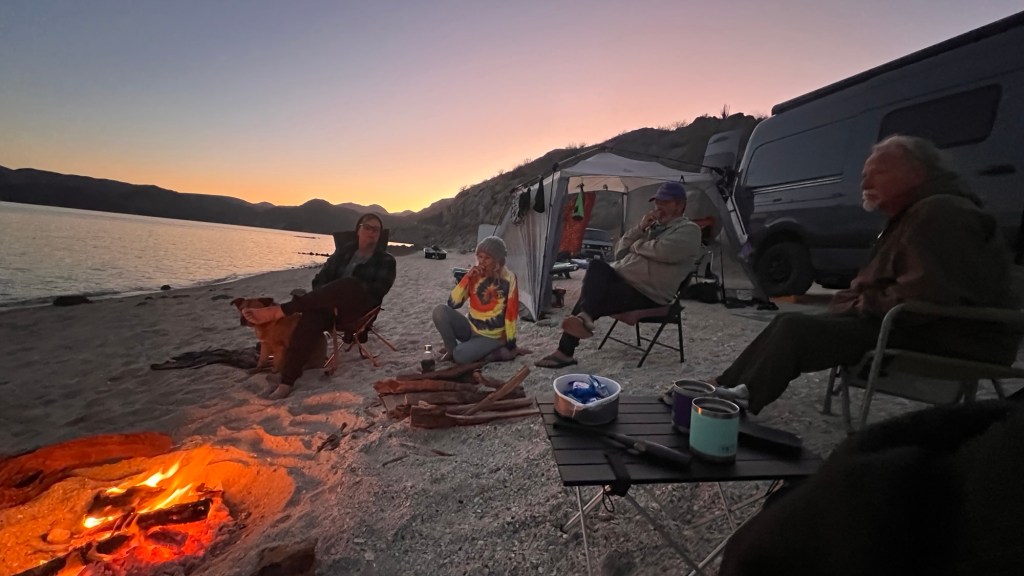
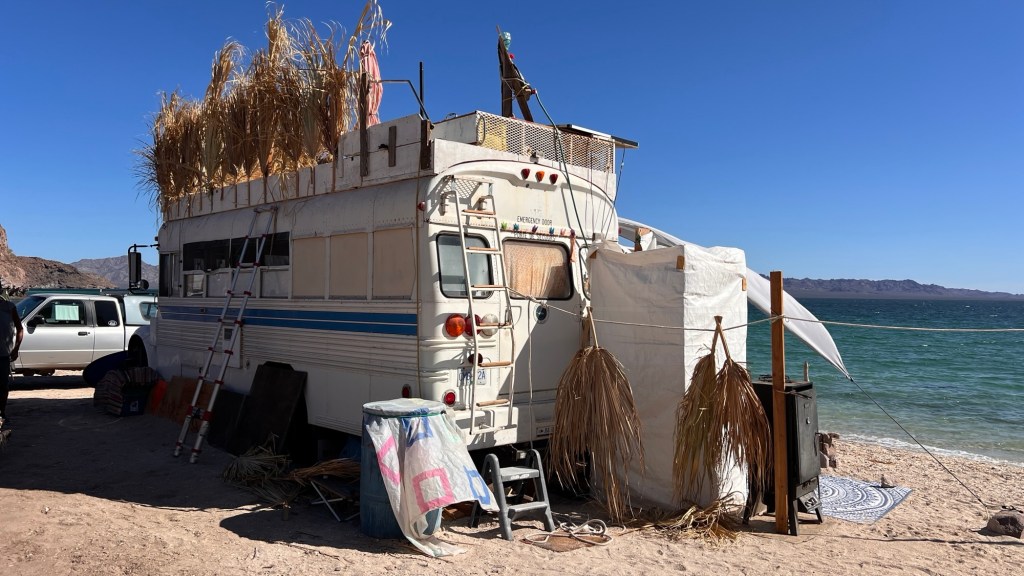
I’ve been sitting on this lovely mesquite wood since I pulled in a day before Chris could join me. I caught an awful cold which continued to infect my lungs and finally today, I feel human again. It’s been a long month. I brought out my axe and picked the wood I thought I could split and had at it. I managed to take 7 of the 10 pieces of gnarled mesquite wood and cut it down for smaller wood and kindling. Invited new friends, and had a night of hearing the new version of campfire stories.
We all are from different places and times, some old some a little younger. Some have physical property, land with or without a dwelling, and some have what we’ve arrived at this beach in. No matter, we are all a family unlike that you find. A community of like minded individuals, that, for whatever reason, have the need to wander.
For some it’s a place that is not too pleasant in winter months, some who drive south into Baja as an escape from the gloom and cold winters. For Others, just an escape from some demons chasing them, known or not. For us it’s a chance to take a camping vacation on the beach, where we can stop and unload and finally sit still for more than a day.
Baja Sur is like the old western movies you see. Gauchos riding amongst the cactus and mesquite, Palo Verde and Palo Blanco trees dotting gnarled rocky desert landscape. Tall pilars of crumbling hills and buttes stacked on the ground like the fins in a dragons back. Hot arid air burns the skin and in the city is often full of Mexican polkas and meriotche.
We’ve moved to Loreto, about 2 hours further down the coast, to visit our long time friends who live here now. They live in the Historic Centro of Loreto, a maze of streets that eventually lead to the main Malecon. Bahia Loreto fronts the Malecon and is often a churning white capped sea. There are many gringos mingled with the local Mexicans living in the historic district. Loreto is more like an oasis than the desert. The Centro is centered around one of the 3 missions in this area. A mix of shops and cafes line the Centro. Coffee shops and artists round out the collection. Arched trees provide shade and beauty.
Time to stop and live outside the van for a week or so.
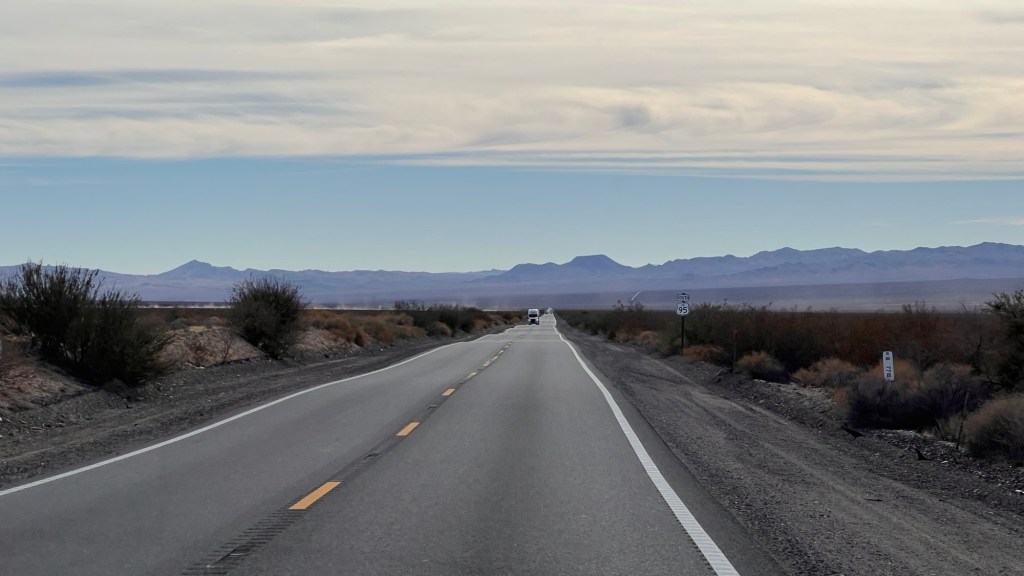
To say our lives are boring, would be the biggest lie anyone ever told. Today we find ourselves on a pilgrimage down to Baja California. Driving through the barron desert of California’s Mohave. The vast emptiness is overwhelming and all encompassing. Creosote, desert rose, sage, Joshua trees, and various other spiny shrubs, dot the desert floor. Whips of dust circle and rise into the sky in thin tornadic spouts. The desert has a beauty all its own.
As we make our way, small desert communities spring up in the middle of nowhere. Towns like Needles, Searchlight, and Topok breakup the monotony of flatness. We wonder what the inhabitants do for fun? Chase jackrabbits…wander around in altered states of mind. Sit on porches rocking in old wooden rocking chairs. Commune with the vast sky? There’s a certain peace found here in the desert emptiness, vastness that is beyond measure. A kinship with Mother Earth, a pleading of the poor souls living among her scorched soil and dwarfed trees and plants.
For the next few months we will enter this environment willingly, searching…searching for that kinship, immersed in the life of leisure. Healed by the salt air. Lost in days unknown, time lost, only day and night. Wander around with like souls just living life on the peninsula’s terms. It’s time to disassociate from the tension and unknowns of life in the US.
We are looking for somewhere to call home base. Someplace we can travel out from or just hunker down and become part of a community. Who really knows. What I do know is, we have wandering spirits that are hard to quench, hard to convince to stay in one place…wanderlust.
It’s warm and cozy, sitting in Willow (our van) with the heat on. It rained last night, as usual, and the morning sun is busting out at the seams as the heavy clouds give in to the coming day.
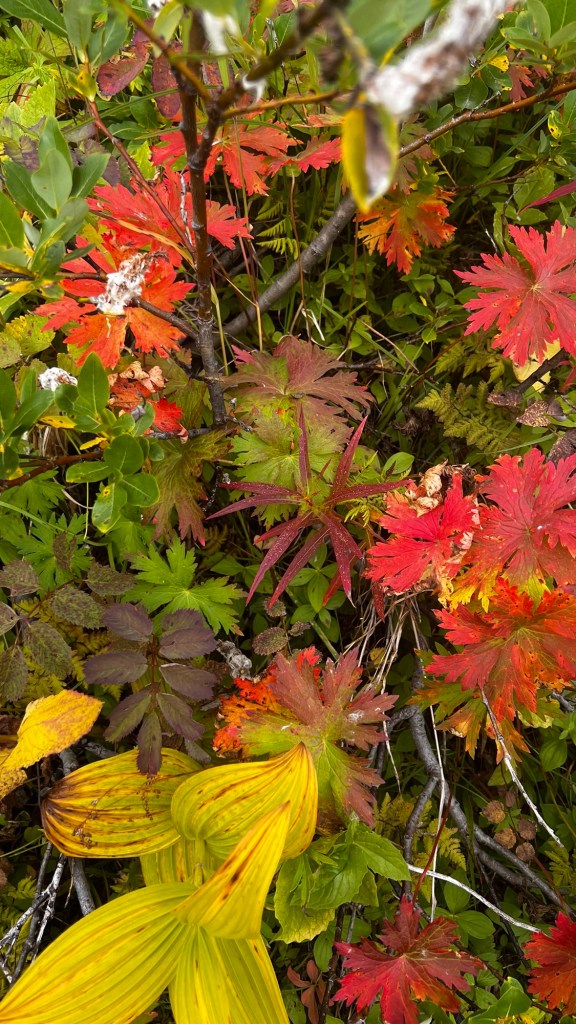
The rain drops sit poised on the edge of the turning leaves and bushes on the forest floor, just waiting to bedazzle the world when the sun finds its small existence. The lack of squirrels portends the coming of the fall chill and the stupendous color change beginning. For the last month, these busy little creatures have been scurrying from tree to tree, digging holes and filling them with a winter bounty, if they can find them under a blanket of fresh snow. The geese have been filling the skies in huge, jagged Vs, honking as they begin their southerly migration. Perhaps we should take note of these happenings and head south ourselves.
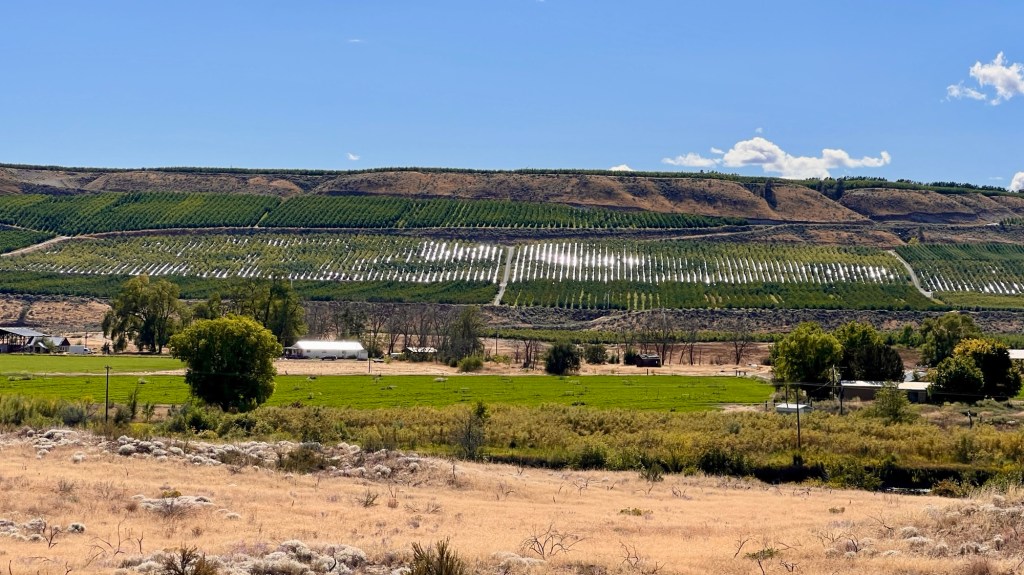
We crossed the border from British Columbia Canada, a few days ago. The fall colors slowly fading out and the green leaves have reappeared as if we passed backward through time. The spectacular mountain vistas giving way to the subtle rolling hills covered in orchards and vineyards, then the unending flat fields of golden grains, farm houses and rogue silos, interrupting the golds with a few ancient cottonwoods, tin roofs glinting the suns rays like a diamond amongst the fields of gold. We’ve been sticking to wandering the backroads, trying to eek out whatever new experience we can find as we meander southward.
It’s always bittersweet when we move from one place to another. This trip, now spanning over 9,500 miles, has seemed like a blur. The vast Canadian wilderness, coupled with the wildness of the Alaskan frontier, has made it easy to immerse oneself in nature, primal and raw. To have an intimate insight into the lives of the First Nations people, the animals and fishes that roam the vastness, the small plants, boreal forests, 14,000’ mountains, glaciers and lakes, Arctic tundra, towering fiords, and so much untamed beauty…has been a blessing that is etched into my mind forever.
Today I woke up to 41 degrees in the van…who knows what it is outside. With everything we need in our little capsule of steel and rubber, there’s no big rush to go outside and find out.
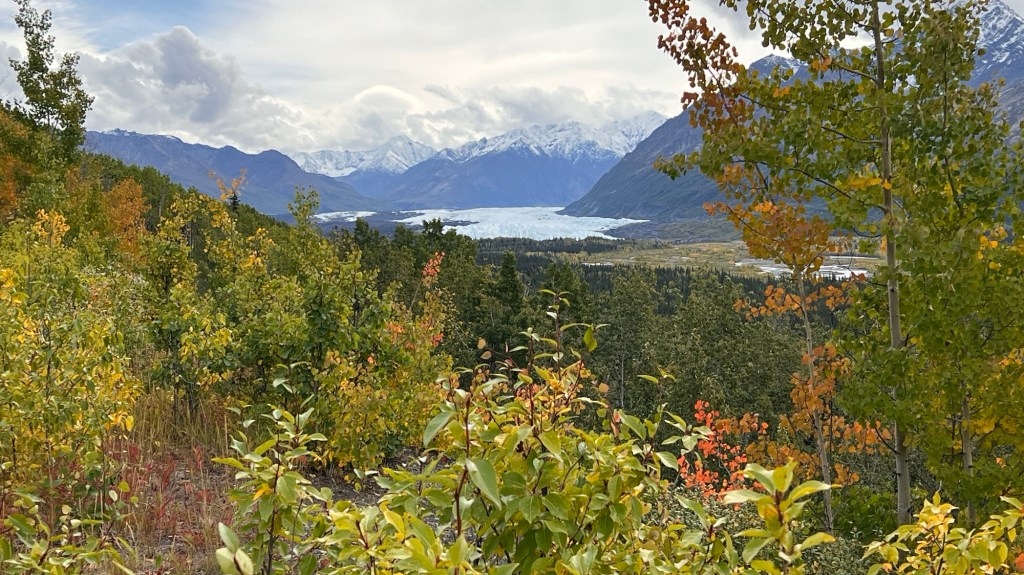
The sun is making its way into the sky, creeping slowly from behind the snow capped peeks, but has yet to shine on the opposing peeks across the river valley.
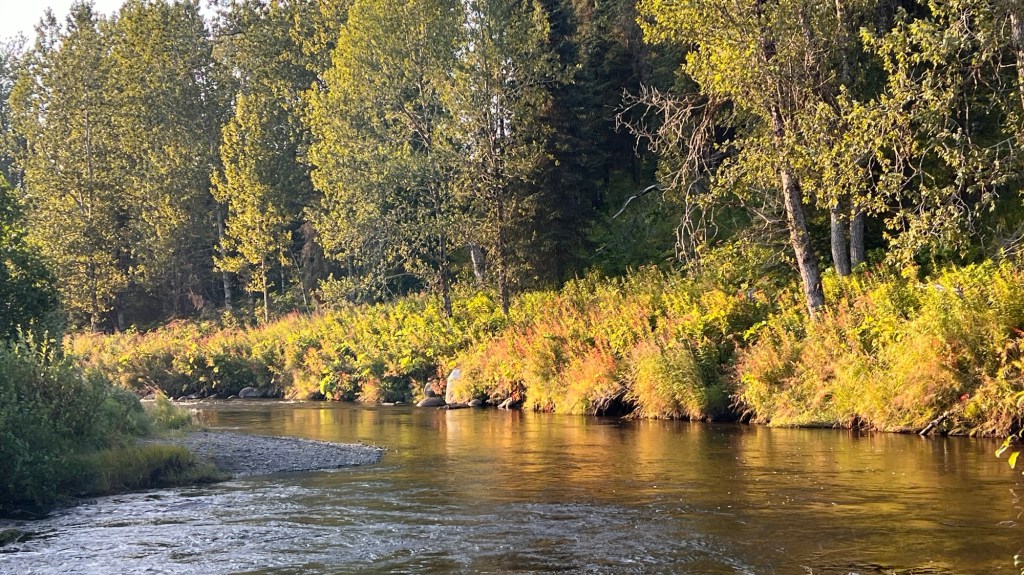
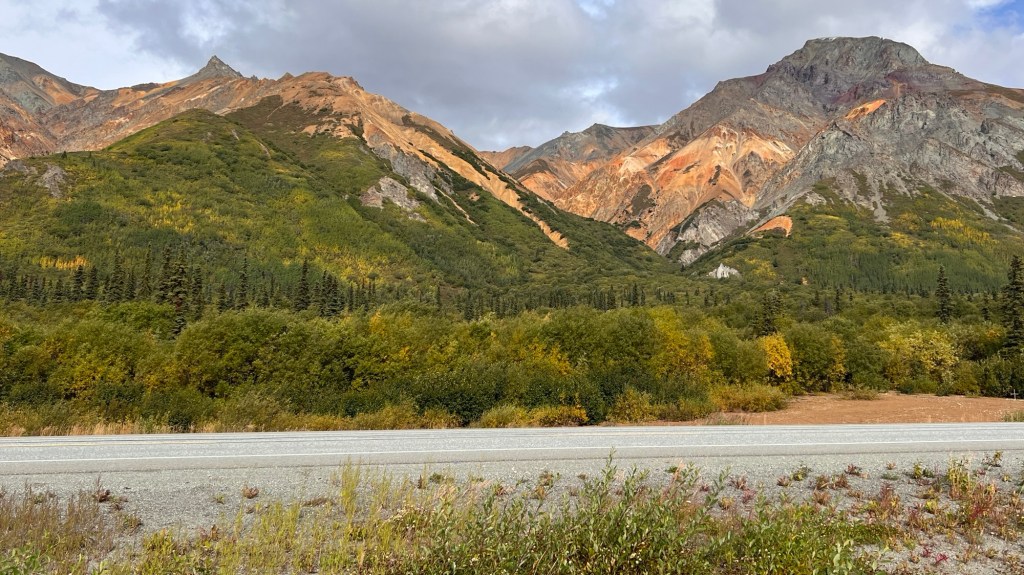
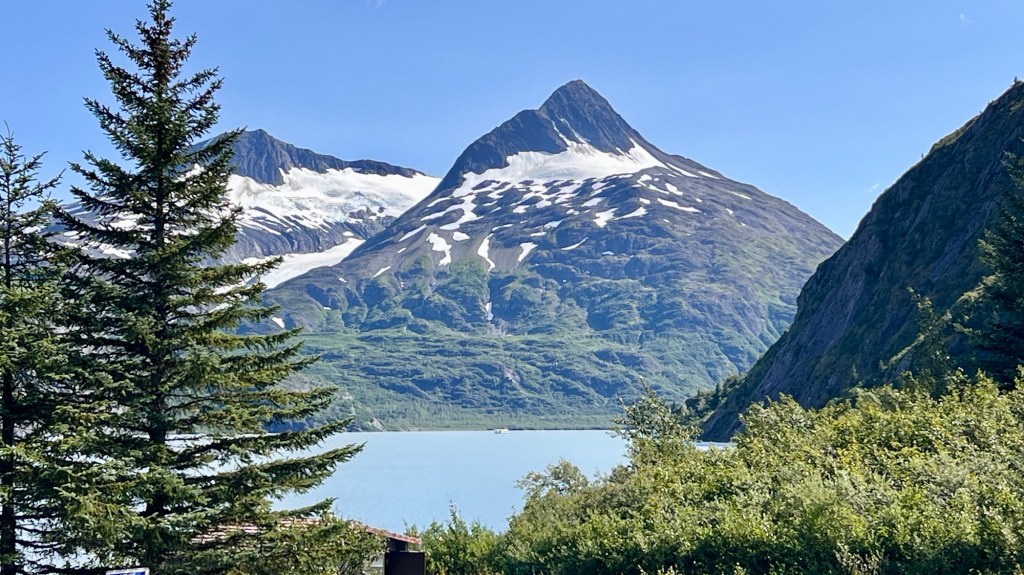
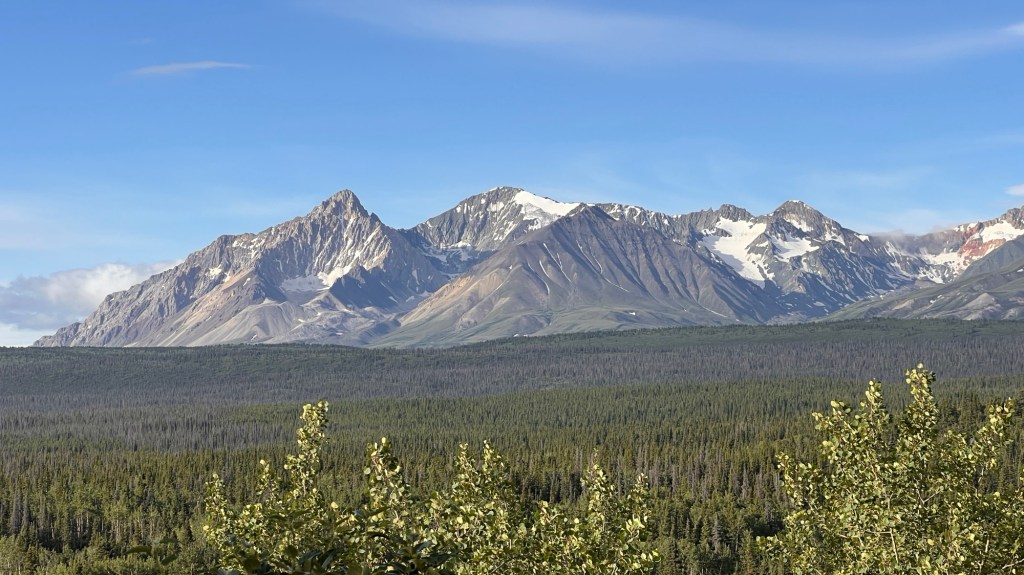
Our camp last night was right beside the Matanuska River, surrounded by Alders, sporting their new yellow fall colors, Drayas, also in showy white tops, and Fireweed that has lost its towers of red flowers and turned to tangled white silky seedpods. The mountains surrounding this valley are topped with snow from the thunder storms 2 nights ago, accenting the harsh, craggy peeks.
Yesterday, we drove up from Ninilchik to the Russian River Ferry crossing and joined the throngs of fisher people hoping to catch a nice coho salmon, or at least hook into one of the giant red sockeye on the Kenai River. These fish are huge! As your standing in the water, these fish are lined up, heading upstream. Every now and then, one will breech the surface slowly or jump out of the river all together. With your concentration on your line and indicator, this is quite alarming at first, but soon becomes the norm and you settle in to the rhythm of casting.
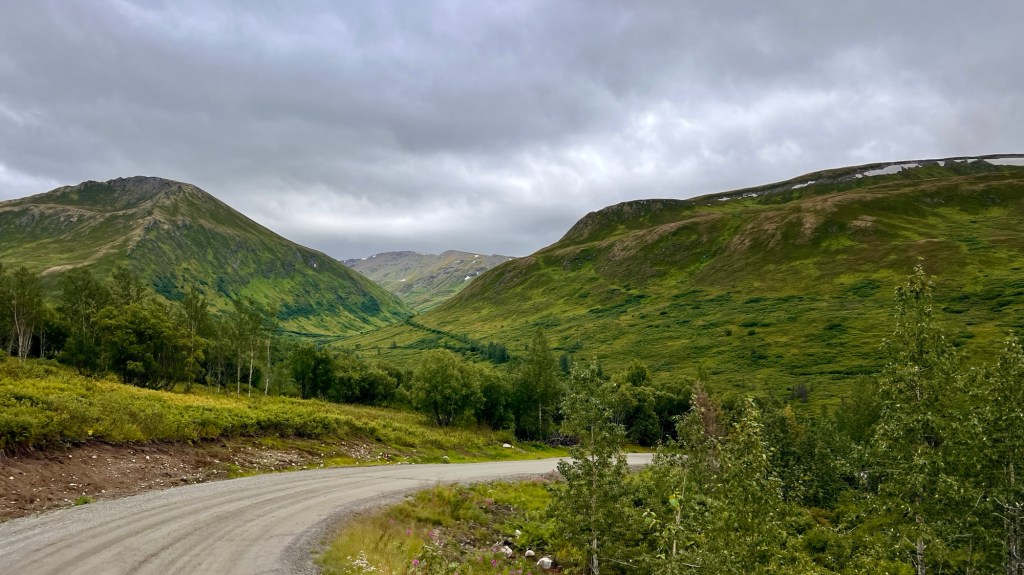
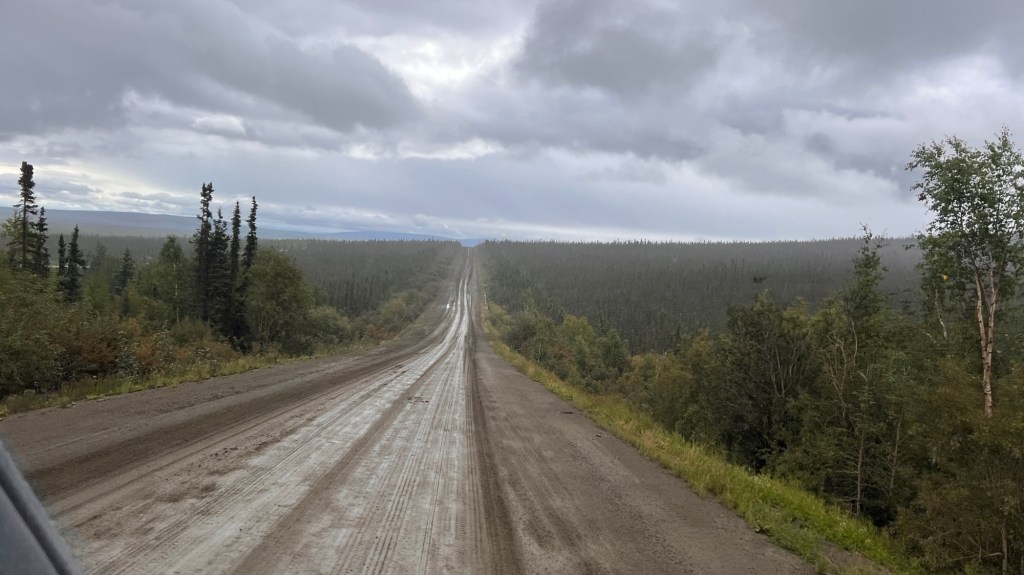
It’s time to begin our month long procession east then south, out of Alaska, into Canada, and finally, the lower 48. Time to say good-bye to the wildness of this beautiful land, where it is easy to forget your worries, clear your mind, and refresh your inner most being. To the fresh, crisp, cool air, the bears, moose, squirrels, seagulls ravens and bald eagles, all etched firmly into my mind, a sorrowful good-bye. A fond farewell to the mountains and glaciers, turquoise rivers and milky white glacial streams and waterfalls, thousands of lakes and fiords. To leave behind the thousands of miles of pot-holed, wavy, and frost heaved roads of dirt and tar.
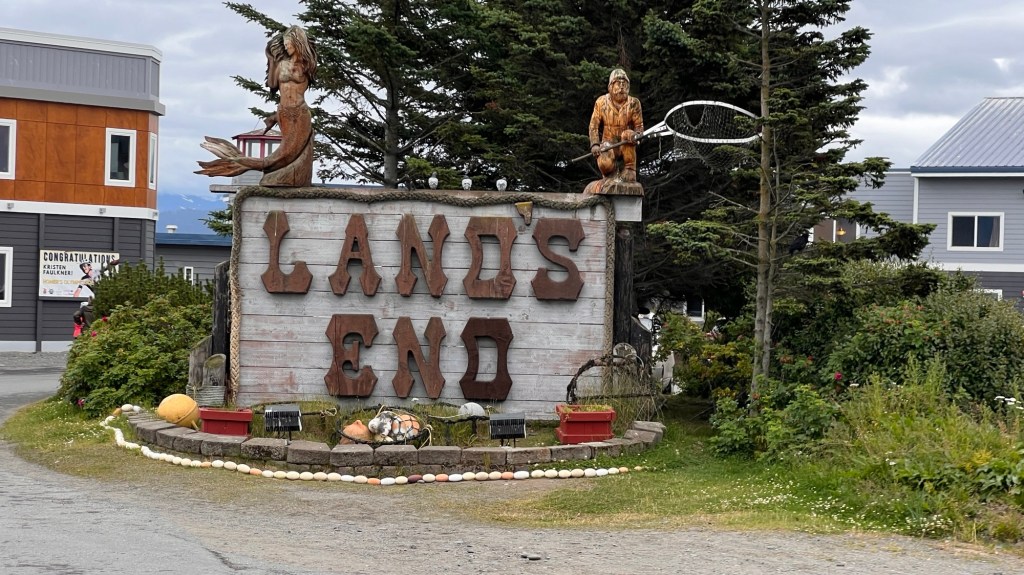
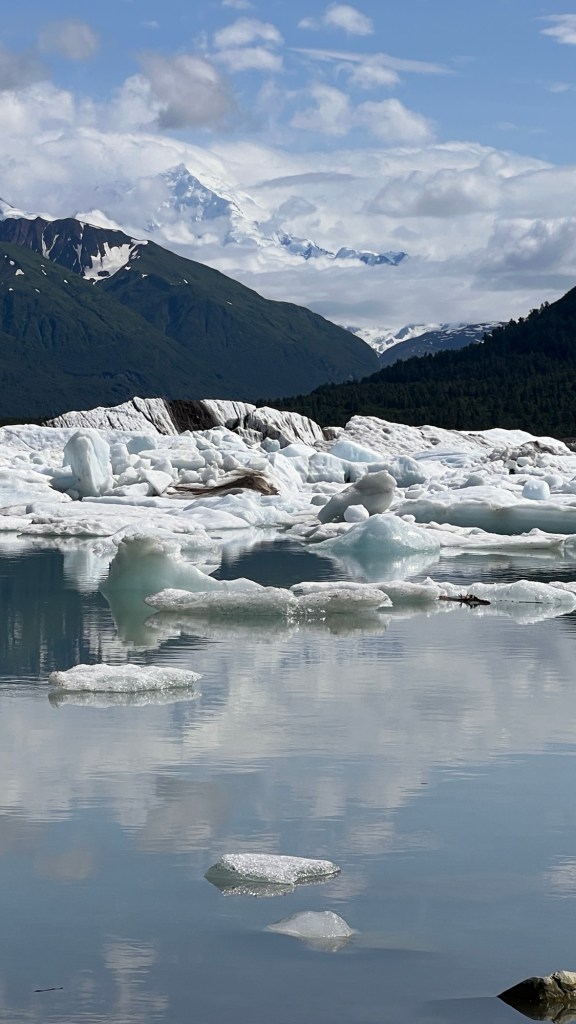
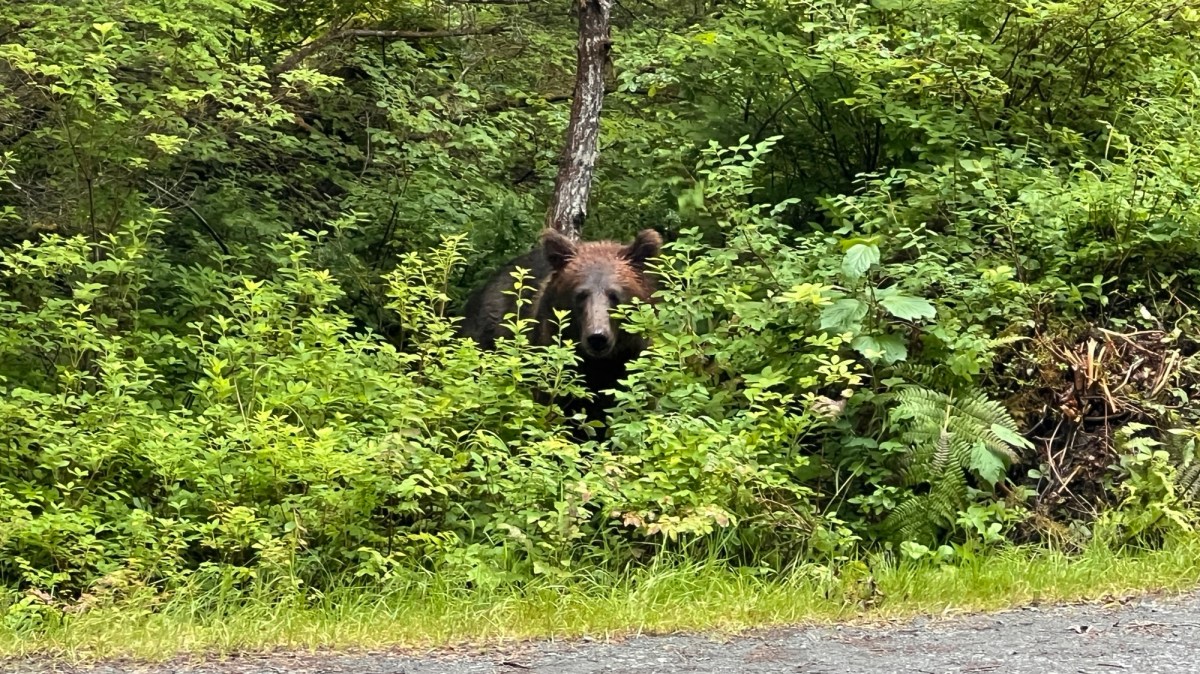
Although the journey has not ended just yet…we’ve traveled almost 6,000 miles since Salt Lake City. We’ve driven on almost every road in Alaska, been from the Continental divide (Antigun Pass) to Lands End (Homer). We’ve traveled by ferry along the Inside Passage between Juneau, Skagway and Haines. Took a wild ride down the Tatshinini and Alsek Rivers, played with icebergs and bergy-bits. We’ve had our share of bear encounters, some too close for comfort. I’d say it’s been a wild and encompassing ride for sure with still more to come.
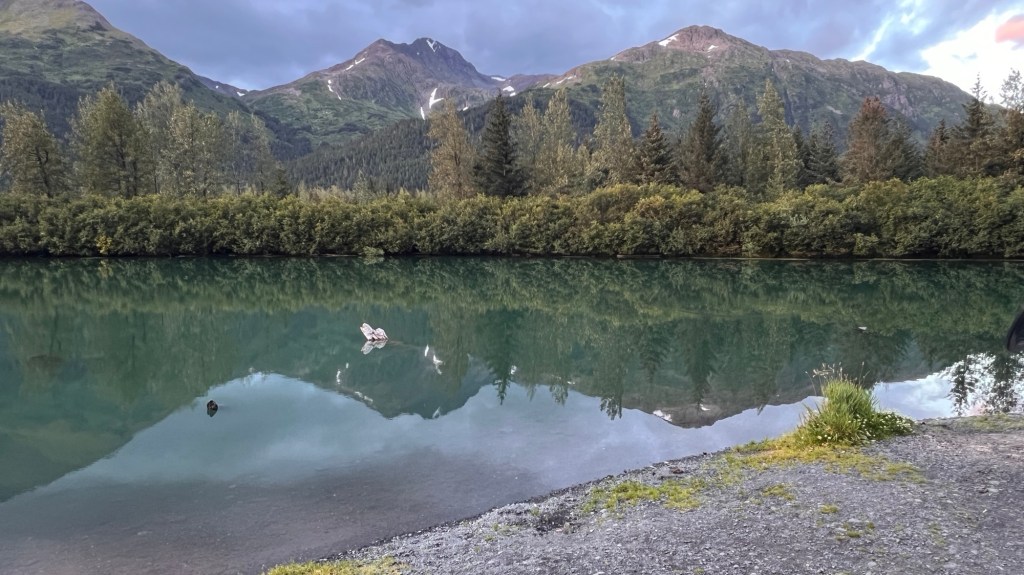
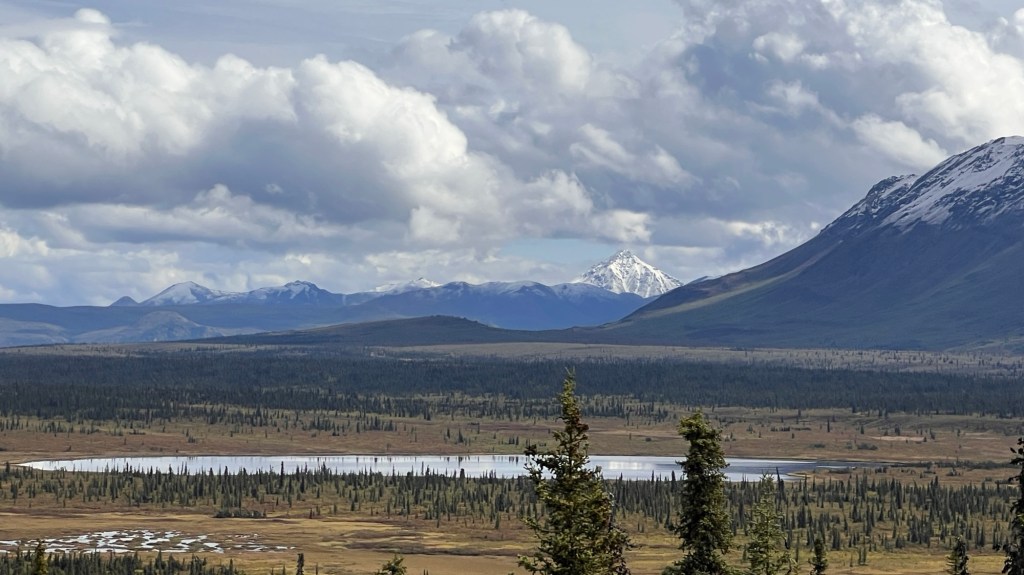
The clouds, like ghostly apparitions, glide across the mountain tops, getting stuck in the rocky crevasses and at mid-mountain, the tops of black spruce groves. White gashes of the snow fields and silent glaciers, creep across the mountain passes, carving deep scars into the ancient Arctic tundra. The tree stands dot the sides of the hill in a spattering of greens, yellows and reds, as the fall closes in. A hint of chill hangs heavy in the air tonight. It’s gonna be a cold one, clear skies and a light breeze from the NW. The lake stands still as glass, reflecting the grandeur of the surrounding alders, willow and poplars. All is silent and eerily still.
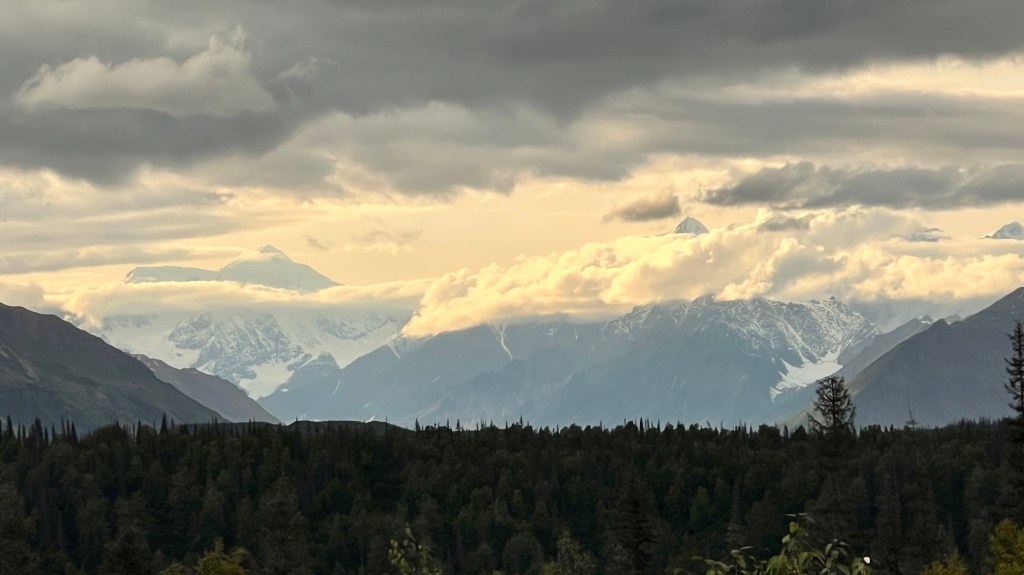
It’s been a week of travel from the Antigun Pass of the Dalton Highway above the Arctic Circle. We took a side trip to Chena Hotsprings for my birthday, before heading south down the Parks Highway. Denali, or more correctly, Mount McKinley, was playing peek-a-boo with those of us that hunkered down for the night in the makeshift view point parking lot campground for a night of boon-docking. The sun is starting to actually go down now at a more reasonable hour. The long days of the mid-nite sun, have gone for the summer, and the march towards the winter darkness has begun.
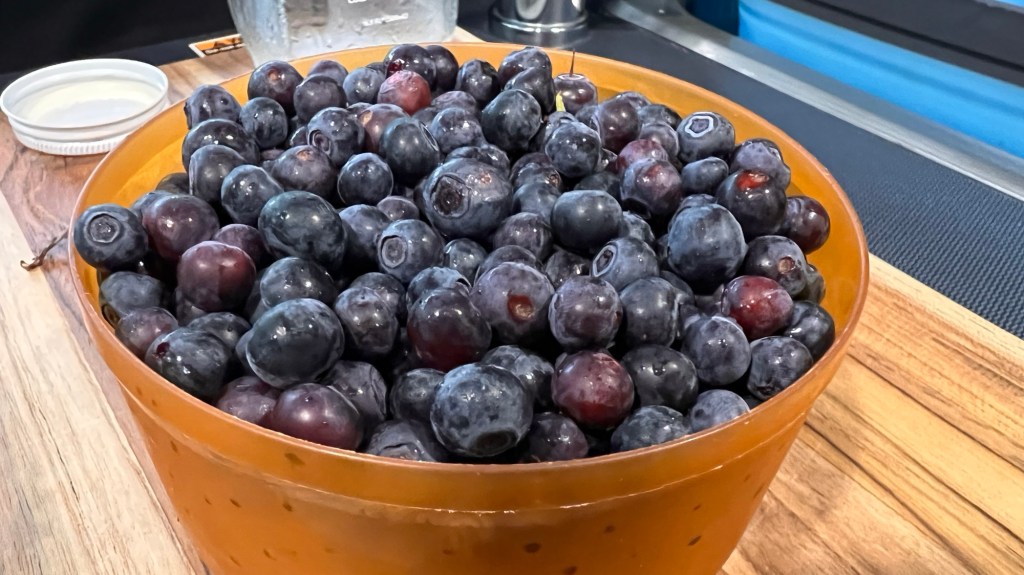
The weather has been, well typical Alaskan. In any given week, at least two days will have sun, two will be cloudy and three will be wet. The wet days are usually drizzly and overcast, which both ignites the colors and makes for flat lighting, muting the contrasts. Good trade. Sometimes these are prime wildlife spotting days, since a lot of the visiting humans hunker down and stay dry. Bears, both black and brown, love to forage for the blueberries and raspberries that are covering the hills and road sides. Moose are a rare sighting in any weather, so the fact that we saw one was almost a miracle. The fish don’t much care if it’s raining, bright in sunshine and clouds, we caught our fair share of the Arctic Grayling. Porcupines waddle across vast empty ribbons of highway minding their own business. Ground squirrels and prairie dogs scamper about the puddles and dig in the soft black soil. It’s a struggle for survival that we have had the good fortune to observe while here.
The salmon run has begun in most of the streams and rivers. These mighty titans of the fish world, fight with every ounce of life they have left to make sure the population survives. Their bleached bodies, still sporting the deep red color of the end of life, struggling upstream in shallow creeks and streams or their corpses lie rotting on the sides of these rivers and streams, providing nutrients and sustenance for opportunistic predators and scavengers like the raven and gulls. Even the majestic eagle makes a showing at this feast. In the way of the salmon’s final goal…stands humans and the grizzly bear. Both worthy foes.
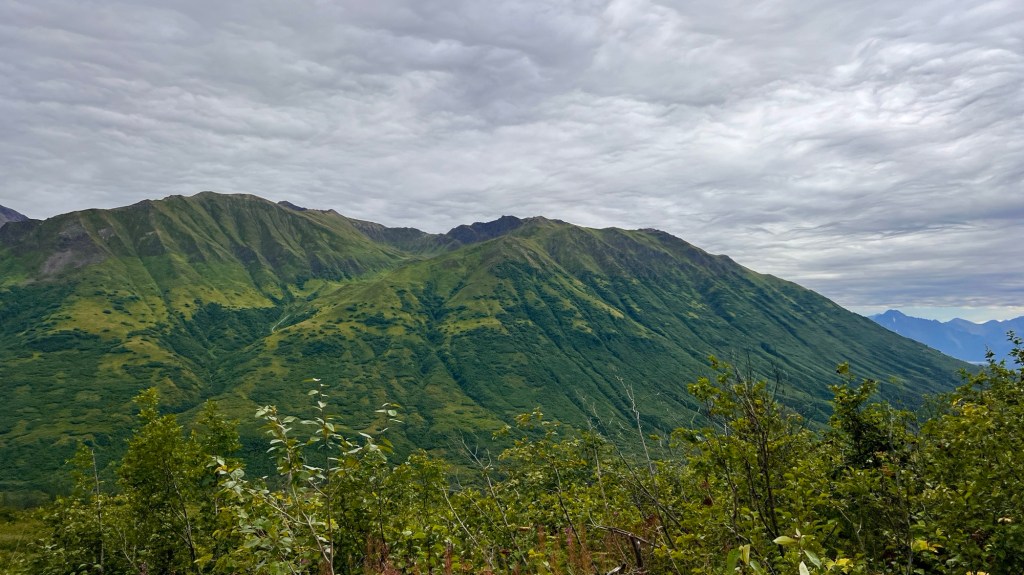
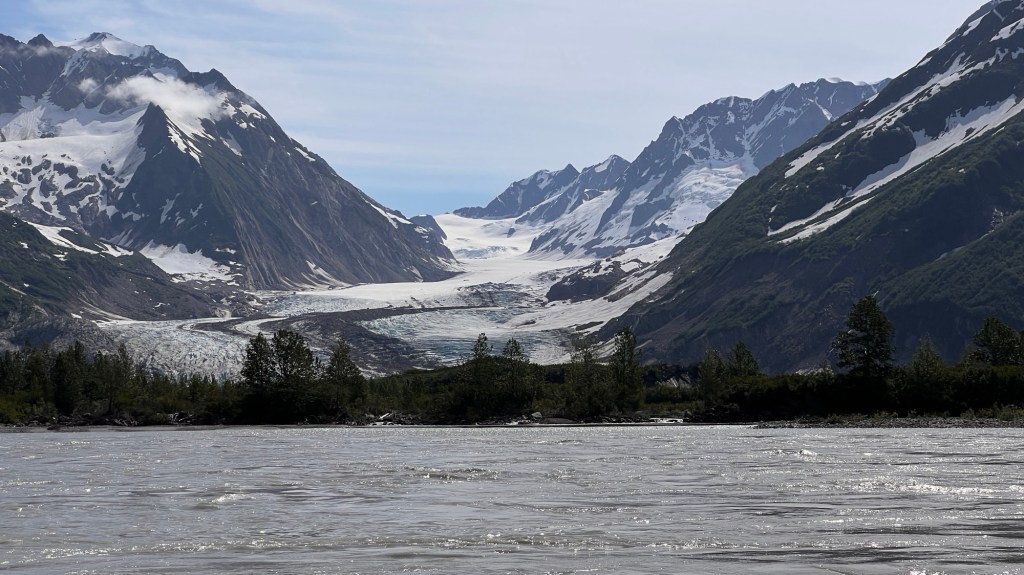
We’ve seen the landscape change. Not just the beginning of autumn’s colorful show, but the craggy mountains, smooth rolling hills, flat Arctic tundra and massive lakes and rivers, glaciers and gigantic snow fields. We’ve floated down a river, through an iceberg choked lake and seen temperate maritime weather. We’ve flown over 12,000 feet in a seaplane through the snow laden Fairweather Mountain peaks. We’ve seen thick subarctic boreal forest and sparse arctic tundras, vast inlets, bays and fiords. The wildness is everywhere.
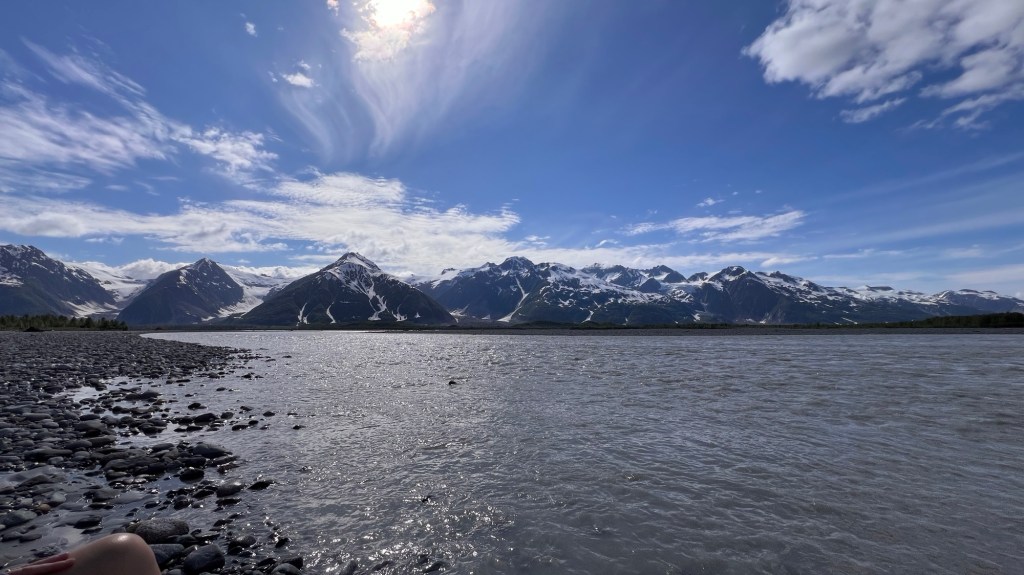
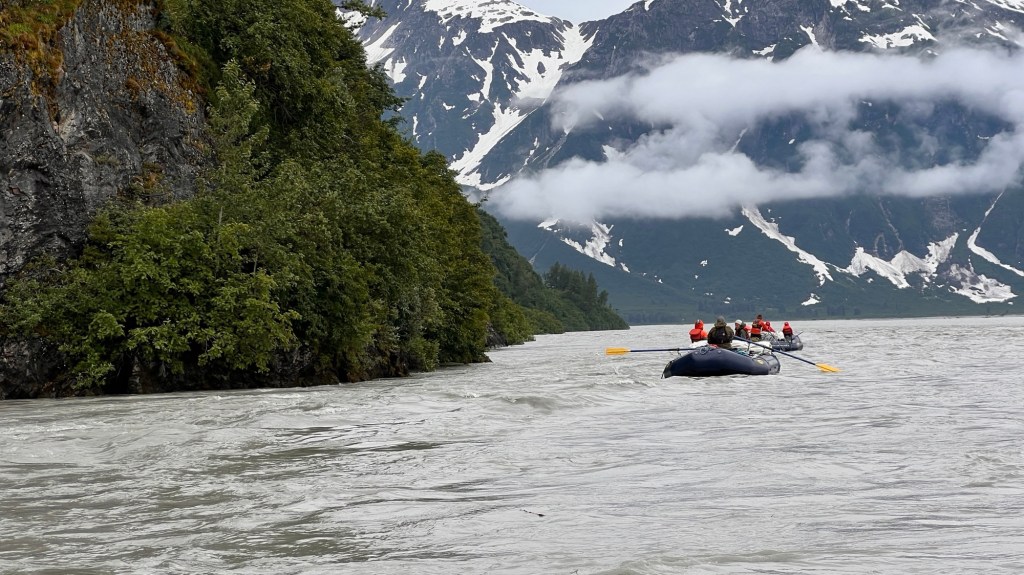
We’ve just returned from an amazing Canada/Alaska River trip down the Tatshashini and Alsek Rivers, down into Alsek Lake and take out at Dry Bay. The whole trip took 13 days plus travel time of another 13 days to Haines, Alaska.
Although the river trip was not on our bucket list, traveling around western Canada and Alaska was. The river trip became the catalyst for this new chapter in our adventure.
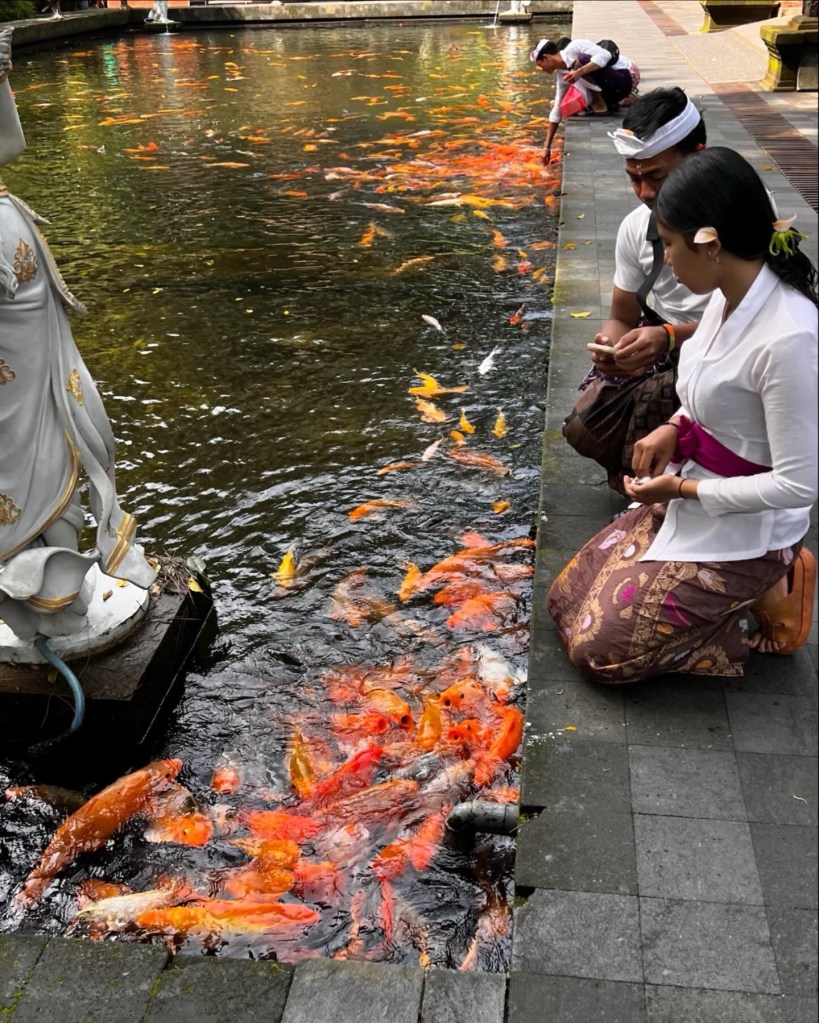
As we sat in Bali, melting from the oppressive humidity, we realized our travel in the blazing sun, and blazing kindness of its people, needed to come to an end. We had covered much of SE Asia in a 4 month period: countries like Singapore, Thailand, Vietnam, Laos, Cambodia, Korea, Indonesia, and Malaysia. It was an other-worldly experience, and touched both of us deeply…but our bodies were screaming for a break from the heat.
We found ourselves thinking of very cold places, Antarctica, Iceland, Alaska, Patagonia. Big dreams of cooler temps, zero humidity, even some of our old haunts just didn’t excite us. When Chris saw the Facebook post from Bio-Bio River Expeditions, for a trip down the beautiful Tatshashini/Alsek Rivers. Pictures of rafts floating around stunning blue icebergs grabbed both of us by our sweaty hands and led us down the rabbit hole. This was it!
So we set off on planning to see if we could make this happen. We picked up a Sprinter Revel Van, outfitted it for the arduous trip, bought the necessary clothing and secured a seat for us on the trip.
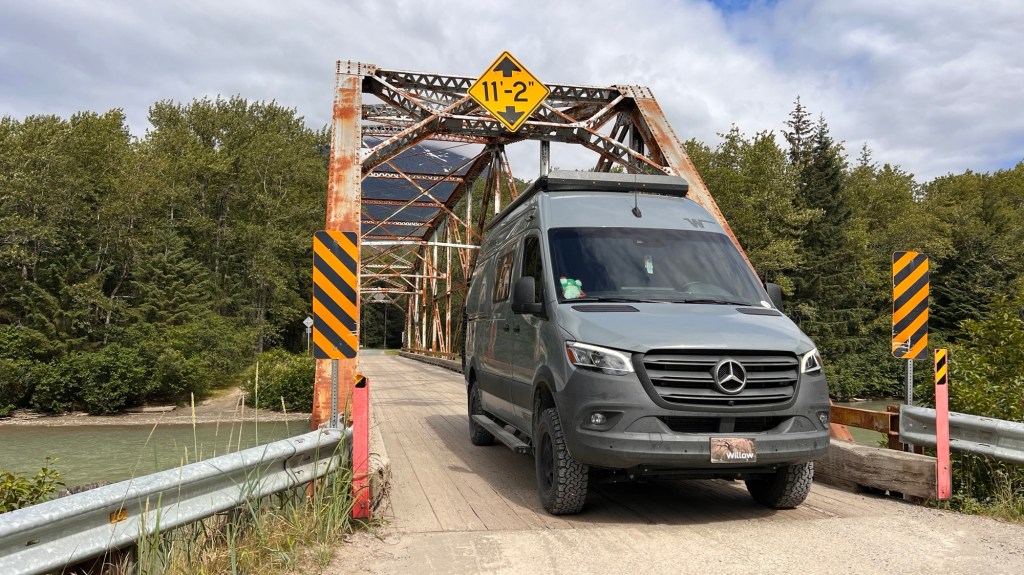
The drama began with seeing the expensive nature of this undertaking. We bought the van because renting a van or RV was exorbitant. Then came my tummy health issue, then the breakdown of the van as we set out. We made it to Skagway, caught the ferry to Haines and settled in a few days before the trip and one more hiccup, Chris broke her tooth and needed an emergency appointment with the only dentist in town. All that was now water under the bridge, no pun intended, as we suited up in supplied dry suits and met our group.
The next morning was glorious, sun shinning, smiles all around. An amazing feeling of joy and a bit of trepidation hit me as we stood on the river bank, red dry tops, blue dry pants and insulated black and brown mud boots, red life jackets cinched up tight. Within an hour or so, we came to our first splashy wave trains, one finding its way into my dry suit, chilling me and reminding me to hold on.
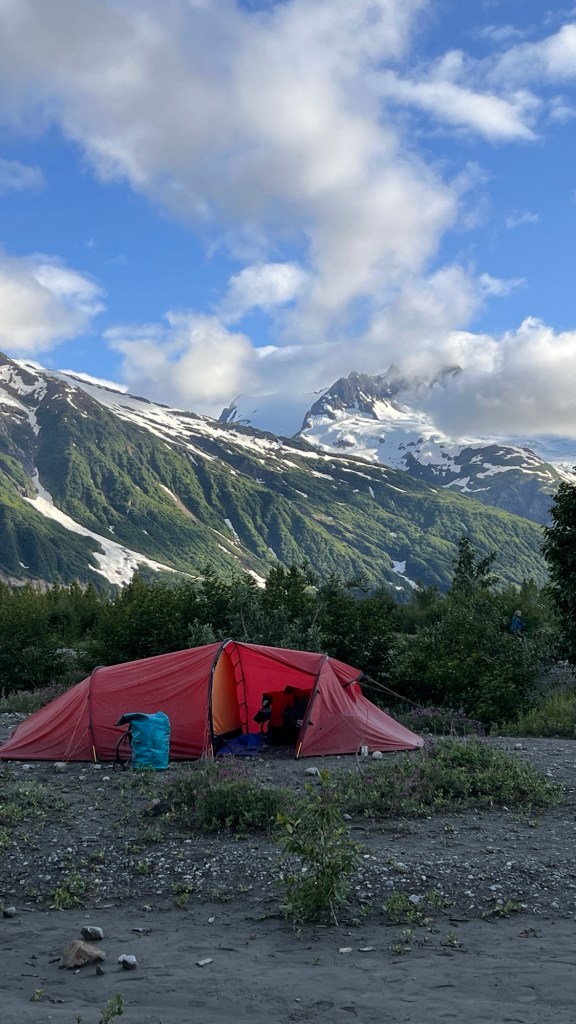
Camp was always beautiful and we scrabbled to find a level, clear area for our tents. After a few days, the tents became a pain in the ass! They were short and squatty, making entering and exiting very difficult without crawling on hands and knees across wet, rocky ground. The sleeping bags were warm and cozy…bonus!
There is just so much running through my mind when I think of the days on the river itself. Once in a while we were asked to paddle, sometimes to help propel the rafts, other times just to stave off the cold chills of the cold rain and biting winds blowing downstream. We all looked like a blue rubber basket of Easter eggs, as we curled up in tight balls to conserve heat. Some days presented with sun and a promise of grand vistas and windless travel. These days would take your breath away as around each river bend, new wonders appeared. It was somewhat difficult to figure out how to layer under the dry suits, but no matter when we left shore, dressed like small children going out to make snowmen, we soon were adding or removing layers…from hot to cold and back to hot if you were lucky, but little in between.
Camp life was usually pleasant, except when the mosquitoes would swarm. The weekend before we arrived at Purple Haze camp, there had been 6” of rain in a 24 hour period, probably why we had wind and rain further upstream. This rain awakened the veracious insects. Black flies and mosquitos topped the ticket. These tiny, or not so tiny in the case of some mosquitoes, will drive you mad! We were lucky that only a few camps seemed to be utterly infested with the biting menaces, and happy they were only one night stays. Everyone adorned head-nets and deet was the preferred perfume of the evenings meal. Dessert was passed on as we all ran for the shelter of our squatty little tents and played the game of smash the rouge mosquito that found its way into the tent, it only takes one of these little bastards to drive you batty.
Alaska has its beauty and also is a harsh environment. It is not for the faint of heart. True Alaskan wilderness is not forgiving and should be entered with caution and care. On the last day, we found out that our pilot had gone missing with 2 others the day before. Due to the search, no plane was coming to get us. These were seasoned veterans of this Alaska wilderness and its small communities that depended on their services. Tragedy and grief is not an emotion I thought I’d experience on this trip.
I can’t tell you if I was ready for the myriad of emotions I went through but in the end…it was an experience of a lifetime and one that will be remembered. Alaska is wild, natural, stunningly beautiful, incredibly demanding and deadly.
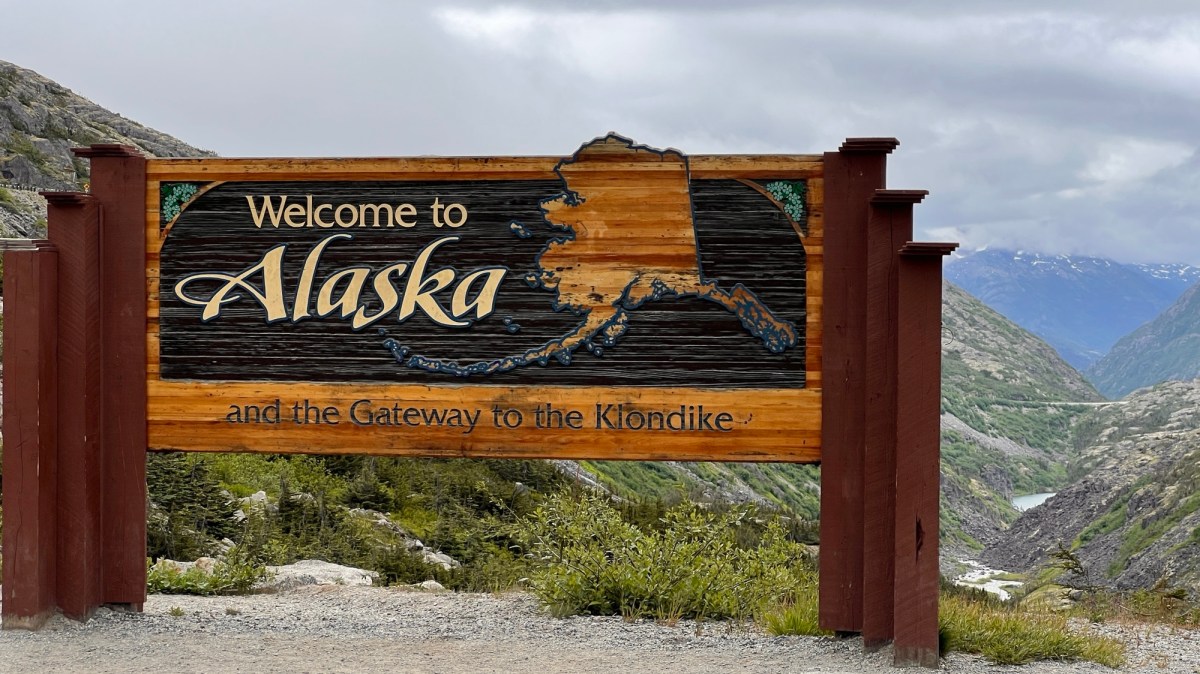
It’s been 12 days since we left Salt Lake City. Twelve days of constant driving, sleeping, hiking and driving some more. Yesterday, we crossed from Canada into Alaska. The grandeur of the views before us just kept getting more and more grand as we pushed through the rolling hills, and back to the Great Northern Rocky Mountains.
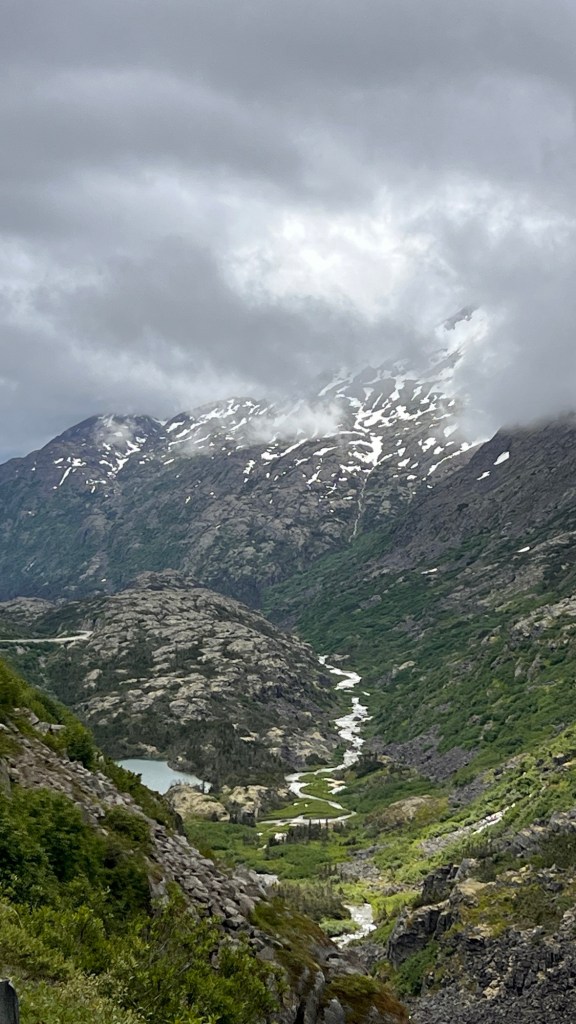
White Pass was a long mountainous pass with switchbacks and craggy glacier choked peaks jutting up from the valleys…with rivers flowing out of these behemoths in cascading waterfalls. Scattered snow melt lakes dotted the landscape, each with its own color of blue, green or milky white. The subalpine trees sprung up from rocky out crops and random high spots, stunted by the harsh winter months and many feet of snow. Small creatures darted from tree to tree, outcropping to outcropping. Birds flitted from tree to tree, with some doing crazy mid-air acrobatics, chasing insects we can’t see.
We exited the ALCAN Highway in Tagish, connecting with the Klondike Highway for our last push into Skagway, Alaska. The history along this stretch of road dates way back to the late 1800s when the gold rush took over this part of Canada and Alaska. The Tlingit people trapped this harsh land for survival. The Russians came to harvest what they could from the gold rich mountain streams and lakes and to buy pelts from the Tlingit people.
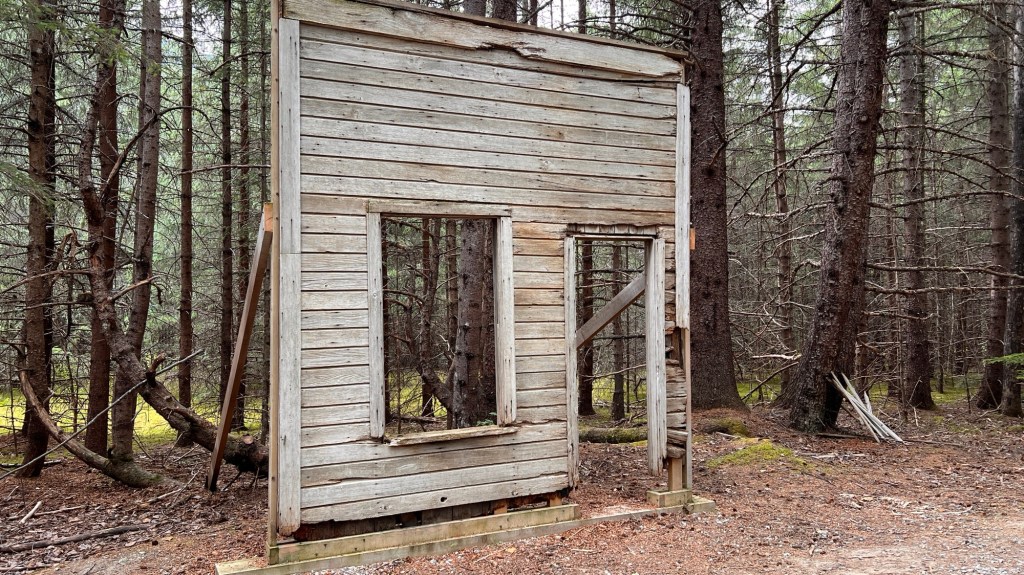
In 1942, the Alaska Highway was being completed which brought more and more people into the small villages and allowed for stores, saloons and hotels to spring up creating a booming mercantile market that allowed for easy sale of pelts and goods needed for gold mining. All this collapsed as the gold dried up. The roads to the villages still remained so the Tlingit continued to occupy the infrastructure that remained and created a lucrative trading business of beaver, lynx, bobcat and other large game animal hides. They supplied gas to westward travelers in their fancy new cars, a place to sleep and eat. Some of these towns, such as Dyea, have streets and street name signs, but the buildings have long since returned to the earth. Only trees, pictures on posts, and a boreal forest stand where the buildings once did. It is left to the imagination once again.
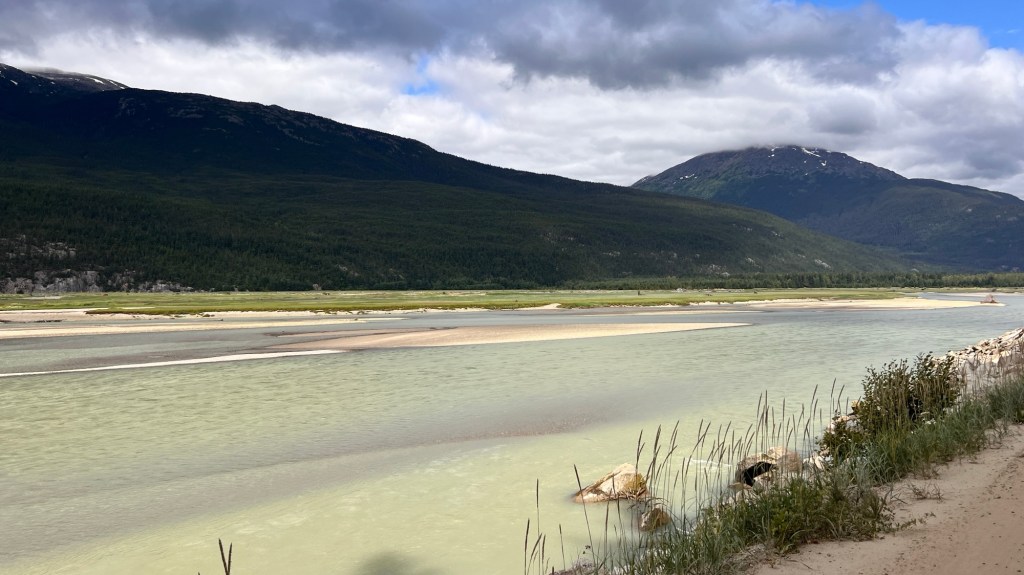
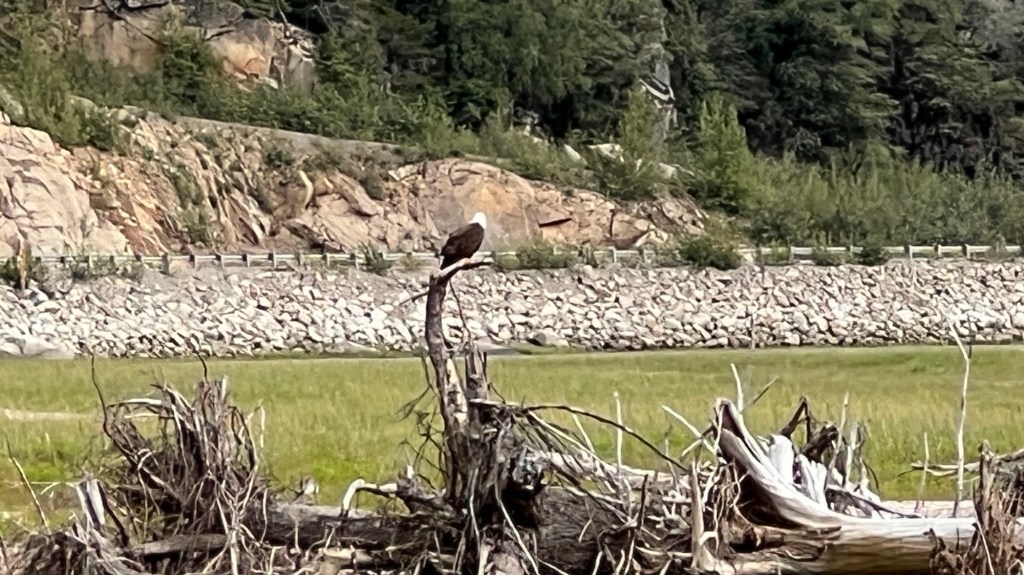
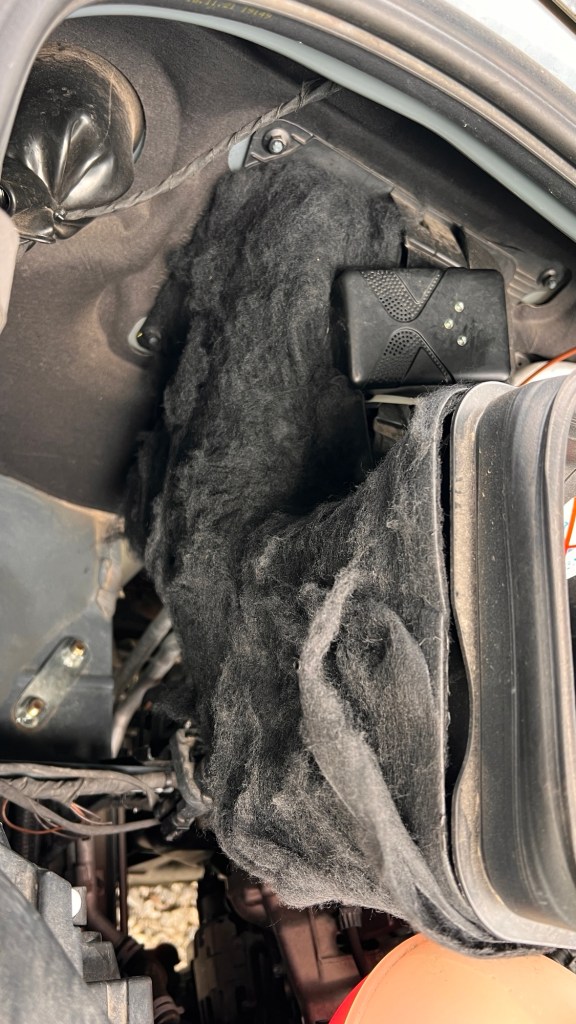
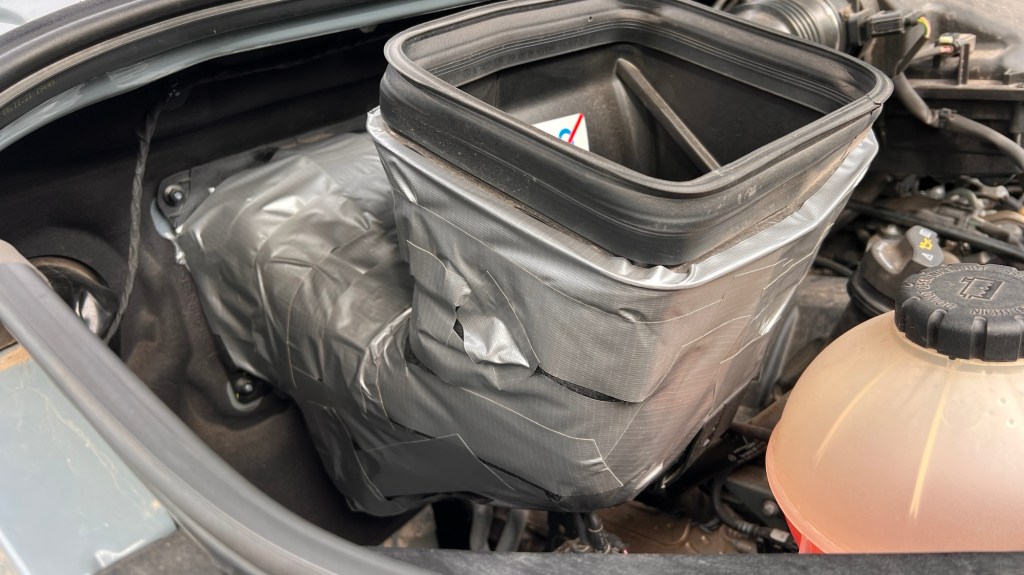
We chose to stay in the historic district/town of Dyea last night and tonight. Our camp sits on a tidal river. We learned that there are 22 different species of mosquito in Alaska, and I think we encountered half of them. A strong breeze did keep the rest of them away. We were entertained by a couple of bald eagles hunting on the tidal flats. We were not so amused by the little chipmunks that thought it would be fun to get up under the hood and strip some felt insulation off an intake for the fresh air by digging it off fuzzy piece by fuzzy piece. We decided to tape the shit out of it to prevent any more marauding.
Skagway
Today we packed up, went into town, and got showers at the Skagway Rec Center…much needed. You can pay $10 and stand under all the hot water you want! They even provide towels…bonus. Now all clean and wearing clean clothes, we are going to “paint the town” of Skagway.
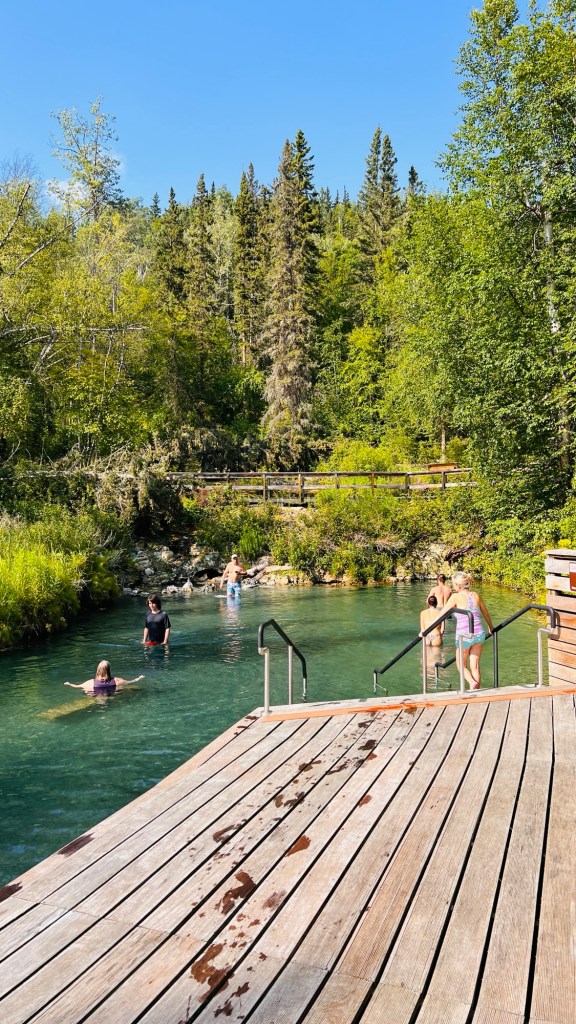
We packed up camp this morning, everything was still damp from the previous days storms. It seems to rain a lot here. Last night, we camped near some natural hot springs. Laird hot springs was once a respite for the workers back in the 1940’s, building the Alaskan/Canada Highway, or ALCAN for short. The ALCAN took 9 months to build and was built by the US to service troops in Alaska during WW2. These natural hot springs flow into a beautiful river mixing to a perfect temperature. There’s a long half mile boardwalk to get to the springs, that crosses some swampy areas choked with peat and thick patches of lichen. The trees are sparse and mostly just tall skeletons, poisoned and bleached white by the sulphur and minerals leached from the hot springs.
After a good soak, we drove to the overflow camping lot and picked a spot. The campground had just filled up when we arrived, figures, and we were sold a spot in the overflow lot across the street from the official campground. Basically it was a big gravel parking lot with an outhouse and a fence. We settled in and slept well.
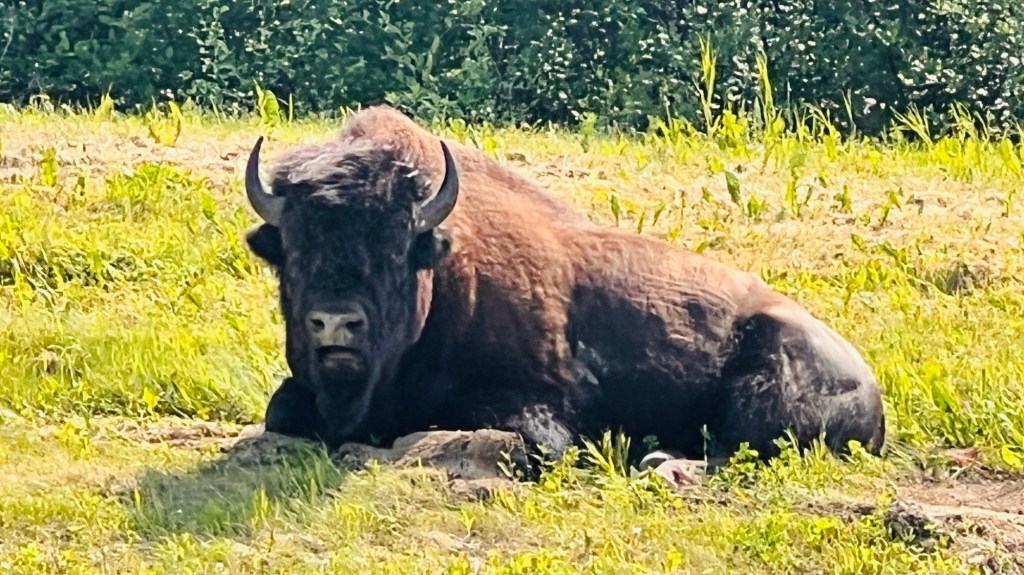
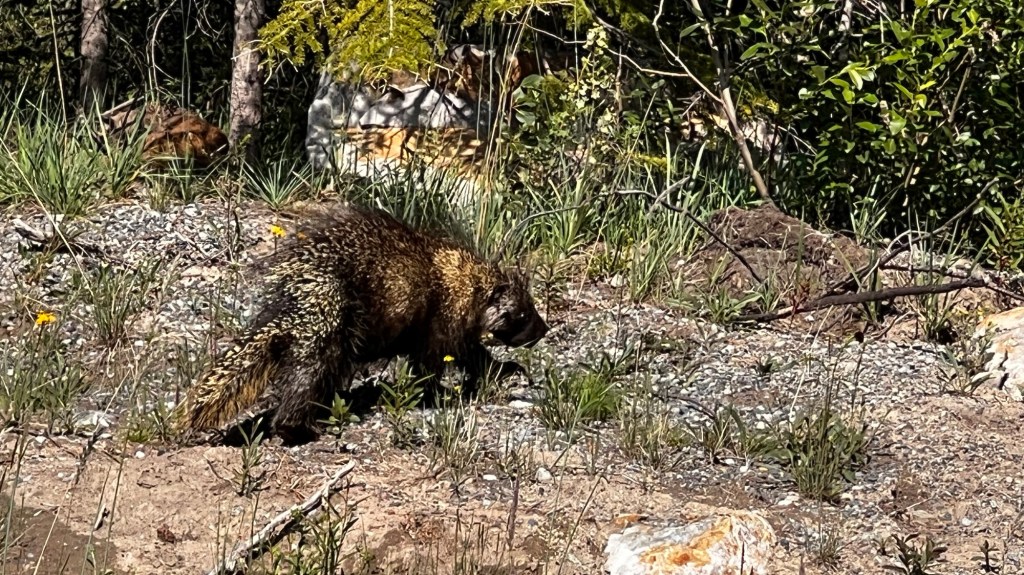
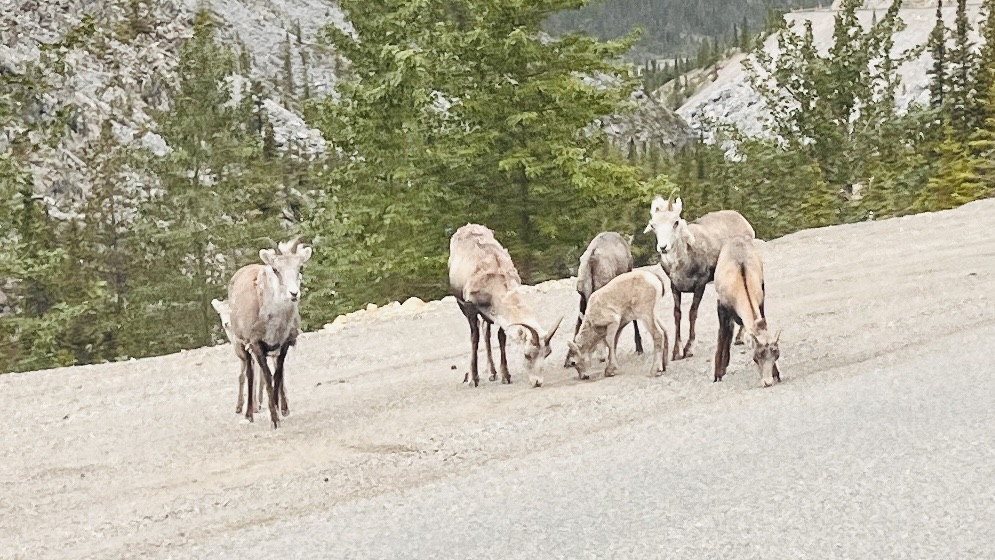
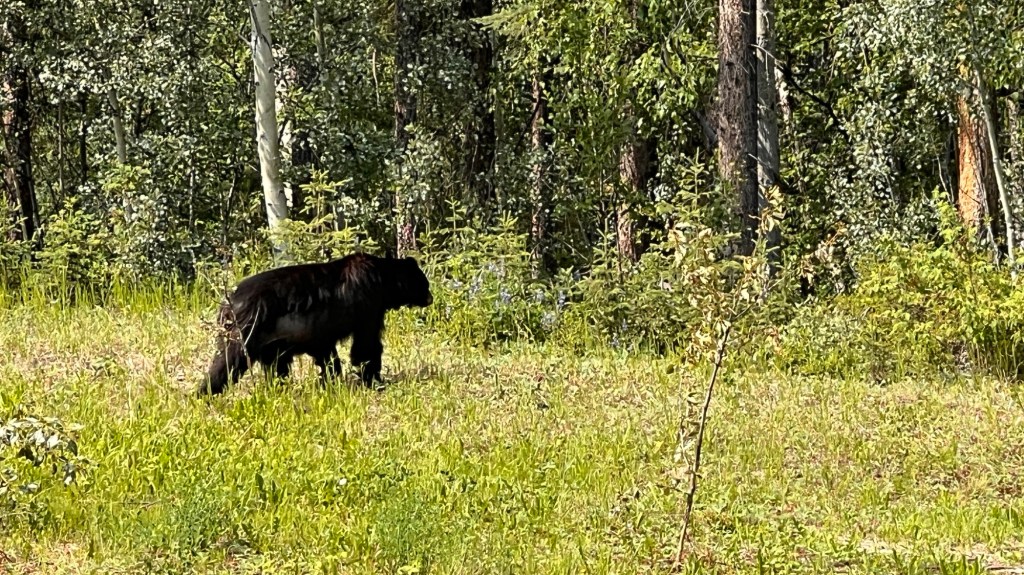
Throughout our trip thus far, we have encountered a myriad of animals. There is an abundance of black bears. It has become a norm to see at least one black bear grazing on the fresh green grasses on the wide swaths of treeless area between dense forest and Highway. We have also seen stone sheep, timber bison, a porcupine, huge black ravens and the normal rabbits and ground squirrels when we venture down a side road.
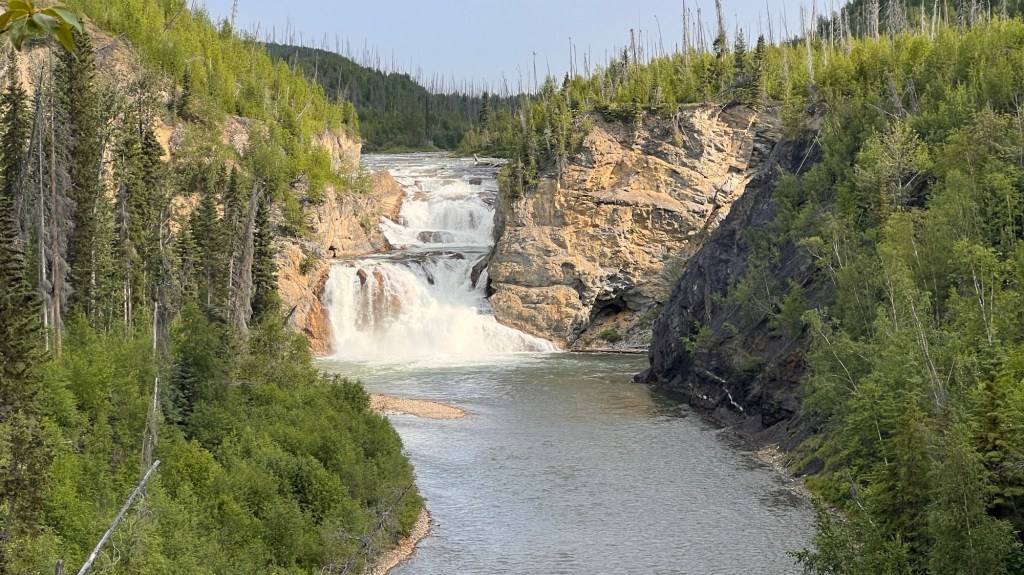
We ventured down a gravel road to see the beautiful Smith Creek Falls. It was such a beautiful sight, we decided to set up our chairs and sit by the edge of the cliff to finish our morning coffee. The sun was popping in and out of the cloud filled sky, a light breeze blowing and the thunderous sound of the immense falls all made for a devine spot to stop. We had just settled in when suddenly Chris says, in a low steady voice, “Bear…” Let me tell you the fear that grips you when you hear that word. My stomach instantly tensed up, a rush of adrenaline, we stood up, bear spray in hand, and started walking slowly, yelling and waving our arms as we headed for the van. The bear saw us and turned and ran back into the thick trees and shrubs as fast as we ran to the van. I must say that bear spray is now within constant reach and always on us when we go anywhere outside.
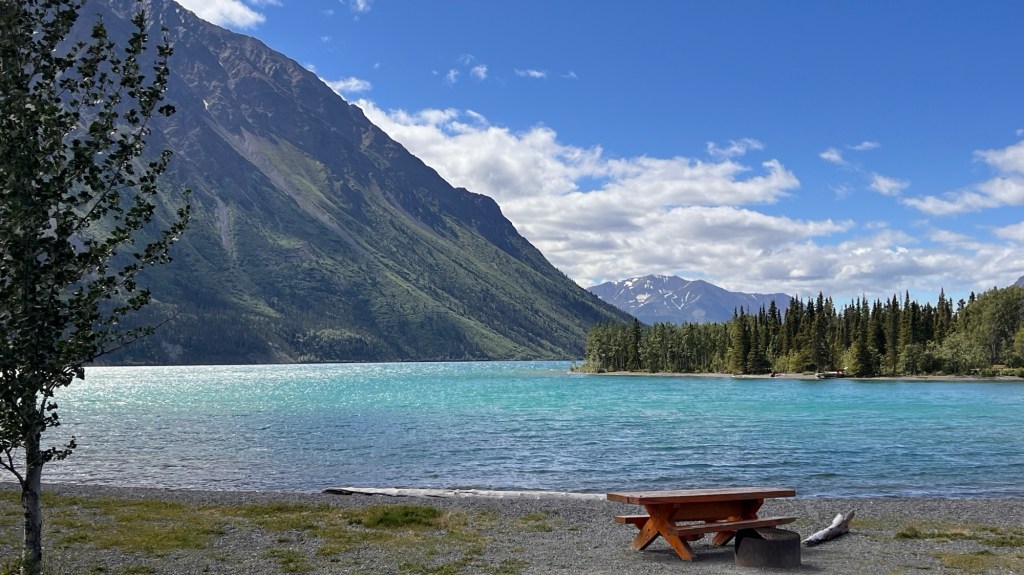
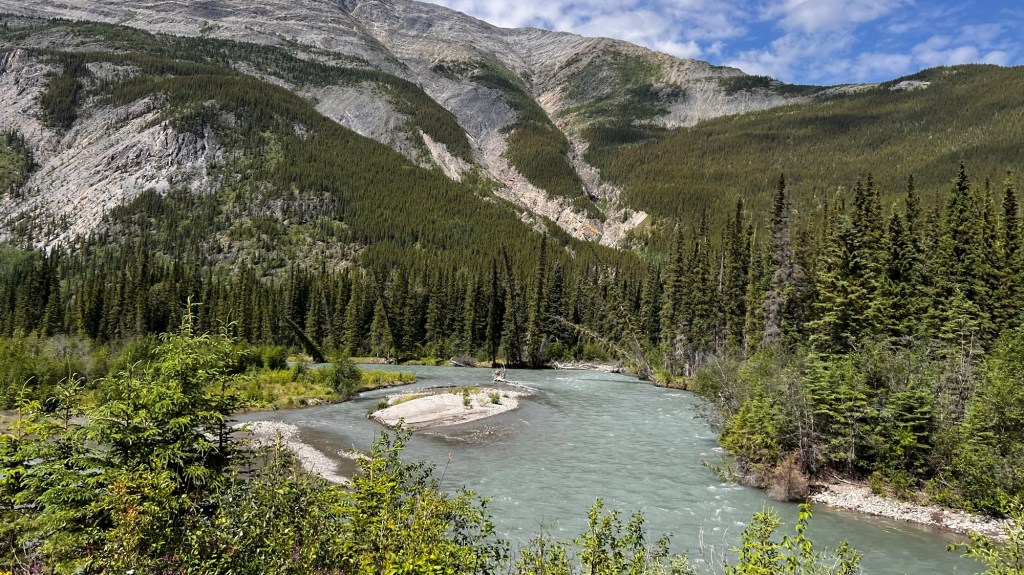
The landscape has changed again. We’ve been following the path of a wide river as it carves its way between towering peaks. The water takes in a milky white color as new rivers rush from high glaciers down into the swollen river basin. As it meanders along, the sun turns it the most beautiful pale blue as if the sky had just poured itself into the river. It’s not hard to see the powerful force that this water has, with huge trees, roots and all lying about, stranded on huge piles of boulders the size of a small car. Don’t be fooled by its tranquil appearance. At times, this river is a torrent of icy froth and foam, seething and grabbing whatever finds its way into its banks and tossing it like a toy. Amazing and deadly in one package.