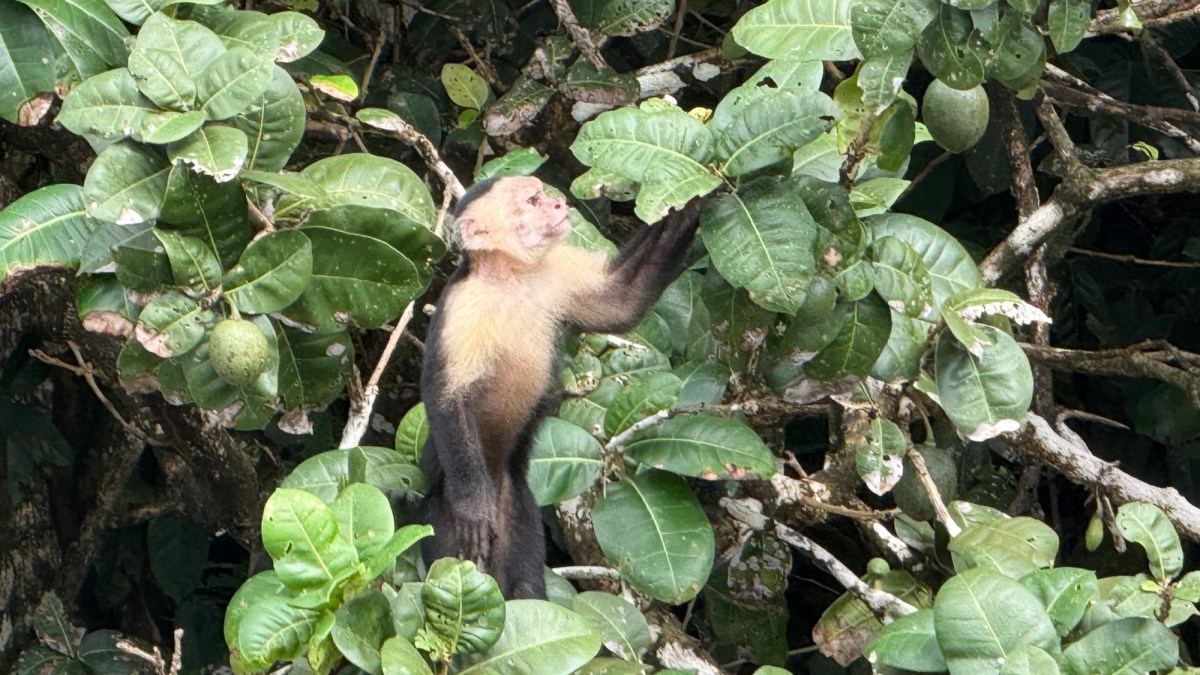
Rain and Rejuvenation

I’m sitting here on my patio watching the rain come down—again. We’ve had a ton of rain since Hurricane Melissa first appeared as a blip in the Caribbean. It must be true that October is the rainiest month in Costa Rica. We’ve had over twenty inches of rain this week, and more is falling.

And let me tell you—it knows how to rain here. It’s never just a “passing shower.” Back in Utah, we’d call these “gully washers.” For example, our pool’s water level usually sits about six inches below the lip, but last night, after just two hours of rain, it reached the overflow drain. For the next four hours, the drain couldn’t keep up, so I had to pull the cover off to let the water escape before it spilled over. Our pool is about eighteen feet long and twelve feet wide. I’m no mathematician, but that’s a lot of water.

Why did I mention Melissa?

Part of learning to live in a new country is learning its weather. We don’t have regular TV here, so most of our information and alerts come through WhatsApp. I saw a question recently posed to a local meteorologist: “If the hurricane is in the Caribbean, why is the Pacific coast getting high tide surges and flooding—while it’s sunny on the Caribbean side?”

Here’s where it gets a little nerdy. A hurricane is a living, breathing, seething wonder of nature. It pulls energy from all around it—even thousands of miles away. Just off the Pacific coast of Central America sits the Intertropical Convergence Zone (ITCZ), which holds an immense amount of humidity—a marine layer of warm, moist air. The hurricane literally pulls that ITCZ over the nearby countries, where it becomes supercharged by local weather patterns. The result? Torrential rain that can last all day.

During a “normal” rain, you can feel the humidity rising. The air gets heavy and oppressive. It’s no wonder everything here grows so fast, so big, and so green.

This week, we’ve also begun a new path toward better health—a change in diet, shifting old habits, and replacing them with more holistic practices. We’ve started giving back to our small community by volunteering and joining in the local energy and vibe. We’ve taken up Tai Chi, sound healing, and slow forms of yoga and breathing.

Today, I attended a “Morning Melt: Cacao and Devotional Singing Ceremony” at a local shop here in Uvita. There’s always some class or workshop on wellness, spirituality, or healing happening here. It’s about getting well—not just treating symptoms.

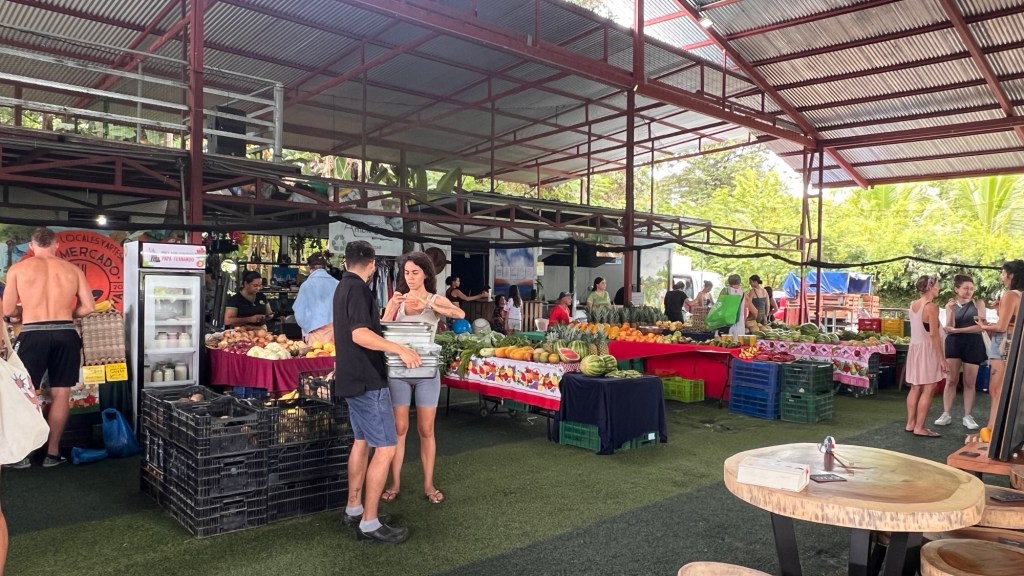
We eat fresh produce from the farmers market, grass-fed meats, and organic everything. We know where our food comes from—nothing is trucked in from far away. If it’s in season, we get it fresh. It all adds up to our main reason for moving here.
Here, in Costa Rica, we just might become young and spry again.

Do you know?

Since the 26th of July, Chris and I have been house and pet sitting in Yator, Granada, Spain. It’s a sleepy little town with only one tiny cafe on the main street. The town is in an area called Camino Montenegro.

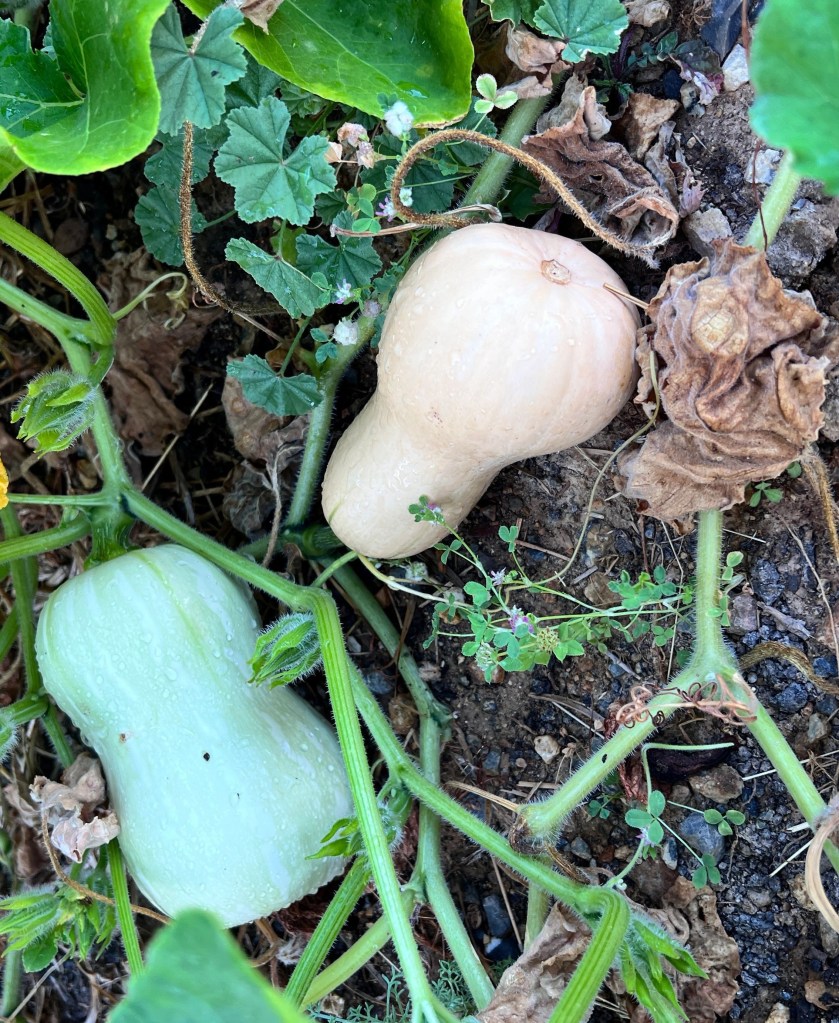
We agreed to do a pet/house sit for a German expat who owns a little farm up on the mountain outside of Yator. It’s a tiered farm with several raised gardens of all the normal vegetables, fruit trees, including pomegranate, apple, cherry, lime and figs. There’s a patch of just tomato plants and a vine garden of peas, beans, assorted squash, melons and cucumbers. There is also 30 or more olive trees, heavy with fruit, and two large Spanish Almond trees full of nuts.

Each morning we water all the trees and gardens, by hand, plus the ornamental plants on all three levels. In the cool morning air, hangs the scent of honeysuckle from the numerous honeysuckle vines covering the red dirt. Growing wild throughout the property are the herbs, rosemary and oregano, and the raised gardens have basil, parsley and chives. Basically, we have all the food we could ever need or want from the land. Watering of all these delicacys is done by gravity fed hoses at several stations throughout the property and takes about and hour and a half with both of us watering.

The water we drink comes from a spring located even further up the hill and 3 times a week we must turn on the feed to fill the water tank with fresh spring water. The tank is about 14 feet square by 14 feet deep. With the watering, showers and daily consumption, we take the tank down about 2 feet a day. The water is cold and clear and tastes delicious without the chemical additives in normal tap water.

One thing that has always been hard for us, since we’ve been in the road, has been getting vegetables into our diet. They are bulky and took up a lot of room when we lived in the van, and traveling around Europe for the last 3+ months, we’ve been at the mercy of the restaurants to get our veggies. Mostly we get potatoes or something that resembles squash, always over cooked or fried, and never fresh.

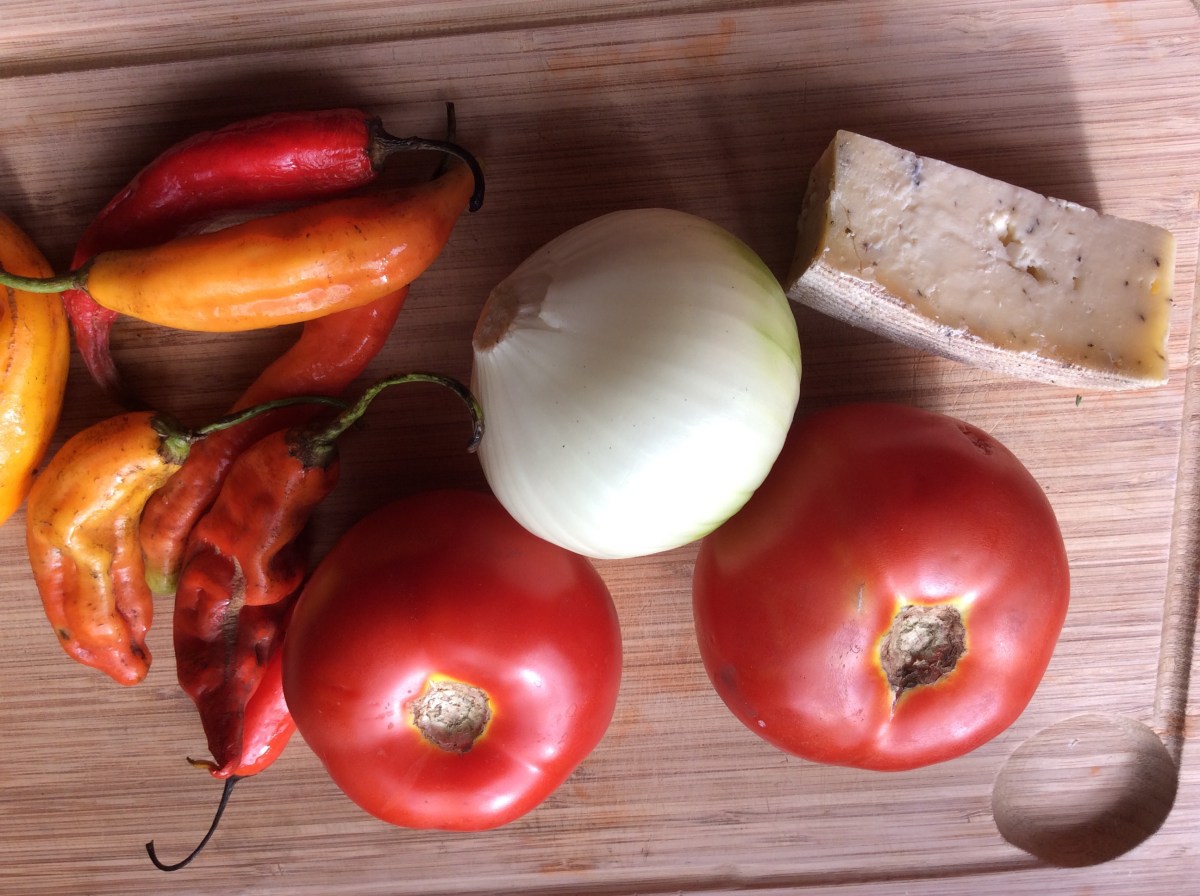
For the last 3 weeks, we have been eating fresh from the gardens, trying out new roasted veggies, beets, carrots and leeks. We’ve been making home-made salsa from the tomatoes we grow and the purchase of peppers and onions from women set up on street corners, selling the excess from their gardens, harvested that same day. Cooking meats with the herbs we grow and making delicious side dishes with the variety of squashes we grow. We’ve been making fresh salads with the lettuce, carrots and cucumbers we grow. It is very rewarding.

It is such a huge thing to know where our food is coming from, how fresh it is, that it is grown without chemicals and picked by our own hands. There’s something to be said for that, which never really crossed my mind until now.

Do you know where your food comes from? There are horrifying documentaries on how our food is grown, the process and effect of GMOs, fertilizers and other chemicals used to produce bigger yields and to keep the pests away. The impact we are having on the land, water and our bodies. I guess it took us slowing down here, putting in the effort and love it takes growing our own truly organic food, and being enlightened by these documentaries, to really understand and come to value this little humble farm.

Our next few months will be spent in Montenegro and perhaps Bosnia, both countries pride themselves on their clean food, clean air and clean water. I hope that we have learned a lesson and will begin to appreciate locally sourced food, grown with love, sweat and clean practices. Perhaps our carbon footprint will get even smaller which for us, is something we are proud of.