It’s a Wrap…Montenegro

The weather is beginning to cool down quite a bit now. The leaves are beginning to change colors. The tourists are starting to disappear. The days are growing shorter. It’s now fall in Montenegro. Our time here is drawing to a close.

We have really covered a good portion of this beautiful country, from the Adriatic sea to the lakes and rivers in the Dinaric Alps. We spent days walking around the Kotor and Budva Old City Walls, toured around the Bay of Kotor, hiked up and around Sveti Stefan, relaxed on Red Beach in Bar, fished for days on the Tara in Mokjavic, and finally explored the National Park Durmitor in Zabljak. Each of these places has its own secret charm, history, and culture. Each has its own attraction for us.

I find it funny to think that I can’t understand a word of what most people are saying. Most people speak Serbian. None of their words remotely resemble English and the farther north we went the less people spoke any English including grocery stores, or pharmacies.
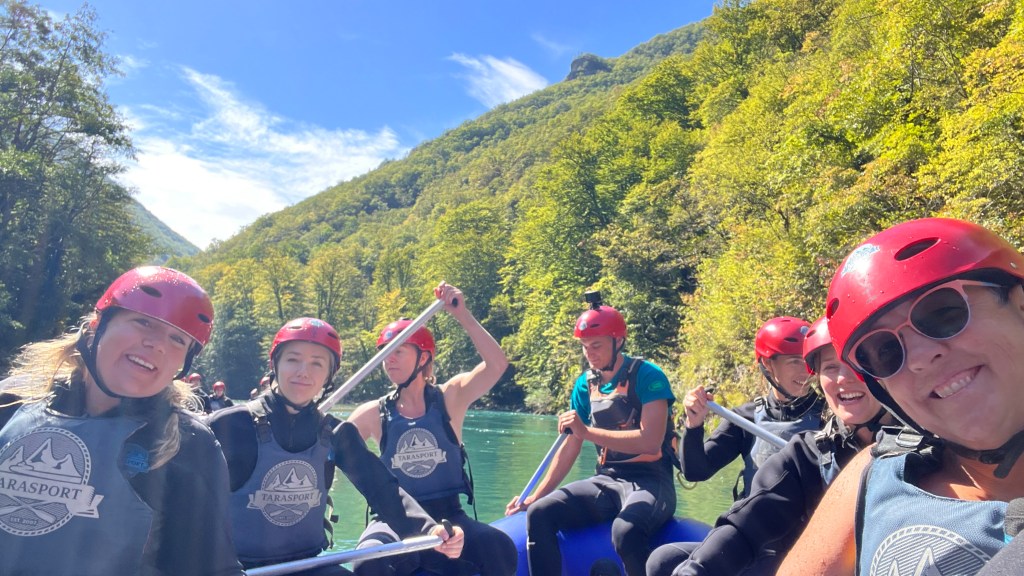
A couple days ago, we went on a white water rafting trip on the Tara River with 11 women from the Netherlands. They all could speak English but they were more comfortable speaking to each other in Dutch. We could pick up on many things they were saying. They were laughing and telling stories but we couldn’t engage with them. Laughing is universal though, so we laughed along with them.

Our cleaning lady, here at the apartment, comes in everyday and has a whole conversation with us in Serbian, full of expression and totally genuine feelings, but we can’t understand a word. Google translate is our best friend.

In all its beauty though, there are a few things that really upset me. Number one is the inability to get away from cigarette smoke. It’s hard to enjoy a meal when someone is sitting at the table next to you and lights up without a second thought. The apartment we have rented here in Zabljak has a strict no smoking policy that is not being enforced. We have moved to three different apartments before we found one that had not been smoked in. Sad.
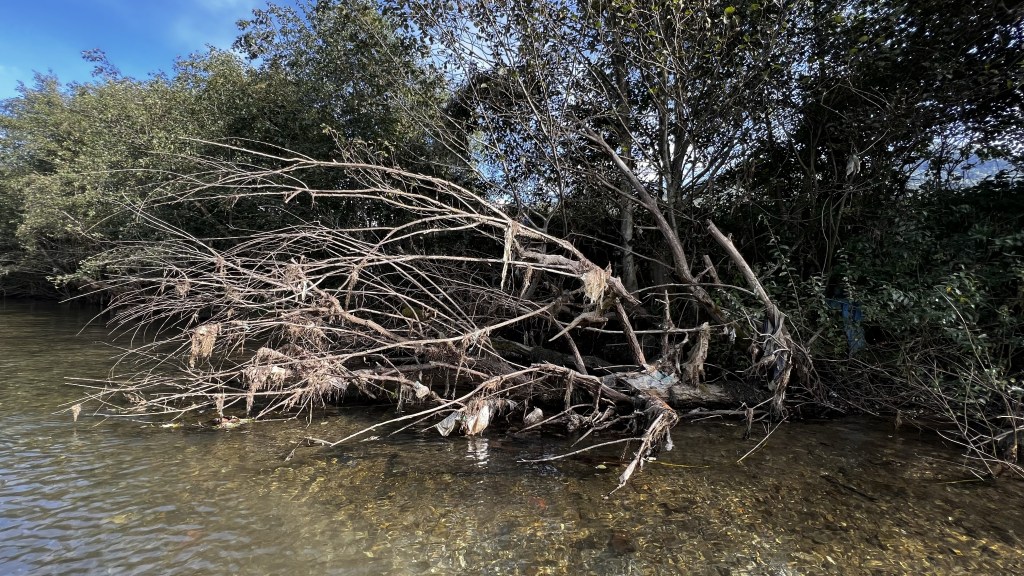
Secondly, Montenegro has a trash problem. Some towns are better than others. Zabljak was relatively clean but Mokjavic, for an example, had piles of garbage along the sides of the roads and at every fishing pull out. The rivers were so polluted with garbage it was hard to enjoy fishing them. It’s as if no one really cares. We mentioned it to our guide and he tried to blame tourists. Also sad.

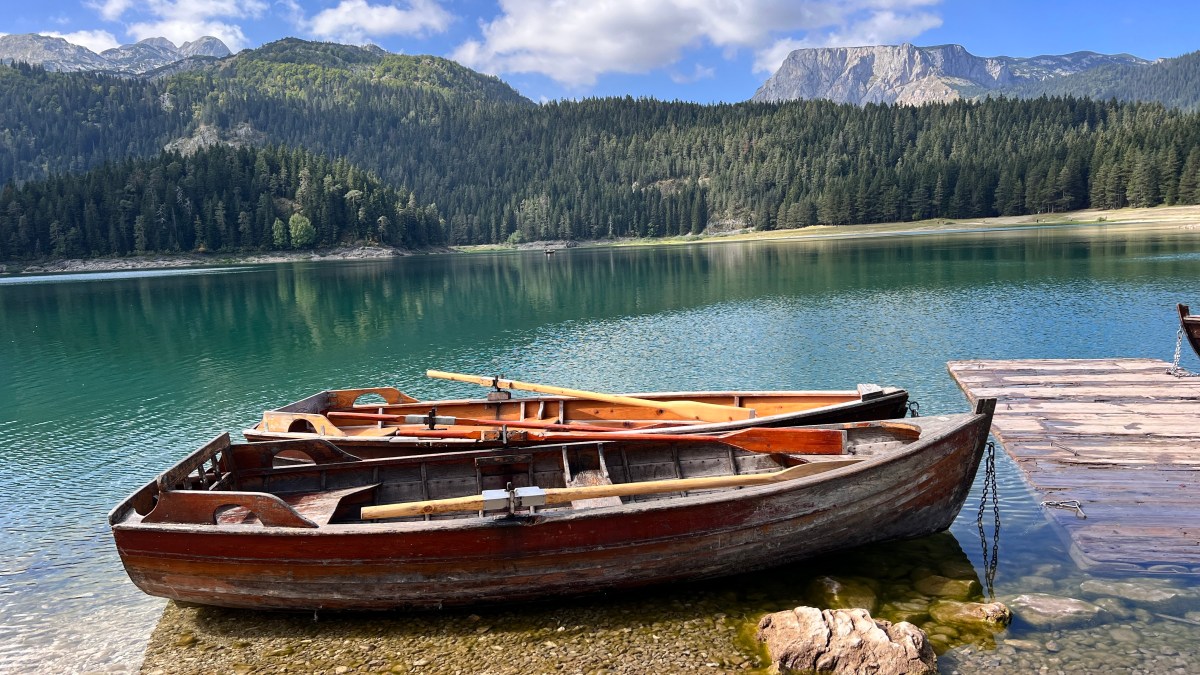
We are in Zabljak now, the city with the highest elevation in Montenegro. It is surrounded by a National Park called Durmitor, one of five in the country. The stunning vistas are to die for. Not only does it have fifteen glorious mountains, there is a plethora of alpine lakes and one of the last endemic forests in Europe with 122 species of trees in all, some exist nowhere else on earth. Some are in excess of 400 years old and reach a height of 150 feet.

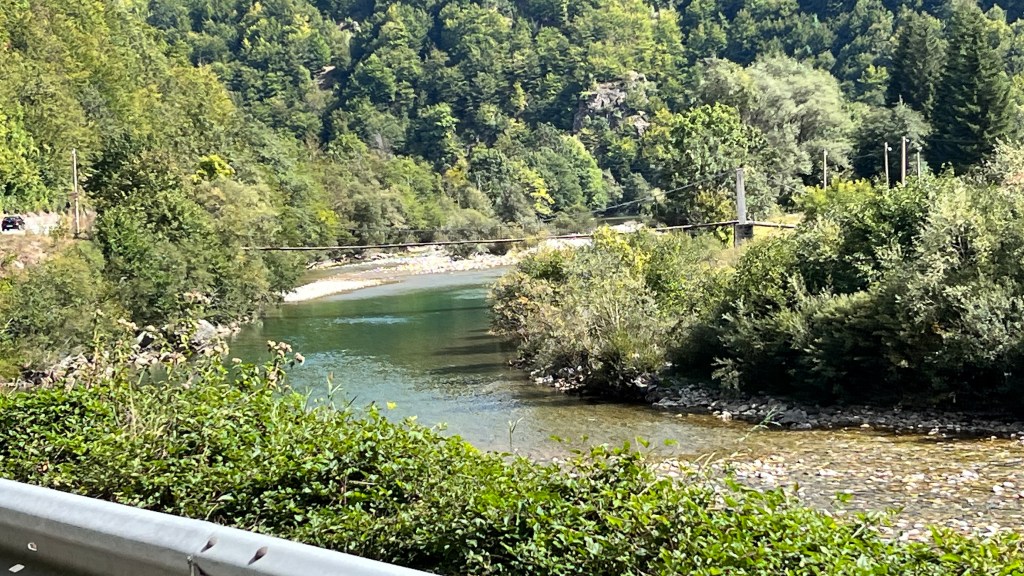
The Tara Canyon is the deepest and longest in Europe and second deepest in the world at 1300m deep. The Tara River is currently free flowing with no dams in its 78km path spanning from Mokjavic across to Zabljak, and along the border of Montenegro and Bosnia & Herzegovina. The water is a beautiful turquoise blue and only 7-10 degrees celsius.

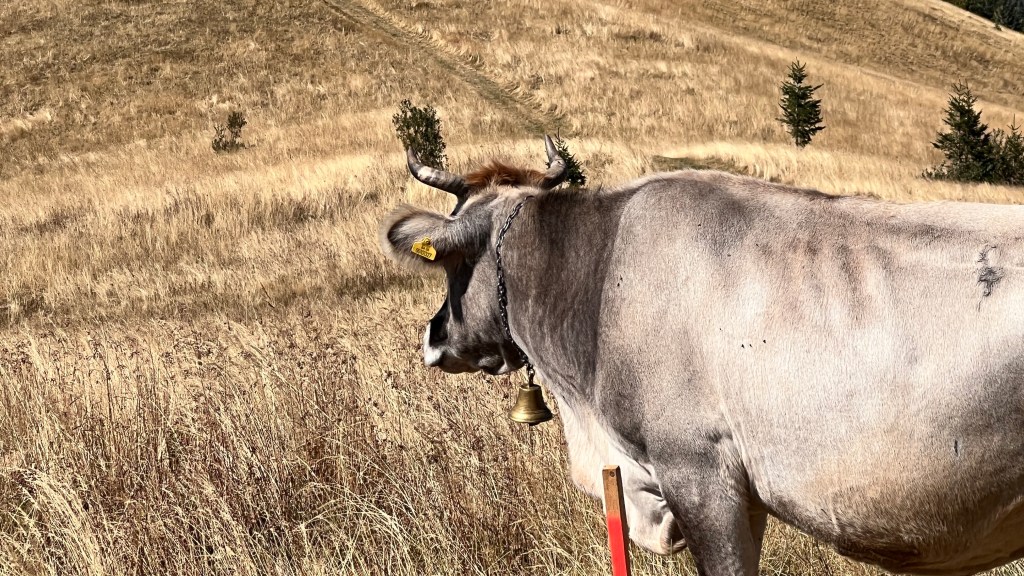
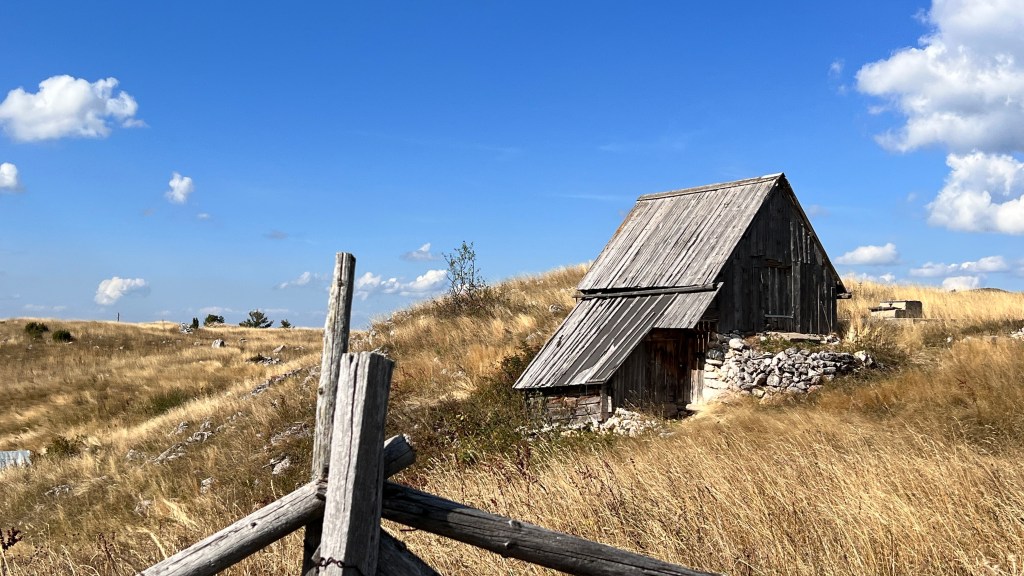
For the most part, life is pretty simple here. People are set in their cultural ways. The years of war show on the faces of the elders and a new hope shows in the younger generation. In some areas, it’s hand to mouth, growing their own food and keeping chickens, cows and goats. The houses are pretty simple and lack the lavashes of other European countries. It is set to enter into the EU in 2025 and then the infrastructure will be vastly improved when the tourists flock in to experience the vast amount of outdoor opportunities Montenegro has to offer.
Do you know?

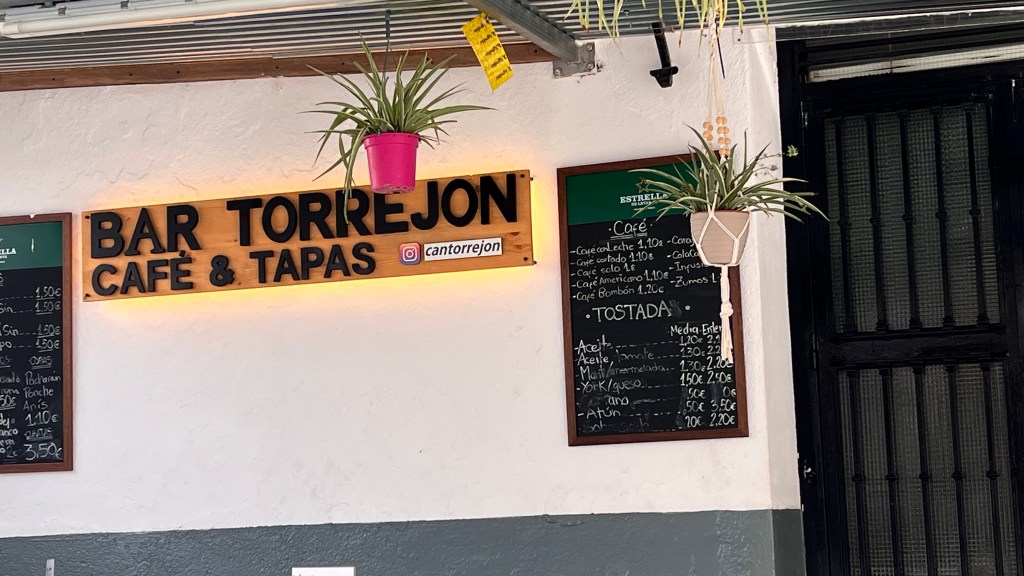
Since the 26th of July, Chris and I have been house and pet sitting in Yator, Granada, Spain. It’s a sleepy little town with only one tiny cafe on the main street. The town is in an area called Camino Montenegro.

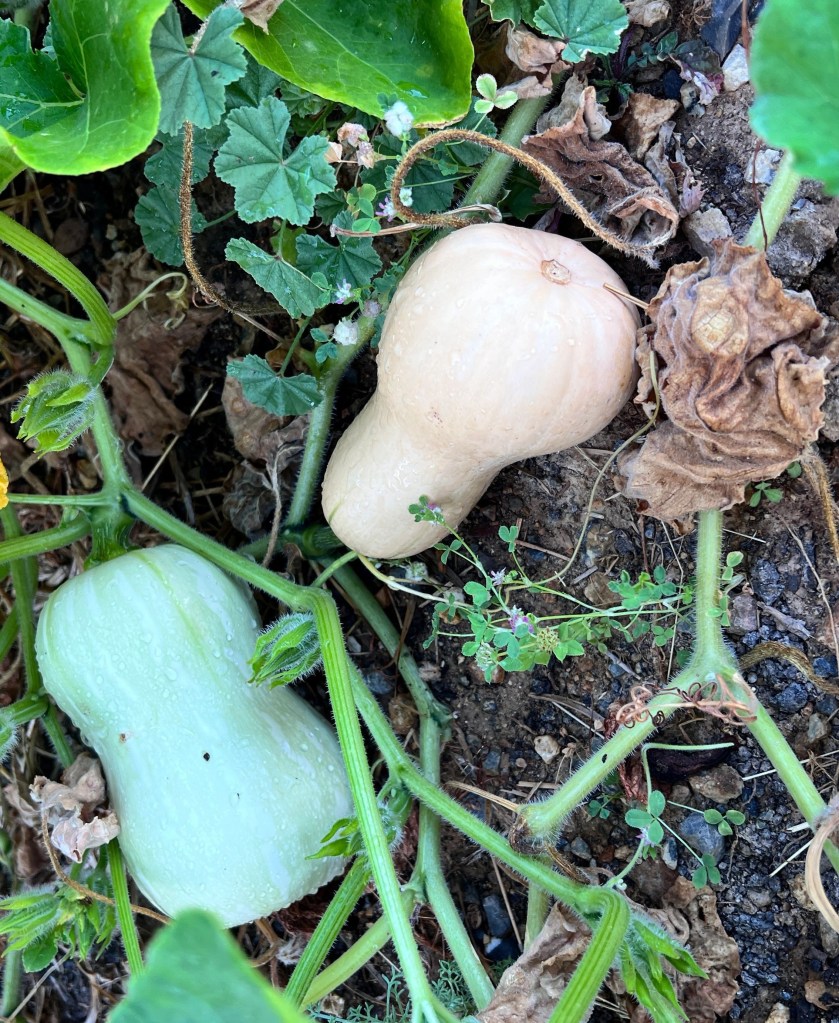
We agreed to do a pet/house sit for a German expat who owns a little farm up on the mountain outside of Yator. It’s a tiered farm with several raised gardens of all the normal vegetables, fruit trees, including pomegranate, apple, cherry, lime and figs. There’s a patch of just tomato plants and a vine garden of peas, beans, assorted squash, melons and cucumbers. There is also 30 or more olive trees, heavy with fruit, and two large Spanish Almond trees full of nuts.

Each morning we water all the trees and gardens, by hand, plus the ornamental plants on all three levels. In the cool morning air, hangs the scent of honeysuckle from the numerous honeysuckle vines covering the red dirt. Growing wild throughout the property are the herbs, rosemary and oregano, and the raised gardens have basil, parsley and chives. Basically, we have all the food we could ever need or want from the land. Watering of all these delicacys is done by gravity fed hoses at several stations throughout the property and takes about and hour and a half with both of us watering.

The water we drink comes from a spring located even further up the hill and 3 times a week we must turn on the feed to fill the water tank with fresh spring water. The tank is about 14 feet square by 14 feet deep. With the watering, showers and daily consumption, we take the tank down about 2 feet a day. The water is cold and clear and tastes delicious without the chemical additives in normal tap water.

One thing that has always been hard for us, since we’ve been in the road, has been getting vegetables into our diet. They are bulky and took up a lot of room when we lived in the van, and traveling around Europe for the last 3+ months, we’ve been at the mercy of the restaurants to get our veggies. Mostly we get potatoes or something that resembles squash, always over cooked or fried, and never fresh.

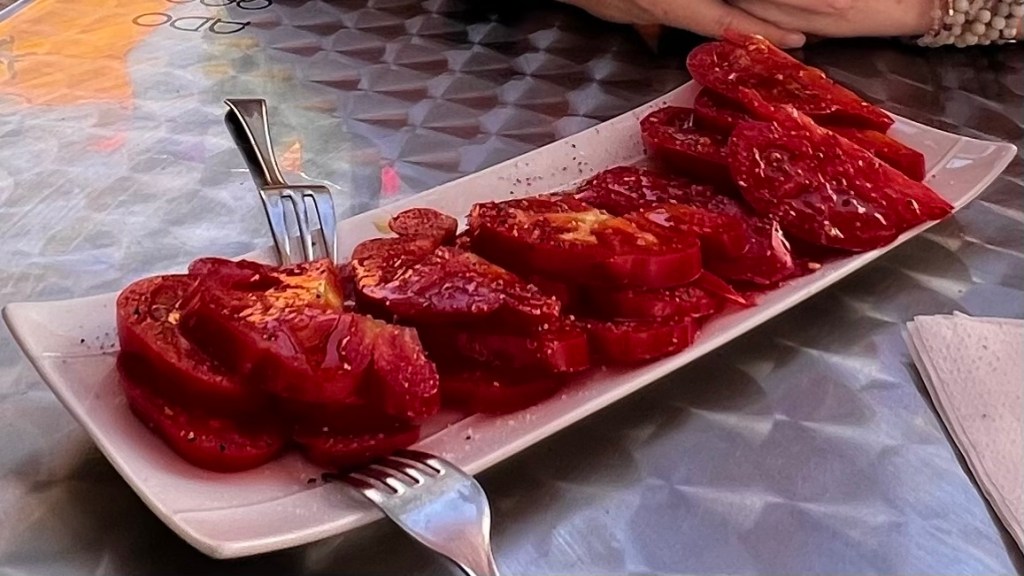
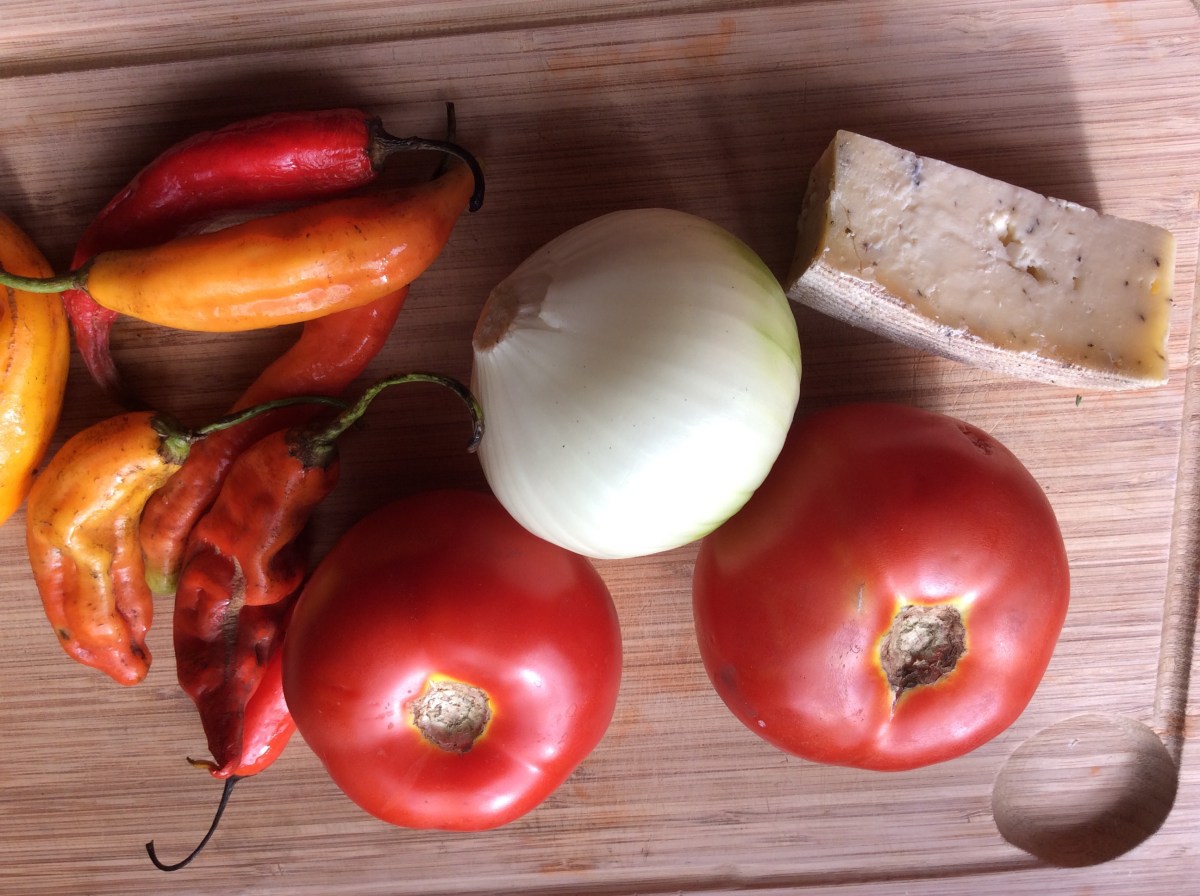
For the last 3 weeks, we have been eating fresh from the gardens, trying out new roasted veggies, beets, carrots and leeks. We’ve been making home-made salsa from the tomatoes we grow and the purchase of peppers and onions from women set up on street corners, selling the excess from their gardens, harvested that same day. Cooking meats with the herbs we grow and making delicious side dishes with the variety of squashes we grow. We’ve been making fresh salads with the lettuce, carrots and cucumbers we grow. It is very rewarding.

It is such a huge thing to know where our food is coming from, how fresh it is, that it is grown without chemicals and picked by our own hands. There’s something to be said for that, which never really crossed my mind until now.

Do you know where your food comes from? There are horrifying documentaries on how our food is grown, the process and effect of GMOs, fertilizers and other chemicals used to produce bigger yields and to keep the pests away. The impact we are having on the land, water and our bodies. I guess it took us slowing down here, putting in the effort and love it takes growing our own truly organic food, and being enlightened by these documentaries, to really understand and come to value this little humble farm.

Our next few months will be spent in Montenegro and perhaps Bosnia, both countries pride themselves on their clean food, clean air and clean water. I hope that we have learned a lesson and will begin to appreciate locally sourced food, grown with love, sweat and clean practices. Perhaps our carbon footprint will get even smaller which for us, is something we are proud of.

The Ring of Kerry

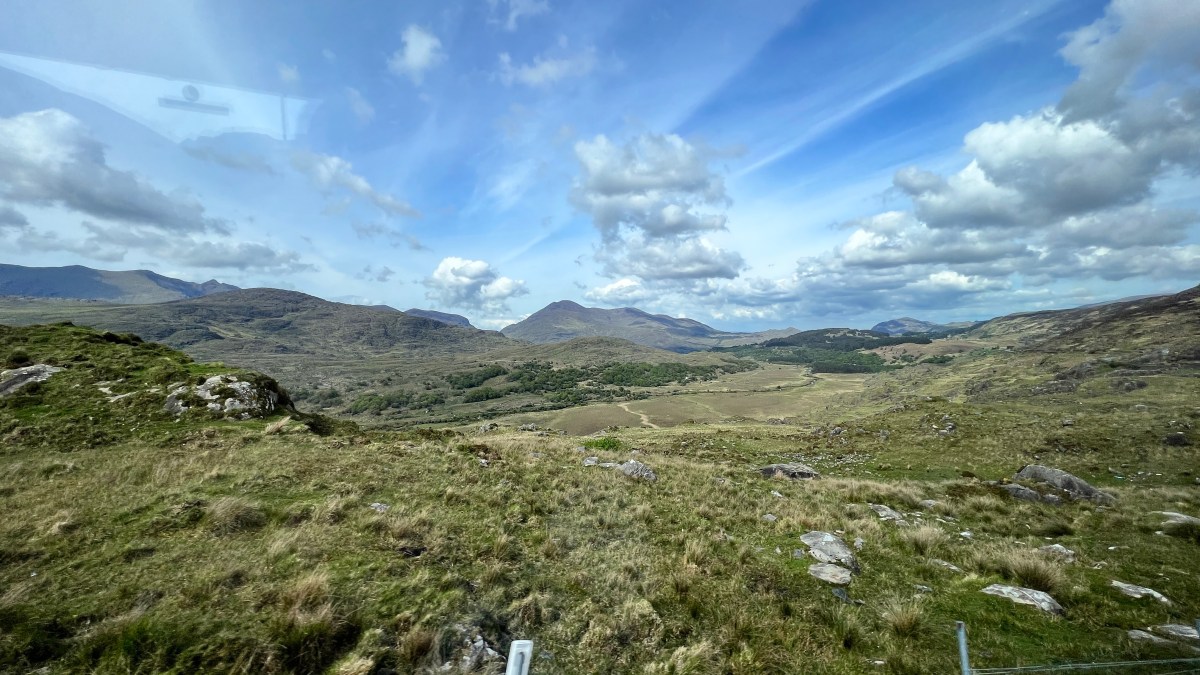
What a glorious day indeed! The Irish coastline of Kerry, a fiord on the southeast side of the island surrounded by the Atlantic, is a magnificent combination of history and lore, blight and famine, conquest and survival. The peninsula is very isolated 179km of narrow, windy roads that takes off out of the small town of Killarney, Ireland. The drive takes approximately 3.5 hours without making any stops.

After our driving experience, we opted into taking a tour so Chris could admire the scenery, and not be so stressed. Turns out this was a fabulous idea and our driver gave us driving tips. He was a 68 year old from the O’Sullivan clan who had personal history living out on the peninsula as a boy. He drove milk trucks from village to village and had quite a reputation. As with all your drivers, he was a wealth of knowledge, singing, reciting poems and passing on the history.

I guess what struck us the most was the incredible shades of green. The incredible contrasts of the yellow Gorse bush or Furze. It is said that Furze bushes, like all other thorny bushes in Ireland such as hawthorn and white thorn, belong to the Sidhe, and often guard their portals to magical realms. It is a magical bush looked over by the fairies of the land. Folklore has it, that if a bride cuts a sprig and puts it in her bride bouquet, she will have all the luck of the Irish.

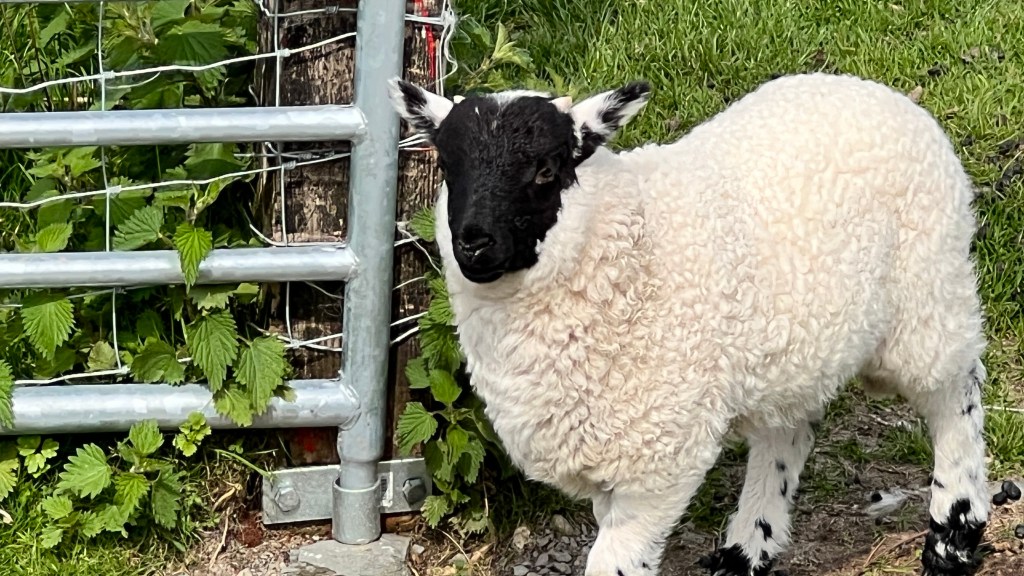
The Irish Black-faced sheep are also scattered around the towering hill sides. The only way to bring in the sheep from these craggy hillsides is with a sheepdog. I spent about 45 minutes watching one of these small, sure footed dogs in action with his shepherd. Amazing agility and speed, controlled mostly by different whistle tweets from as far as a quarter of a mile. I thought about Gandaulf for a moment and how he loved the chase.

We had a local lunch at “the most beautiful lookout in all of Ireland in fair weather”, or so the sign said. I had my first lamb stew and Chris had the shepherd pie. The view was indeed spectacular of the bay and the mountainous islands as the fog held light to the peeks. A statue of Mary standing on a serpent stood in the middle of a stone ring looking down on us with outstretched hands and a soft welcoming gaze. I felt blessed once more to be having this adventure.

And I step back in time

Today began our Ireland trip. Our jet lag is finally waining and we are getting down to a new circadian rhythm. Overall we are getting into the groove of travel again after quite a long 6 month hiatus.

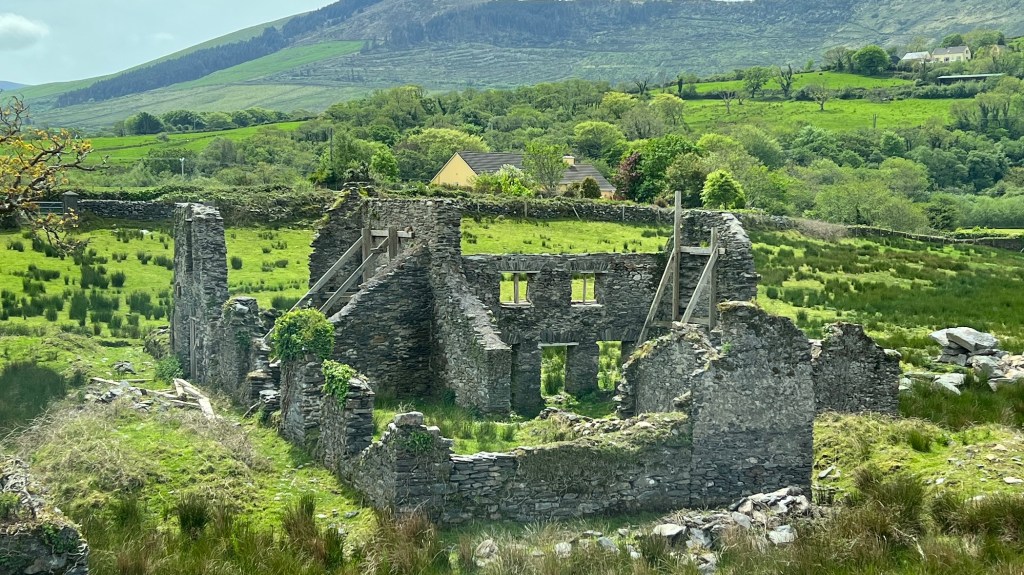
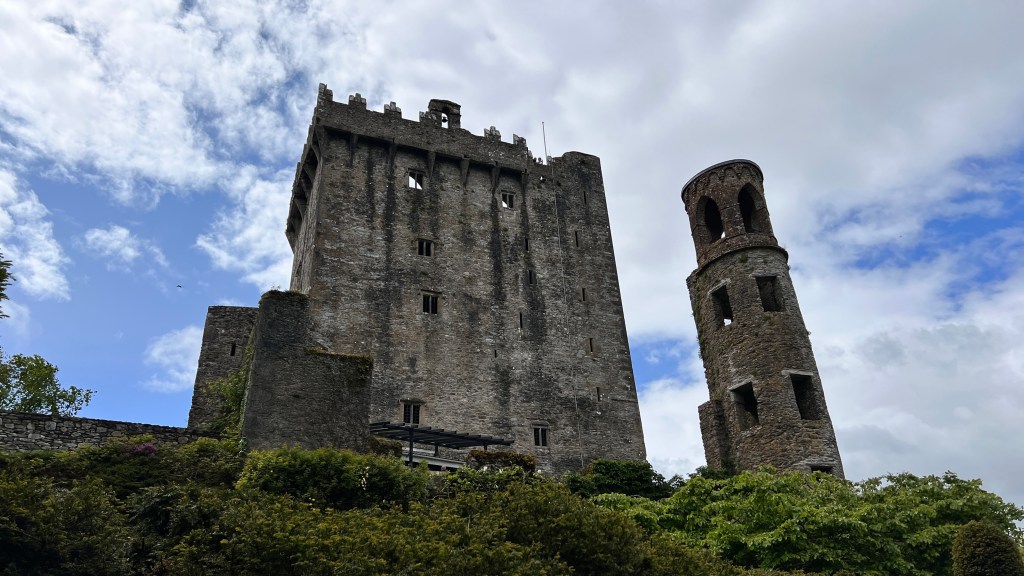
We grabbed a taxi into the little town of Blarney, on the southern coast just a few miles north of Cork. The history of Ireland is steeped in powerful lords and many wars. The landscape is dotted with castles and villages surrounding these monolithic towers of rock, most all older than the first settlements in the US. Even the woolen mill was older than my first “historic registry” home in Utah.

I will be the first to admit that I am an ignorant American. Hells sake, I don’t even know how to physically dial a non-US phone number. At least I am not ashamed to ask and our campground host, Rebecca, was a pleasant young woman who was more than eager to educate me. Better to ask than pretend you know something you don’t.

Our visit to the lovely little town of Blarney, was like stepping back in time. The town is based around a castle built in the 1400’s. It remained in the family for centuries. In the 1800’s the Blarney Home was built. The castle is the home of the “blarney stone” given by the witch of the lake to one of the sons who rescued her from the lake. He was afflicted with a stutter and following the witches directions implicitly, he found the stone and kissed it as instructed. His life then changed as he became a fluent speaker and was given “the gift of gab” as it is said to do. Even until this day, the lines to ascend the castle stairs to the top floor where the Blarney Stone is at rest, just to give it a kiss, is at least an hour long.

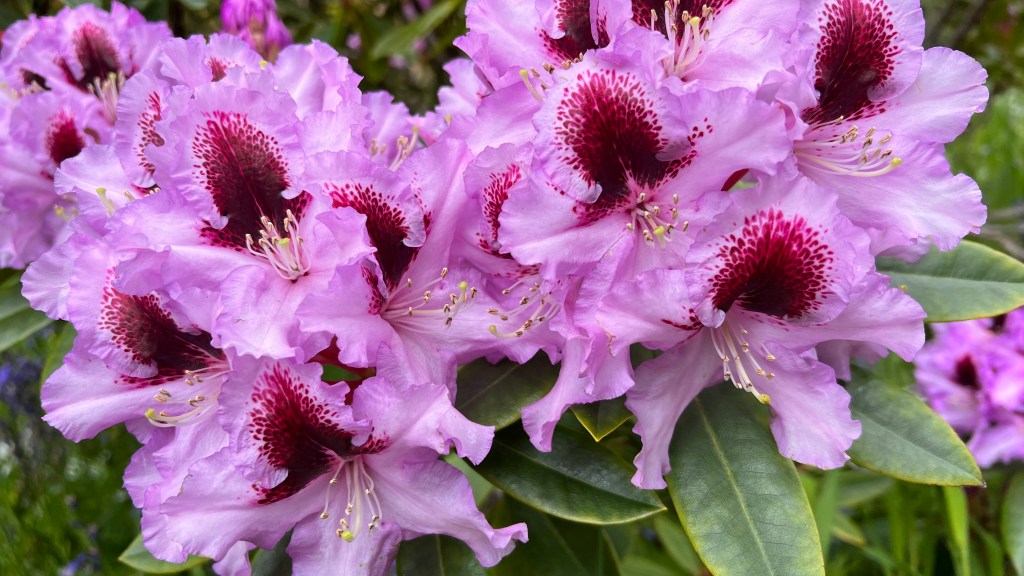
The gardens surrounding the Blarney Mansion and castle, were in full display. The variety of flora and fauna planted was in full bloom. The magnificent colors were amazing. I didn’t know so many colors existed in nature. Anything from brilliant reds to flesh peach and salmon orange. Purple flowers, buttercup, and wild garlic filled the air with fragrance.

The most harrowing part of the day was the 2.5km walk back to the Caravan Park (campground). The road started out with a sidewalk, but quickly became a narrow road full of blind turns and no way to get off the road if two cars should pass by at once. The sides of the road was 3-4’ high thick growth which included its fair share of stinging nettle, which is normally found in riverbanks at home. By the time I realized what it was, Chris and I had both inadvertently come in contact with its viscous little hairs.

We finally made it back in one piece and toasted our 7 miles of walking in one day. The day ended with showers, laundry and a recap of our day.

From Hand to Mouth: One Mans Dream

The coolest thing about being on the road, often times, is the people that you meet. Our van draws a lot of attention and inquiries. If we wanted to be stealth…we’ve failed.

Most often the people asking are in the process of, or have already built out their own van. Some are dreamers, some envy our life, some think it’s cool. Some come around the corner in a parking lot, beaming smile, and ask for a tour. This story is about a happenstance meeting, as described above. A prearranged, karmic meeting, of a gal with a beaming smile, in a parking lot, took the tour and asked for our help. She offered us refuge on a 365 acre plot of timbered terrain, bought 30+ years ago by her husband.

It was early July 2021, COVID was mostly under control, although still a threat. We agreed to take her up on her offer and set out for Bandon and Coquille, Oregon. We talked about what we thought we might find and how much time we would dedicate. Someone shared their knowledge with us, it’s time to give some of that back.

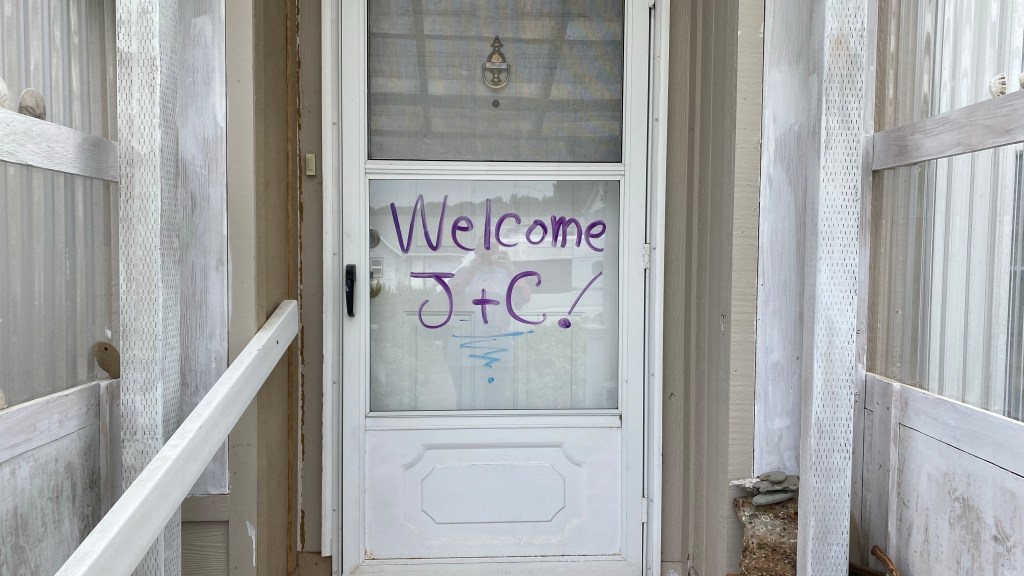
When we pulled up to the house, written in purple paint was ‘Welcome C&J’. We have decided that if a local asks us to have dinner or stay on their property, we would take them up on the offer, if for no other reason than to see how the locals live. Be open to the hospitality offered. This was a little above what we had anticipated.

Jennifer was home and greeted us like long lost family. We sat down and chatted until her husband came back from The Homestead. The Mountain Homestead, this was what they called the 365 acres of a permaculture, unadulterated timberland that they own. It’s now protected by a conservation easement. Chip arrived and here stood an old hippie-type that showed his joy in his laugh and smile. We all sat down for dinner and talked for hours then retired.

The next morning was van day! We all went over what it was they wanted our help with. Chip and I ran all over the small town to try to find a few parts we needed. Small towns don’t offer much for van building or 12 volt conversions. We managed to pick up some of the items we needed but had to turn to Amazon for the rest. We managed to run the wires out of the circuit board and up to where the main power control would be (for lights and fans, etc.) and ground the electrical system. As usual, it took almost all the day to accomplish just those simple tasks.

We had two days till the parts would arrive so we opted to move up to the Homestead to wait out the weekend. We all made plans and headed out for the Homestead in Coquille, a 30 minute drive.Chip proudly drove us up to the property and we parked the van at our weekend retreat.

My imagination was running wild as we drove on towards this little piece of heaven. I couldn’t begin to wonder how Chip felt thirty years ago when he chose to purchase this land for conservation sake, never to be clear cut. A small piece of nature he could call home and share with like minded people. His plan of a permaculture society was real, his dream, his passion. Not many people can have a dream and see it to fruition.

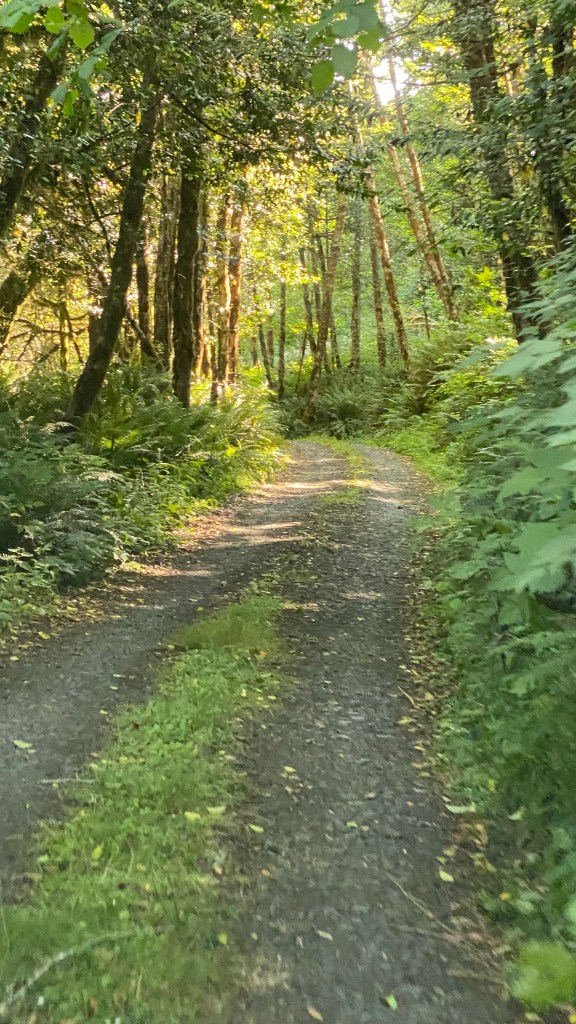
Upon arriving to the turn off, the thick forest quickly closed in, a small creek flowed beside the road, birds sang, and the air was fresh and heavy with the sent of earth. The road was a single lane dirt road that in the beginning was just a deer trail into the property. Chip told us of how the realtor, he and his wife, all trudged threw the forest, crossing the creek and emerged into this wonderful clearing, now the main hub of the Homestead. How he worked hard to pay it off and create a community, build buildings, create a garden and bring fresh spring water to the main compound clearing. How his idea came to light and for a long while lived happily off his hard work and the land. You could feel the passion and see the joy this all brought him as his eyes sparkled and he became animated.

The first thing that we saw as we rounded the bend into the opening, was a terraced opening surrounded by 75’ pine, spruce and fir trees. Several rustic structures hugging the hillside, surrounded by fruit trees, herbs and a huge garden area, including a hoop house type greenhouse. The sound of silence. The birds chirping wildly. I felt a resounding sense of the Mother.

All the wood and materials sourced from the land. There is a full saw mill on the property where they made the wood planks. Tin and plywood made up most of the roofs. They have a root cellar, garden room, tool room and workshop under the main structure. Wood stoves provide heat in the rooms. They have composting toilets, and pump spring water to the property for drinking. There’s a full array of solar panels providing enough electricity to run a washer and dryer. An amazing feat of ingenuity, and a lot of planning. They lived on the land for 27 years until an allergy and illness, caused by a sensitivity to mold spores, caused them to relocate.

We walked around the property with Chip as he tenderly told the story of each building, the memories, the triumphs and heart aches. We picked and ate fresh blueberries, cherries, and huckleberries. We parked the van in a field of camomile and made this lovely piece of heaven our home.