Today I woke up to 41 degrees in the van…who knows what it is outside. With everything we need in our little capsule of steel and rubber, there’s no big rush to go outside and find out.
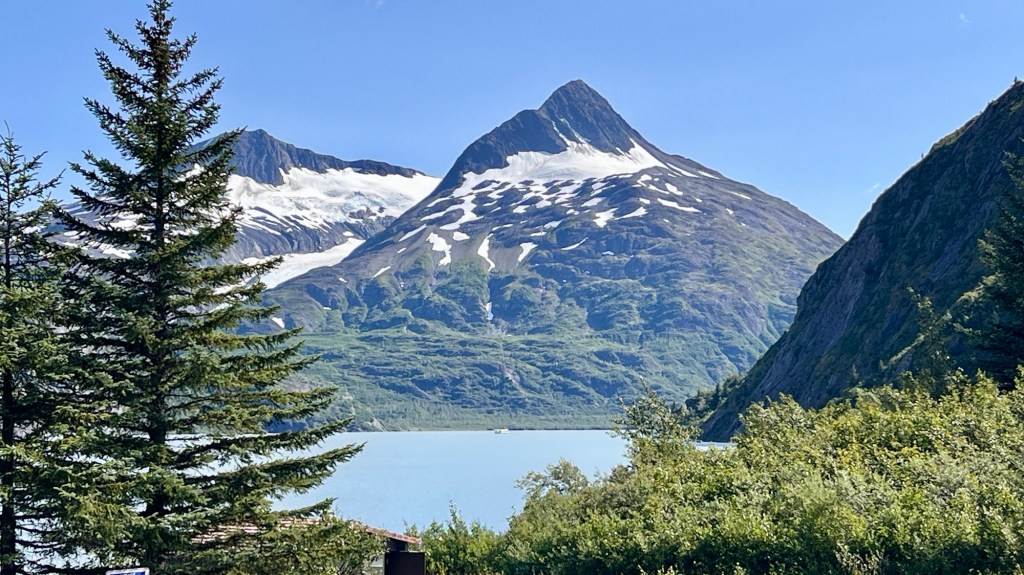
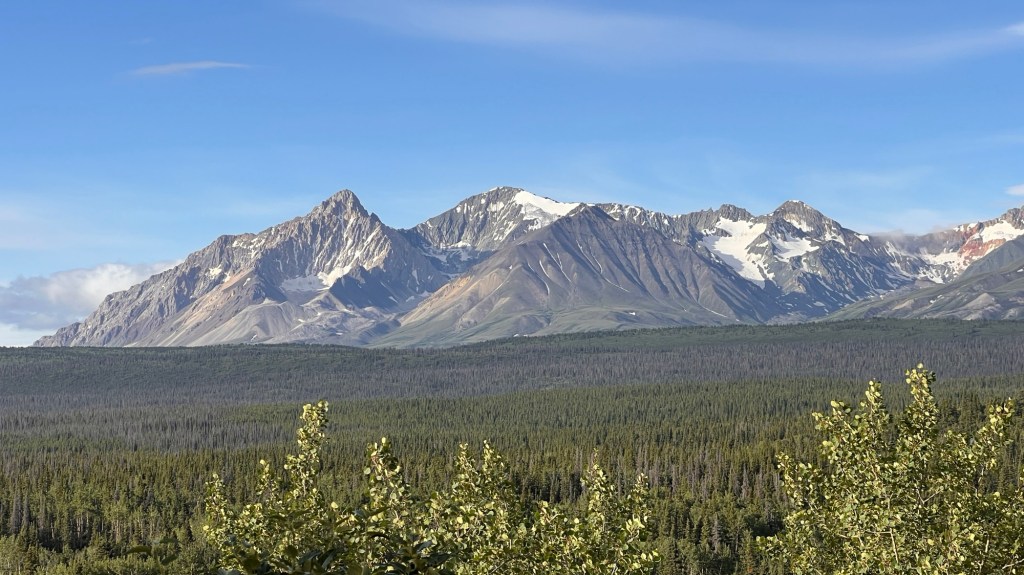
The sun is making its way into the sky, creeping slowly from behind the snow capped peeks, but has yet to shine on the opposing peeks across the river valley.
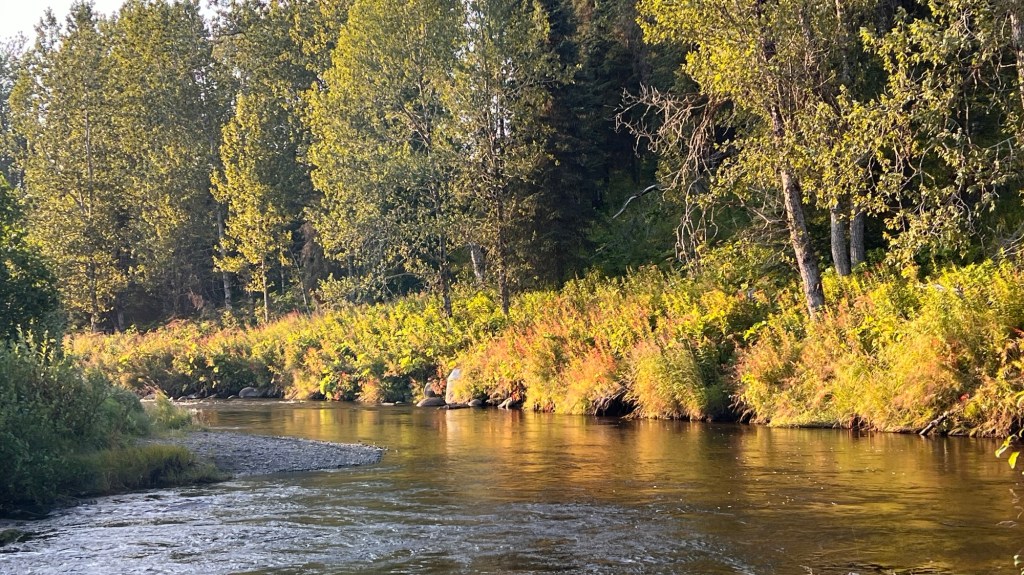
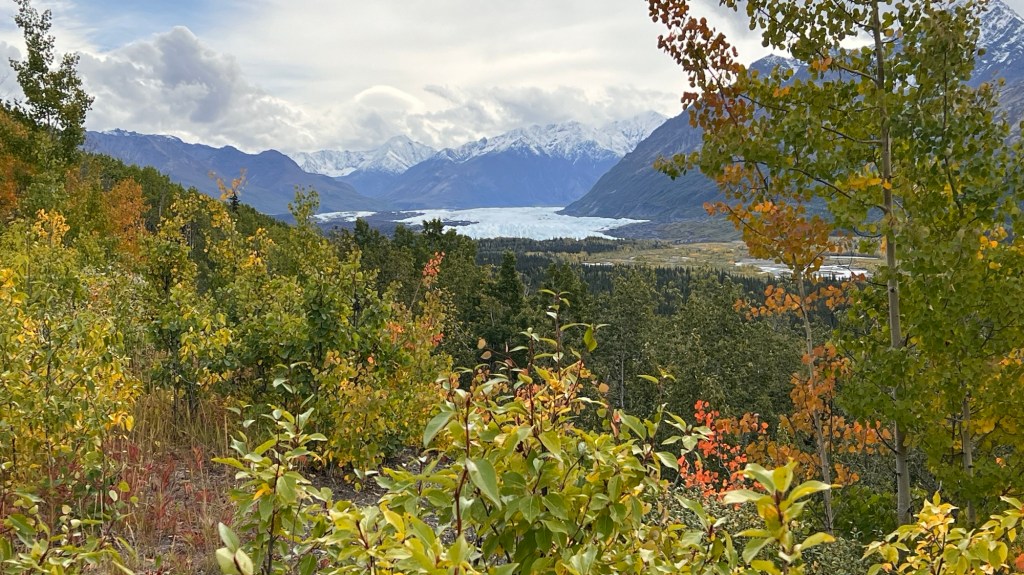
Our camp last night was right beside the Matanuska River, surrounded by Alders, sporting their new yellow fall colors, Drayas, also in showy white tops, and Fireweed that has lost its towers of red flowers and turned to tangled white silky seedpods. The mountains surrounding this valley are topped with snow from the thunder storms 2 nights ago, accenting the harsh, craggy peeks.
Yesterday, we drove up from Ninilchik to the Russian River Ferry crossing and joined the throngs of fisher people hoping to catch a nice coho salmon, or at least hook into one of the giant red sockeye on the Kenai River. These fish are huge! As your standing in the water, these fish are lined up, heading upstream. Every now and then, one will breech the surface slowly or jump out of the river all together. With your concentration on your line and indicator, this is quite alarming at first, but soon becomes the norm and you settle in to the rhythm of casting.
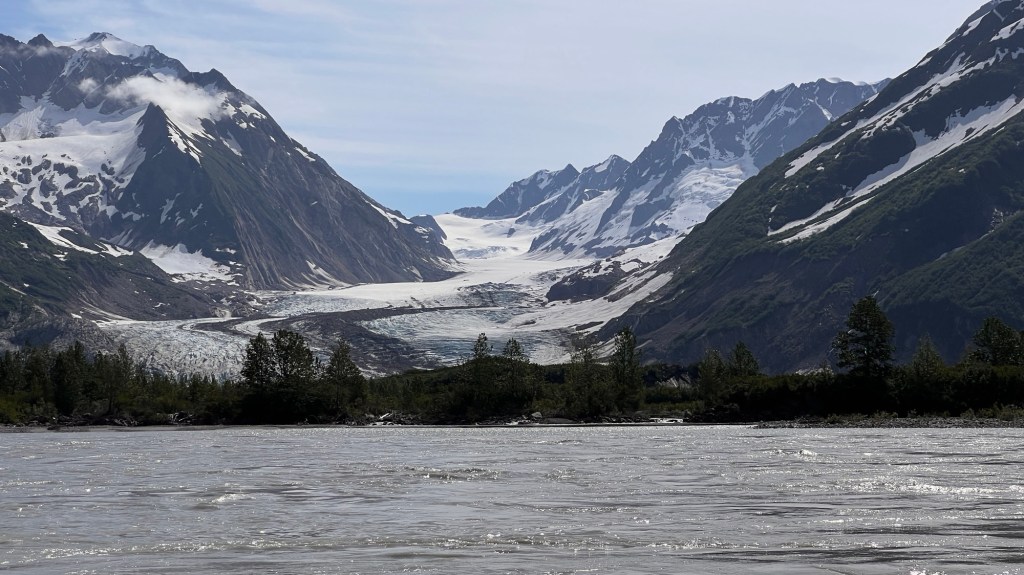
It’s time to begin our month long procession east then south, out of Alaska, into Canada, and finally, the lower 48. Time to say good-bye to the wildness of this beautiful land, where it is easy to forget your worries, clear your mind, and refresh your inner most being. To the fresh, crisp, cool air, the bears, moose, squirrels, seagulls ravens and bald eagles, all etched firmly into my mind, a sorrowful good-bye. A fond farewell to the mountains and glaciers, turquoise rivers and milky white glacial streams and waterfalls, thousands of lakes and fiords. To leave behind the thousands of miles of pot-holed, wavy, and frost heaved roads of dirt and tar.
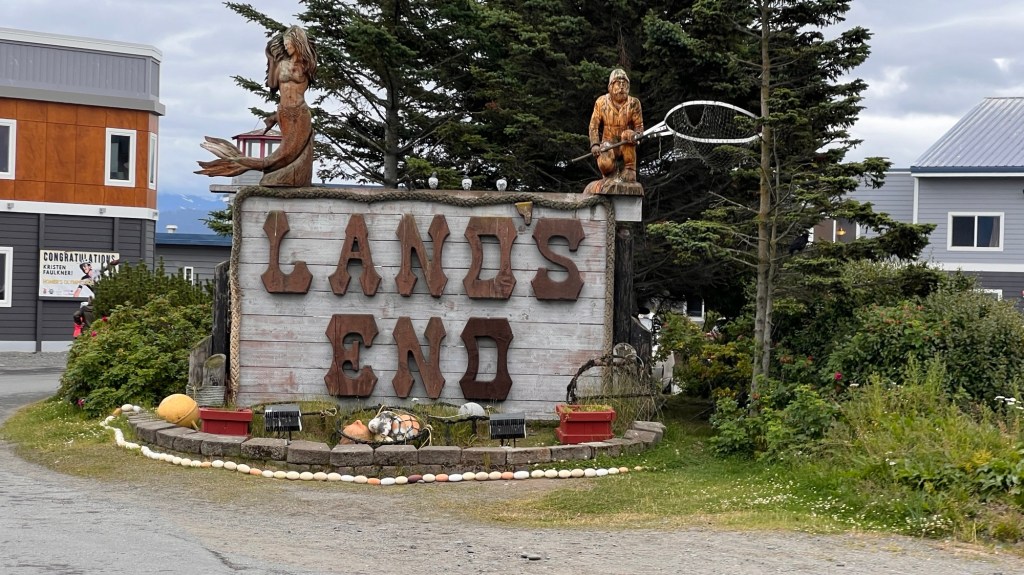
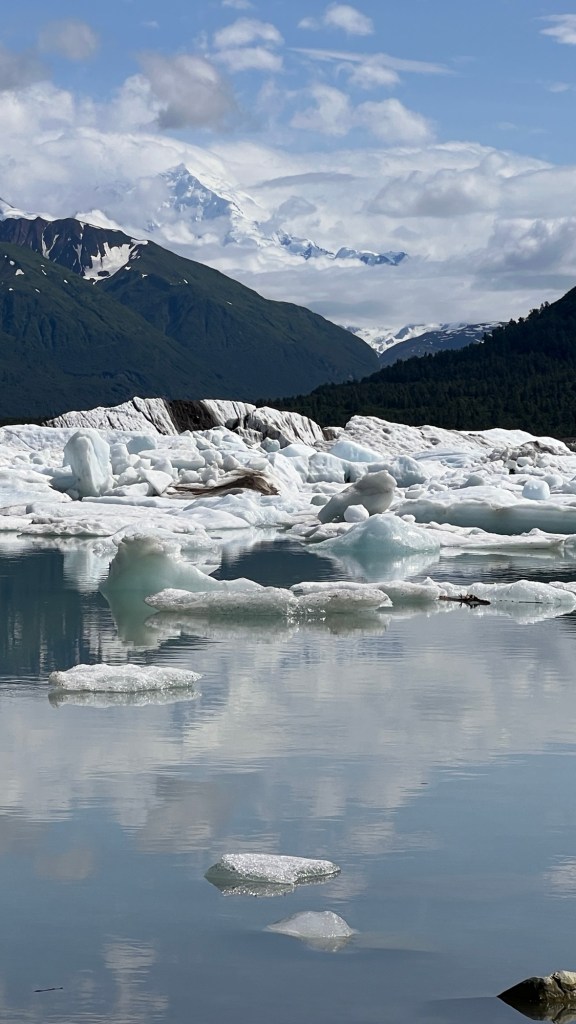
Although the journey has not ended just yet…we’ve traveled almost 6,000 miles since Salt Lake City. We’ve driven on almost every road in Alaska, been from the Continental divide (Antigun Pass) to Lands End (Homer). We’ve traveled by ferry along the Inside Passage between Juneau, Skagway and Haines. Took a wild ride down the Tatshinini and Alsek Rivers, played with icebergs and bergy-bits. We’ve had our share of bear encounters, some too close for comfort. I’d say it’s been a wild and encompassing ride for sure with still more to come.
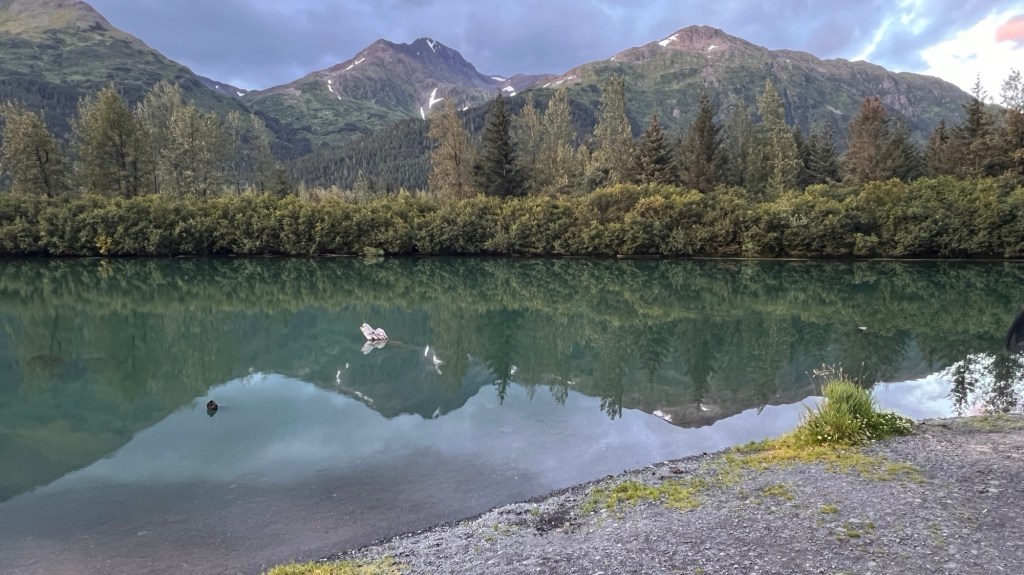
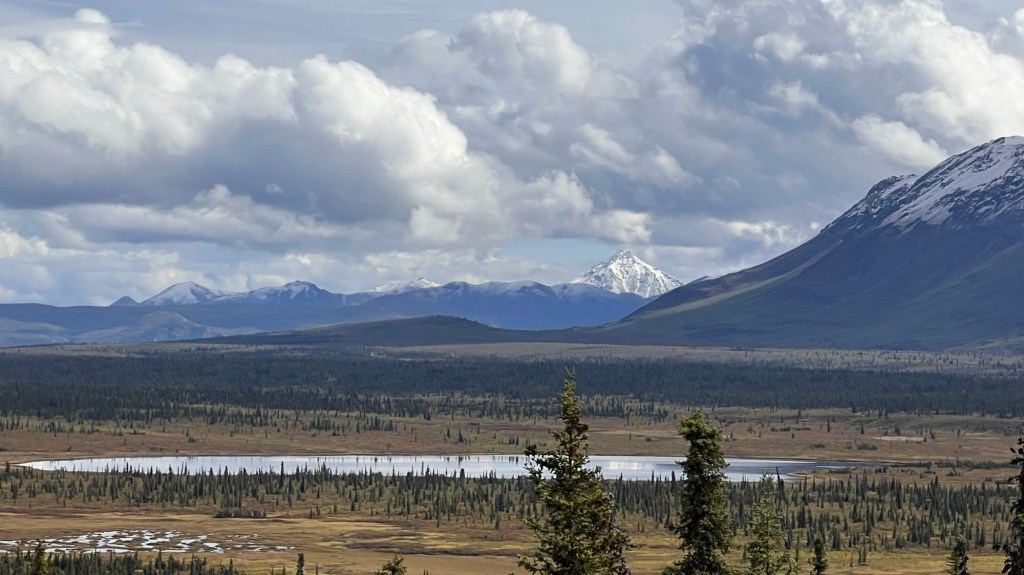
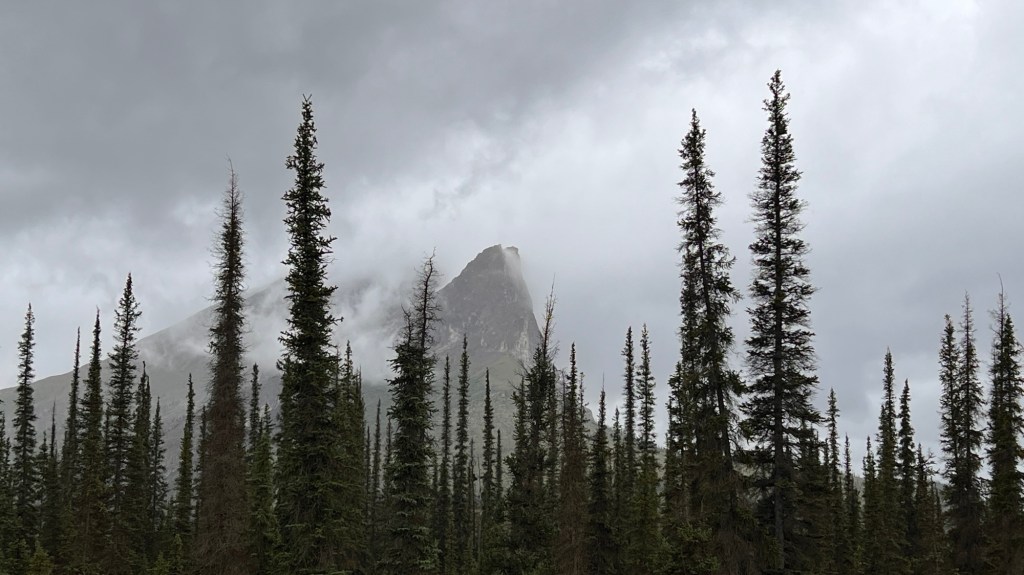
The clouds, like ghostly apparitions, glide across the mountain tops, getting stuck in the rocky crevasses and at mid-mountain, the tops of black spruce groves. White gashes of the snow fields and silent glaciers, creep across the mountain passes, carving deep scars into the ancient Arctic tundra. The tree stands dot the sides of the hill in a spattering of greens, yellows and reds, as the fall closes in. A hint of chill hangs heavy in the air tonight. It’s gonna be a cold one, clear skies and a light breeze from the NW. The lake stands still as glass, reflecting the grandeur of the surrounding alders, willow and poplars. All is silent and eerily still.
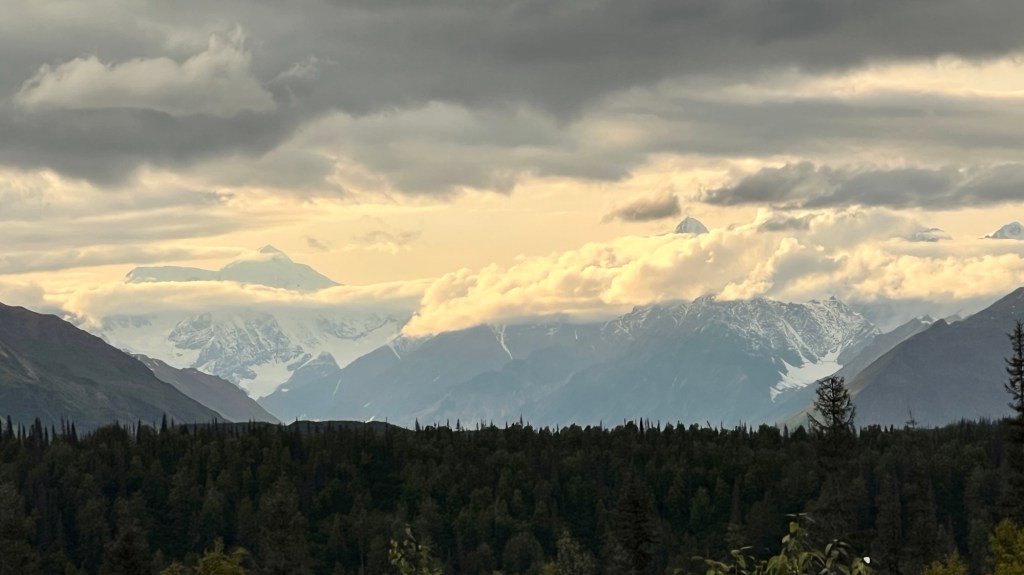
It’s been a week of travel from the Antigun Pass of the Dalton Highway above the Arctic Circle. We took a side trip to Chena Hotsprings for my birthday, before heading south down the Parks Highway. Denali, or more correctly, Mount McKinley, was playing peek-a-boo with those of us that hunkered down for the night in the makeshift view point parking lot campground for a night of boon-docking. The sun is starting to actually go down now at a more reasonable hour. The long days of the mid-nite sun, have gone for the summer, and the march towards the winter darkness has begun.
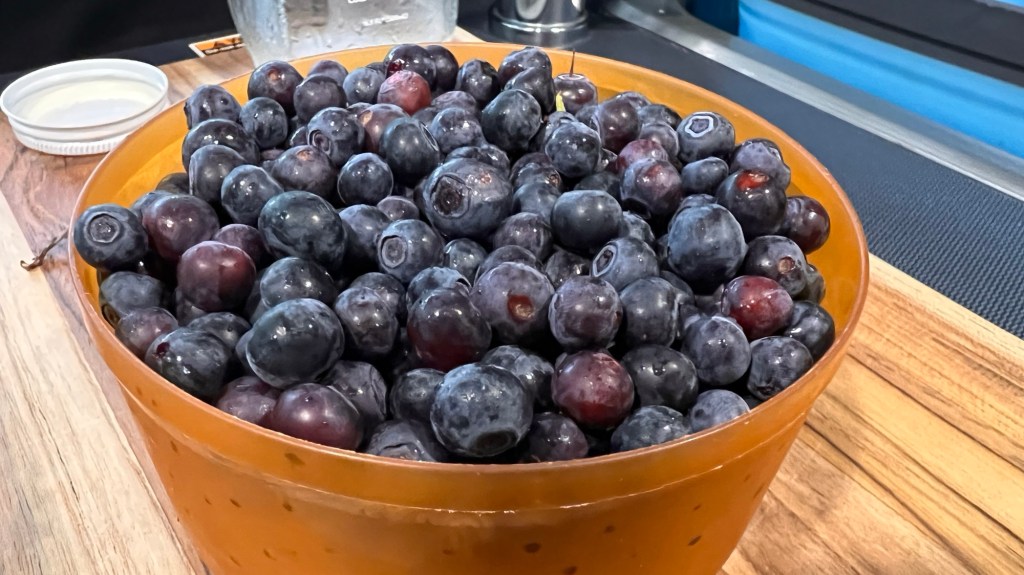
The weather has been, well typical Alaskan. In any given week, at least two days will have sun, two will be cloudy and three will be wet. The wet days are usually drizzly and overcast, which both ignites the colors and makes for flat lighting, muting the contrasts. Good trade. Sometimes these are prime wildlife spotting days, since a lot of the visiting humans hunker down and stay dry. Bears, both black and brown, love to forage for the blueberries and raspberries that are covering the hills and road sides. Moose are a rare sighting in any weather, so the fact that we saw one was almost a miracle. The fish don’t much care if it’s raining, bright in sunshine and clouds, we caught our fair share of the Arctic Grayling. Porcupines waddle across vast empty ribbons of highway minding their own business. Ground squirrels and prairie dogs scamper about the puddles and dig in the soft black soil. It’s a struggle for survival that we have had the good fortune to observe while here.
The salmon run has begun in most of the streams and rivers. These mighty titans of the fish world, fight with every ounce of life they have left to make sure the population survives. Their bleached bodies, still sporting the deep red color of the end of life, struggling upstream in shallow creeks and streams or their corpses lie rotting on the sides of these rivers and streams, providing nutrients and sustenance for opportunistic predators and scavengers like the raven and gulls. Even the majestic eagle makes a showing at this feast. In the way of the salmon’s final goal…stands humans and the grizzly bear. Both worthy foes.
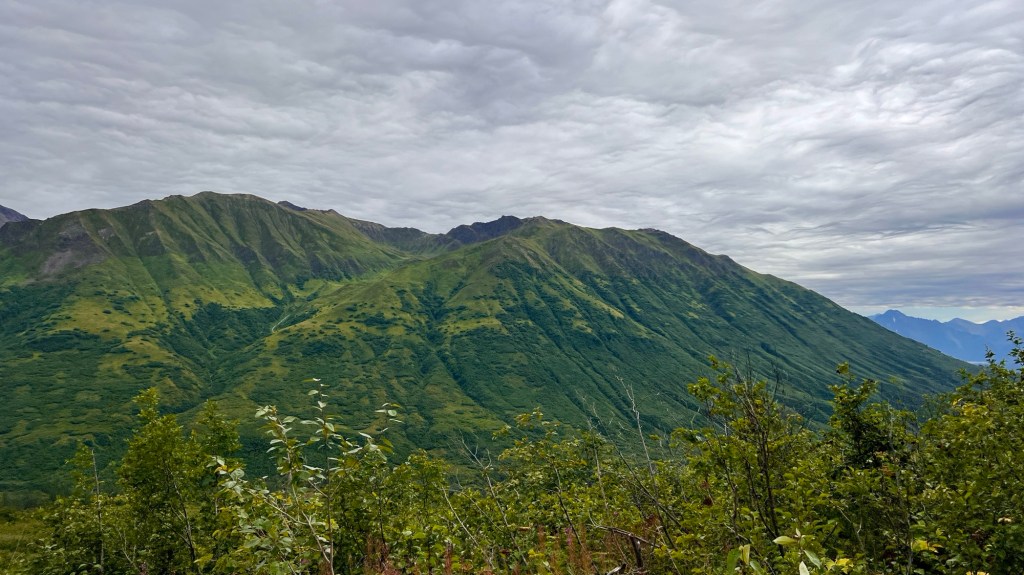
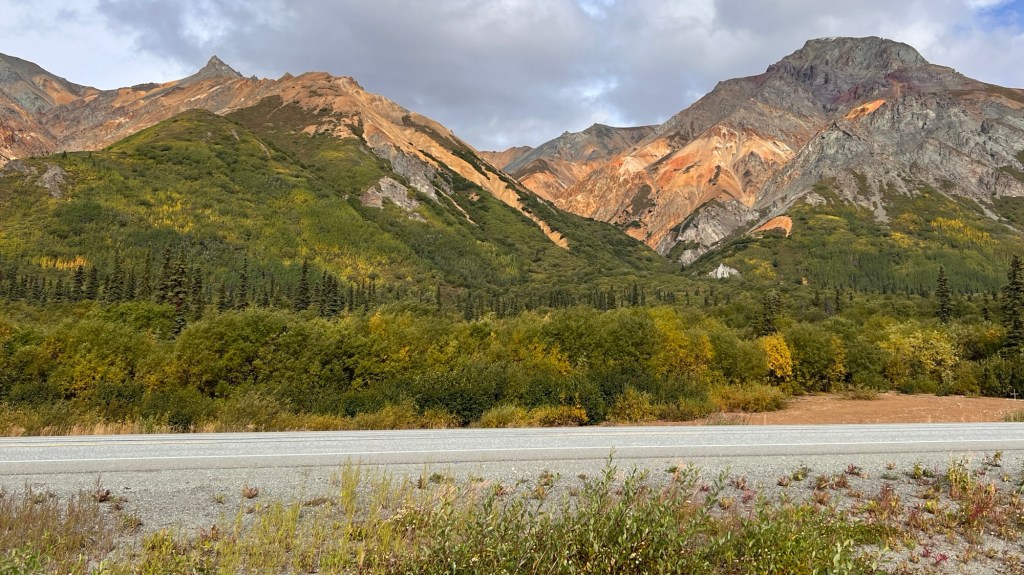
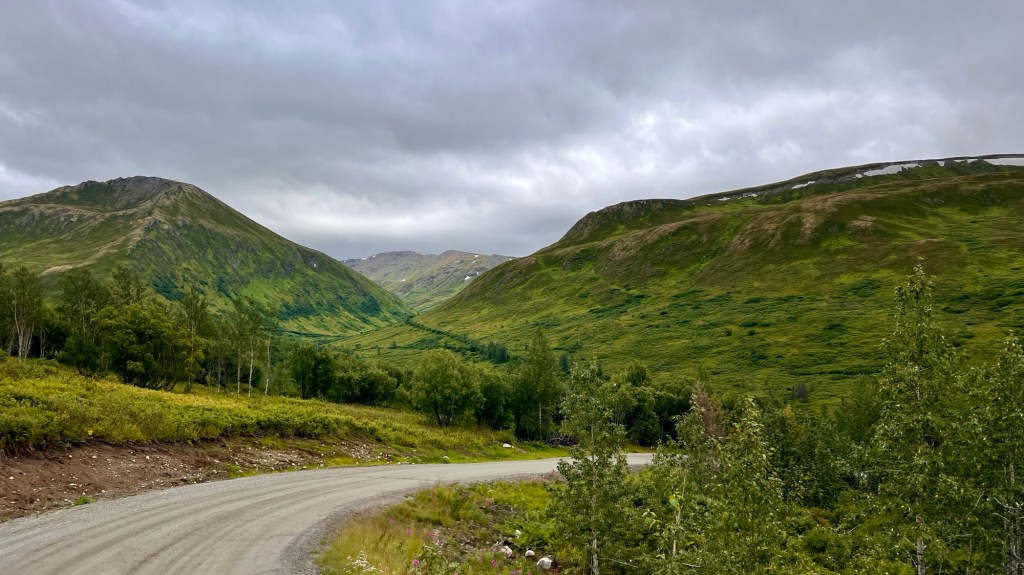
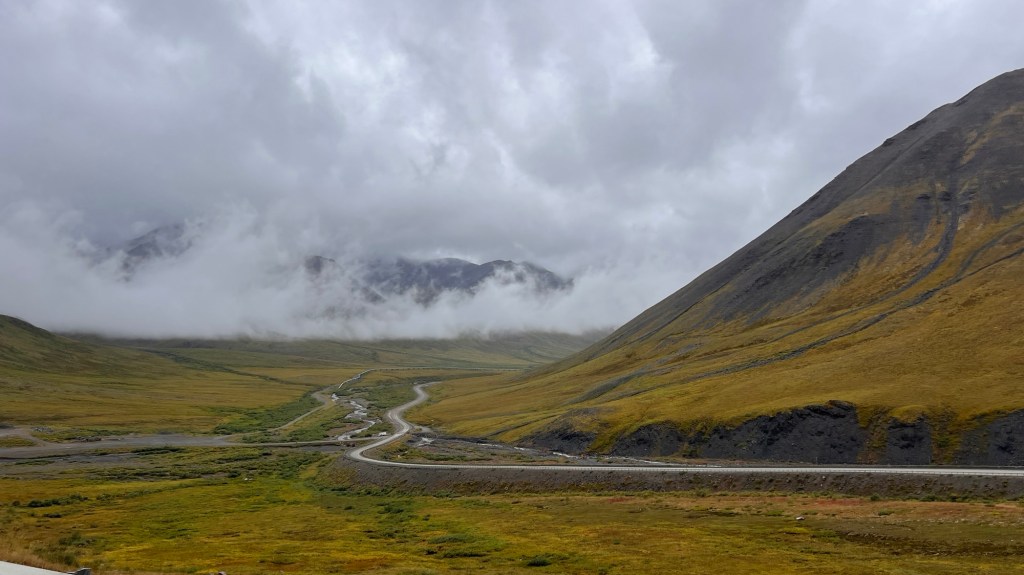
We’ve seen the landscape change. Not just the beginning of autumn’s colorful show, but the craggy mountains, smooth rolling hills, flat Arctic tundra and massive lakes and rivers, glaciers and gigantic snow fields. We’ve floated down a river, through an iceberg choked lake and seen temperate maritime weather. We’ve flown over 12,000 feet in a seaplane through the snow laden Fairweather Mountain peaks. We’ve seen thick subarctic boreal forest and sparse arctic tundras, vast inlets, bays and fiords. The wildness is everywhere.
A trip to Alaska is a once in a lifetime thing…especially if you drive there.
We set out almost 2 months ago from Salt Lake City, UT…and hit the road for the long 2500 mile journey to Skagway, Alaska. Since, we’ve hit a good deal of Eastern British Columbia, The Southern Yukon Territory, and have made our way to Fairbanks, Alaska and up to the Antigun Pass on The Dalton Highway. Over 3500 miles covered.
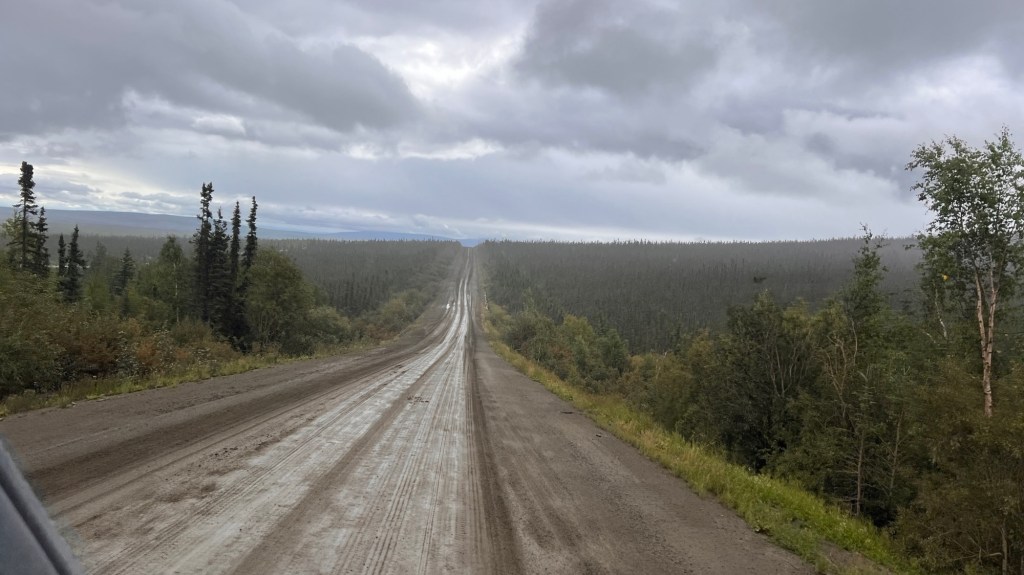
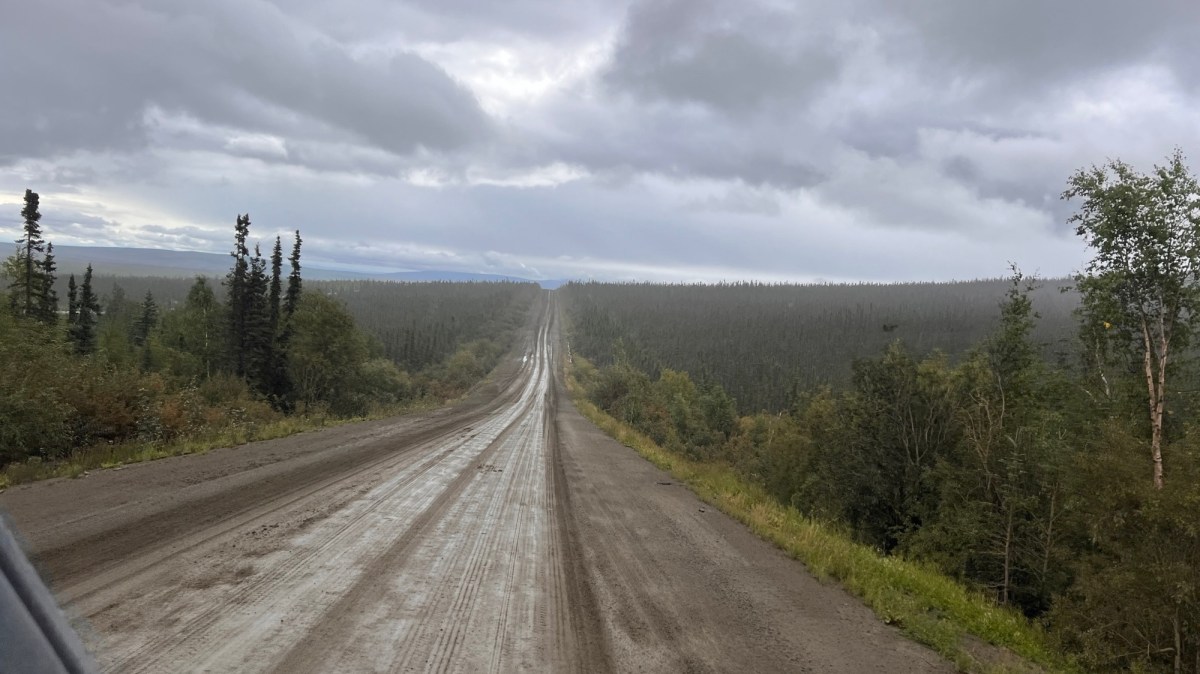
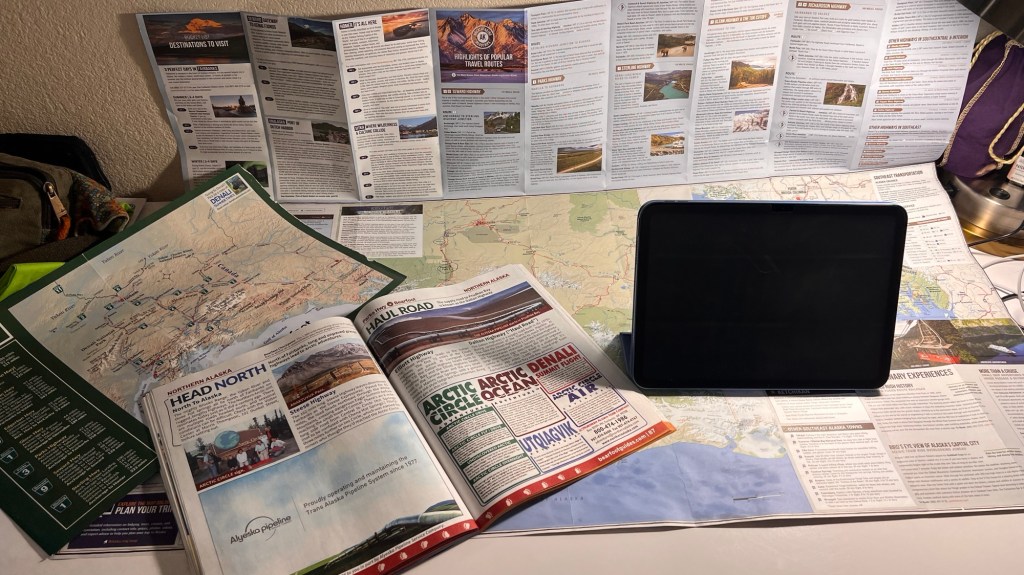
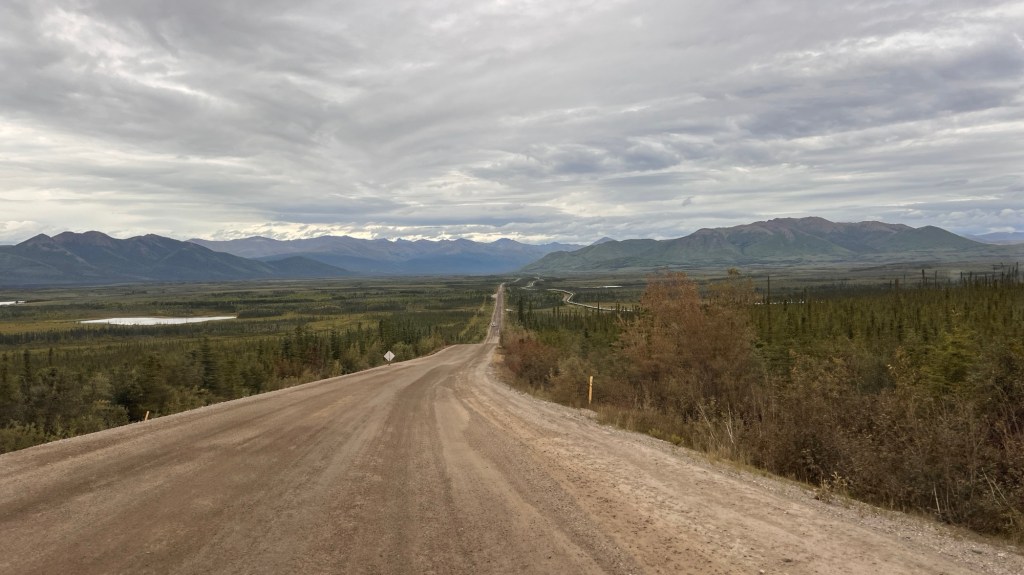
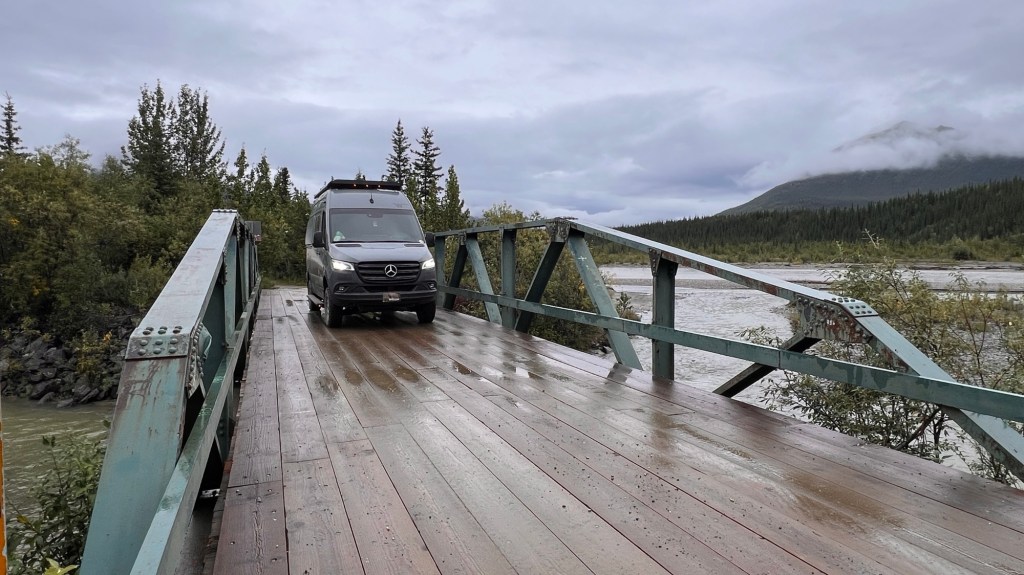
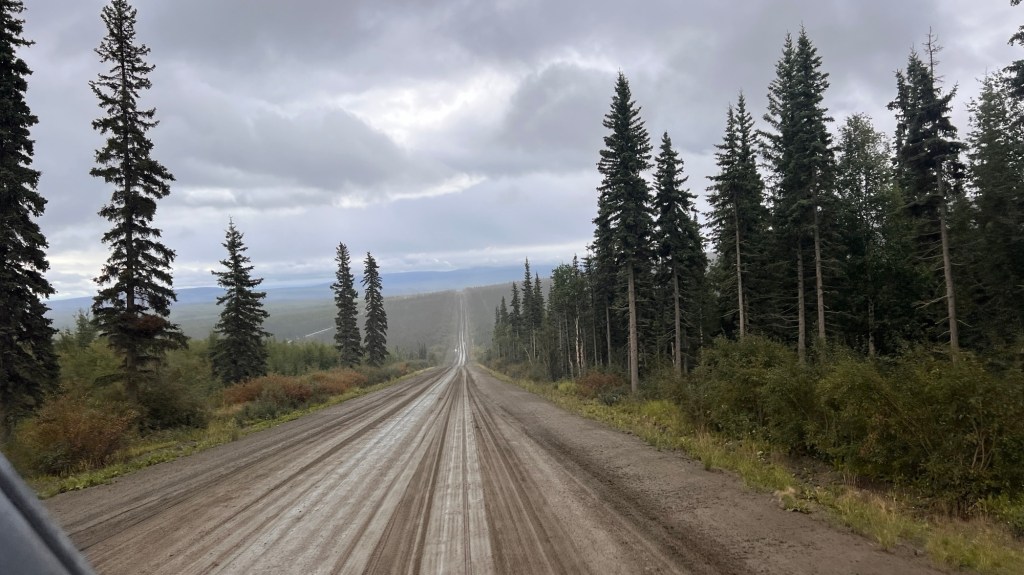
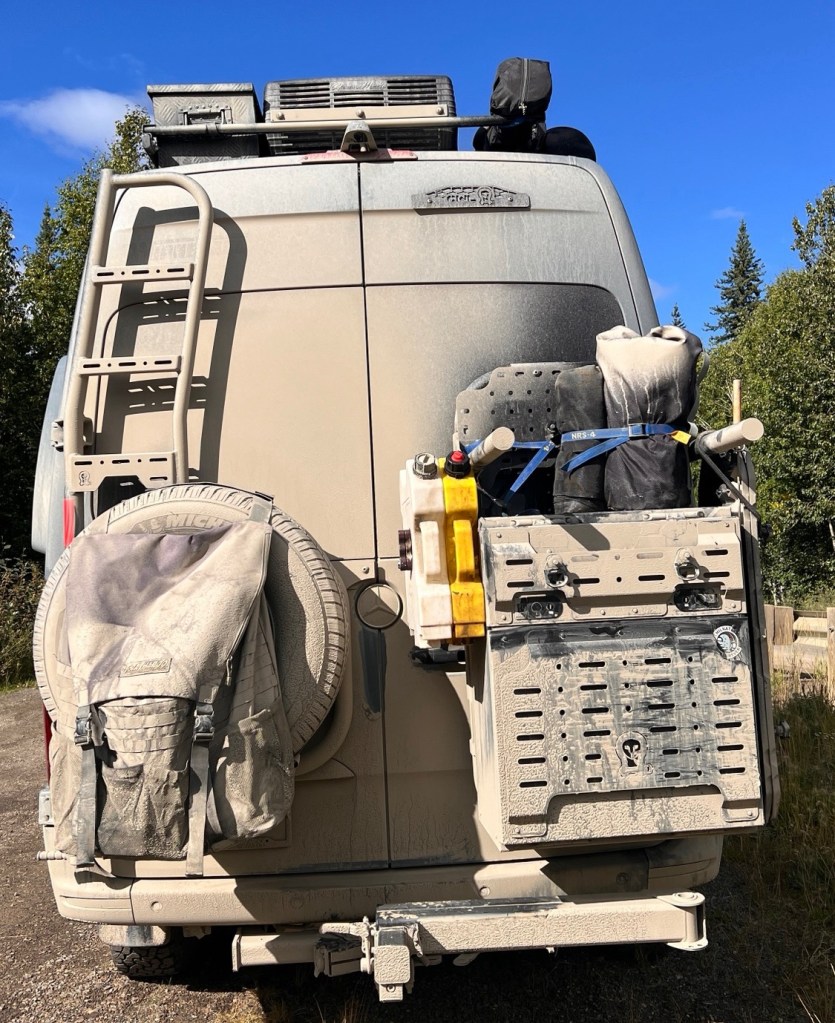
I must say that the Dalton Highway, or the Haul Road, has been the most technical driving we’ve done. On a dry clear day, the road is just a dusty mess, rocks flying from passing vehicles, and deep pot holes. Now let’s add in road construction where they thoroughly soak the road with water and grade the road. Our once dusty road, becomes a swampy mess with mud showers for the van as semi trucks blast through the now water filled pot holes. By the time we reached Yukon Crossing, the van was covered in grey brown mud half way up the sides. The running board were piled an inch thick with mud and gravel. The back of the van was covered in mud and made it difficult to open the doors without becoming covered yourself.
The first night, we camped at Mile 60 BLM Campground and slept well. The next day was more of the same road conditions, but the landscape has changed dramatically. We had gone from huge Alder trees and thick, lush green forests to scrubby conifers, aspens and birch trees. Soon we reached the Arctic Circle, 66.33 degrees latitude…the goal we set out to accomplish. We pulled into the BLM Campground and settled in feeling very satisfied at our achievement.
The next morning, blue skies and sunshine, beckoned us to venture the next 60 miles to Coldfoot, a small town of about 125 people living a sustenance life off the land. It’s the last stop for gas and food before heading into the Arctic Tundra and the North Slope Mountains, Perdue Bay and Deadhorse, big oil mining towns and the beginning of the Trans-Alaskan pipeline. We buttoned up the van, cleaned off the windows and set out north for Coldfoot.
Just outside of Coldfoot, is an Interagency Visitors Center with the most helpful rangers who will answer all your questions on road conditions, weather and wild life sightings, mainly grizzly, Dahl sheep and Muskox. They also encouraged us to drive to the Antigun Pass, another 50 miles further north, and another notch in the ‘been there, done that’ belt. We were given a weather forecast for both Coldfoot and Antigun Pass, told the driving etiquette, and again, encouraged to explore further north.
The next morning, fog hung heavy in the treetops, but the skies were wanting to part so we made the decision to make the drive. I didn’t have much faith that the weather would clear with rain and snow in the forecast, and I was not getting my hopes up for a great photo day, but we packed up and bit the bullet, and we were on the road.
“The first 30 miles are paved,” one of the rangers told us the night before. Yes, indeed the road seemed like it was better than the last 200 we had driven…until…One thing I can tell you is, I’m not sure which is better, paved or unpaved?
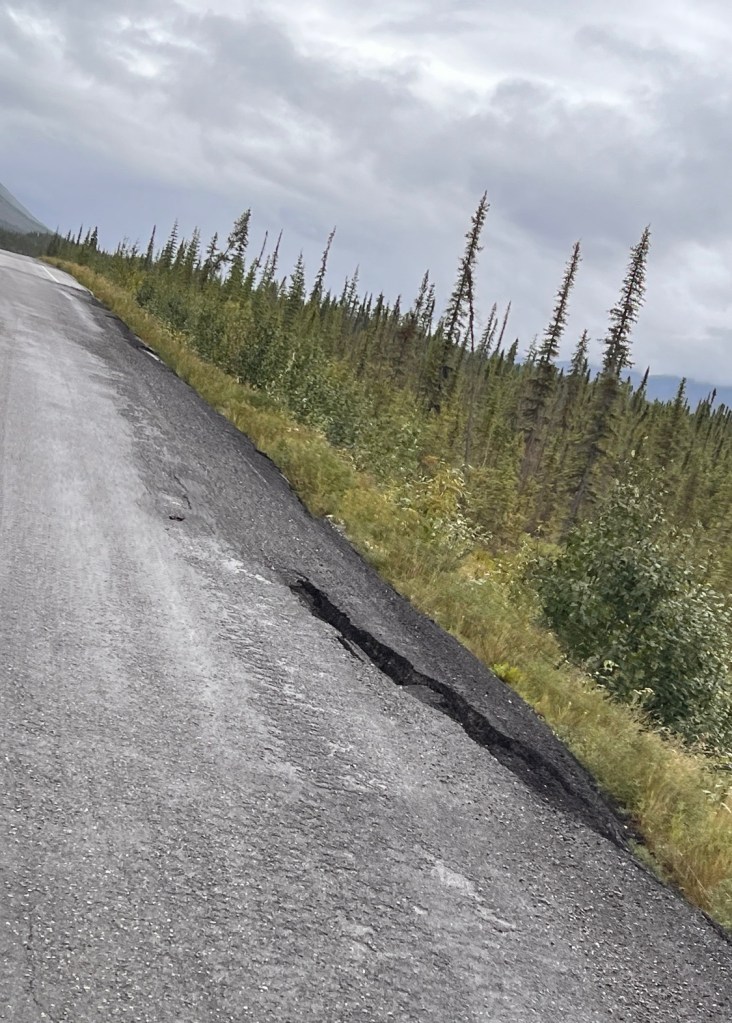
Paved roads seem to sluff off on the sides where the permafrost has begun to melt, leaving no substrate to hold the tarmac in place. Second, the frost heaves are accented by skid marks as the drivers before had slammed on the brakes as they were launched into the air. Next are the potholes, they seem to grow in size as each passing semi bounces through them, some covering almost the entire road.
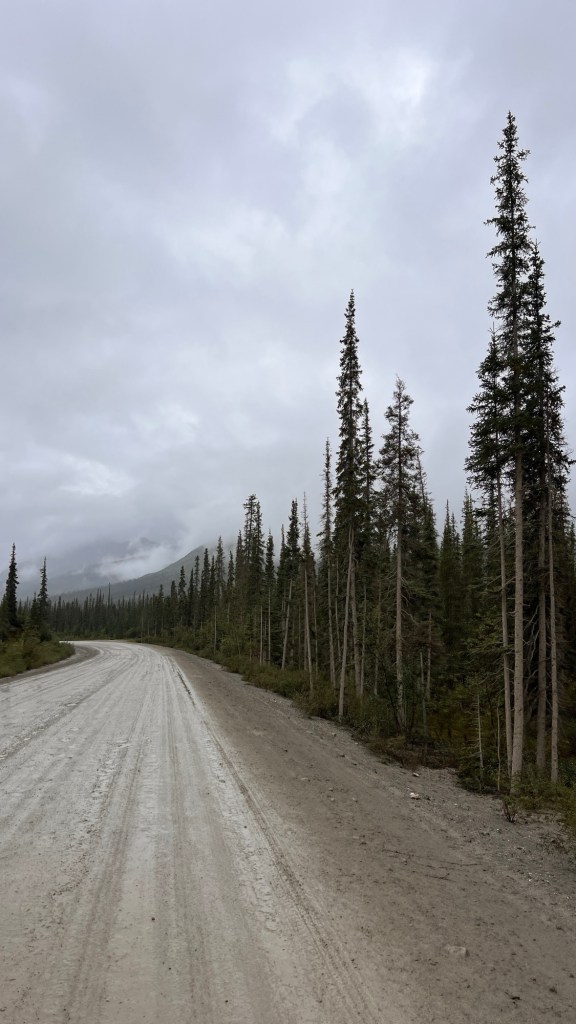
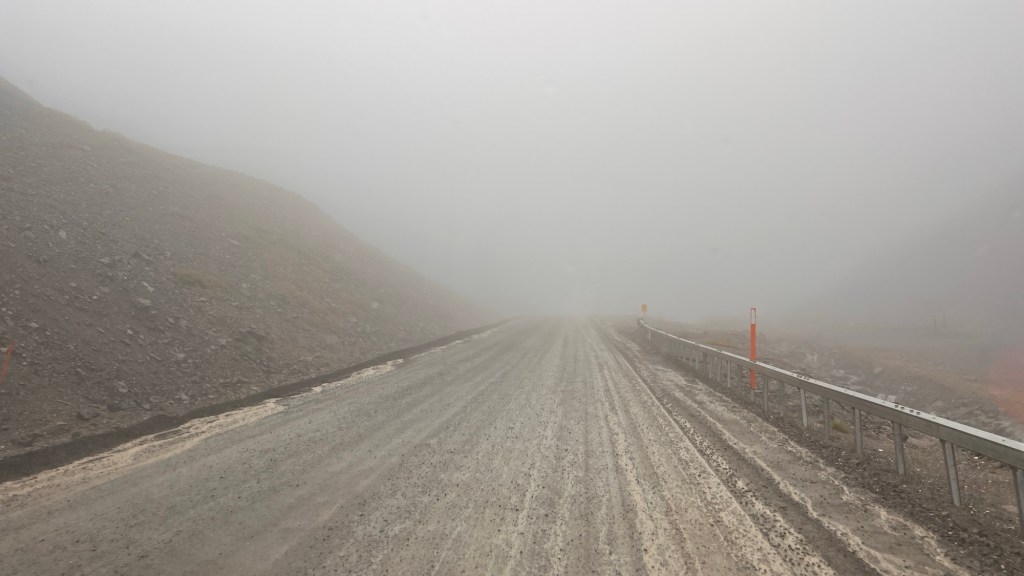
Dirt roads, well they have their issues and advantages as well. Rocks are by far the worst part of a dirt road. The Dalton Highway is renowned for breaking windshields. Second would have to be the mud, thick grayish mud, resembling concrete. The rain turns this into a slurry mess, coating everything it touches in a casing of grey slop, making entering the van nearly impossible without gloves or wiping handles and the edges of the doors with a rag. The dust, on dry days, is a fine powder that infiltrates rubber door seals, mechanical objects begin to squeak, and everything becomes covered in a light coating of white dust. The potholes are much more numerous and often times lined up just perfectly that there’s no choice but to slow to a crawl and step through each one. The best thing about a dirt road though, is it can be graded and potholes filled and compacted. This was witnessed by us both north bound and south as the crews watered and graded.
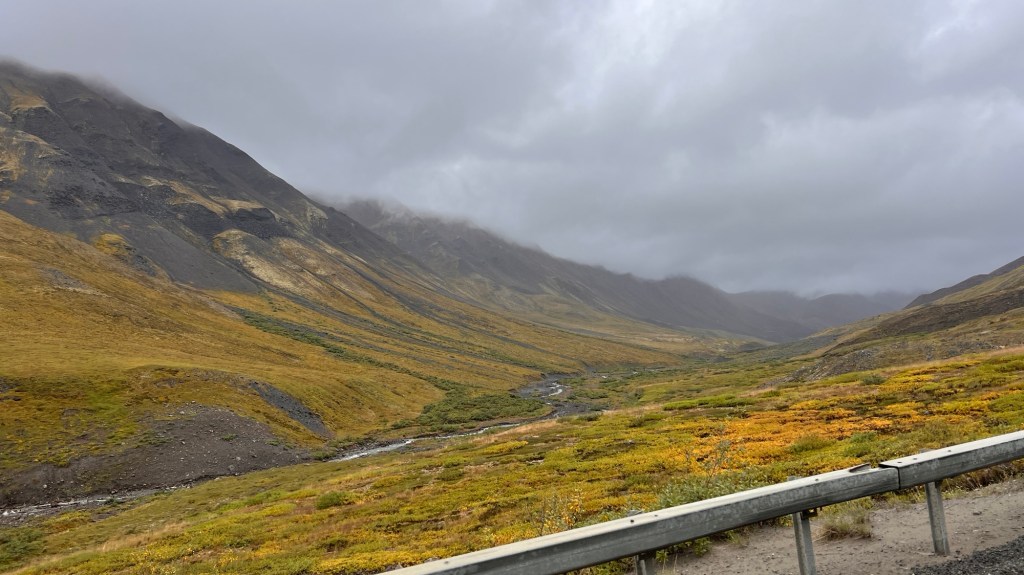
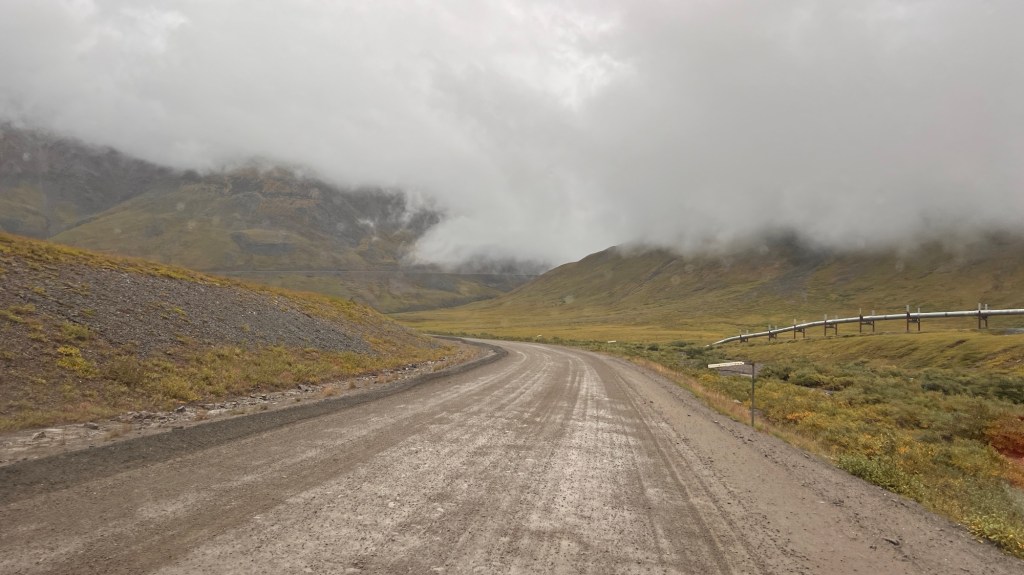
The day we decided to do the Antigun Pass, the weather didn’t hold and it rained most of the way. The first 30 miles of paved road was a pacifier for the last 20+ miles of muddy dirt road. I can’t imagine how we could’ve managed without the BFG KO2 tires on the van. At times the road was a soupy mess of mud as slick as snot. We made it to the top of Antigun Pass, covered thick in heavy clouds and rain, we jumped out of the van and took some photos and turned around for the decent back into Coldfoot.





























 Two Travelin' Chicas...