Our 2023 Tally of Planes Trains and Stays
Where we slept on 2023116 nights Apartments or B&Bs
89 nights Hotels
46 nights House Sits
36 nights Pet Sits
32 nights Camping in Vans US, Europe
12 nights Cabins or Lodge
8 nights Friends or Family
8 nights Boats
2 nights Planes
2 nights Trains
1 night Hostel
1 night Home Stay in CambodiaOther Stats
27 Individual flights taken
11 Long Distance Train Travel Days
19 Long Distance Bus Rides
11 Days traveling by Boat
16 Countries Visited in Order
3 IslandsUnited States
Bahamas
Ireland
Scotland
Portugal
Maderia (Island)
Azores (Island)
Germany
Austria
Spain
Croatia
Montenegro
Bosnia & Herzegovina
Cyprus
Vietnam
Con Dao Islands
Cambodia
Thailand
Koh Ngai (Island)
Koh Lanta (Island)
Laos
Tag: Budva



It’s a Wrap…Montenegro
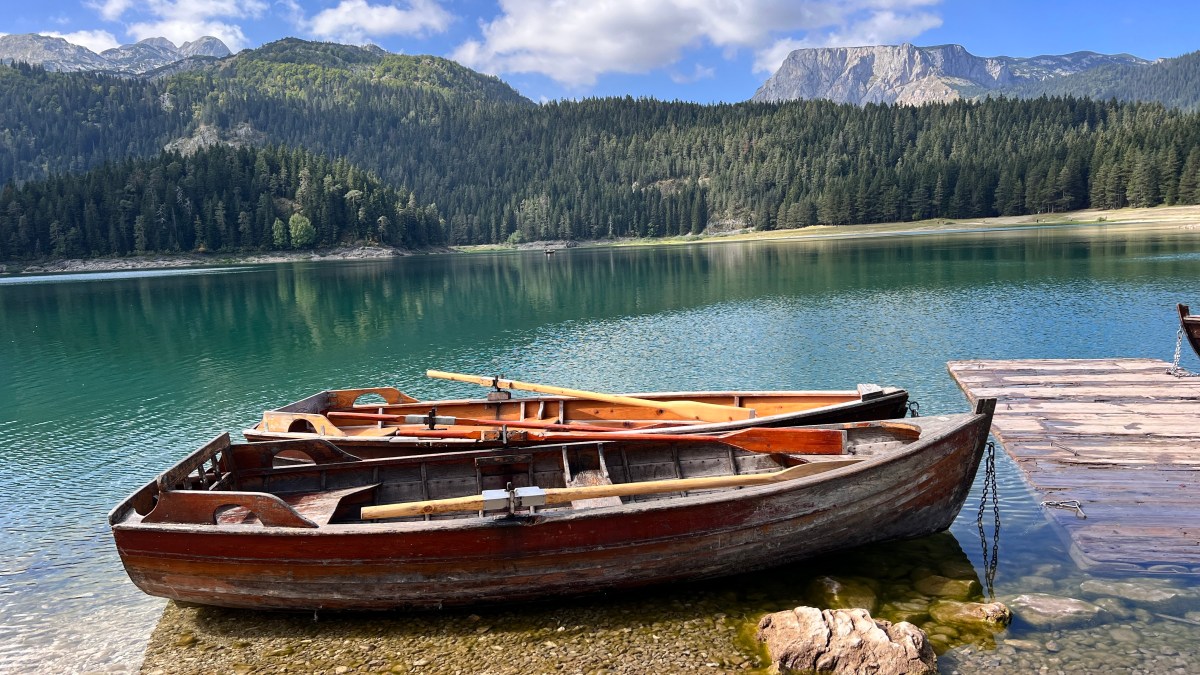
The weather is beginning to cool down quite a bit now. The leaves are beginning to change colors. The tourists are starting to disappear. The days are growing shorter. It’s now fall in Montenegro. Our time here is drawing to a close.

We have really covered a good portion of this beautiful country, from the Adriatic sea to the lakes and rivers in the Dinaric Alps. We spent days walking around the Kotor and Budva Old City Walls, toured around the Bay of Kotor, hiked up and around Sveti Stefan, relaxed on Red Beach in Bar, fished for days on the Tara in Mokjavic, and finally explored the National Park Durmitor in Zabljak. Each of these places has its own secret charm, history, and culture. Each has its own attraction for us.


I find it funny to think that I can’t understand a word of what most people are saying. Most people speak Serbian. None of their words remotely resemble English and the farther north we went the less people spoke any English including grocery stores, or pharmacies.
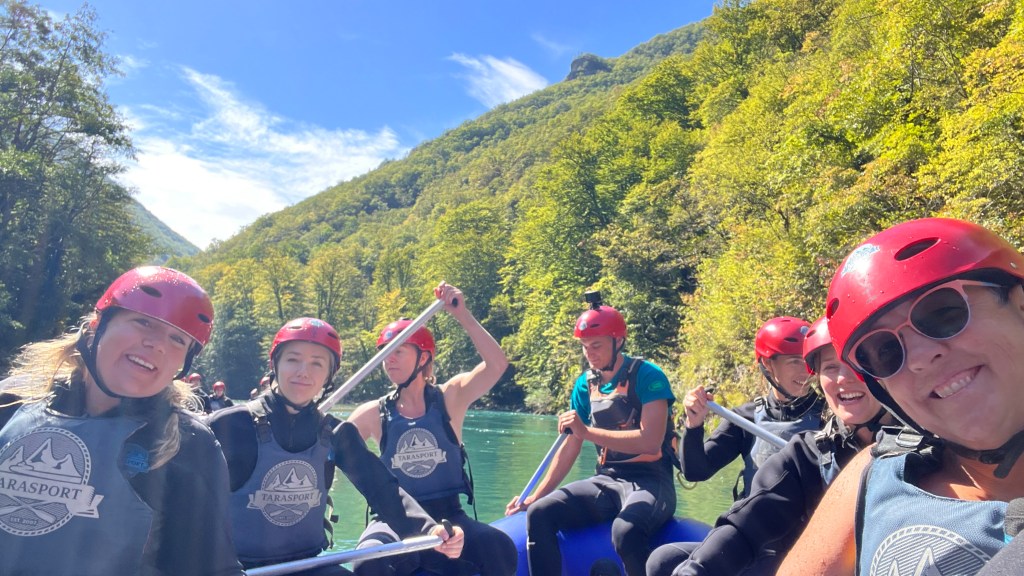
A couple days ago, we went on a white water rafting trip on the Tara River with 11 women from the Netherlands. They all could speak English but they were more comfortable speaking to each other in Dutch. We could pick up on many things they were saying. They were laughing and telling stories but we couldn’t engage with them. Laughing is universal though, so we laughed along with them.
Our cleaning lady, here at the apartment, comes in everyday and has a whole conversation with us in Serbian, full of expression and totally genuine feelings, but we can’t understand a word. Google translate is our best friend.

In all its beauty though, there are a few things that really upset me. Number one is the inability to get away from cigarette smoke. It’s hard to enjoy a meal when someone is sitting at the table next to you and lights up without a second thought. The apartment we have rented here in Zabljak has a strict no smoking policy that is not being enforced. We have moved to three different apartments before we found one that had not been smoked in. Sad.
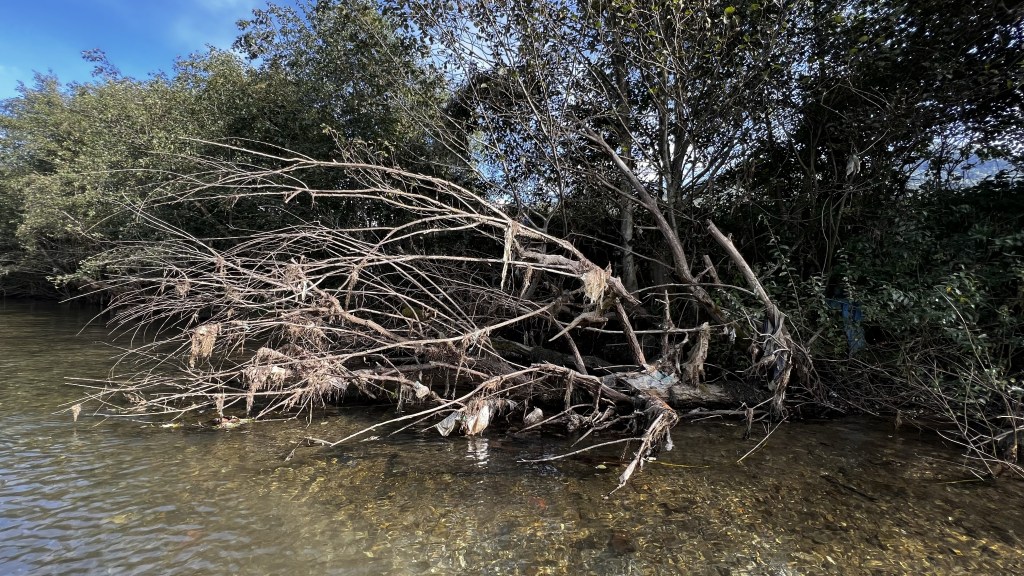
Secondly, Montenegro has a trash problem. Some towns are better than others. Zabljak was relatively clean but Mokjavic, for an example, had piles of garbage along the sides of the roads and at every fishing pull out. The rivers were so polluted with garbage it was hard to enjoy fishing them. It’s as if no one really cares. We mentioned it to our guide and he tried to blame tourists. Also sad.

We are in Zabljak now, the city with the highest elevation in Montenegro. It is surrounded by a National Park called Durmitor, one of five in the country. The stunning vistas are to die for. Not only does it have fifteen glorious mountains, there is a plethora of alpine lakes and one of the last endemic forests in Europe with 122 species of trees in all, some exist nowhere else on earth. Some are in excess of 400 years old and reach a height of 150 feet.


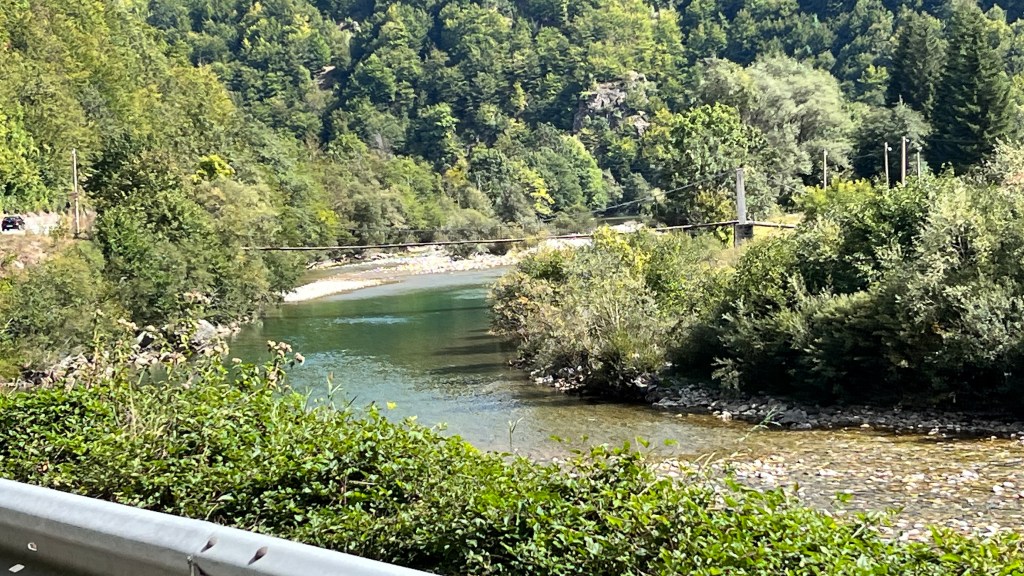
The Tara Canyon is the deepest and longest in Europe and second deepest in the world at 1300m deep. The Tara River is currently free flowing with no dams in its 78km path spanning from Mokjavic across to Zabljak, and along the border of Montenegro and Bosnia & Herzegovina. The water is a beautiful turquoise blue and only 7-10 degrees celsius.

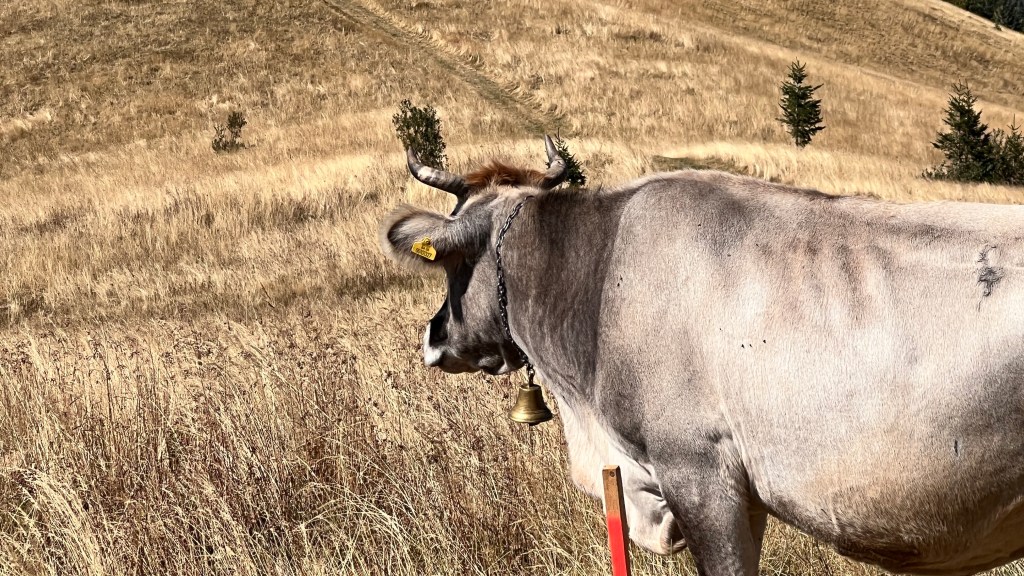
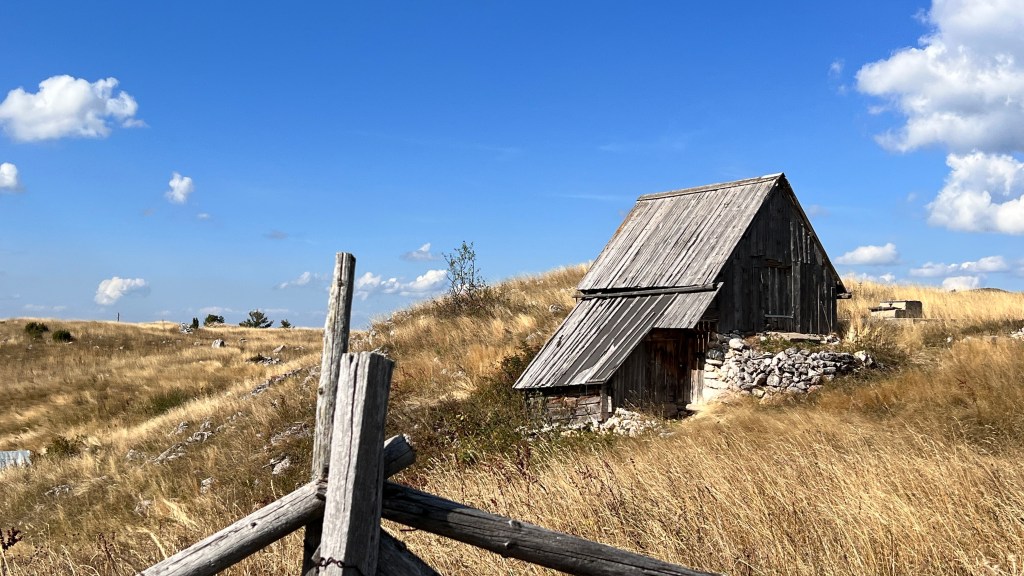
For the most part, life is pretty simple here. People are set in their cultural ways. The years of war show on the faces of the elders and a new hope shows in the younger generation. In some areas, it’s hand to mouth, growing their own food and keeping chickens, cows and goats. The houses are pretty simple and lack the lavashes of other European countries. It is set to enter into the EU in 2025 and then the infrastructure will be vastly improved when the tourists flock in to experience the vast amount of outdoor opportunities Montenegro has to offer.
2,000 + Years of History: Kotor and Budva
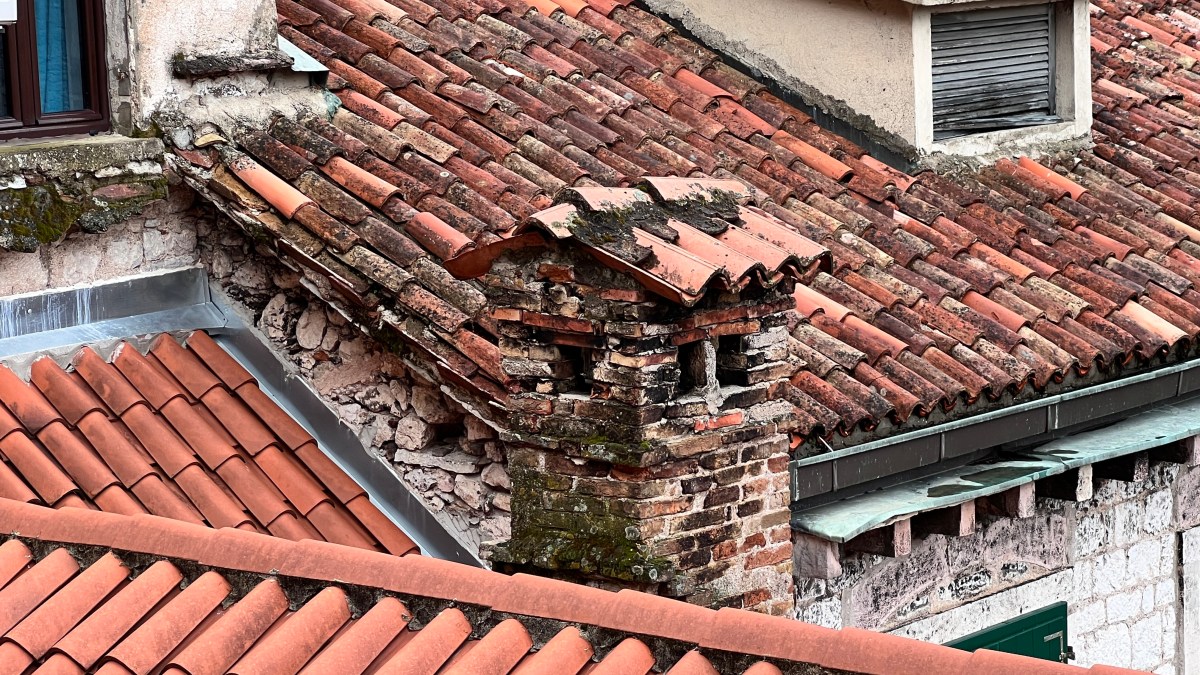
We just left Kotor Old City for Budva Old City, Montenegro. It’s like stepping way back in time. Being from the United States, my mind is blown and mesmerized as I walk inside the stone walls and tiny alleyways. There are mazes of a stone, rising up to steep narrow halls and well worn steps climbing up and up to unseen passageways. There are layers upon layers of historic old buildings


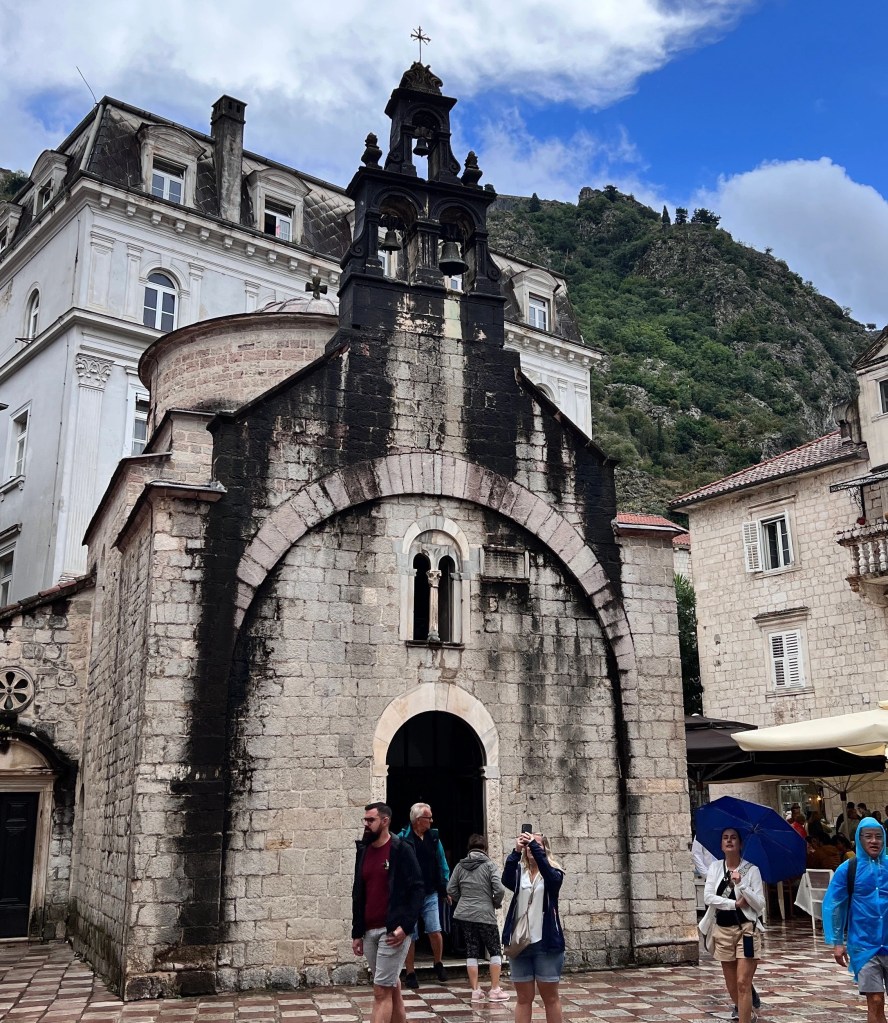

Both of these cities were built as fortresses as far back as 600 BC. Romans, Illyrians, Byzantiums, Italians, Hungarians, French, Austrians, Russians, Germans, Kings and Queens all laid claim to these Adriatic cities at one time or another. They have survived fires, wars, plagues and earthquakes. Kotor was know by many names through the centuries as was Budva. The Serbian Dynasty played a hand in making Kotor a port city linking it to the west. The Nazis took over from 1941-1944 during WWII.
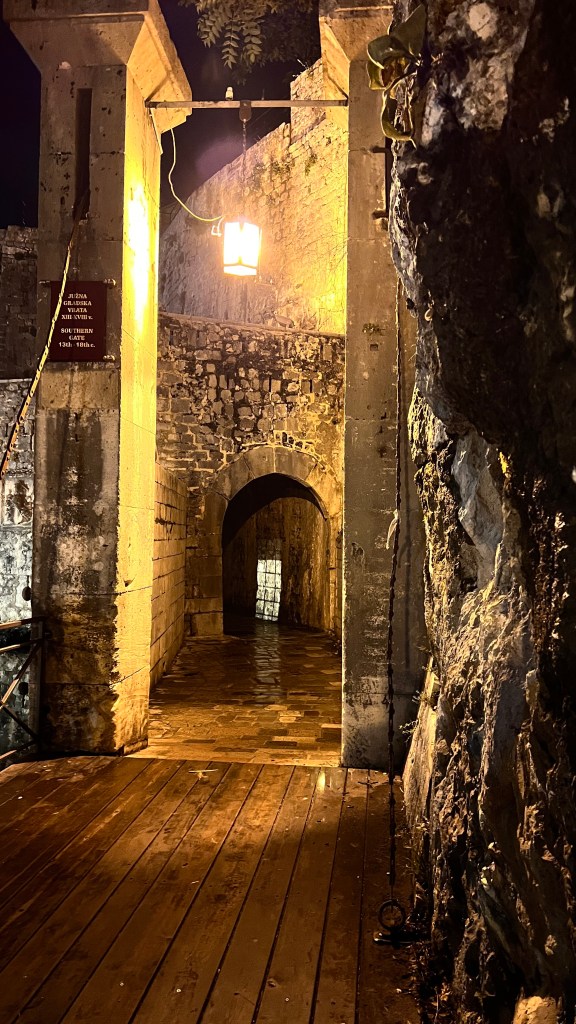
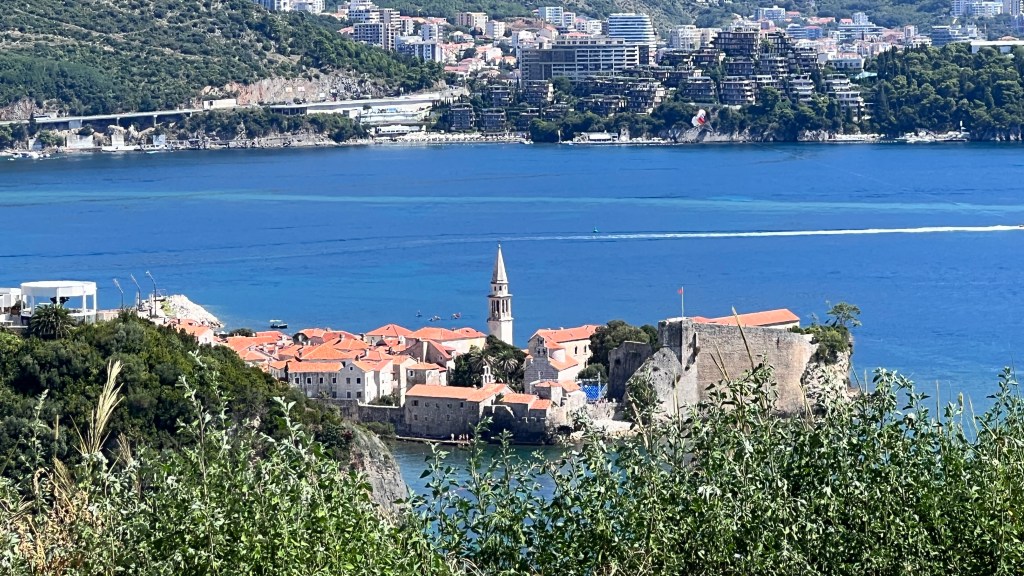

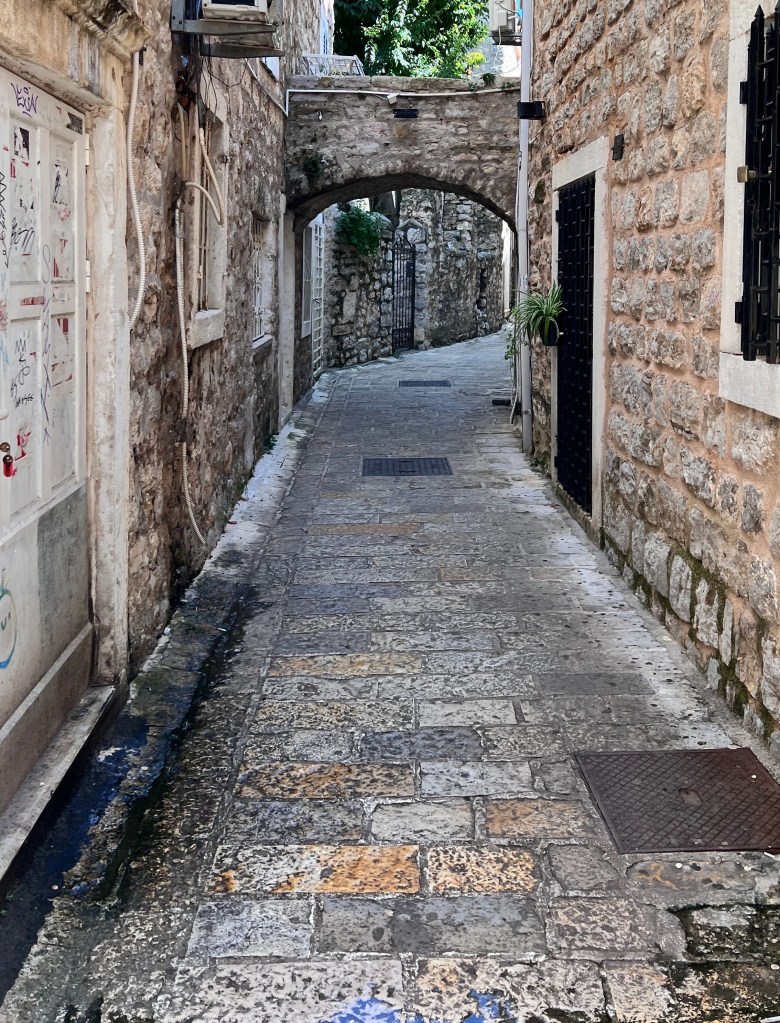
Budva was founded by the Greek King and Queen of Thebe in the 5th century BC, King Kadmo and Queen Harmonia. Sharing much of the same historical occupations, wars and catastrophic earthquakes as Kotor, it remains a city steeped in rich history and pride.
In the 2nd century BC the Romans ruled until the fall of the Empire. The city fought occupation of all the same ruling countries as Kotor. As a well developed sea port, commodities of olives and grapes, made it a city worth occupying. It’s history is steeped in rich myth and folklore which the generations have kept alive.


Both Kotor and Budva were decimated most recently by a magnitude 7 earthquake in 1979. Over a thousand buildings and structures were damaged and 100,000 inhabitants were displaced. UNESCO stepped in and over the next 4 years both cities were restored to their historical original dispositions.

We would encourage anyone looking to immerse themselves in an ancient city, culture and the ghosts of the past, to visit and stay inside the walls of these two Adriatic Sea-towns. To wander through and get lost in the labyrinth of passageways during the day and then to encounter the city nights as well. To listen to the peal of the church bells, to adore the many beloved street cats, to climb the old worn stairs to the upper cities and hidden doorways leading to fascinating bars, restaurants and guesthouses. You can just feel the energy.


 Two Travelin' Chicas...