
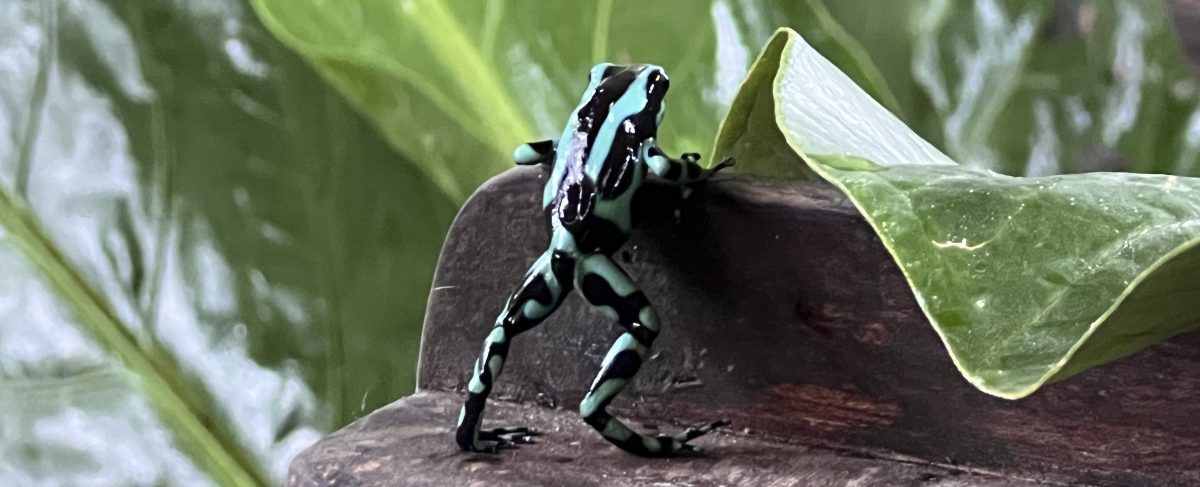

I don’t always know what it is that will catch my eye, tickle my nose with a new scent or ring out in my ears as I walk through this city. There is a rhythm to life in Oaxaca.

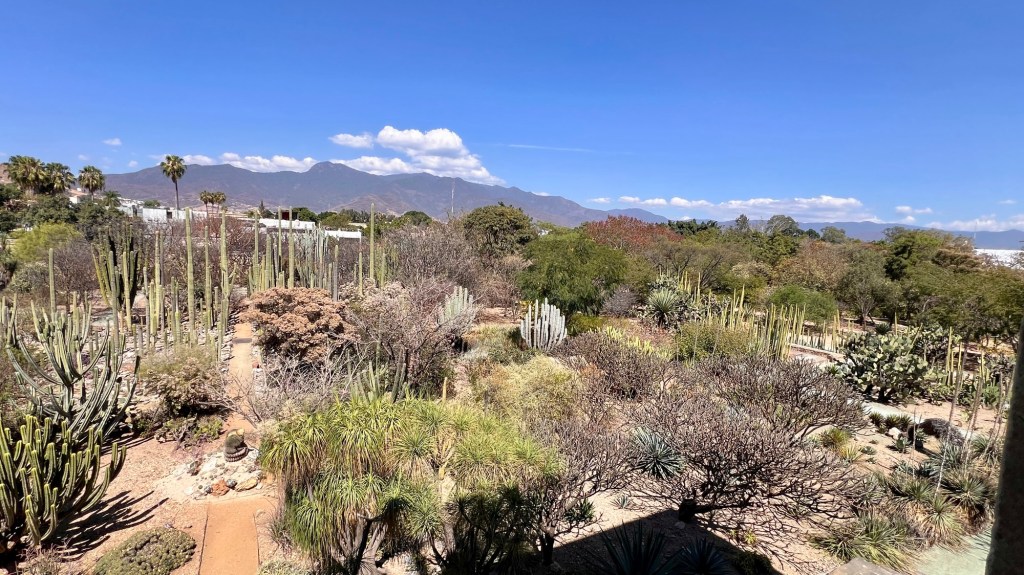
The air is fresh here, with the exception of the occasional stopped traffic and the fumes from the vehicles. The sky is a deep azure intensified by the altitude of just over 5,000 feet or about 1,500 meters. The city is surrounded by mountains that can only be viewed from a rooftop terrace as found in almost every building. The foliage is a tossup between tropical and desert yet the air feels hot and dry with the sun’s intensity making it feel even hotter.

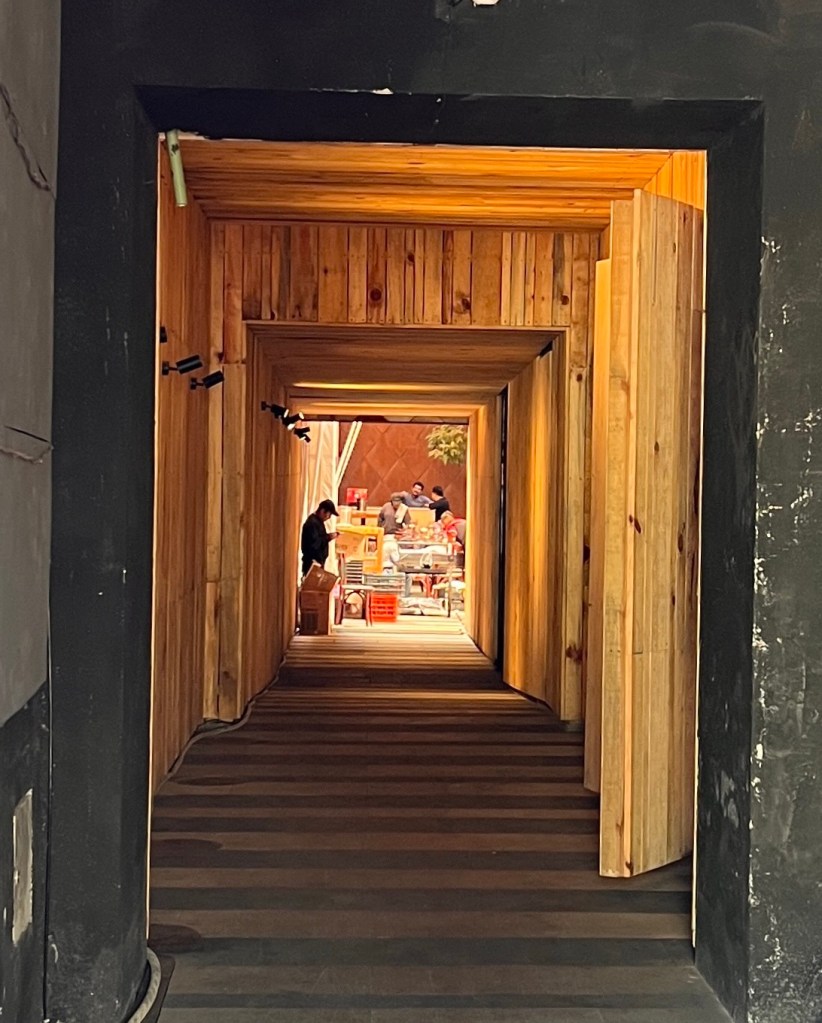


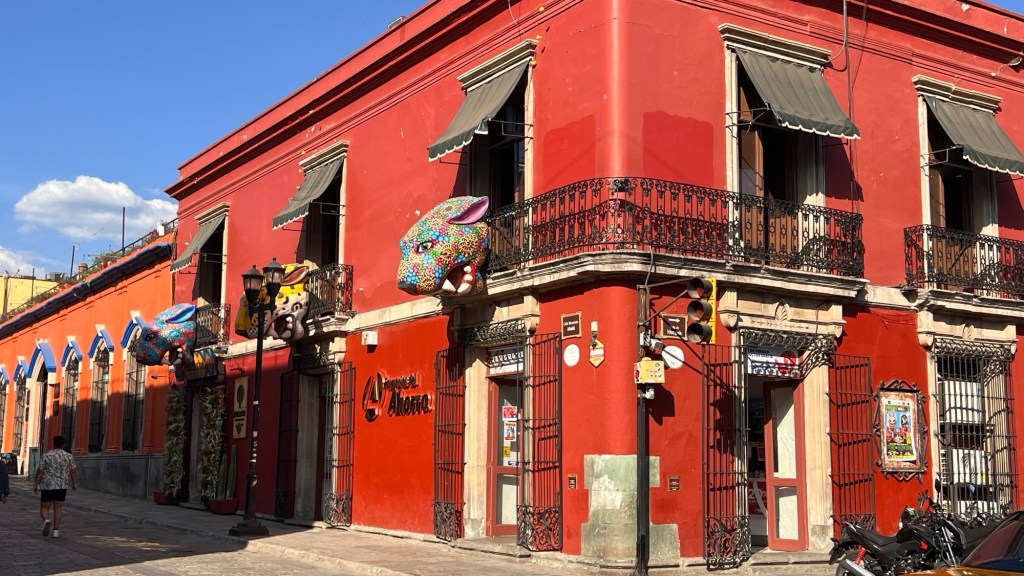
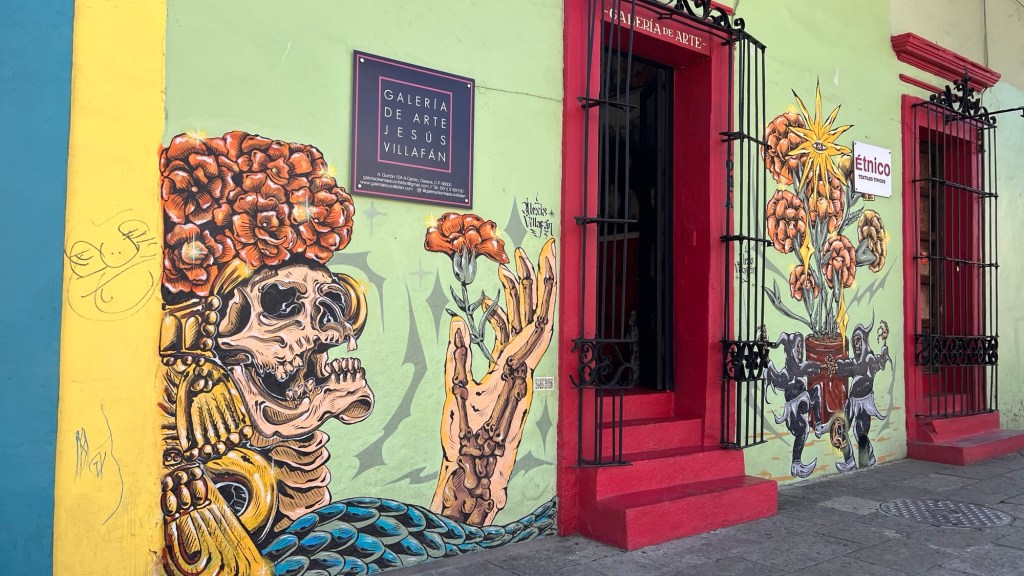
The rows and rows of solid walls with a doorway leading into the very heart of the building. The courtyard. Most of the city is Spanish colonial. With often times three generations living in one home, the configuration of these lovely, colorful buildings makes total sense. Each interior is different with only one common theme, the courtyard with rooms off to kitchens, bathrooms, offices, indoor gathering areas, and a rooftop terrace. The special touches added by generational influences, cultural appreciation, artisanal likes and tastes. Colors vary greatly but tend to lean more tropical, bright oranges, blues, yellow and greens. There are often bars on the windows to the outside which after a fashion becomes part of the architecture and less about crime.
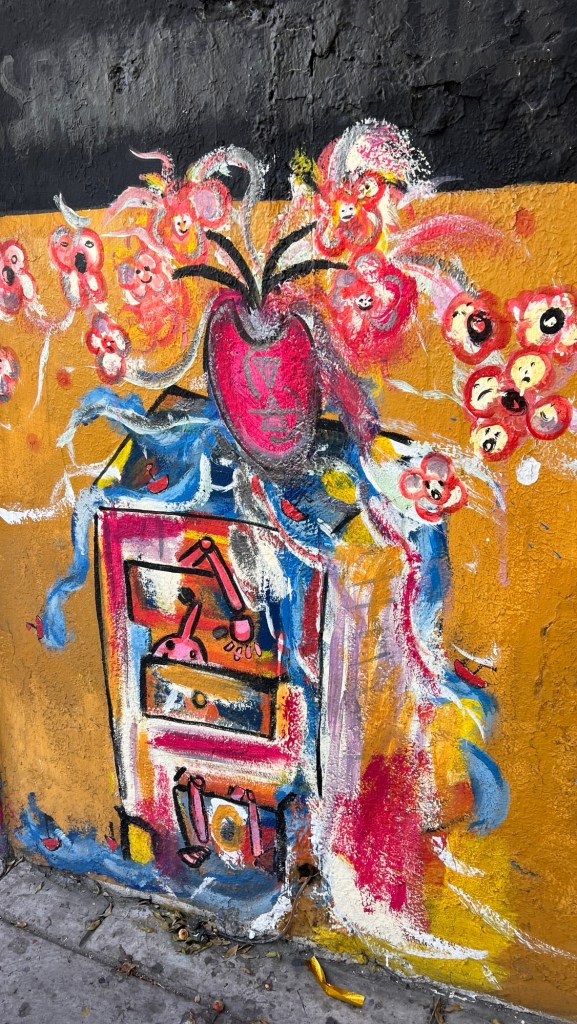

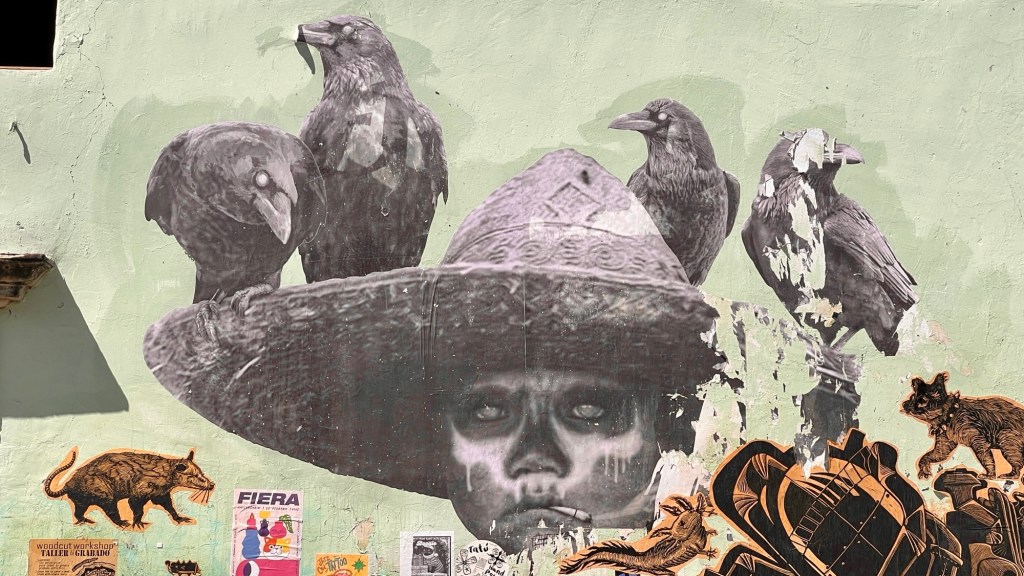
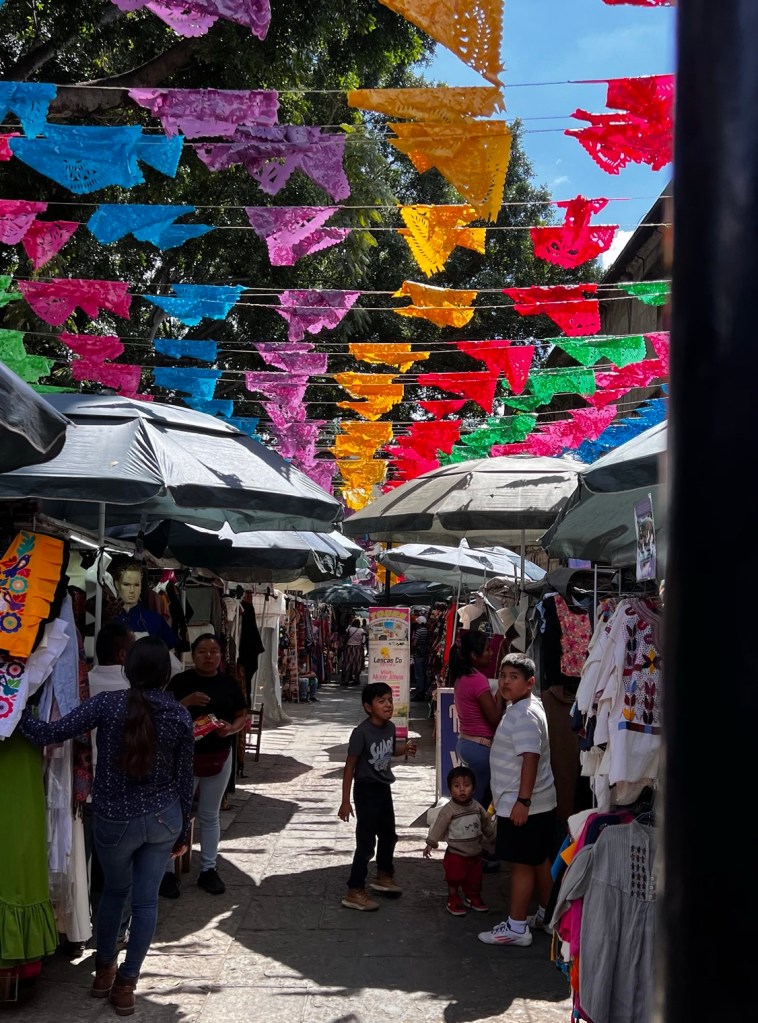
The streets are clean and tidy and mostly made of blocks of rock or cement, each hand laid and leveled. The pride of the people shines through in most all areas, though there is a free “artistic” expression found on most every wall. Someone’s personal stamp on the world, be it graffiti or actual pictorial design. Each says something about the trials, tribulations and triumphs of life here. To say “hey I’m here.” To convey a thought, political statement or just to advertise.


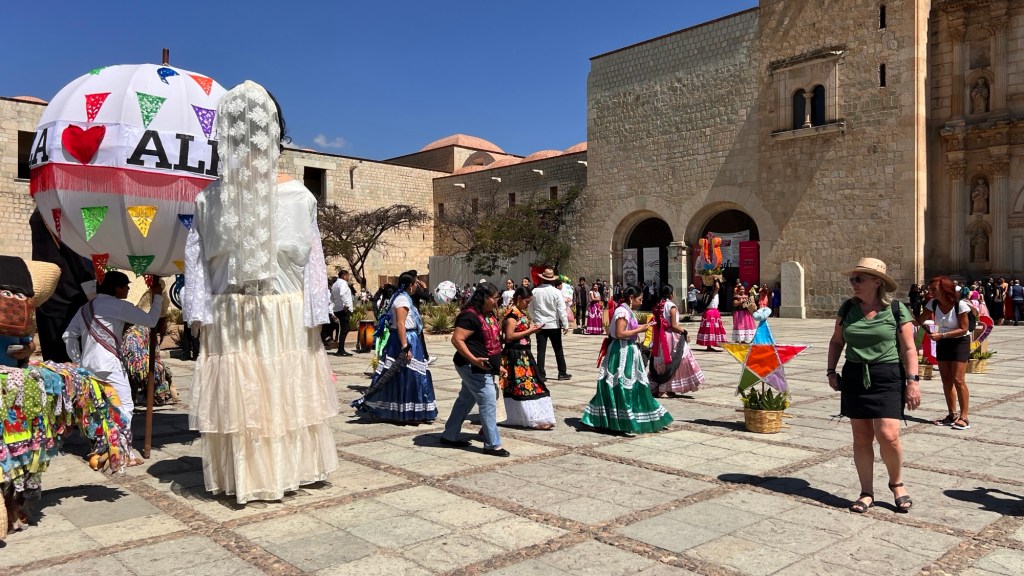
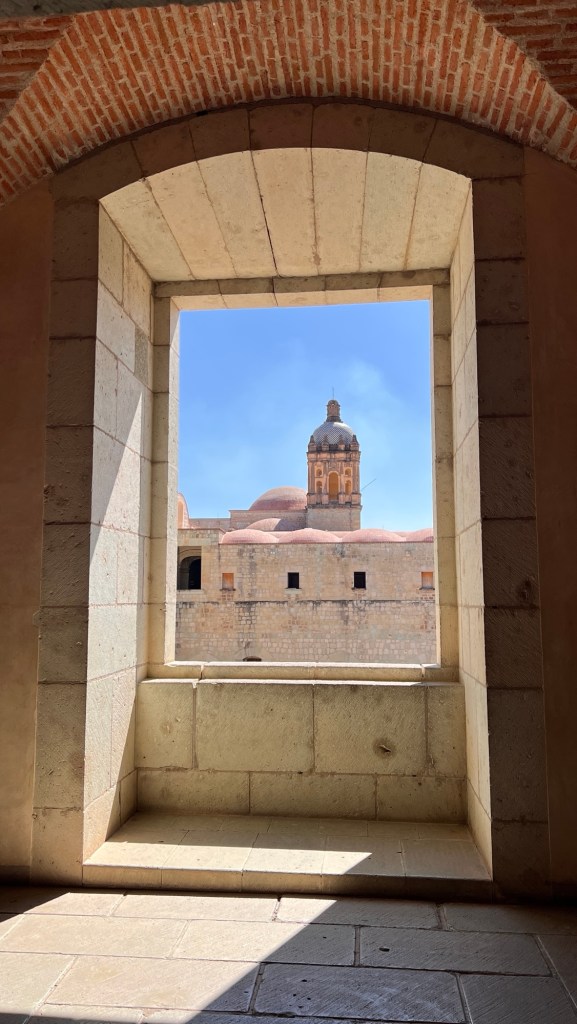
The Catholic Church is the center of each small neighborhood. There are over 25 churches and 125 parishes in Oaxaca Centro, the main being Templo de Santo Domingo. Every Saturday, weddings are performed at this enormous church. A precision sets up outside the church, consisting of papermache edifices of the bride and groom that twirl and sway while a marching band plays. Women and men in typical Mixtec and Zapotec costume of bright colors with embroidery depicting the cultural symbolism of their heritage. It is quite the fan fare and each wedding is held on the hour and the revelry commences as the newly weds exit the church.


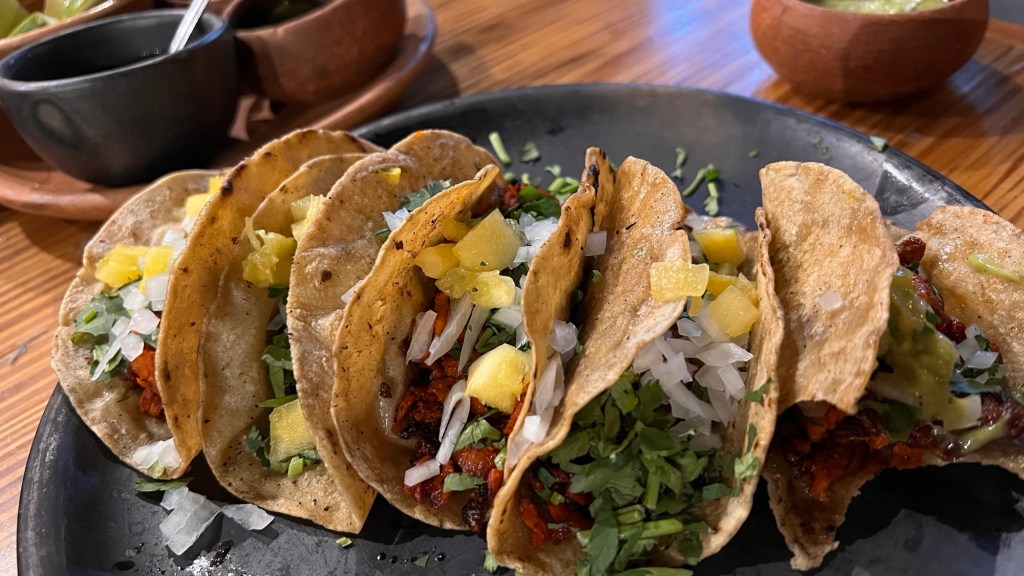
The food here is amazing. It is freshly made to order, be it a restaurant or street vendor. The smells waft on the breezes through the walled streets, making one’s mouth salivate. The ingredients are not always known to us but we are adventurous and step out of our comfort zone to try new things. Oaxaca is best known for two culinary items…Mole and Mezcal. There are so many variations of Mezcal that can be found in the place of whiskey or regular tequila in many drinks. Each Mole is also crafted by hand in an arduous process and it seems the variety of Moles are endless.


We’ve only begun to scratch the surface and we’ve got another week to experience Oaxaca. A foodie heaven and cultural center, with hundreds of maze like streets to explore. Best done on foot so not to miss anything hidden inside a doorway.
 Two Travelin' Chicas...