
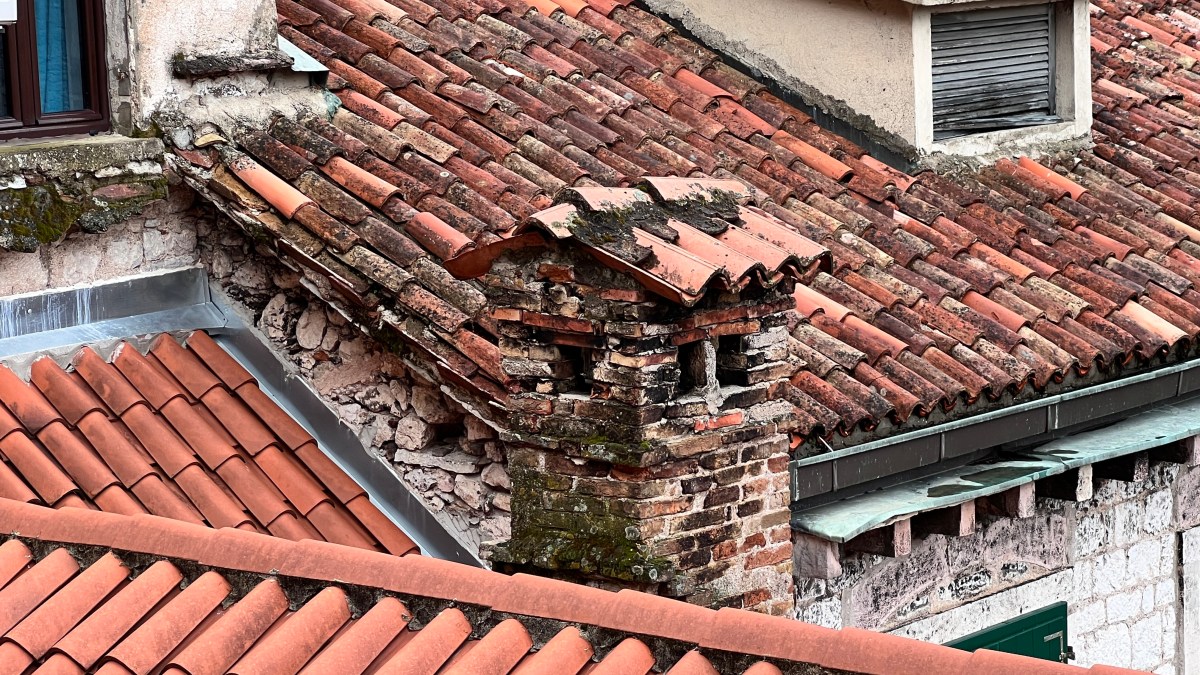
We just left Kotor Old City for Budva Old City, Montenegro. It’s like stepping way back in time. Being from the United States, my mind is blown and mesmerized as I walk inside the stone walls and tiny alleyways. There are mazes of a stone, rising up to steep narrow halls and well worn steps climbing up and up to unseen passageways. There are layers upon layers of historic old buildings


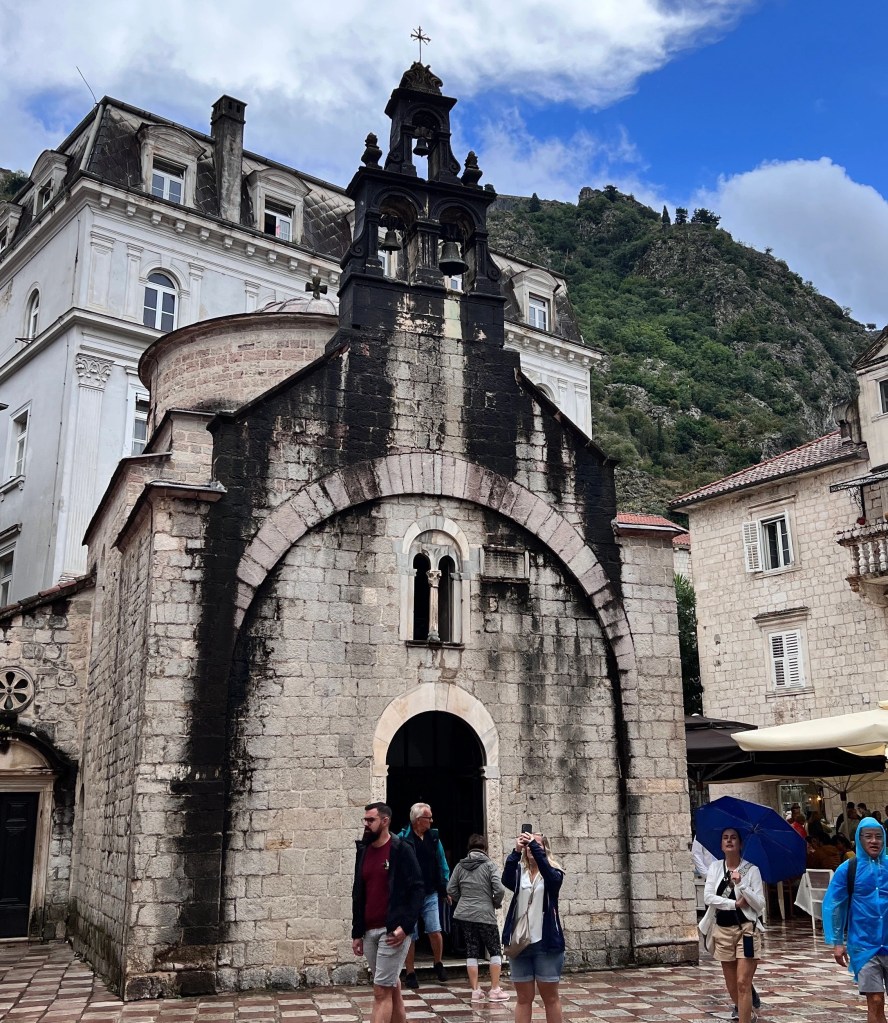

Both of these cities were built as fortresses as far back as 600 BC. Romans, Illyrians, Byzantiums, Italians, Hungarians, French, Austrians, Russians, Germans, Kings and Queens all laid claim to these Adriatic cities at one time or another. They have survived fires, wars, plagues and earthquakes. Kotor was know by many names through the centuries as was Budva. The Serbian Dynasty played a hand in making Kotor a port city linking it to the west. The Nazis took over from 1941-1944 during WWII.
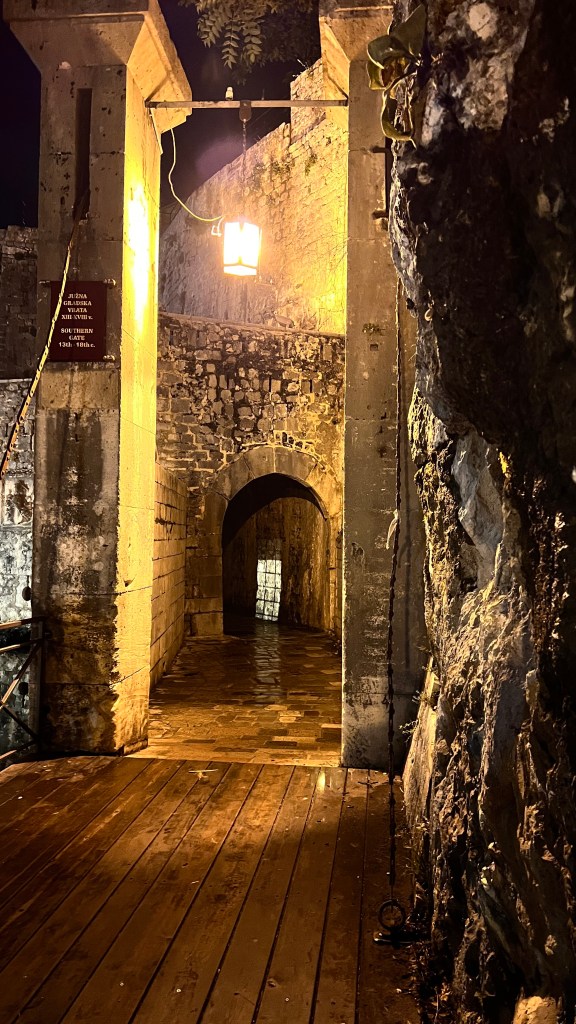
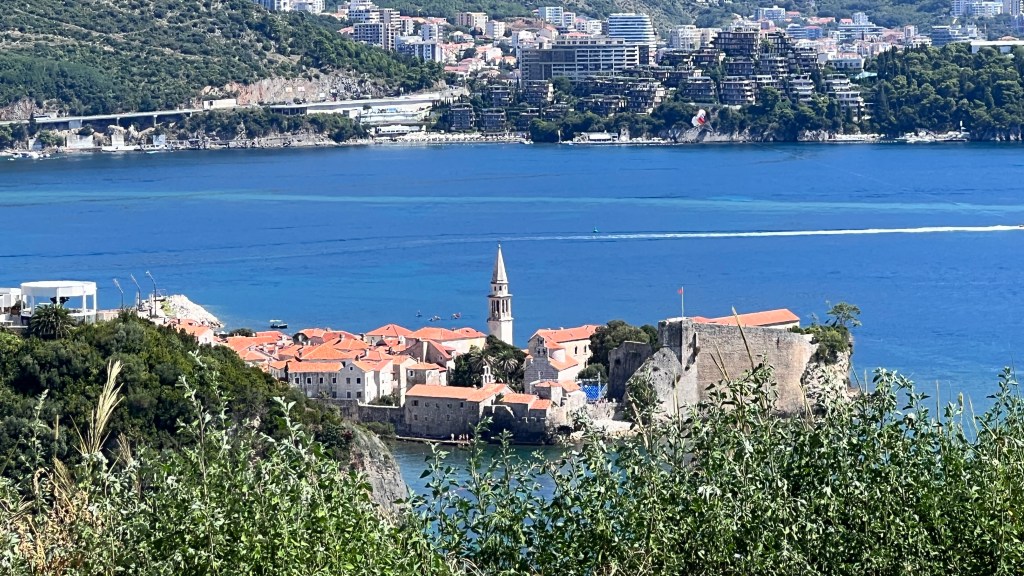

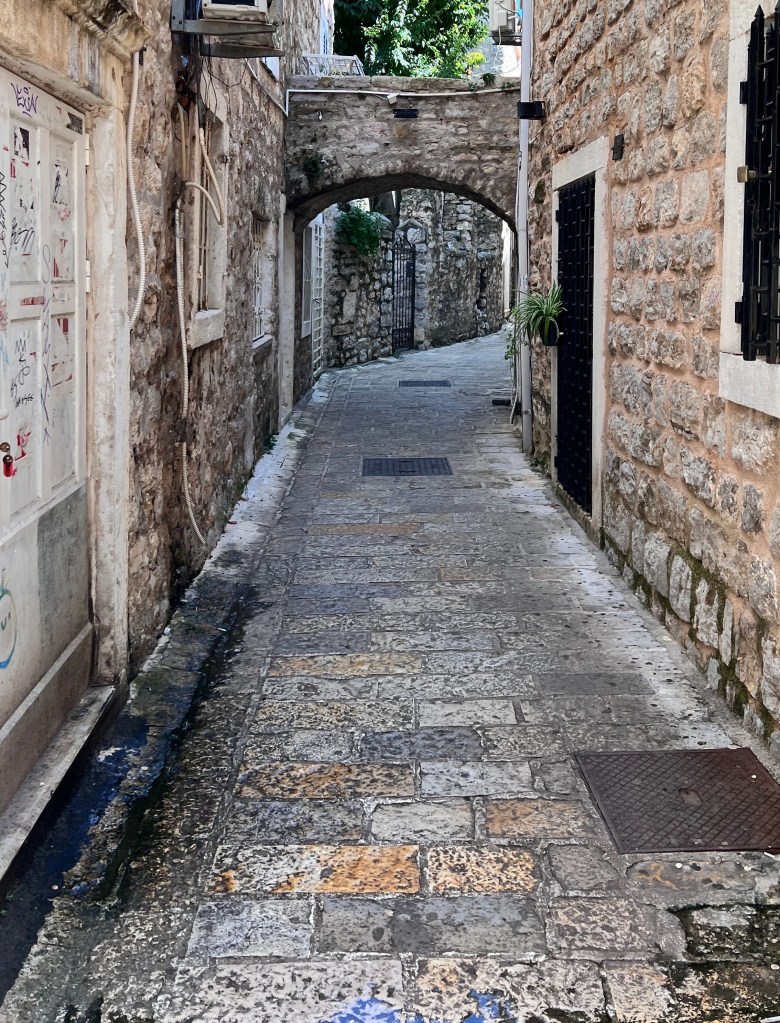
Budva was founded by the Greek King and Queen of Thebe in the 5th century BC, King Kadmo and Queen Harmonia. Sharing much of the same historical occupations, wars and catastrophic earthquakes as Kotor, it remains a city steeped in rich history and pride.
In the 2nd century BC the Romans ruled until the fall of the Empire. The city fought occupation of all the same ruling countries as Kotor. As a well developed sea port, commodities of olives and grapes, made it a city worth occupying. It’s history is steeped in rich myth and folklore which the generations have kept alive.


Both Kotor and Budva were decimated most recently by a magnitude 7 earthquake in 1979. Over a thousand buildings and structures were damaged and 100,000 inhabitants were displaced. UNESCO stepped in and over the next 4 years both cities were restored to their historical original dispositions.

We would encourage anyone looking to immerse themselves in an ancient city, culture and the ghosts of the past, to visit and stay inside the walls of these two Adriatic Sea-towns. To wander through and get lost in the labyrinth of passageways during the day and then to encounter the city nights as well. To listen to the peal of the church bells, to adore the many beloved street cats, to climb the old worn stairs to the upper cities and hidden doorways leading to fascinating bars, restaurants and guesthouses. You can just feel the energy.


 Two Travelin' Chicas...